
 Podgląd w skali 1:1
 Wyślij jako kartkę
 Udostępnij
 Szczegóły dzieła
 Przewodnik

 Pobierz obraz
 Podobne obiekty
 RTG
RTG Pokaz slajdów
 Pytania i odpowiedzi
 Statystyki
The Road to York through Sledmere


 Rozwiń treść
Dzieło sztuki prezentowane na tej stronie podlega ochronie prawem autorskim, co oznacza, że nie mamy prawa do tworzenia ani sprzedaży jego identycznej reprodukcji. Ochrona ta jest egzekwowana na mocy umów międzynarodowych, takich jak Konwencja berneńska oraz przez przepisy prawa krajowego, w tym te określone w Prawo autorskie USA – Tytuł 17.
Metoda ta jest w pełni zgodna z przepisami prawa autorskiego, ponieważ nie polega na kopiowaniu ani powielaniu chronionego dzieła. Stanowi ona kreatywną reinterpretację – nowy obraz, który czerpie inspirację z oryginału, ale nie jest z nim tożsamy.
Giclée / Wydruk artystyczny
Wydruki giclée lub płótna o jakości muzealnej, szybka realizacja i szeroki wybór opcji wykończenia. ( Zamów ręcznie malowaną reprodukcję Przejdź do wersji cyfrowej)




































Wybierz spośród naszych standardowych rozmiarów, które zachowują oryginalne proporcje dzieła sztuki.

Wpisz wymaganą szerokość i wysokość, aby dopasować grafikę do ramy lub ściany. Wydruk można jedynie przyciąć, nigdy nie powiększając go poza oryginalny obraz, dlatego format o innych proporcjach spowoduje utratę części kompozycji. Przed rozpoczęciem druku prześlemy Ci cyfrowy podgląd do zatwierdzenia. Obraz wyświetlany na tej stronie nie pokazuje rzeczywistego przycięcia — jedynie podgląd oddaje ten efekt.
Dostawa na cały świat () w ciągu 2 tygodni zamiast standardowych 4/5 tygodni. (5 Listopad)

Bezpłatna ekspresowa wysyłka na cały świat

Wysokiej jakości płótno lniane

Pełne ubezpieczenie przesyłki

Gwarancja zwrotu należności celnych i podatków importowych

Gwarancja wiernego odwzorowania kolorów

100-dniowa polityka zwrotów (tylko w przypadku wad)

Gwarancja 100% zwrotu pieniędzy

Zniżka przy zakupie wielu sztuk
 Opcja ze szkłem jest dostępna wyłącznie w rozmiarach poniżej 110 cm

The Road to York through Sledmere
Giclée / Wydruk artystyczny
Wymiary reprodukcji
-


Cena całkowita
zł 315
A Snapshot of Yorkshire Life – The Vision of David Hockney
David Hockney’s “The Road to York through Sledmere” isn't merely a depiction of a rural English scene; it’s a vibrant distillation of light, color, and the rhythms of everyday life. Painted with Hockney’s signature boldness, this artwork captures a fleeting moment in time – a small town bathed in the golden hues of a late afternoon, brimming with activity and an undeniable sense of warmth. The painting immediately draws the viewer into its heart, offering a glimpse of a world both familiar and wonderfully transformed through the artist's discerning eye.
Composition and Technique: A Pop Art Approach
- Color as Narrative: Hockney’s masterful use of color is central to the painting’s impact. The saturated reds of the brick houses contrast dramatically with the lush greens of the surrounding trees, creating a visual dynamism that pulls the eye across the canvas. This isn't a naturalistic representation; it’s an amplified, almost theatrical, rendering of light and hue – a hallmark of Hockney’s Pop Art influences.
- Simplified Forms: The composition is characterized by simplified forms and clear lines, reflecting Hockney’s interest in graphic design and his desire to capture the essence of a scene rather than its intricate details. This approach lends the painting a sense of immediacy and clarity.
- Acrylic on Canvas: Executed with acrylic paint on canvas, the technique allows for rapid layering and vibrant color mixing – essential elements in Hockney’s process. The surface texture is subtly visible, adding to the painting's tactile quality.
Historical Context & The A166 Landscape
Created by David Hockney, this artwork reflects a pivotal moment in British art history – the rise of Pop Art and its embrace of everyday subjects. Painted around the same time as his iconic swimming pool series, “The Road to York through Sledmere” demonstrates Hockney’s ongoing exploration of light, color, and human experience. The painting's subject matter—a small town along the A166 road in Yorkshire—is deeply rooted in the region’s history. As detailed in the Wikipedia entry on the A166 road, this route has been a vital artery for centuries, dating back to Roman times with its connection between York and Stamford Bridge. The painting captures a slice of life along this historic thoroughfare, reflecting the enduring character of rural England.
Symbolism & Emotional Resonance – A Journey of Observation
Beyond its technical brilliance, “The Road to York through Sledmere” evokes a powerful sense of nostalgia and tranquility. The scene is alive with movement—people walking, dogs playing, buildings bustling with activity—suggesting a vibrant community connected by this simple road. As noted in the "Purpose and Meaning" exhibition page, Hockney intended for these paintings to replicate the feeling of going on a journey. The painting’s warmth and optimism invite the viewer to share in this moment of quiet observation, prompting reflection on the beauty of everyday life and the enduring appeal of rural landscapes. It's a testament to Hockney’s ability to transform a simple scene into a profound meditation on time, place, and human connection.
Pytania i odpowiedzi
Czy "The Road to York through Sledmere" wpisuje się w typową tematykę twórczości David Hockney?
Powracające motywy w twórczości David Hockney obejmują yorkshire landscape influence, pop art color palette, observational, everyday scenes, exploring british identity, pool paintings legacy; „The Road to York through Sledmere” koncentruje się na yorkshire town, david hockney art, small town scene, red brick houses, english landscape, colorful painting, sledmere road.
W jaki sposób kontrast i harmonia łączą się w "The Road to York through Sledmere"?
Kompozycja kolorystyczna „The Road to York through Sledmere” – David Hockney łączy w sobie Bold kontrast z Discordant Palette harmonią.
Jaki jest dominujący kolor w „The Road to York through Sledmere” – David Hockney?
Dominującym kolorem dzieła „The Road to York through Sledmere” – David Hockney jest Phthalo Green (#0f2e09).
Biografia artysty
A Life Painted in Light: The World of David Hockney
David Hockney, born July 9, 1937, in Bradford, England, is more than simply a painter; he’s a visual polymath whose career has spanned painting, drawing, printmaking, stage design, and photography. His story begins amidst the grit and determination of Bradford, a landscape that instilled within him a keen observational eye, even as his father, Kenneth Hockney, fostered a spirit of independent thought through conscientious objection during World War II. This early environment shaped a young artist who would consistently challenge conventions and forge his own path. Formal education at Wellington Primary School and Bradford Grammar School laid the foundation for a career that would redefine British art in the 20th and 21st centuries, culminating in studies at Bradford College of Art and later, the prestigious Royal College of Art in London. It was during these formative years that Hockney began to articulate a unique artistic voice, one that blended Pop sensibilities with a distinctly British perspective.The Rise of a Pop Icon and Beyond
The 1960s witnessed Hockney’s ascent as a pivotal figure within the burgeoning Pop Art movement. However, unlike some contemporaries who wholeheartedly embraced American commercial culture, Hockney brought a uniquely British sensibility to the genre. His work exploded with vibrant color and bold lines, depicting scenes that were both familiar and subtly subversive. A Bigger Splash (1966), perhaps his most iconic early piece, encapsulates this perfectly – a seemingly simple depiction of a swimming pool becomes a meditation on Californian leisure, artifice, and the very act of seeing. This wasn’t merely representation; it was an exploration of how we perceive reality. Critics noted Hockney's masterful use of color theory and perspective—techniques borrowed from Cubism—to create dynamic compositions that captured the immediacy of experience. His double portraits, like American Collectors (Fred and Marcia Weisman), demonstrate his remarkable ability to capture not just likeness but also the essence of personality and relationship. Hockney’s stylistic choices reflected a fascination with American culture while simultaneously grounding his work in British traditions. He skillfully employed techniques reminiscent of Surrealism—particularly juxtapositions of disparate elements—to provoke thought and challenge conventional interpretations.Experimentation, Innovation, and The Rescue Of Painting
Hockney's artistic curiosity has never been confined to a single medium. Throughout his career, he relentlessly experimented with new technologies and approaches. From his early embrace of lithography and etching to his later explorations of photography – particularly his use of Polaroid composites in the 1980s – Hockney consistently pushed the boundaries of what art could be. He famously declared painting wasn’t dead but needed “rescuing” from its own conventions, leading him to develop innovative techniques like perspective distortions and fragmented viewpoints. This desire to revitalize painting led to ambitious projects such as *Pearblossom Hwy., 11–18th April 1986*, a complex photomontage that challenged traditional notions of space and representation. Hockney’s meticulous attention to detail—evident in his preparatory sketches and finished canvases—underscored his commitment to mastering the craft of painting. He skillfully utilized optical illusions, mirroring developments in Impressionism and Futurism, demonstrating an understanding of artistic history and its influence on contemporary practice.Recognition, Legacy, And Enduring Influence
David Hockney’s contributions to the art world have been widely recognized throughout his illustrious career. He was appointed Order of the Companion of Honour (CH) in 2018, a testament to his profound impact on British culture. Prior to that, he was elected Fellow of the Royal Society (FRS) in 2003 and received the Laureate of the Praemium Imperiale for Painting in 2000. His works are held in major museum collections worldwide, and can be readily accessed through online platforms, ensuring his art continues to inspire new generations. Hockney’s influence extends beyond the visual arts; he has become a cultural icon, celebrated for his wit, intelligence, and unwavering commitment to artistic exploration. He remains an active force in the art world, continually challenging expectations and inspiring artists across disciplines. His enduring legacy rests on his ability to capture fleeting moments of beauty and emotion with unparalleled sensitivity—a feat achieved through masterful observation and innovative stylistic choices that continue to resonate with audiences today.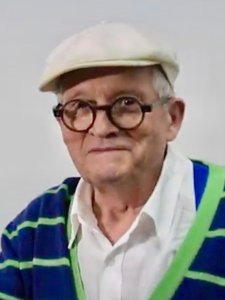
David Hockney
1937 - , Anglia
Krótka nota
- Artistic Movement Or Style: Pop Art
- Artists Or Movements Influenced By This Artist: ['Pauline Boty']
- Artists Who Influenced This Artist: ['Francis Bacon']
- Date Of Birth: 9 lipca 1937
- Full Name: David Hockney
- Nationality: Brytyjski
- Notable Artworks:
- A Bigger Splash
- Portrait of an Artist
- We Two Boys Together
- Place Of Birth: Bradford, Wielka Brytania
Powiązane artykuły

Crimson Threads of Narrative: Exploring Symbolism & Representation in Artworks Featuring the Red Dress
Explore the rich symbolism of the red dress in art history! From ancient power displays to iconic portraits like Cézanne’s 'Madame Cezanne', discover the cultural and artistic significance behind this captivating color. Expert analysis & insights.
Top 10 Sławnych Obrazów w Odcieniach Chromowej Zieleni – Sztuka i Dekoracja Domu
Odkryj 10 najsłynniejszych obrazów w odcieniach chromowej zieleni! Van Gogh, Monet, Renoir i inni mistrzowie. Poznaj historię sztuki, techniki malarskie i inspiracje kolorystyczne. Reprodukcje najwyższej jakości na OriginalUniqueArt.com – idealne do Twojego wnętrza.
Szmaragdowe Wizje: Symbolika i Estetyczny Wpływ Zieleni w Historii Sztuki
Odkryj fascynującą historię zieleni w sztuce! Poznaj symbolikę koloru od starożytności do współczesności, wpływ pigmentów i psychologię emocji. Ekspercka analiza dzieł sztuki na OriginalUniqueArt.
Top 10 słynnych obrazów w odcieniach kadmiowej zieleni – arcydzieła dla Twojego wnętrza
Odkryj 10 najsłynniejszych obrazów w odcieniach kadmiowej zieleni! Poznaj historie Monet, Van Gogha i Cézanne'a. Inspiracje wnętrzarskie i reprodukcje najwyższej jakości na OriginalUniqueArt.com.
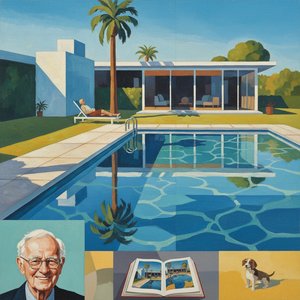
David Hockney: A Retrospective on Pop Art's Chronicler of Light, Space, and the Everyday
Explore the life & work of David Hockney, Pop Art's master chronicler. Discover his iconic paintings, Californian landscapes, and lasting influence on modern art. Expert analysis for collectors.


