

 Zobacz w skali 1:1
 Wyślij
 Udostępnij
 Szczegóły
 Przewodnik

 Pobierz plik obrazu
 Podobne obiekty
 RTG
RTG Pokaz slajdów
 Statystyki
Late spring tunnel


 Czytaj więcej
Dzieło sztuki prezentowane na tej stronie podlega ochronie prawem autorskim, co oznacza, że nie mamy prawa do tworzenia ani sprzedaży jego identycznej reprodukcji. Ochrona ta jest egzekwowana na mocy umów międzynarodowych, takich jak Konwencja berneńska oraz przez przepisy prawa krajowego, w tym te określone w Prawo autorskie USA – Tytuł 17.
Metoda ta jest w pełni zgodna z przepisami prawa autorskiego, ponieważ nie polega na kopiowaniu ani powielaniu chronionego dzieła. Stanowi ona kreatywną reinterpretację – nowy obraz, który czerpie inspirację z oryginału, ale nie jest z nim tożsamy.
Giclée / Wydruk artystyczny
Wydruki giclée lub płótna o jakości muzealnej, szybka realizacja i szeroki wybór opcji wykończenia. ( Kup ręcznie malowany obraz Przełącz na wersję cyfrową)




P118B zł10

P118H zł10

P118W zł10

P438Z zł10

P508JH zł12

P508YH zł12

P805H zł10

P805Z zł10

P919BZ zł10

P919G zł10

P919XJ zł10

P959ZH zł10

P968JZ zł12

W106C zł8

W218G zł10

W218JH zł8

W218Y zł10

W307PJ zł10

W316G zł10

W316PJ zł8

W316Y zł10

W398PJ zł8

W4111J zł10

W500HY zł15

W500JH zł15

W692G zł12

W849H zł8

W940BG zł15

W953PJ zł8




Wybierz spośród naszych standardowych rozmiarów, które zachowują oryginalne proporcje dzieła sztuki.

Możesz wprowadzić własne wymiary, aby dopasować dzieło do konkretnej ramy lub przestrzeni. Jeśli wybrany rozmiar nie będzie odpowiadał proporcjom oryginalnego obrazu, przytniecie dzieło lub rozszerzymy obraz za pomocą odbicia lustrzanego lub jednolitego wypełnienia krawędzi. Przed rozpoczęciem produkcji prześlemy cyfrową wizualizację do Twojej akceptacji.
Prosimy pamiętać, że podgląd na ekranie nie odzwierciedla faktycznego przycinania ani rozszerzania. Tylko wizualizacja dokładnie pokaże końcową kompozycję.
Mimo dostępności niestandardowych rozmiarów, zalecamy wybór wymiaru z listy zdefiniowanej, aby zachować oryginalne proporcje.
Dostawa na cały świat () w ciągu 2 tygodni zamiast standardowych 4/5 tygodni. (11 Październik)

Bezpłatna ekspresowa wysyłka na cały świat

Wysokiej jakości płótno lniane

Pełne ubezpieczenie transportowe

Gwarancja zwrotu należności celnych i podatków importowych

Gwarancja idealnego odwzorowania barw

100-dniowy okres na zwrot dzieła w przypadku wykrycia wad produkcyjnych

Gwarancja 100% zwrotu pieniędzy

Oferta przy zakupie wielu sztuk
 Opcja ze szkłem jest dostępna wyłącznie w rozmiarach poniżej 110 cm

Late spring tunnel
Giclée / Wydruk artystyczny
Rozmiar reprodukcji
-


Suma do zapłaty
zł 298
A Timeless Reverie: Late Spring Tunnel by David Hockney
This captivating depiction of a forest path, rendered with David Hockney’s signature vibrant palette and loose brushwork, invites the viewer into a moment of serene contemplation. The painting immediately draws the eye to the central pathway, winding through a dense woodland bathed in the soft light of late spring. Hockney masterfully captures the dappled effect of sunlight filtering through the leaves, creating an illusion of depth and movement that is both realistic and dreamlike. It’s not merely a landscape; it's an experience – a quiet invitation to step into nature’s embrace.
The Hockney Style: Observation and Joy
David Hockney’s artistic approach is fundamentally rooted in direct observation, often employing techniques that prioritize capturing the essence of a scene rather than meticulously replicating every detail. In “Late Spring Tunnel,” this is evident in his use of flattened perspective, simplified forms, and bold color choices. He frequently utilized acrylic paints on canvas, allowing for rapid application and layering – a technique perfectly suited to conveying the fleeting beauty of light and atmosphere. This style, born from his experiences photographing Yosemite National Park, reflects a joyful engagement with the world around him, seeking to distill complex visual information into its most essential elements.
Historical Context: British Modernism
Created during a pivotal period in British art – the mid-20th century – “Late Spring Tunnel” aligns itself with the broader movement of British Modernism. Following the austerity of post-war Britain, artists like Hockney sought to inject vibrancy and optimism into their work, often drawing inspiration from American Pop Art and Impressionism. Hockney’s early influences included Matisse and Picasso, but he quickly developed a distinctly personal style that blended these influences with his own unique vision. This painting represents a key moment in his evolution, showcasing his growing confidence and experimentation with color and form.
Symbolic Resonance: Path and Perspective
The winding path itself holds symbolic weight within the artwork. Paths frequently represent journeys – both literal and metaphorical – suggesting a progression through life or perhaps a search for meaning. The tunnel-like effect created by the trees further emphasizes this sense of transition, inviting the viewer to contemplate their own direction. Hockney’s deliberate use of perspective, subtly skewed yet undeniably present, adds another layer of complexity, prompting us to question our own perceptions and how we navigate the world around us. The overall feeling is one of quiet contemplation and a deep appreciation for the beauty of the natural world – a sentiment that resonates powerfully with viewers today.
Pytania i odpowiedzi
Któremu artyście przypisuje się "Late spring tunnel"?
Autorem dzieła „Late spring tunnel” jest David Hockney. Praca ta figuruje w katalogu pod nazwiskiem David Hockney.
Czy dzieło "Late spring tunnel" jest w ogólnym rozrachunku jaśniejsze czy ciemniejsze?
„Late spring tunnel” charakteryzuje się ogólną jasnością na poziomie balanced, a jej luminancja wynosi Gentle Luminance.
Gdzie mogę kupić wydruk „Late spring tunnel” autorstwa David Hockney?
„Late spring tunnel” jest dostępny jako szlachetna odbitka na płótnie bawełnianym lub archiwalnym papierze płótnopodobnym. Zamówienia można składać na ta strona, w wybranym przez Ciebie rozmiarze.
Czy „Late spring tunnel” autorstwa David Hockney to obraz, rysunek czy grafika?
"Late spring tunnel" to dzieło typu WallArt.
Kto sprzedaje ręcznie malowane reprodukcje dzieła „Late spring tunnel” autorstwa David Hockney?
„Late spring tunnel” jest dostępny jako ręcznie malowana reprodukcja olejowa na płótnie lnianym. Zamówienie można złożyć na ta strona, wybierając spośród dostępnych rozmiarów.
Z jakiego kraju pochodzi dzieło Pop Art pt. "Late spring tunnel"?
"Late spring tunnel" zostało stworzone przez David Hockney, urodzonego w Anglia, w ramach nurtu Pop Art. Pochodzenie artysty wiąże to dzieło z Pop Art w wydaniu twórców z Anglia.
Jakie emocje wywołuje „Late spring tunnel” autorstwa David Hockney?
Oddany w dziele nastrój „Late spring tunnel” autorstwa David Hockney to Serene, a jego ton emocjonalny to Calm.
Biografia artysty
A Life Painted in Light: The World of David Hockney
David Hockney, born July 9, 1937, in Bradford, England, is more than simply a painter; he’s a visual polymath whose career has spanned painting, drawing, printmaking, stage design, and photography. His story begins amidst the grit and determination of Bradford, a landscape that instilled within him a keen observational eye, even as his father, Kenneth Hockney, fostered a spirit of independent thought through conscientious objection during World War II. This early environment shaped a young artist who would consistently challenge conventions and forge his own path. Formal education at Wellington Primary School and Bradford Grammar School laid the foundation for a career that would redefine British art in the 20th and 21st centuries, culminating in studies at Bradford College of Art and later, the prestigious Royal College of Art in London. It was during these formative years that Hockney began to articulate a unique artistic voice, one that blended Pop sensibilities with a distinctly British perspective.The Rise of a Pop Icon and Beyond
The 1960s witnessed Hockney’s ascent as a pivotal figure within the burgeoning Pop Art movement. However, unlike some contemporaries who wholeheartedly embraced American commercial culture, Hockney brought a uniquely British sensibility to the genre. His work exploded with vibrant color and bold lines, depicting scenes that were both familiar and subtly subversive. A Bigger Splash (1966), perhaps his most iconic early piece, encapsulates this perfectly – a seemingly simple depiction of a swimming pool becomes a meditation on Californian leisure, artifice, and the very act of seeing. This wasn’t merely representation; it was an exploration of how we perceive reality. Critics noted Hockney's masterful use of color theory and perspective—techniques borrowed from Cubism—to create dynamic compositions that captured the immediacy of experience. His double portraits, like American Collectors (Fred and Marcia Weisman), demonstrate his remarkable ability to capture not just likeness but also the essence of personality and relationship. Hockney’s stylistic choices reflected a fascination with American culture while simultaneously grounding his work in British traditions. He skillfully employed techniques reminiscent of Surrealism—particularly juxtapositions of disparate elements—to provoke thought and challenge conventional interpretations.Experimentation, Innovation, and The Rescue Of Painting
Hockney's artistic curiosity has never been confined to a single medium. Throughout his career, he relentlessly experimented with new technologies and approaches. From his early embrace of lithography and etching to his later explorations of photography – particularly his use of Polaroid composites in the 1980s – Hockney consistently pushed the boundaries of what art could be. He famously declared painting wasn’t dead but needed “rescuing” from its own conventions, leading him to develop innovative techniques like perspective distortions and fragmented viewpoints. This desire to revitalize painting led to ambitious projects such as *Pearblossom Hwy., 11–18th April 1986*, a complex photomontage that challenged traditional notions of space and representation. Hockney’s meticulous attention to detail—evident in his preparatory sketches and finished canvases—underscored his commitment to mastering the craft of painting. He skillfully utilized optical illusions, mirroring developments in Impressionism and Futurism, demonstrating an understanding of artistic history and its influence on contemporary practice.Recognition, Legacy, And Enduring Influence
David Hockney’s contributions to the art world have been widely recognized throughout his illustrious career. He was appointed Order of the Companion of Honour (CH) in 2018, a testament to his profound impact on British culture. Prior to that, he was elected Fellow of the Royal Society (FRS) in 2003 and received the Laureate of the Praemium Imperiale for Painting in 2000. His works are held in major museum collections worldwide, and can be readily accessed through online platforms, ensuring his art continues to inspire new generations. Hockney’s influence extends beyond the visual arts; he has become a cultural icon, celebrated for his wit, intelligence, and unwavering commitment to artistic exploration. He remains an active force in the art world, continually challenging expectations and inspiring artists across disciplines. His enduring legacy rests on his ability to capture fleeting moments of beauty and emotion with unparalleled sensitivity—a feat achieved through masterful observation and innovative stylistic choices that continue to resonate with audiences today.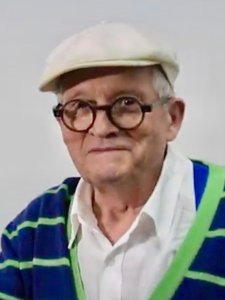
David Hockney
1937 - , Anglia
Najważniejsze informacje
- Artistic Movement Or Style: Pop Art
- Artists Or Movements Influenced By This Artist: ['Pauline Boty']
- Artists Who Influenced This Artist: ['Francis Bacon']
- Date Of Birth: 9 lipca 1937
- Full Name: David Hockney
- Nationality: Brytyjski
- Notable Artworks:
- A Bigger Splash
- Portrait of an Artist
- We Two Boys Together
- Place Of Birth: Bradford, Wielka Brytania
Zobacz także powiązane artykuły

Mastering the Line: A Comprehensive Expert Guide to Technical Precision and Expressive Depth in Drawing
Elevate your artistic practice with this expert guide to mastering the line. Discover advanced techniques in graphite, charcoal, and contour drawing designed for art students seeking technical precision and expressive depth in their fine art studies.
The Nuances of Graphite: Exploring Emotional Depth & Technical Mastery in Pencil Drawing
Explore the captivating world of graphite drawing! Discover its rich history, master essential techniques like chiaroscuro, and learn how artists evoke emotion through this timeless medium. Expert insights for art enthusiasts.

The Art of the Line: A Masterclass in Drawing Techniques and the Evolution of Graphic Expression
Explore the profound history of drawing techniques, from Dürer's precision to the alchemy of graphite. Discover how masters use line, weight, and contour to capture the human spirit in this expert guide to art history and technical mastery.
William Bradford: Navigating Faith, Landscape & Artistic Innovation in Early American Painting
Explore the captivating world of William Bradford, American Romanticist painter renowned for his dramatic Arctic seascapes & ship portraits. Discover his artistic evolution, influences, and lasting legacy with OriginalUniqueArt.
The Enduring Legacy of Printmaking: Techniques, Themes & Artistic Innovation Across Centuries
Explore the rich history of printmaking with OriginalUniqueArt. Discover techniques from intaglio to lithography, learn about collecting valuable prints & find museum-quality reproductions. Expert insights for art enthusiasts and collectors.


