

 Podgląd w skali 1:1
 Wyślij jako kartkę
 Udostępnij
 Szczegóły dzieła
 Przewodnik

 Pobierz obraz
 Podobne obiekty
 RTG
RTG Pokaz slajdów
 Statystyki
The Skylark


 Rozwiń treść
Ręcznie malowana reprodukcja olejowa
Ręcznie malowany obraz olejny na płótnie, wykonany na zamówienie przez naszych artystów w wybranym przez Ciebie wymiarze i oprawie. ( Przełącz na wydania drukowane Przejdź do wersji cyfrowej)




P118B zł10

P118H zł10

P118W zł10

P438Z zł10

P508JH zł12

P508YH zł12

P805H zł10

P805Z zł10

P919BZ zł10

P919G zł10

P919XJ zł10

P959ZH zł10

P968JZ zł12

W106C zł8

W218G zł10

W218JH zł8

W218Y zł10

W307PJ zł10

W316G zł10

W316PJ zł8

W316Y zł10

W398PJ zł8

W4111J zł10

W500HY zł15

W500JH zł15

W692G zł12

W849H zł8

W940BG zł15

W953PJ zł8




Wybierz spośród naszych standardowych rozmiarów, które zachowują oryginalne proporcje dzieła sztuki.

Wpisz wymaganą szerokość i wysokość, aby obraz pasował do Twojej ramy lub ściany. Ponieważ jest to dzieło malowane ręcznie, w przypadku rozmiaru o innych proporcjach artysta może domalować nieco więcej wokół obrazu lub przyciąć jego fragmenty — wybór należy do Ciebie. Przed rozpoczęciem pracy prześlemy Ci cyfrową wizualizację do zatwierdzenia. Obraz widoczny na tej stronie nie przedstawia rzeczywistego efektu — jedynie wizualizacja oddaje realny rezultat.
Po złożeniu zamówienia zespół OriginalUniqueArt.com skontaktuje się z klientem drogą mailową w celu uzyskania instrukcji i prześle wizualizację projektu
Dostawa na całym świecie () w ciągu 3–4 tygodni zamiast standardowych 5 tygodni. (26 Październik). Bez kompromisów w kwestii jakości.

Bezpłatna ekspresowa wysyłka na cały świat

Wysokiej jakości płótno lniane

Pełne ubezpieczenie przesyłki

Gwarancja zwrotu należności celnych i podatków importowych

Gwarancja wiernego odwzorowania kolorów

100-dniowa polityka zwrotów (tylko w przypadku wad)

Gwarancja 100% zwrotu pieniędzy

Zniżka przy zakupie wielu sztuk
 Opcja ze szkłem jest dostępna wyłącznie w rozmiarach poniżej 110 cm

The Skylark
Technika reprodukcji
Wymiary reprodukcji
-


Cena całkowita
zł 1343
A Vision of Tranquility: The Essence of The Skylark
In the vast tapestry of English landscape painting, few works capture the ephemeral beauty of the countryside with as much soul as David Cox’s The Skylark. Created in 1849, this masterpiece serves as a profound window into a serene, pastoral era, inviting the viewer to pause and breathe in the quietude of the rural landscape. The painting presents a sprawling field of grass that stretches toward a distant, hazy horizon, all under the watchful gaze of a soft, cloudy sky. Within this expansive vista, Cox introduces a sense of human connection through scattered figures—perhaps a family—positioned near a sturdy wooden fence in the middle ground. This deliberate arrangement creates a beautiful balance between the immense scale of nature and the intimate, shared moments of human life, establishing a composition that is as much about emotional harmony as it is about visual grandeur.
The technical execution of The Skylark reveals Cox’s mastery of the Birmingham School tradition, a style that prioritizes atmospheric truth over rigid topographical precision. Rather than relying on sharp, clinical lines, the artist employs loose, expressive brushstrokes that suggest form and texture through movement. A large, commanding tree anchors the left foreground, its foliage rendered with a rugged, tactile quality that contrasts beautifully against the softer, more blended strokes used for the sky. This interplay of textures creates a palpable sense of depth; as the eye moves toward the horizon, the landscape becomes paler and less defined, utilizing atmospheric perspective to evoke a feeling of infinite space. The color palette is a sophisticated study in muted tones—earthy browns, deep greens, and soft grevers—which work in concert with the diffused, overcast lighting to bathe the entire scene in a gentle, tranquil glow.
Symbolism and Emotional Resonance
Beyond its technical brilliance, The Skylark carries a profound symbolic weight that continues to captivate collectors and art enthusiasts alike. The very title suggests an upward gaze, a moment of sudden wonder as the viewer’s attention is drawn toward the heavens, mirroring the act of looking up at a bird in flight. This theme of observation and appreciation for the natural world imbes the work with a sense of spiritual peace. For the interior designer or art lover, the painting offers more than mere decoration; it provides an emotional anchor for a space. The lack of harsh shadows and the presence of soft, organic shapes—from the rounded clouds to the undulating fields—create an atmosphere of stability and calm. It is a piece that does not demand attention through spectacle, but rather earns it through a quiet, enduring grace, making it an ideal centerpiece for those seeking to infuse their surroundings with a sense of timelessness and pastoral beauty.
Pytania i odpowiedzi
Jaki kolor dominuje w kompozycji „The Skylark” – David Cox?
Dominującym kolorem dzieła „The Skylark” – David Cox jest Putty (#d3d6e0).
Czy dzieło „The Skylark” – David Cox, znajdujące się w zbiorach Birmingham Museum and Art Gallery, może być legalnie reprodukowane?
Dzieło „The Skylark” – David Cox, znajdujące się w zbiorach Birmingham Museum and Art Gallery, znajduje się w należy do domeny publicznej – autorskie prawa majątkowe wygasły. Status ten określa, czy możliwe jest tworzenie reprodukcji obrazu.
Czy „The Skylark” – David Cox znajduje się w domenie publicznej?
„The Skylark” – David Cox znajduje się w domenie publicznej (należy do domeny publicznej – autorskie prawa majątkowe wygasły). Status ten określa zasady reprodukcji obrazu tego dzieła.
Biografia artysty
David Cox (1783–1859): Pioneer of Atmospheric Landscape Painting
David Cox (1783–1859) stands as a monumental figure in British landscape painting, recognized not merely for his prolific output but for fundamentally reshaping artistic perception and establishing the Birmingham School’s distinctive aesthetic—a precursor to Impressionism that continues to inspire admiration. Born April 29th, 1783, in Deritend, Birmingham, Cox's formative years were steeped in the industrial dynamism of his hometown yet nurtured by a mother who instilled within him a profound appreciation for nature and artistic contemplation. This duality would become central to his lifelong creative vision.- Early Life and Training: Cox’s father was a blacksmith, grounding him in practical skills alongside fostering an early fascination with visual representation. He enrolled at Joseph Barber's Academy in Birmingham, where he encountered fellow students Charles Barber and William Radclyffe—influences that would shape his artistic sensibilities.
- The Influence of Barber’s Academy: Barber’s Academy instilled a disciplined approach to drawing and painting, emphasizing meticulous observation and technical precision. This foundational training proved invaluable as Cox embarked on his artistic journey.
A Journey into Welsh Landscapes and Artistic Evolution
Cox's artistic breakthrough arrived in 1805 with a transformative trip to Wales alongside Charles Barber. This expedition ignited within him an enduring passion for capturing the ethereal beauty of mountainous landscapes—a fascination that would permeate his oeuvre throughout his life. The dramatic interplay of light and shadow, characteristic of Welsh scenery, profoundly impacted Cox’s style, propelling him toward a more expressive and atmospheric approach. He began to experiment with looser brushwork and bolder color palettes, distancing himself from the prevailing academic conventions.Watercolor Mastery and Artistic Recognition
Cox quickly gained renown for his watercolor paintings, particularly those depicting rural scenes and architectural subjects. His meticulous technique—combining precise detail with subtle tonal gradations—allowed him to convey an unparalleled sense of atmosphere and emotion. He exhibited regularly at the Royal Academy from 1805 onwards, securing commissions from prominent patrons and establishing himself as a respected artist within London’s artistic circles.Legacy and Enduring Influence
Cox’s artistic legacy extends far beyond his individual paintings. He played a pivotal role in establishing British landscape painting as a distinct genre—moving away from purely topographical representations toward more subjective interpretations of nature imbued with spiritual resonance. His pioneering use of loose brushwork and vibrant color palettes anticipated the innovations of Impressionist painters, securing his position as a crucial precursor to this revolutionary artistic movement.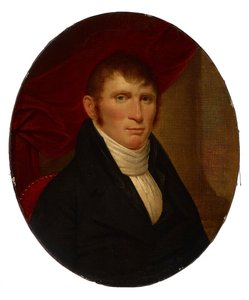
David Cox
1783 - 1859 , Anglia
Krótka nota
- Artistic Movement Or Style: Birmingham School
- Artists Or Movements Influenced By This Artist: ['Impressionizm']
- Artists Who Influenced This Artist:
- Dutch pejzownicy XVII wieku
- Konstantyn
- Date Of Birth: 29 kwietnia 1783
- Date Of Death: 7 czerwca 1859
- Full Name: David Cox
- Nationality: Brytyjski
- Notable Artworks:
- Rhyl Sands
- Cottage in Herefordshire
- Junction of the Severn and the Wye with Chepstow
- Place Of Birth: Birmingham, Anglia
Powiązane artykuły
Evoking Nature's Sublime: A Comprehensive Exploration of 19th-Century Landscape Painting
Explore the captivating world of 19th-century landscape painting! Discover renowned artists like Friedrich & Monet, key movements, and find the perfect artwork to bring nature's serenity into your home. Expert insights at OriginalUniqueArt.

David Cox the Elder: Landscape, Light & the Romantic Vision of Rural England
Explore the captivating landscapes of David Cox the Elder, a pivotal figure in British Romanticism. Discover his masterful watercolour techniques, enduring legacy & find timeless art for your home at OriginalUniqueArt.

10 Arcydzieł Impresjonizmu Krajobrazowego: Sztuka, Artyści i Dekoracje Wnetrz
Odkryj 10 arcydzieł impresjonizmu krajobrazowego! Poznaj historie Monet, Renoir i innych mistrzów. Inspiracje wnętrzarskie, techniki malarskie i reprodukcje obrazów najwyższej jakości na OriginalUniqueArt.com. Eksploruj pełną kolekcję online!

Romantyczny Krajobraz w Malarstwie: 10 Arcydzieł, Które Zdefiniowały Epokę | OriginalUniqueArt.com
Odkryj 10 arcydzieł romantyzmu w malarstwie! Poznaj historie Caspara Davida Friedricha, Turnera i innych mistrzów. Inspiracje wnętrzarskie & reprodukcje obrazów najwyższej jakości na OriginalUniqueArt.com. Eksploruj kolekcję online!

10 Arcydzieł Impresjonizmu Krajobrazowego, Które Zdefiniowały Sztukę
Odkryj 10 arcydzieł impresjonizmu krajobrazowego! Poznaj historie Moneta, Renoir'a i Van Gogha. Inspiracje wnętrzarskie, techniki malarskie i piękne reprodukcje obrazów na OriginalUniqueArt.com. Eksploruj kolekcję online!