

 Zobacz w skali 1:1
 Wyślij
 Udostępnij
 Szczegóły
 Przewodnik

 Pobierz plik obrazu
 Podobne obiekty
 RTG
RTG Pokaz slajdów
 Statystyki
The Night Train
 Acrylic On Canvas
- WallArt
- Romanticism
 1849
1849 280.0 x 380.0 cm
 City Art Gallery
 Czytaj więcej
Giclée / Wydruk artystyczny
Wydruki giclée lub płótna o jakości muzealnej, szybka realizacja i szeroki wybór opcji wykończenia. ( Kup ręcznie malowany obraz Przełącz na wersję cyfrową)




P118B zł10

P118H zł10

P118W zł10

P438Z zł10

P508JH zł12

P508YH zł12

P805H zł10

P805Z zł10

P919BZ zł10

P919G zł10

P919XJ zł10

P959ZH zł10

P968JZ zł12

W106C zł8

W218G zł10

W218JH zł8

W218Y zł10

W307PJ zł10

W316G zł10

W316PJ zł8

W316Y zł10

W398PJ zł8

W4111J zł10

W500HY zł15

W500JH zł15

W692G zł12

W849H zł8

W940BG zł15

W953PJ zł8




Wybierz spośród naszych standardowych rozmiarów, które zachowują oryginalne proporcje dzieła sztuki.

Wpisz wymaganą szerokość i wysokość, aby dopasować grafikę do ramy lub ściany. Wydruk można jedynie przyciąć, nigdy nie powiększając go poza oryginalny obraz, dlatego format o innym proporcji spowoduje utratę części kompozycji. Przed rozpoczęciem druku prześlemy Ci cyfrowy podgląd do zatwierdzenia. Obraz wyświetlany na tej stronie nie pokazuje rzeczywistego przycięcia — jedynie podgląd oddaje ten efekt.
Dostawa na cały świat () w ciągu 2 tygodni zamiast standardowych 4/5 tygodni. (20 Październik)

Bezpłatna ekspresowa wysyłka na cały świat

Wysokiej jakości płótno lniane

Pełne ubezpieczenie transportowe

Gwarancja zwrotu należności celnych i podatków importowych

Gwarancja idealnego odwzorowania barw

100-dniowy okres na zwrot dzieła w przypadku wykrycia wad produkcyjnych

Gwarancja 100% zwrotu pieniędzy

Oferta przy zakupie wielu sztuk
 Opcja ze szkłem jest dostępna wyłącznie w rozmiarach poniżej 110 cm

The Night Train
Giclée / Wydruk artystyczny
Rozmiar reprodukcji
-


Suma do zapłaty
zł 303
The Night Train: A Watercolor’s Evocative Journey
David Cox's "The Night Train," painted in 1849, isn’t merely a depiction of a locomotive traversing the countryside; it’s a profound meditation on movement, atmosphere, and the sublime power of nature. Created during a pivotal period of artistic evolution – bridging the Romantic era with nascent influences of Impressionism – this watercolor captures a fleeting moment imbued with both drama and tranquility. Cox, a key figure in the Birmingham School of painting, masterfully employed loose brushstrokes and a muted color palette to evoke not just what he saw, but how he *felt* observing the scene.
The composition immediately draws the eye into a dynamic landscape dominated by a swirling, almost turbulent sky. Dark, brooding clouds – rendered with remarkable sensitivity to light and shadow – press down upon the viewer, hinting at an impending storm while simultaneously illuminating the distant horizon. Below this dramatic expanse unfolds a rolling countryside, painted in washes of deep greens, browns, and blues. The artist’s technique is deliberately loose; individual brushstrokes are visible, contributing to the sense of movement and immediacy. This approach was revolutionary for its time, moving away from the rigid detail favored by earlier landscape painters.
A Glimpse into a Romantic Vision
“The Night Train” firmly resides within the Romantic tradition, a movement that prioritized emotion, imagination, and the awe-inspiring power of nature. Unlike the Neoclassical emphasis on reason and order, Romantic artists sought to capture subjective experiences – feelings of wonder, terror, and spiritual connection – in their work. Cox’s painting embodies this spirit perfectly. The train itself, a symbol of progress and industrialization, is presented not as a triumph but as an element within a larger, more ancient landscape. It's a reminder of humanity’s place within the vastness of nature.
The inclusion of figures on the train – two individuals observing the scene – adds another layer of interpretation. Are they travelers seeking adventure? Or perhaps simply observers contemplating the beauty and power of the natural world? Their presence invites the viewer to project their own experiences and emotions onto the scene, transforming it into a shared moment of contemplation.
Symbolism and Emotional Resonance
Beyond its immediate visual appeal, “The Night Train” is rich in symbolism. The train, as mentioned, represents progress but also carries an element of displacement – a journey away from familiar surroundings. The turbulent sky suggests both the potential for destruction and renewal, while the horses galloping across the foreground embody untamed energy and instinct. Cox’s masterful use of light and shadow creates a powerful emotional atmosphere, evoking feelings of mystery, anticipation, and perhaps even a touch of melancholy.
The painting's overall effect is one of profound beauty and quiet drama. It’s not simply a landscape; it’s an experience – a journey into the heart of nature’s power and the human spirit’s capacity for wonder. “The Night Train” remains a testament to David Cox’s artistic vision and his ability to capture the essence of a fleeting moment with remarkable skill and sensitivity.
Reproductions & Artistic Legacy
High-quality reproductions of “The Night Train” are available, offering art enthusiasts a chance to bring this evocative masterpiece into their homes. Considerations for framing should complement the painting’s atmospheric qualities – a simple, natural wood frame would best enhance its romantic feel. The watercolor's delicate washes and subtle details benefit from archival-quality paper and printing techniques to preserve its original beauty.
Cox’s influence extends beyond this single work; he is considered a precursor to Impressionism, paving the way for artists who sought to capture fleeting moments of light and color. Studying “The Night Train” provides valuable insight into the development of landscape painting and the enduring power of Romantic art.
Pytania i odpowiedzi
Jakie są rzeczywiste wymiary dzieła „The Night Train” autorstwa David Cox?
„The Night Train” w swojej oryginalnej formie ma wymiary 280 x 380 cm. Oryginalne wymiary stanowią pomocną wskazówkę przy wyborze rozmiaru reprodukcji.
Jaki rozmiar i orientacja są zalecane dla wydruku dzieła „The Night Train” autorstwa David Cox?
W przypadku "The Night Train" zalecanym formatem wydruku jest rozmiar Medium oraz orientacja Square.
Jaki nastrój ma "The Night Train"?
Nastrój dzieła „The Night Train” autorstwa David Cox opisuje się jako Romantic. Klasyfikacja ta może pomóc w dopasowaniu pracy do konkretnego wnętrza.
Biografia artysty
David Cox (1783–1859): Pioneer of Atmospheric Landscape Painting
David Cox (1783–1859) stands as a monumental figure in British landscape painting, recognized not merely for his prolific output but for fundamentally reshaping artistic perception and establishing the Birmingham School’s distinctive aesthetic—a precursor to Impressionism that continues to inspire admiration. Born April 29th, 1783, in Deritend, Birmingham, Cox's formative years were steeped in the industrial dynamism of his hometown yet nurtured by a mother who instilled within him a profound appreciation for nature and artistic contemplation. This duality would become central to his lifelong creative vision.- Early Life and Training: Cox’s father was a blacksmith, grounding him in practical skills alongside fostering an early fascination with visual representation. He enrolled at Joseph Barber's Academy in Birmingham, where he encountered fellow students Charles Barber and William Radclyffe—influences that would shape his artistic sensibilities.
- The Influence of Barber’s Academy: Barber’s Academy instilled a disciplined approach to drawing and painting, emphasizing meticulous observation and technical precision. This foundational training proved invaluable as Cox embarked on his artistic journey.
A Journey into Welsh Landscapes and Artistic Evolution
Cox's artistic breakthrough arrived in 1805 with a transformative trip to Wales alongside Charles Barber. This expedition ignited within him an enduring passion for capturing the ethereal beauty of mountainous landscapes—a fascination that would permeate his oeuvre throughout his life. The dramatic interplay of light and shadow, characteristic of Welsh scenery, profoundly impacted Cox’s style, propelling him toward a more expressive and atmospheric approach. He began to experiment with looser brushwork and bolder color palettes, distancing himself from the prevailing academic conventions.Watercolor Mastery and Artistic Recognition
Cox quickly gained renown for his watercolor paintings, particularly those depicting rural scenes and architectural subjects. His meticulous technique—combining precise detail with subtle tonal gradations—allowed him to convey an unparalleled sense of atmosphere and emotion. He exhibited regularly at the Royal Academy from 1805 onwards, securing commissions from prominent patrons and establishing himself as a respected artist within London’s artistic circles.Legacy and Enduring Influence
Cox’s artistic legacy extends far beyond his individual paintings. He played a pivotal role in establishing British landscape painting as a distinct genre—moving away from purely topographical representations toward more subjective interpretations of nature imbued with spiritual resonance. His pioneering use of loose brushwork and vibrant color palettes anticipated the innovations of Impressionist painters, securing his position as a crucial precursor to this revolutionary artistic movement.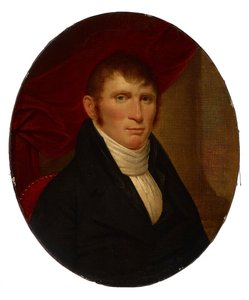
David Cox
1783 - 1859 , Anglia
Najważniejsze informacje
- Artistic Movement Or Style: Birmingham School
- Artists Or Movements Influenced By This Artist: ['Impressionizm']
- Artists Who Influenced This Artist:
- Dutch pejzownicy XVII wieku
- Konstantyn
- Date Of Birth: 29 kwietnia 1783
- Date Of Death: 7 czerwca 1859
- Full Name: David Cox
- Nationality: Brytyjski
- Notable Artworks:
- Rhyl Sands
- Cottage in Herefordshire
- Junction of the Severn and the Wye with Chepstow
- Place Of Birth: Birmingham, Anglia
Zobacz także powiązane artykuły

Ephemeral Visions: Exploring the Artistic Legacy & Nuances of Watercolor Painting
Explore the captivating world of watercolor painting! Discover its rich history, essential techniques, influential artists & collecting tips from art experts. A comprehensive guide for enthusiasts.

10 Legendarnych Akwareli, Które Zmieniły Sztukę. Inspiracje do Dekoracji Domu.
Odkryj 10 legendarnych akwareli Turner'a, Monet'a i innych mistrzów! Poznaj historie, techniki i inspiracje tych ponadczasowych dzieł. Reprodukcje obrazów najwyższej jakości na OriginalUniqueArt.com – idealne do dekoracji wnętrz.

Efemeryczne Wizje: Historia i Współczesna Praktyka Malarstwa Akwarelowego
Poznaj historię i techniki malarstwa akwarelowego! Odkryj inspiracje mistrzów, współczesne trendy oraz praktyczne porady dotyczące materiałów. Rozwiń swoją pasję z naszym przewodnikiem.

Efemeryczne Wizje: Historia i Emocjonalny Rezonans Malarstwa Akwarelowego
Odkryj fascynującą historię malarstwa akwarelowego! Poznaj techniki mistrzów, romantyczny nurt i współczesne trendy. Inspiracje do dekoracji wnętrz oraz możliwość personalizacji obrazów na OriginalUniqueArt.com.

David Cox the Elder: Landscape, Light & the Romantic Vision of Rural England
Explore the captivating landscapes of David Cox the Elder, a pivotal figure in British Romanticism. Discover his masterful watercolour techniques, enduring legacy & find timeless art for your home at OriginalUniqueArt.