

 Zobacz w skali 1:1
 Wyślij
 Udostępnij
 Szczegóły
 Przewodnik

 Pobierz plik obrazu
 Podobne obiekty
 RTG
RTG Pokaz slajdów
 Statystyki
Moonlight Landscape
 Acrylic On Canvas
- WallArt
- Romantic Landscape
 1850
1850 27.0 x 44.0 cm
 Yale Center for British Art
 Czytaj więcej
Ręcznie malowana reprodukcja olejowa
Ręcznie malowany obraz olejny na płótnie, wykonany na zamówienie przez naszych artystów w wybranym przez Ciebie wymiarze i oprawie. ( Przełącz na wersję drukowaną Przełącz na wersję cyfrową)




P118B zł10

P118H zł10

P118W zł10

P438Z zł10

P508JH zł12

P508YH zł12

P805H zł10

P805Z zł10

P919BZ zł10

P919G zł10

P919XJ zł10

P959ZH zł10

P968JZ zł12

W106C zł8

W218G zł10

W218JH zł8

W218Y zł10

W307PJ zł10

W316G zł10

W316PJ zł8

W316Y zł10

W398PJ zł8

W4111J zł10

W500HY zł15

W500JH zł15

W692G zł12

W849H zł8

W940BG zł15

W953PJ zł8




Wybierz spośród naszych standardowych rozmiarów, które zachowują oryginalne proporcje dzieła sztuki.

Wpisz wymaganą szerokość i wysokość, aby obraz pasował do Twojej ramy lub ściany. Ponieważ jest to dzieło malowane ręcznie, w przypadku rozmiaru o innym proporcji artysta może domalować nieco więcej wokół obrazu lub przyciąć fragmenty — wybór należy do Ciebie. Przed rozpoczęciem pracy prześlemy Ci cyfrową wizualizację do zatwierdzenia. Obraz widoczny na tej stronie nie przedstawia rzeczywistego efektu — jedynie wizualizacja oddaje realny rezultat.
Po złożeniu zamówienia zespół OriginalUniqueArt.com skontaktuje się z klientem drogą mailową w celu uzyskania instrukcji i prześle wizualizację projektu
Dostawa na całym świecie () w ciągu 3–4 tygodni zamiast standardowych 5 tygodni. (21 Październik). Bez kompromisów w kwestii jakości.

Bezpłatna ekspresowa wysyłka na cały świat

Wysokiej jakości płótno lniane

Pełne ubezpieczenie transportowe

Gwarancja zwrotu należności celnych i podatków importowych

Gwarancja idealnego odwzorowania barw

100-dniowy okres na zwrot dzieła w przypadku wykrycia wad produkcyjnych

Gwarancja 100% zwrotu pieniędzy

Oferta przy zakupie wielu sztuk
 Opcja ze szkłem jest dostępna wyłącznie w rozmiarach poniżej 110 cm

Moonlight Landscape
Technika wykonania
Rozmiar reprodukcji
-


Suma do zapłaty
zł 1139
David Cox’s Moonlight Landscape: A Symphony of Welsh Inspiration
The painting “Moonlight Landscape,” executed by David Cox in 1850, stands as a testament to the Romantic movement's fascination with capturing sublime beauty and conveying profound emotion. More than just a depiction of a mountain vista bathed in silvery light, it’s an immersive experience for the viewer—a carefully crafted meditation on nature’s grandeur and the human spirit’s yearning for transcendence.A Welsh Genesis: The Influence of Landscape Painting
Cox's journey to Wales in 1805 proved transformative, sparking a lifelong dedication to landscape painting that would define his artistic legacy. Accompanied by fellow artist Charles Barber, Cox embarked on sketching expeditions across Snowdonia National Park and its surrounding valleys. These excursions instilled within him an unwavering appreciation for the dramatic interplay of light and shadow—a technique he relentlessly pursued throughout his career. The rugged Welsh terrain served as a catalyst for Cox’s stylistic evolution, pushing him to explore expressive brushstrokes and vibrant color palettes that prioritized capturing atmospheric conditions over precise topographical accuracy. This deliberate departure from academic conventions aligned perfectly with the broader Romantic ethos, prioritizing feeling over reason and celebrating the untamed power of the natural world.Technique and Style: Watercolor's Delicate Embrace
“Moonlight Landscape” exemplifies Cox’s masterful command of watercolor—a medium he favored for its ability to achieve luminous effects and subtle tonal gradations. Layers upon layers of translucent washes create an ethereal quality, mimicking the diffused glow of moonlight filtering through clouds. The artist skillfully employed hatching and cross-hatching techniques to render the contours of the mountain peaks and valleys, subtly suggesting depth and texture without resorting to harsh lines. Cox’s palette leans heavily toward cool blues and greens—dominant hues reflecting the prevailing atmospheric conditions during his Welsh travels—but punctuated by warmer tones that illuminate patches of foliage and buildings. The resulting image possesses a remarkable sense of atmosphere, transporting the viewer into the heart of a tranquil yet invigorating evening scene.Symbolism Within Serenity: Reflections of Romantic Ideals
Beyond its technical brilliance, “Moonlight Landscape” resonates with symbolic significance rooted in Romantic ideals. The mountain itself represents permanence and resilience—a steadfast presence against which humanity’s fleeting existence is contrasted. The silvery moonlight symbolizes illumination—both literal and metaphorical—representing enlightenment and spiritual contemplation. Furthermore, the inclusion of two figures positioned near the center and right side subtly underscores the human element within this vast expanse of wilderness. These individuals serve as anchors for the viewer's gaze, inviting reflection on our relationship with nature and our quest for inner peace. Cox’s deliberate composition reinforces the Romantic preoccupation with capturing sublime beauty—a visual manifestation of awe and wonder—and conveying a profound sense of emotional resonance.Emotional Impact: Capturing the Sublime
Ultimately, “Moonlight Landscape” succeeds in evoking a powerful emotional response. The painting's tranquil atmosphere fosters a feeling of serenity and contemplation—drawing viewers inward as they absorb the scene’s luminous beauty. Yet, beneath this surface calm lies an underlying current of energy—a suggestion that nature possesses an untamed spirit capable of inspiring both awe and humility. Cox’s masterful rendering of light and shadow captures the sublime—that elusive quality described by Edmund Burke as eliciting terror mingled with pleasure—effectively conveying the Romantic belief in confronting overwhelming experiences to achieve spiritual insight. It remains a captivating piece, demonstrating Cox's ability to transform observation into emotive art.Pytania i odpowiedzi
W jaki sposób nurt i epoka przenikają się w „Moonlight Landscape” autorstwa David Cox?
„Moonlight Landscape” autorstwa David Cox przynależy do nurtu Romantic Landscape, tworząc w epoce – Wiek XIX swojego twórcy.
Czy mogę obejrzeć podgląd „Moonlight Landscape” autorstwa David Cox przed złożeniem zamówienia?
Strona podglądu Podgląd dla dzieła „Moonlight Landscape” umożliwia obejrzenie obrazu przed złożeniem zamówienia.
Jakie miejsce w dorobku twórczym David Cox zajmuje dzieło "Moonlight Landscape"?
"Moonlight Landscape" dzieli z innymi dziełami David Cox styl właściwy dla Romantic Landscape oraz powracające motywy: turner inspiration, pastoral idealism, victorian sentimentality, landscape genre, cox legacy.
Biografia artysty
David Cox (1783–1859): Pioneer of Atmospheric Landscape Painting
David Cox (1783–1859) stands as a monumental figure in British landscape painting, recognized not merely for his prolific output but for fundamentally reshaping artistic perception and establishing the Birmingham School’s distinctive aesthetic—a precursor to Impressionism that continues to inspire admiration. Born April 29th, 1783, in Deritend, Birmingham, Cox's formative years were steeped in the industrial dynamism of his hometown yet nurtured by a mother who instilled within him a profound appreciation for nature and artistic contemplation. This duality would become central to his lifelong creative vision.- Early Life and Training: Cox’s father was a blacksmith, grounding him in practical skills alongside fostering an early fascination with visual representation. He enrolled at Joseph Barber's Academy in Birmingham, where he encountered fellow students Charles Barber and William Radclyffe—influences that would shape his artistic sensibilities.
- The Influence of Barber’s Academy: Barber’s Academy instilled a disciplined approach to drawing and painting, emphasizing meticulous observation and technical precision. This foundational training proved invaluable as Cox embarked on his artistic journey.
A Journey into Welsh Landscapes and Artistic Evolution
Cox's artistic breakthrough arrived in 1805 with a transformative trip to Wales alongside Charles Barber. This expedition ignited within him an enduring passion for capturing the ethereal beauty of mountainous landscapes—a fascination that would permeate his oeuvre throughout his life. The dramatic interplay of light and shadow, characteristic of Welsh scenery, profoundly impacted Cox’s style, propelling him toward a more expressive and atmospheric approach. He began to experiment with looser brushwork and bolder color palettes, distancing himself from the prevailing academic conventions.Watercolor Mastery and Artistic Recognition
Cox quickly gained renown for his watercolor paintings, particularly those depicting rural scenes and architectural subjects. His meticulous technique—combining precise detail with subtle tonal gradations—allowed him to convey an unparalleled sense of atmosphere and emotion. He exhibited regularly at the Royal Academy from 1805 onwards, securing commissions from prominent patrons and establishing himself as a respected artist within London’s artistic circles.Legacy and Enduring Influence
Cox’s artistic legacy extends far beyond his individual paintings. He played a pivotal role in establishing British landscape painting as a distinct genre—moving away from purely topographical representations toward more subjective interpretations of nature imbued with spiritual resonance. His pioneering use of loose brushwork and vibrant color palettes anticipated the innovations of Impressionist painters, securing his position as a crucial precursor to this revolutionary artistic movement.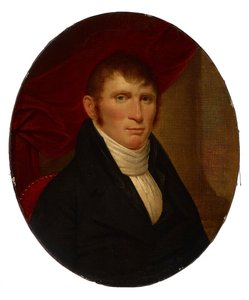
David Cox
1783 - 1859 , Anglia
Najważniejsze informacje
- Artistic Movement Or Style: Birmingham School
- Artists Or Movements Influenced By This Artist: ['Impressionizm']
- Artists Who Influenced This Artist:
- Dutch pejzownicy XVII wieku
- Konstantyn
- Date Of Birth: 29 kwietnia 1783
- Date Of Death: 7 czerwca 1859
- Full Name: David Cox
- Nationality: Brytyjski
- Notable Artworks:
- Rhyl Sands
- Cottage in Herefordshire
- Junction of the Severn and the Wye with Chepstow
- Place Of Birth: Birmingham, Anglia
Zobacz także powiązane artykuły

Romantyczny Krajobraz w Malarstwie: 10 Arcydzieł, Które Zdefiniowały Epokę | OriginalUniqueArt.com
Odkryj 10 arcydzieł romantyzmu w malarstwie! Poznaj historie Caspara Davida Friedricha, Turnera i innych mistrzów. Inspiracje wnętrzarskie & reprodukcje obrazów najwyższej jakości na OriginalUniqueArt.com. Eksploruj kolekcję online!

Efemeryczne Wizje: Historia i Emocjonalny Rezonans Malarstwa Akwarelowego
Odkryj fascynującą historię malarstwa akwarelowego! Poznaj techniki mistrzów, romantyczny nurt i współczesne trendy. Inspiracje do dekoracji wnętrz oraz możliwość personalizacji obrazów na OriginalUniqueArt.com.

Efemeryczne Wizje: Historia i Współczesna Praktyka Malarstwa Akwarelowego
Poznaj historię i techniki malarstwa akwarelowego! Odkryj inspiracje mistrzów, współczesne trendy oraz praktyczne porady dotyczące materiałów. Rozwiń swoją pasję z naszym przewodnikiem.

David Cox the Elder: Landscape, Light & the Romantic Vision of Rural England
Explore the captivating landscapes of David Cox the Elder, a pivotal figure in British Romanticism. Discover his masterful watercolour techniques, enduring legacy & find timeless art for your home at OriginalUniqueArt.

10 Legendarnych Akwareli, Które Zmieniły Sztukę. Inspiracje do Dekoracji Domu.
Odkryj 10 legendarnych akwareli Turner'a, Monet'a i innych mistrzów! Poznaj historie, techniki i inspiracje tych ponadczasowych dzieł. Reprodukcje obrazów najwyższej jakości na OriginalUniqueArt.com – idealne do dekoracji wnętrz.