
 Podgląd w skali 1:1
 Wyślij jako kartkę
 Udostępnij
 Szczegóły dzieła
 Przewodnik

 Pobierz obraz
 Podobne obiekty
 RTG
RTG Pokaz slajdów
 Q&A
Q&A Statystyki
Going to the Hayfield


 Rozwiń treść
Giclée / Wydruk artystyczny
Wydruki giclée lub płótna o jakości muzealnej, szybka realizacja i szeroki wybór opcji wykończenia. ( Zamów ręcznie malowaną reprodukcję Przejdź do wersji cyfrowej)




P118B zł10

P118H zł10

P118W zł10

P438Z zł10

P508JH zł12

P508YH zł12

P805H zł10

P805Z zł10

P919BZ zł10

P919G zł10

P919XJ zł10

P959ZH zł10

P968JZ zł12

W106C zł8

W218G zł10

W218JH zł8

W218Y zł10

W307PJ zł10

W316G zł10

W316PJ zł8

W316Y zł10

W398PJ zł8

W4111J zł10

W500HY zł15

W500JH zł15

W692G zł12

W849H zł8

W940BG zł15

W953PJ zł8




Wybierz spośród naszych standardowych rozmiarów, które zachowują oryginalne proporcje dzieła sztuki.

Wpisz wymaganą szerokość i wysokość, aby dopasować grafikę do ramy lub ściany. Wydruk można jedynie przyciąć, nigdy nie powiększając go poza oryginalny obraz, dlatego format o innych proporcjach spowoduje utratę części kompozycji. Przed rozpoczęciem druku prześlemy Ci cyfrowy podgląd do zatwierdzenia. Obraz wyświetlany na tej stronie nie pokazuje rzeczywistego przycięcia — jedynie podgląd oddaje ten efekt.
Dostawa na cały świat () w ciągu 2 tygodni zamiast standardowych 4/5 tygodni. (31 Październik)

Bezpłatna ekspresowa wysyłka na cały świat

Wysokiej jakości płótno lniane

Pełne ubezpieczenie przesyłki

Gwarancja zwrotu należności celnych i podatków importowych

Gwarancja wiernego odwzorowania kolorów

100-dniowa polityka zwrotów (tylko w przypadku wad)

Gwarancja 100% zwrotu pieniędzy

Zniżka przy zakupie wielu sztuk
 Opcja ze szkłem jest dostępna wyłącznie w rozmiarach poniżej 110 cm

Going to the Hayfield
Giclée / Wydruk artystyczny
Wymiary reprodukcji
-


Cena całkowita
zł 311
A Moment of Rural Tranquility: Exploring David Cox’s “Going to the Hayfield”
David Cox's "Going to the Hayfield," painted in 1849, isn’t merely a landscape; it’s a carefully constructed distillation of Romantic sensibility and a profound connection to the English countryside. This evocative piece, now beautifully reproduced, transports us to a specific moment – a quiet afternoon as figures journey towards a hayfield bathed in the diffused light of an overcast sky. Cox, a pivotal figure bridging the gap between earlier landscape traditions and the burgeoning Impressionism of his time, masterfully captures not just the visual elements but also the atmosphere and emotional resonance of rural life.
Cox’s style is distinctly Romantic, prioritizing mood and feeling over precise detail. He eschews sharp outlines and meticulous rendering in favor of loose, expressive brushstrokes that create a sense of movement and texture throughout the canvas. The painting feels less like a photographic representation and more like an emotional response to the scene – a memory imbued with tranquility and a subtle melancholy. The muted color palette—dominated by earthy greens, browns, and grays punctuated by hints of red in the figures’ clothing—further enhances this atmospheric effect, suggesting a timelessness that transcends any specific date or season.
Composition and Perspective: Framing a Pastoral Scene
The composition is deliberately horizontal, emphasizing the vast expanse of the sky which dominates nearly two-thirds of the canvas. This expansive view immediately establishes a sense of scale and invites the viewer to lose themselves in the landscape. A subtle foreground—a simple fence and patches of foliage—serves as a gentle guide, drawing our eye towards the middle ground where the figures are positioned. The low horizon line reinforces this feeling of openness and amplifies the drama of the sky. Cox skillfully employs atmospheric perspective; distant elements recede into a hazy blue distance, creating an illusion of depth and suggesting the immense scale of the countryside.
The placement of the figures – a small group riding horseback and walking alongside a fence – is crucial to the painting’s narrative. They are not imposing subjects but rather integrated seamlessly within the landscape, representing humanity's quiet interaction with nature. Their presence anchors the scene while simultaneously highlighting its inherent beauty and solitude.
Symbolism and Emotional Resonance: A Reflection of Romantic Ideals
“Going to the Hayfield” is rich in symbolic meaning, reflecting the core tenets of the Romantic movement. The overcast sky, often interpreted as a symbol of introspection or contemplation, lends a subtle melancholy to the scene. It’s not a bright, celebratory landscape; rather, it evokes a sense of quiet reflection and connection to something larger than oneself. The hayfield itself represents abundance and sustenance – a vital element of rural life and a reminder of nature's generosity. Cox’s choice of subject matter—a simple, everyday activity—elevates it to an artistic statement about the beauty and value of the natural world.
Technique and Materials: The Art of Layered Impressionism
Cox’s technique is characterized by a layering of colors applied with loose brushstrokes. He builds up the image gradually, creating a sense of depth and texture through subtle variations in tone and hue. The use of oil paint on canvas allows for rich color saturation and blending—essential to achieving the painting's atmospheric effect. The artist’s deliberate avoidance of sharp lines contributes to the overall feeling of softness and fluidity. It is a testament to Cox’s skill that this seemingly simple landscape feels so profoundly alive, capturing not just what he saw but also how he *felt* about it.
Pytania i odpowiedzi
Jakie emocje budzi „Going to the Hayfield” – David Cox?
Nastrój utrwalony w „Going to the Hayfield” – David Cox to Calm, a jego ton emocjonalny to Tranquil.
W jaki sposób styl dzieła "Going to the Hayfield" odnosi się do epoki jego twórcy?
"Going to the Hayfield" należy do nurtu Romantic Landscape Painting, a jego twórca tworzył w epoce – Wiek XIX.
Gdzie mogę obejrzeć „Going to the Hayfield” – David Cox w formie pokazu slajdów?
Prezentację slajdów utworu "Going to the Hayfield" można obejrzeć na stronie Prezentacja slajdów tego dzieła.
Biografia artysty
David Cox (1783–1859): Pioneer of Atmospheric Landscape Painting
David Cox (1783–1859) stands as a monumental figure in British landscape painting, recognized not merely for his prolific output but for fundamentally reshaping artistic perception and establishing the Birmingham School’s distinctive aesthetic—a precursor to Impressionism that continues to inspire admiration. Born April 29th, 1783, in Deritend, Birmingham, Cox's formative years were steeped in the industrial dynamism of his hometown yet nurtured by a mother who instilled within him a profound appreciation for nature and artistic contemplation. This duality would become central to his lifelong creative vision.- Early Life and Training: Cox’s father was a blacksmith, grounding him in practical skills alongside fostering an early fascination with visual representation. He enrolled at Joseph Barber's Academy in Birmingham, where he encountered fellow students Charles Barber and William Radclyffe—influences that would shape his artistic sensibilities.
- The Influence of Barber’s Academy: Barber’s Academy instilled a disciplined approach to drawing and painting, emphasizing meticulous observation and technical precision. This foundational training proved invaluable as Cox embarked on his artistic journey.
A Journey into Welsh Landscapes and Artistic Evolution
Cox's artistic breakthrough arrived in 1805 with a transformative trip to Wales alongside Charles Barber. This expedition ignited within him an enduring passion for capturing the ethereal beauty of mountainous landscapes—a fascination that would permeate his oeuvre throughout his life. The dramatic interplay of light and shadow, characteristic of Welsh scenery, profoundly impacted Cox’s style, propelling him toward a more expressive and atmospheric approach. He began to experiment with looser brushwork and bolder color palettes, distancing himself from the prevailing academic conventions.Watercolor Mastery and Artistic Recognition
Cox quickly gained renown for his watercolor paintings, particularly those depicting rural scenes and architectural subjects. His meticulous technique—combining precise detail with subtle tonal gradations—allowed him to convey an unparalleled sense of atmosphere and emotion. He exhibited regularly at the Royal Academy from 1805 onwards, securing commissions from prominent patrons and establishing himself as a respected artist within London’s artistic circles.Legacy and Enduring Influence
Cox’s artistic legacy extends far beyond his individual paintings. He played a pivotal role in establishing British landscape painting as a distinct genre—moving away from purely topographical representations toward more subjective interpretations of nature imbued with spiritual resonance. His pioneering use of loose brushwork and vibrant color palettes anticipated the innovations of Impressionist painters, securing his position as a crucial precursor to this revolutionary artistic movement.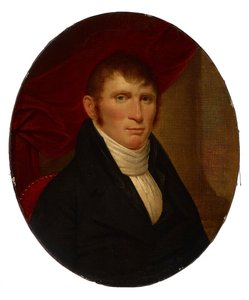
David Cox
1783 - 1859 , Anglia
Krótka nota
- Artistic Movement Or Style: Birmingham School
- Artists Or Movements Influenced By This Artist: ['Impressionizm']
- Artists Who Influenced This Artist:
- Dutch pejzownicy XVII wieku
- Konstantyn
- Date Of Birth: 29 kwietnia 1783
- Date Of Death: 7 czerwca 1859
- Full Name: David Cox
- Nationality: Brytyjski
- Notable Artworks:
- Rhyl Sands
- Cottage in Herefordshire
- Junction of the Severn and the Wye with Chepstow
- Place Of Birth: Birmingham, Anglia
Powiązane artykuły

Romantyczny Krajobraz w Malarstwie: 10 Arcydzieł, Które Zdefiniowały Epokę | OriginalUniqueArt.com
Odkryj 10 arcydzieł romantyzmu w malarstwie! Poznaj historie Caspara Davida Friedricha, Turnera i innych mistrzów. Inspiracje wnętrzarskie & reprodukcje obrazów najwyższej jakości na OriginalUniqueArt.com. Eksploruj kolekcję online!

John Constable: 25 Najlepszych Obrazów Mistrza Angielskiego Krajobrazu | OriginalUniqueArt
Odkryj 25 arcydzieł Johna Constable'a – mistrza angielskiego krajobrazu! Poznaj romantyczne pejzaże, technikę malarską i inspiracje z Dedham Vale. Reprodukcje obrazów najwyższej jakości na OriginalUniqueArt.com. Eksploruj pełną kolekcję online!

10 Legendarnych Akwareli, Które Zmieniły Sztukę. Inspiracje do Dekoracji Domu.
Odkryj 10 legendarnych akwareli Turner'a, Monet'a i innych mistrzów! Poznaj historie, techniki i inspiracje tych ponadczasowych dzieł. Reprodukcje obrazów najwyższej jakości na OriginalUniqueArt.com – idealne do dekoracji wnętrz.

David Cox the Elder: Landscape, Light & the Romantic Vision of Rural England
Explore the captivating landscapes of David Cox the Elder, a pivotal figure in British Romanticism. Discover his masterful watercolour techniques, enduring legacy & find timeless art for your home at OriginalUniqueArt.

Efemeryczne Wizje: Historia i Współczesna Praktyka Malarstwa Akwarelowego
Poznaj historię i techniki malarstwa akwarelowego! Odkryj inspiracje mistrzów, współczesne trendy oraz praktyczne porady dotyczące materiałów. Rozwiń swoją pasję z naszym przewodnikiem.