

 Zobacz w skali 1:1
 Wyślij
 Udostępnij
 Szczegóły
 Przewodnik

 Pobierz plik obrazu
 Podobne obiekty
 RTG
RTG Pokaz slajdów
 Statystyki
Sunset, the Bay, North Devon
 Oil
Oil- WallArt
- Post-Impressionism
 1946
1946- Modern
 61.0 x 76.0 cm
 Laing Art Gallery
 Czytaj więcej
Dzieło sztuki prezentowane na tej stronie podlega ochronie prawem autorskim, co oznacza, że nie mamy prawa do tworzenia ani sprzedaży jego identycznej reprodukcji. Ochrona ta jest egzekwowana na mocy umów międzynarodowych, takich jak Konwencja berneńska oraz przez przepisy prawa krajowego, w tym te określone w Prawo autorskie USA – Tytuł 17.
Metoda ta jest w pełni zgodna z przepisami prawa autorskiego, ponieważ nie polega na kopiowaniu ani powielaniu chronionego dzieła. Stanowi ona kreatywną reinterpretację – nowy obraz, który czerpie inspirację z oryginału, ale nie jest z nim tożsamy.
Giclée / Wydruk artystyczny
Wydruki giclée lub płótna o jakości muzealnej, szybka realizacja i szeroki wybór opcji wykończenia. ( Kup ręcznie malowany obraz Przełącz na wersję cyfrową)




P118B zł10

P118H zł10

P118W zł10

P438Z zł10

P508JH zł12

P508YH zł12

P805H zł10

P805Z zł10

P919BZ zł10

P919G zł10

P919XJ zł10

P959ZH zł10

P968JZ zł12

W106C zł8

W218G zł10

W218JH zł8

W218Y zł10

W307PJ zł10

W316G zł10

W316PJ zł8

W316Y zł10

W398PJ zł8

W4111J zł10

W500HY zł15

W500JH zł15

W692G zł12

W849H zł8

W940BG zł15

W953PJ zł8




Wybierz spośród naszych standardowych rozmiarów, które zachowują oryginalne proporcje dzieła sztuki.

Wpisz wymaganą szerokość i wysokość, aby dopasować grafikę do ramy lub ściany. Wydruk można jedynie przyciąć, nigdy nie powiększając go poza oryginalny obraz, dlatego format o innym proporcji spowoduje utratę części kompozycji. Przed rozpoczęciem druku prześlemy Ci cyfrowy podgląd do zatwierdzenia. Obraz wyświetlany na tej stronie nie pokazuje rzeczywistego przycięcia — jedynie podgląd oddaje ten efekt.
Dostawa na cały świat () w ciągu 2 tygodni zamiast standardowych 4/5 tygodni. (23 Październik)

Bezpłatna ekspresowa wysyłka na cały świat

Wysokiej jakości płótno lniane

Pełne ubezpieczenie transportowe

Gwarancja zwrotu należności celnych i podatków importowych

Gwarancja idealnego odwzorowania barw

100-dniowy okres na zwrot dzieła w przypadku wykrycia wad produkcyjnych

Gwarancja 100% zwrotu pieniędzy

Oferta przy zakupie wielu sztuk
 Opcja ze szkłem jest dostępna wyłącznie w rozmiarach poniżej 110 cm

Sunset, the Bay, North Devon
Giclée / Wydruk artystyczny
Rozmiar reprodukcji
-


Suma do zapłaty
zł 308
A Symphony of Light and Sea
In the quietude of 1946, David Bomberg captured a moment of profound serenity in Sunset, the Bay, North Devon. This evocative masterpiece serves as a window into a world where the elements of earth, water, and sky converge in a harmonious dance of color. The painting presents a breathtaking vista of the Devon coastline, where the vast expanse of the Atlantic meets a sky heavy with dramatic, swirling clouds. As the sun begins its descent, it casts a warm, golden glow across the horizon, illuminating the crests of gentle waves and turning the heavens into a canvas of vibrant oranges, deep purals, and soft ambers. The composition is masterfully balanced, leading the eye from the textured, grassy foreground—a grounded, tactile presence—out toward the infinite depth of the ocean, where small, distant boats float like silent witnesses to the day's end.
The technique employed in this work reflects Bomberg’s unique ability to blend structural form with emotional resonance. While his earlier years were marked by the rigorous experimentation of Cubism and Futurism, this mid-century piece showcases a more lyrical approach to landscape. The brushwork is purposeful and rich, creating a sense of movement within the clouds and a rhythmic pulse in the water. There is a palpable weight to the colors; they are not merely applied to the surface but seem to emanate from within the scene itself. For the discerning collector or interior designer, this painting offers a sophisticated interplay of light and shadow that can anchor a room, providing a focal point that is both intellectually stimulating and visually soothing.
Historical Resonance and Emotional Depth
To understand Sunset, the Bay, North Devon, one must consider the hand of David Bomberg, a pivotal figure in the British avant-garde. Having emerged from the influential 'Whitechapel Boys' circle and studied under the legendary Walter Sickert, Bomberg possessed a deep understanding of how to translate the raw energy of nature into structured art. By 1946, the world was emerging from the shadows of global conflict, and there is an undeniable sense of peace and reconstruction present in this coastal scene. The painting acts as a sanctuary, inviting the viewer to escape the complexities of human history and reconnect with the timeless, rhythmic cycles of the natural world.
Symbolically, the sunset represents more than just a temporal marker; it is a meditation on transition and the beauty found in endings. The contrast between the solid, verdant land and the fluid, ever-changing sea speaks to the duality of permanence and flux. For those looking to adorn a living space or a professional gallery, this reproduction offers an unparalleled emotional impact. It brings with it an atmosphere of tranquility and warmth, making it an ideal selection for creating an environment of reflection and grace. Owning such a piece is not merely about possessing a landscape; it is about inviting the enduring spirit of the English coast into one's personal sanctuary.
Pytania i odpowiedzi
Czy "Sunset, the Bay, North Devon" wykazuje silne kontrasty światłocienia?
Poziom kontrastu dzieła „Sunset, the Bay, North Devon” autorstwa David Bomberg wynosi Gentle.
Jakie są prawa do reprodukcji dzieła "Sunset, the Bay, North Devon" znajdującego się w Laing Art Gallery?
Dzieło „Sunset, the Bay, North Devon” autorstwa David Bomberg, znajdujące się w zbiorach Laing Art Gallery, znajduje się w nadal chronione prawem autorskim. Status ten określa, czy możliwe jest tworzenie reprodukcji obrazu.
Ilu użytkowników ogląda "Sunset, the Bay, North Devon"?
Strona Statystyki dzieła „Sunset, the Bay, North Devon” autorstwa David Bomberg przedstawia statystyki odwiedzin: miesięczną liczbę wyświetleń tego dzieła, porównanie z najczęściej oglądanymi pracami artysty oraz informacje o pochodzeniu odwiedzających.
Biografia artysty
Wczesne lata i edukacja artystyczna
- Urodzony: Birmingham, Wielka Brytania (5 grudnia 1890)
- Zmarł: Londyn, Wielka Brytania (19 sierpnia 1957)
- Jeden z „Whitechapel Boys” – grupy artystów z East Endu, która wyłoniła się na początku XX wieku.
Urodzony dla polskich żydowskich rodziców-imigrantów, Abrahama i Rebeki Bomberg, początkowo studiował w City and Guilds Technical Art School, zanim przeszedł szkolenie litograficzne w Birmingham.
Studiował pod okiem Waltera Sickerta w Westminster School of Art (1908-1als10), czerpiąc inspirację z koncentracji Sickerta na formie i życiu miejskim. Istotnym momentem było zetknięcie się z twórczością Paula Cézanne’a za sprawą wystawy Rogera Fry’a z 1910 roku pt. „Manet i postimpresjoniści”. Studiował również w Slade School of Art (1911), gdzie zdobył nagrodę Tonks Prize za rysunek przedstawiający jego kolegę ze studiów, Isaaca Rosenberga.
Lata awangardowe: Kubizm, futuryzm i kontrowersje
- W Slade Bomberg był częścią niezwykłego pokolenia, w skład którego wchodzili m.in. Mark Gertler, Stanley Spencer, C.R.W. Nevinson oraz Dora Carrington.
- Inspirację czerpał z londyńskich wystaw włoskich futurystów z 1912 roku oraz drugiej wystawy postimpresjonistycznej Fry’a (Picasso, Matisse, fowiści, Wyndham Lewis).
- Opracował charakterystyczny styl łączący kubizm i futuryzm – cechujący się geometrycznymi kompozycjami, ograniczoną paletą barw, kanciastymi postaciami i strukturami przypominającymi siatkę.
- Jego radykalne podejście doprowadziło do wydalenia ze Slade School of Art w 1913 roku, gdyż uznano je za zbyt śmiałe dla konwencjonalnych metod tej instytucji.
- Przez krótki czas był związany z Omega Workshops grupy Bloomsbury i wystawiał wraz z Camden Town Group. Wykazywał pokrewieństwo z ruchem wertycystów Wyndhama Lewisa, lecz pozostał niezależny, odmawiając pełnego zaangażowania.
Od wojny do pejzażu: Zmiana stylu
Doświadczenia żołnierza szeregowego podczas I wojny światowej głęboko wpłynęły na jego wizję artystyczną, prowadząc do odejścia od abstrakcji.
Lata 20. XX wieku przyniosły zmianę w stronę stylu bardziej figuralnego, skupionego na portretach i pejzażach malowanych bezpośrednio z natury. Rozwinął coraz bardziej ekspresjonistyczną technikę, charakteryzującą się bogatą fakturą impastu oraz emocjonalnym natężeniem.
Szerokie podróże przez Bliski Wschód (szczególnie Palestynę) oraz Europę znacząco wpłynęły na jego późniejszą twórczość. Jego przedstawienia Jerozolimy są szczególnie godne uwagi.
Późne lata i dziedzictwo
- W latach 1945–1953 wykładał w Borough Polytechnic (obecnie London South Bank University), kształtując pokolenie artystów, wśród których znaleźli się m.in. Frank Auerbach, Leon Kossoff, Philip Holmes, Cliff Holden, Edna Mann, Dorothy Mead, Gustav Metzger, Dennis Creffield, Cecil Bailey oraz Miles Richmond.
- Był żonaty z malarką pejzażową Lilian Holt.
- Mimo okresów względnego zapomnienia za życia, twórczość Bomberga w ostatnich dekadach zyskała coraz większe uznanie jako istotny wkład w brytyjską sztukę nowoczesną.
- Na jego cześć nazwano David Bomberg House na London South Bank University.
- Jego dziedzictwo tkwi w unikalnej syntezie europejskich ruchów awangardowych oraz późniejszym wypracowaniu potężnego, ekspresyjnego stylu pejzażowego, który oddawał istotę miejsca i ludzkiego doświadczenia.

David Bomberg
1890 - 1957 , Wielka Brytania
Najważniejsze informacje
- Artistic Movement Or Style:
- Kubizm
- Futuryzm
- Ekspresjonizm
- Artists Or Movements Influenced By This Artist:
- Frank Auerbach
- Leon Kossoff
- Artists Who Influenced This Artist:
- Paul Cézanne
- Walter Sickert
- Wyndham Lewis
- Date Of Birth: 5 grudnia 1890
- Date Of Death: 19 sierpnia 1957
- Full Name: David Garshen Bomberg
- Nationality: Brytyjska
- Notable Artworks:
- Autoportret (193ym)
- Kitty, siostra artysty (1929)
- Studium do obrazu
- Jerozolima
- Place Of Birth: Birmingham, Zjednoczone Królestwo
Zobacz także powiązane artykuły
Golden Hours: Sunset Motifs in Western Art History
Explore the captivating history of sunset motifs in Western art! Discover iconic paintings by Monet, Van Gogh & Kuindzhi. Learn about Romanticism, Impressionism & collecting these timeless masterpieces. Expert insights at OriginalUniqueArt.
The Allure of the Horizon: A Comprehensive Exploration of Seascape Art Through History & Emotion
Explore the captivating world of seascape art! Discover its history, key artists & movements – from Dutch Masters to Impressionism. Expert insights for collectors and enthusiasts at OriginalUniqueArt.
10 Arcydzieł Sztuki Opowiadających o Spokoju i Harmoni – OriginalUniqueArt.com
Odkryj 10 arcydzieł sztuki, które emanują spokojem i harmonią. Poznaj historie Monet, Van Gogha i innych mistrzów oraz ich techniki malarskie. Znajdź inspiracje do wnętrz i reprodukcje obrazów najwyższej jakości na OriginalUniqueArt.com
Marianne North: 25 Najpiękniejszych Obrazów Botanicznych i Krajobrazów – Kolekcja OriginalUniqueArt
Odkryj 25 fascynujących obrazów Marianne North – wiktoriańskiej artystki i botaniczki. Egzotyczne krajobrazy, kolorowe kwiaty i inspiracje wnętrzarskie. Reprodukcje najwyższej jakości na OriginalUniqueArt.com! Poznaj pełną kolekcję online.
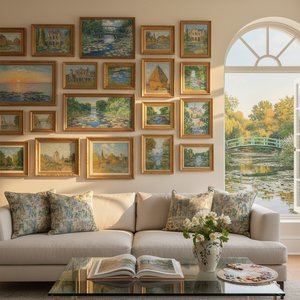
Claude Monet: 25 Najlepszych Arcydzieł Impresjonizmu | Reprodukcje Obrazów Online
Odkryj 25 najpiękniejszych arcydzieł Claude Moneta – impresjonistycznych pejzaży, nymfeii i słonecznych krajobrazów. Poznaj historię sztuki i zainspiruj się do dekoracji wnętrz z OriginalUniqueArt.com! Eksploruj pełną kolekcję online.


