

 Zobacz w skali 1:1
 Wyślij
 Udostępnij
 Szczegóły
 Przewodnik

 Pobierz plik obrazu
 Podobne obiekty
 RTG
RTG Pokaz slajdów
 Statystyki
Ronda Bridge, Spain
 Oil On Panel
- Modernism
 1935
1935- Modern
 32.0 x 41.0 cm
 Pallant House Gallery
 Czytaj więcej
Dzieło sztuki prezentowane na tej stronie podlega ochronie prawem autorskim, co oznacza, że nie mamy prawa do tworzenia ani sprzedaży jego identycznej reprodukcji. Ochrona ta jest egzekwowana na mocy umów międzynarodowych, takich jak Konwencja berneńska oraz przez przepisy prawa krajowego, w tym te określone w Prawo autorskie USA – Tytuł 17.
Metoda ta jest w pełni zgodna z przepisami prawa autorskiego, ponieważ nie polega na kopiowaniu ani powielaniu chronionego dzieła. Stanowi ona kreatywną reinterpretację – nowy obraz, który czerpie inspirację z oryginału, ale nie jest z nim tożsamy.
Giclée / Wydruk artystyczny
Wydruki giclée lub płótna o jakości muzealnej, szybka realizacja i szeroki wybór opcji wykończenia. ( Kup ręcznie malowany obraz Przełącz na wersję cyfrową)




P118B zł10

P118H zł10

P118W zł10

P438Z zł10

P508JH zł12

P508YH zł12

P805H zł10

P805Z zł10

P919BZ zł10

P919G zł10

P919XJ zł10

P959ZH zł10

P968JZ zł12

W106C zł8

W218G zł10

W218JH zł8

W218Y zł10

W307PJ zł10

W316G zł10

W316PJ zł8

W316Y zł10

W398PJ zł8

W4111J zł10

W500HY zł15

W500JH zł15

W692G zł12

W849H zł8

W940BG zł15

W953PJ zł8




Wybierz spośród naszych standardowych rozmiarów, które zachowują oryginalne proporcje dzieła sztuki.

Wpisz wymaganą szerokość i wysokość, aby dopasować grafikę do ramy lub ściany. Wydruk można jedynie przyciąć, nigdy nie powiększając go poza oryginalny obraz, dlatego format o innym proporcji spowoduje utratę części kompozycji. Przed rozpoczęciem druku prześlemy Ci cyfrowy podgląd do zatwierdzenia. Obraz wyświetlany na tej stronie nie pokazuje rzeczywistego przycięcia — jedynie podgląd oddaje ten efekt.
Dostawa na cały świat () w ciągu 2 tygodni zamiast standardowych 4/5 tygodni. (23 Październik)

Bezpłatna ekspresowa wysyłka na cały świat

Wysokiej jakości płótno lniane

Pełne ubezpieczenie transportowe

Gwarancja zwrotu należności celnych i podatków importowych

Gwarancja idealnego odwzorowania barw

100-dniowy okres na zwrot dzieła w przypadku wykrycia wad produkcyjnych

Gwarancja 100% zwrotu pieniędzy

Oferta przy zakupie wielu sztuk
 Opcja ze szkłem jest dostępna wyłącznie w rozmiarach poniżej 110 cm

Ronda Bridge, Spain
Giclée / Wydruk artystyczny
Rozmiar reprodukcji
-


Suma do zapłaty
zł 307
A Masterpiece of Structure and Spirit
In the evocative oil on panel titled Ronda Bridge, Spain, created in 1935, the viewer is transported to a moment where human architectural triumph meets the raw, untamed majesty of the Spanish landscape. David Bomberg, a pivotal figure of the British avant-garde, captures the iconic Puente Nuevo not merely as a static monument, but as a living component of the earth itself. The bridge spans the entire width of the composition, acting as a powerful horizontal anchor that connects the rugged cliffs and deep ravines. Through his masterful use of rich, vibrant colors, Bomberg breathes life into the scene, creating an atmosphere that feels both monumental and intimately human.
The painting serves as a profound dialogue between the permanence of stone and the fleeting nature of life. Within this sweeping vista, small figures are scattered across the landscape—some lingering near the bridge's edge, others traversing the distant paths. The inclusion of a solitary dog in the foreground adds a touch of domestic warmth to the grand scale of the mountains, grounding the epic scenery in a relatable, everyday reality. This juxtaposition invites the observer to contemplate our own place within the vastness of nature and the enduring legacies we build through architecture.
Technique and the Artist's Vision
Bomberg’s technique in this 1935 work showcases his ability to synthesize structural precision with expressive vitality. As a member of the influential 'Whitechapel Boys,' Bomberg was deeply moved by the lessons of Post-Impressionism, particularly the structural integrity found in the works of Cézanne. In Ronda Bridge, Spain, one can observe this influence through the meticulous detail applied to the bridge's intricate masonry and the rhythmic arrangement of the surrounding mountainous terrain. The oil on panel medium allows for a depth of color that resonates with a certain luminous energy, making the landscape appear as though it is pulsing with light.
The artist’s brushwork avoids mere imitation of reality; instead, it seeks to capture the essence of form and weight. Every stroke contributes to a sense of tectonic strength, where the heavy stone of the bridge feels inseparable from the geological layers of the Spanish mountains. For the discerning collector or interior designer, this piece offers more than just a scenic view; it provides a sophisticated focal point that commands attention through its balance of complexity and harmony.
An Inspiration for Modern Interiors
For those looking to curate a space with depth and historical resonance, this reproduction of Bomberg’s work offers an unparalleled opportunity. The painting's grand scale and dramatic subject matter make it an ideal centerpiece for a gallery wall or a standalone statement piece in a contemporary living room or study. Its ability to evoke a sense of wanderlust and architectural awe allows it to complement various design aesthetics, from classical European elegance to modern minimalist settings.
Owning a high-quality reproduction of such a significant work means bringing a piece of art history into the home. The vibrant palette and the dramatic interplay of light and shadow within Ronda Bridge, Spain can transform a room, providing a window into a world where the grandeur of human achievement and the splendor of the natural world exist in perfect, breathtaking equilibrium.
Pytania i odpowiedzi
Czy mogę obejrzeć "Ronda Bridge, Spain" w formie pełnoekranowej prezentacji slajdów?
Prezentację slajdów dzieła "Ronda Bridge, Spain" można obejrzeć na stronie Pokaz slajdów tego utworu.
Czy mogę zobaczyć „Ronda Bridge, Spain” autorstwa David Bomberg w różnym oświetleniu?
Strona Prześwietlenie dzieła „Ronda Bridge, Spain” autorstwa David Bomberg to interaktywny podgląd, który pozwala na przesuwanie jedenastu warstw optycznych obrazu, w tym widok w stylu rentgenowskim.
Do czego sugerowane jest wykorzystanie „Ronda Bridge, Spain” autorstwa David Bomberg?
Reprodukcja dzieła „Ronda Bridge, Spain” autorstwa David Bomberg jest polecana do Focal. Sugestia ta wynika z tematyki, nastroju oraz kolorystyki pracy.
Biografia artysty
Wczesne lata i edukacja artystyczna
- Urodzony: Birmingham, Wielka Brytania (5 grudnia 1890)
- Zmarł: Londyn, Wielka Brytania (19 sierpnia 1957)
- Jeden z „Whitechapel Boys” – grupy artystów z East Endu, która wyłoniła się na początku XX wieku.
Urodzony dla polskich żydowskich rodziców-imigrantów, Abrahama i Rebeki Bomberg, początkowo studiował w City and Guilds Technical Art School, zanim przeszedł szkolenie litograficzne w Birmingham.
Studiował pod okiem Waltera Sickerta w Westminster School of Art (1908-1als10), czerpiąc inspirację z koncentracji Sickerta na formie i życiu miejskim. Istotnym momentem było zetknięcie się z twórczością Paula Cézanne’a za sprawą wystawy Rogera Fry’a z 1910 roku pt. „Manet i postimpresjoniści”. Studiował również w Slade School of Art (1911), gdzie zdobył nagrodę Tonks Prize za rysunek przedstawiający jego kolegę ze studiów, Isaaca Rosenberga.
Lata awangardowe: Kubizm, futuryzm i kontrowersje
- W Slade Bomberg był częścią niezwykłego pokolenia, w skład którego wchodzili m.in. Mark Gertler, Stanley Spencer, C.R.W. Nevinson oraz Dora Carrington.
- Inspirację czerpał z londyńskich wystaw włoskich futurystów z 1912 roku oraz drugiej wystawy postimpresjonistycznej Fry’a (Picasso, Matisse, fowiści, Wyndham Lewis).
- Opracował charakterystyczny styl łączący kubizm i futuryzm – cechujący się geometrycznymi kompozycjami, ograniczoną paletą barw, kanciastymi postaciami i strukturami przypominającymi siatkę.
- Jego radykalne podejście doprowadziło do wydalenia ze Slade School of Art w 1913 roku, gdyż uznano je za zbyt śmiałe dla konwencjonalnych metod tej instytucji.
- Przez krótki czas był związany z Omega Workshops grupy Bloomsbury i wystawiał wraz z Camden Town Group. Wykazywał pokrewieństwo z ruchem wertycystów Wyndhama Lewisa, lecz pozostał niezależny, odmawiając pełnego zaangażowania.
Od wojny do pejzażu: Zmiana stylu
Doświadczenia żołnierza szeregowego podczas I wojny światowej głęboko wpłynęły na jego wizję artystyczną, prowadząc do odejścia od abstrakcji.
Lata 20. XX wieku przyniosły zmianę w stronę stylu bardziej figuralnego, skupionego na portretach i pejzażach malowanych bezpośrednio z natury. Rozwinął coraz bardziej ekspresjonistyczną technikę, charakteryzującą się bogatą fakturą impastu oraz emocjonalnym natężeniem.
Szerokie podróże przez Bliski Wschód (szczególnie Palestynę) oraz Europę znacząco wpłynęły na jego późniejszą twórczość. Jego przedstawienia Jerozolimy są szczególnie godne uwagi.
Późne lata i dziedzictwo
- W latach 1945–1953 wykładał w Borough Polytechnic (obecnie London South Bank University), kształtując pokolenie artystów, wśród których znaleźli się m.in. Frank Auerbach, Leon Kossoff, Philip Holmes, Cliff Holden, Edna Mann, Dorothy Mead, Gustav Metzger, Dennis Creffield, Cecil Bailey oraz Miles Richmond.
- Był żonaty z malarką pejzażową Lilian Holt.
- Mimo okresów względnego zapomnienia za życia, twórczość Bomberga w ostatnich dekadach zyskała coraz większe uznanie jako istotny wkład w brytyjską sztukę nowoczesną.
- Na jego cześć nazwano David Bomberg House na London South Bank University.
- Jego dziedzictwo tkwi w unikalnej syntezie europejskich ruchów awangardowych oraz późniejszym wypracowaniu potężnego, ekspresyjnego stylu pejzażowego, który oddawał istotę miejsca i ludzkiego doświadczenia.

David Bomberg
1890 - 1957 , Wielka Brytania
Najważniejsze informacje
- Artistic Movement Or Style:
- Kubizm
- Futuryzm
- Ekspresjonizm
- Artists Or Movements Influenced By This Artist:
- Frank Auerbach
- Leon Kossoff
- Artists Who Influenced This Artist:
- Paul Cézanne
- Walter Sickert
- Wyndham Lewis
- Date Of Birth: 5 grudnia 1890
- Date Of Death: 19 sierpnia 1957
- Full Name: David Garshen Bomberg
- Nationality: Brytyjska
- Notable Artworks:
- Autoportret (193ym)
- Kitty, siostra artysty (1929)
- Studium do obrazu
- Jerozolima
- Place Of Birth: Birmingham, Zjednoczone Królestwo
Zobacz także powiązane artykuły

Trwała Spuścizna Malarstwa Olejnego: Technika, Historia i Współczesna Praktyka
Poznaj historię i techniki malarstwa olejnego. Poradniki dla artystów, informacje o konserwacji oraz możliwość zamówienia wysokiej jakości reprodukcji obrazów. Ekspercka wiedza i gwarancja trwałości dzieł sztuki.
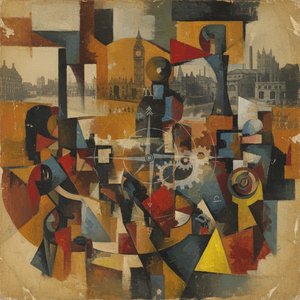
David Bomberg: Reassessing the Pioneering Spirit of Early British Abstraction
Explore the groundbreaking work of David Bomberg, a pivotal figure in British abstraction. Discover his artistic evolution, influences, and lasting legacy through insightful analysis & expert commentary.

The Enduring Power of Painting: A Historical & Contemporary Exploration of Form and Emotion
Explore the rich history & enduring techniques of oil painting with OriginalUniqueArt. Discover masterpieces, learn about art collecting, and find authentic handmade reproductions crafted by skilled artists.

Olej na płótnie: Historia, techniki i ponadczasowy urok malarskiego medium
Poznaj historię i techniki malarstwa olejowego! Od renesansowych mistrzów po współczesne zastosowania – wszystko o oleju na płótnie. Poradniki, konserwacja i inspiracje dla pasjonatów sztuki.

Trwała Spuścizna Malarstwa Olejnego: Technika, Historia i Estetyczny Wpływ
Poznaj historię i technikę malarstwa olejnego! Eksperckie artykuły o konserwacji, renowacji oraz współczesnych zastosowaniach. Dowiedz się więcej o mistrzach i trwałości obrazów olejnych.


