Cubist Landscape · 1934
Cuenca (David Bomberg, 1934)
David Bomberg (1890–1957) stworzył Cuenca. Dzieło pochodzi z 1934. Należy do nurtu Cubist Landscape. Wykonano w technice Oil On Canvas. Przechowywane jest w Walker Art Gallery w Liverpool, Wielka Brytania. Wymiary to 32 × 40 cm.
- 1934
- Oil On Canvas
- 32 × 40 cm
- Walker Art Gallery, Liverpool

 Podgląd w skali 1:1

 Ręcznie malowany obraz olejny
 Wyślij jako kartkę
 Udostępnij
 Karta informacyjna


 Pobierz obraz
 Podobne obiekty
 RTG
 Pokaz slajdów
 Pytania i odpowiedzi

 Statystyki
Cuenca w skrócie
- Tytuł
- Cuenca
- Artysta
- David Bomberg (1890–1957)
- Miejsce urodzenia artysty
- Birmingham, Wielka Brytania
- Data powstania
- 1934
- Technika wykonania
- Oil On Canvas
- Wymiary
- 32 × 40 cm
- Gdzie można je zobaczyć
- Walker Art Gallery, Liverpool, Wielka Brytania
- Ruch
- Cubist Landscape
- Epoka
- Modern
- Temat
- mountainscape, landscapepainting, britishart, bombergstyle, early20thcentury, cubistinfluence
Co przedstawia Cuenca?
A Mountain Reverie: The Soul of Cuenca
In his 1934 masterpiece, Cuenca, David Bomberg invites the viewer into a profound meditation on solitude and the enduring resilience of life amidst the overwhelming grandeur of nature. This oil on canvas transcends a mere topographical record of a Spanish hillside; it is an evocative window into a landscape where human presence and geological majesty exist in a delicate, poetic tension. The painting captures a panoramic view of a town nestled precariously yet harmoniously upon a rugged slope, where humble dwellings are scattered like quiet thoughts across the vast, undulating terrain. Through his masterful command of the medium, Bomberg distills the essence of this mountainous vista, offering an experience that is as much about emotional depth as it is about visual splendor.
The composition is anchored by a sense of monumental scale, with towering mountains dominating the horizon and creating a backdrop of immense power. In the foreground, trees punctuate the view, providing essential textural contrast and guiding the eye into the expansive scene. The sky, draped in soft, cloudy layers, lends an atmospheric weight to the work, suggesting the shifting moods of a mountain climate. This deliberate framing creates a captivating dialogue between the intimacy of the human settlement and the infinite scale of the natural world, fostering a contemplative space where themes of permanence and vulnerability intertwine.
Technique and the Language of Form
Rooted in the transformative principles of Modernism, Cuenca showcases Bomberg’s sophisticated engagement with the legacies of Cubism and the structural insights of Cézanne. The artist employs a technique that prioritizes geometric simplification and multiple perspectives to sculpt spatial depth within the landscape. Rather than relying on rigid outlines, he utilizes loose, expressive brushstrokes that capture the very dynamism of the mountain air, imbuing the scene with a palpable sense of movement and life. This fluid application of paint allows the forms of the mountains and buildings to emerge organically from the canvas.
The color palette is masterfully restrained, leaning toward muted, earthy tones—predominantly rich browns and deep greens—that reflect the subdued, soulful hues characteristic of an autumnal landscape. Bomberg’s skillful use of tonal gradations allows him to define mass and volume, creating a sense of "the artist's consciousness of mass." This approach ensures that every element, from the smallest stone structure to the most distant peak, possesses a physical presence that feels both grounded and ethereal. For the discerning collector or interior designer, this work offers a sophisticated interplay of texture and tone, making it a timeless addition to any curated space.
Historical Resonance and Emotional Impact
To understand Cuenca is to understand a pivotal moment in Bomberg’s artistic evolution. Created during a period when the artist was moving away from the radical, fractured geometries of his earlier Cubo-Futurist years, this work represents a return to an aesthetic rooted in nature and organic form. The trauma of the First World War and the subsequent shift toward a more figurative, landscape-driven style are palpable here; there is a search for the sublime within the natural world that replaces the mechanical fervor of his youth. The painting reflects a period of profound transition, where the artist sought to realize the poetry found in mankind's contemplation of nature.
The emotional impact of the piece lies in its ability to evoke a sense of quiet awe. It is a work that speaks to the heart of anyone moved by the beauty of the untamed world and the quiet strength of those who inhabit it. Whether viewed as a study of light and shadow or as a symbolic representation of human endurance, Cuenca remains a visually arresting composition. For those seeking to bring a sense of historical depth and tranquil majesty into their surroundings, this reproduction serves as a powerful testament to Bomberg’s ability to capture the very breath of the landscape.
W którym muzeum znajduje się Cuenca?
Walker Art Gallery
Liverpool, Wielka Brytania
Historia Walker Art Gallery Początki tej niezwykłej kolekcji sięgają 1819 roku, kiedy to Liverpool Royal Institution nabyło pierwsze 37 obrazów. To pierwotne zgromadzenie stało się fundamentem dla zbiorów, które przez kolejne dziesięciolecia nieustannie i z niezwykłą regularnością wzbogacały się o nowe dzieła. Walker Art Gallery to instytucja o randze Grade II*, będąca obecnie dumnym członkiem grupy National Museums Liverpool.


Zdjęcia w wysokiej rozdzielczości dzieła Cuenca

Protected by copyright: these files are for personal reference, not a licence to republish.
David Bomberg, Cuenca (1934), Walker Art Gallery.
Odpowiedzi na pytania dotyczące Cuenca
Gdzie można obecnie zobaczyć dzieło „Cuenca” – David Bomberg?
Oryginał dzieła „Cuenca” można zobaczyć w Walker Art Gallery, Liverpool, Wielka Brytania.
W którym roku powstało dzieło „Cuenca” – David Bomberg?
„Cuenca” – David Bomberg powstało w 1934.
W jakiej technice wykonano „Cuenca” – David Bomberg?
Technika wykonania dzieła „Cuenca” – David Bomberg to Oil On Canvas. Reprodukcje mają na celu wierne oddanie wyglądu tej techniki.
Jakie są wymiary oryginału "Cuenca"?
Wymiary dzieła „Cuenca” – David Bomberg to 32 x 40 cm. Reprodukcje można zamówić w innych rozmiarach, zachowując te same proporcje.
Co przedstawia „Cuenca” – David Bomberg?
„Cuenca” – David Bomberg przedstawia: mountainscape, landscapepainting, britishart, bombergstyle, early20thcentury, cubistinfluence, watercolortechnique, liverpoolgallery.
Czy „Cuenca” – David Bomberg znajduje się w domenie publicznej?
Status praw autorskich dla „Cuenca” – David Bomberg: dzieło znajduje się w nadal objęte ochroną prawa autorskiego. Określa to, czy reprodukcje obrazu mogą być sporządzane swobodnie.
Kto stworzył "Cuenca"?
Autorem dzieła „Cuenca” jest David Bomberg. Praca ta figuruje w katalogu pod nazwiskiem David Bomberg.
Do jakiego nurtu w sztuce należy „Cuenca” – David Bomberg?
„Cuenca” to dzieło należące do nurtu Cubist Landscape. Nurt ten określa tradycję artystyczną, w której osadzone jest dzieło.
Do którego okresu twórczości David Bomberg należy dzieło „Cuenca”?
W dorobku artystycznym David Bomberg dzieło „Cuenca” przypada na Mature Period. Ten etap pozwala zestawić je z innymi pracami twórcy.
O artyście: David Bomberg

1890–1957, Wielka Brytania
David Bomberg
Wczesne lata i edukacja artystyczna Urodzony: Birmingham, Wielka Brytania (5 grudnia 1890) Zmarł: Londyn, Wielka Brytania (19 sierpnia 1957) Jeden z „Whitechapel Boys” – grupy artystów z East Endu, która wyłoniła się na początku XX wieku. Urodzony dla polskich żydowskich rodziców-imigrantów, Abrahama i Rebeki Bomberg, początkowo studiował w City and Guilds Technical Art School, zanim przeszedł szkolenie litograficzne w Birmingham. Studiował pod okiem Waltera Sickerta w Westminster School of Art (1908-1als10), czerpiąc inspirację z koncentracji Sickerta na formie i życiu miejskim. Istotnym momentem było zetknięcie się z twórczością Paula Cézanne’a za sprawą wystawy Rogera Fry’a z 1910 roku pt.
Inne prace David Bomberg
 Flowers, Evening Gold1947
 Procession1914
 Kompozycja z figurami1913
 Flowers in Sunlight1943
Eseje o Cuenca
 The Architecture of Nature: Paul Cézanne’s Structural Revolution in Color and FormExplore how Paul Cezanne revolutionized art through color and form. Discover the roots of modern abstraction now.
 25 Masterpieces by Francisco de Zurbarán: The Soul of Spanish BaroqueExplore 25 iconic Spanish Baroque masterpieces by Zurbarán. Discover the soul of Tenebrism on OriginalUniqueArt.com.
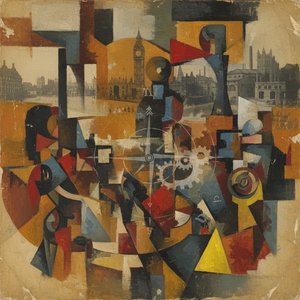 David Bomberg: Reassessing the Pioneering Spirit of Early British AbstractionExplore the groundbreaking work of David Bomberg, a pivotal figure in British abstraction. Discover his artistic evolution, influences, and…