
 Podgląd w skali
 Wyślij jako kartkę
 Udostępnij
 Szczegóły dzieła

 Pobierz
 Podobne obiekty
 RTG
RTG Pokaz slajdów
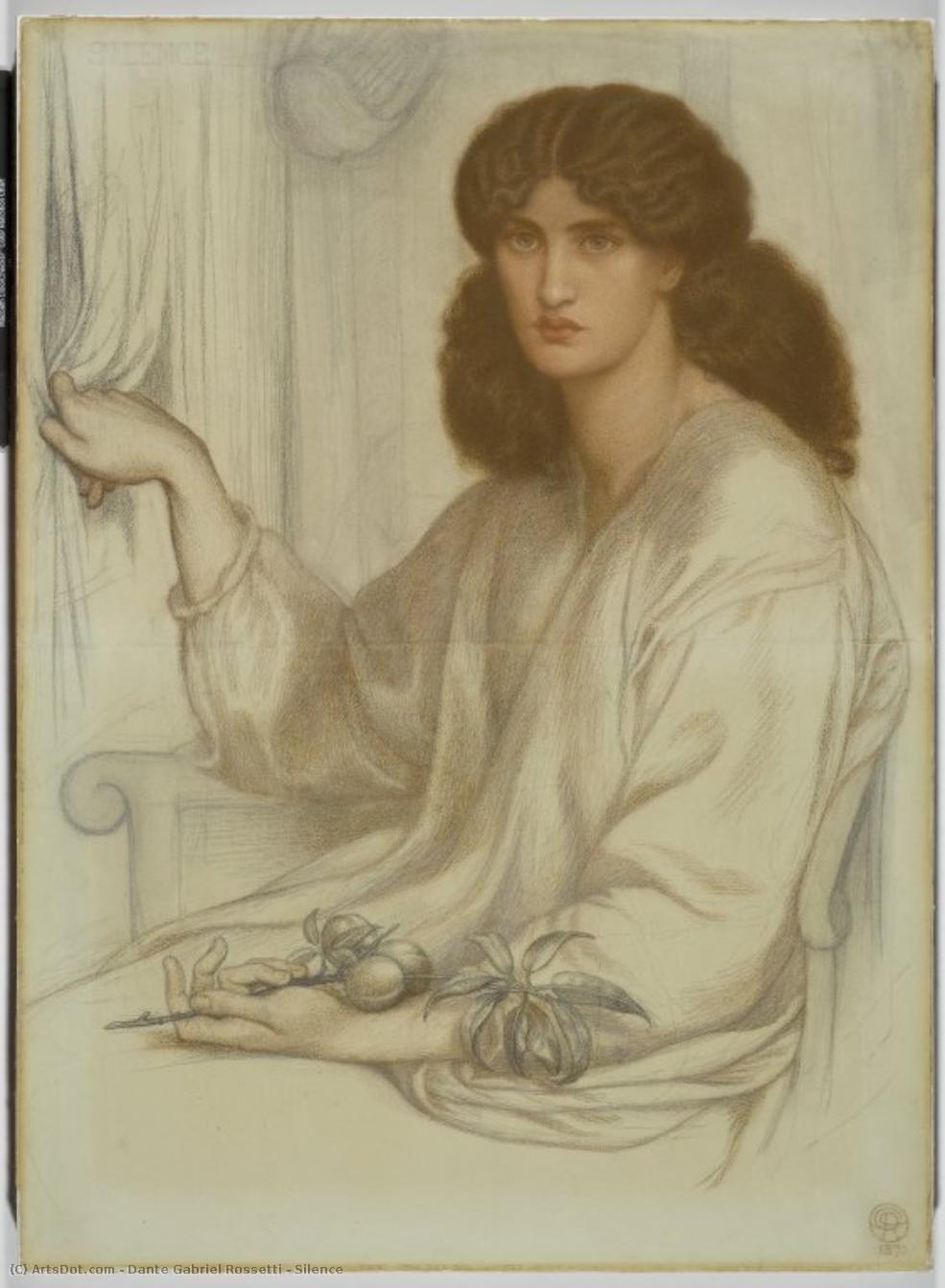
Silence
 Romanticism
 1870
1870 106.0 x 77.0 cm
 Rozwiń treść
Kup wysokiej rozdzielczości, ulepszony obraz cyfrowy o znacznie wyższej jakości niż podgląd online.
Każdy plik jest starannie przygotowywany przez naszych specjalistów przy użyciu zaawansowanych narzędzi oraz profesjonalnej, ręcznej retuszy. Dbamy o to, aby każdy obraz cechował się wyjątkową ostrością, precyzyjnym odwzorowaniem kolorów i subtelnymi detalami.
Ostateczny plik dostarczany jest drogą mailową w ciągu 72 godzin, zoptymalizowany do natychmiastowego wykorzystania w profesjonalnych zastosowaniach redakcyjnych i poligraficznych. To ta sama jakość, której ufają czołowe studia projektowe, wydawnictwa oraz galerie sztuki.
Obraz cyfrowy
Pobierz plik o wysokiej rozdzielczości do osobistego wyświetlania, druku oraz projektów kreatywnych. ( Kup wydruk Kup ręcznie malowany obraz)
W każdym zamówieniu na obraz cyfrowy znajduje się
Profesjonalna dostawa cyfrowa z gwarancją
Wybierając OriginalUniqueArt.com, nie otrzymujesz jedynie obrazu – otrzymujesz profesjonalnie udoskonalone cyfrowe dzieło sztuki, stworzone z najwyższą precyzją i objęte gwarancją satysfakcji. Oto wszystko, co automatycznie dołączane jest do Twojego zamówienia:

Błyskawiczna wysyłka e-mailowa
Plik z obrazem cyfrowym w wysokiej rozdzielczości zostanie przesłany na Twój adres e-mail w ciągu 72 godzin od złożenia zamówienia – gotowy do natychmiastowego użycia.

Plik cyfrowy wzbogacony przez AI
Twoja grafika została profesjonalnie zoptymalizowana przy użyciu zaawansowanych narzędzi AI oraz ręcznej edycji, co zapewnia maksymalną szczegółowość, klarowność i wierność kolorów.

Dożywotnia darmowa ponowna dostawa
Przypadkowo usunąłeś lub zgubiłeś swój plik? Bez obaw – prześlemy go Tobie ponownie w dowolnym momencie, bez żadnych opłat.

Bez opłat importowych – zawsze
Ciesz się swoją sztuką natychmiast, bez żadnych opłat celnych, należności ani kosztów dostawy – pliki cyfrowe są zawsze wolne od podatku.

Gwarancja wierności kolorów
Dzięki zastosowaniu profesjonalnych narzędzi i procesów zarządzania barwą zapewniamy, że Twoje cyfrowe zdjęcie odzwierciedla oryginalne kolory tak wiernie, jak to tylko możliwe.

60-dniowa gwarancja satysfakcji
Jeśli nie będziesz zadowolony ze swojego cyfrowego obrazu, dokonamy jego poprawki lub zwrócimy 100% kosztów w ciągu 60 dni – bez żadnych pytań.

100% Gwarancja zwrotu pieniędzy
Nie jesteś zadowolony? Otrzymaj pełny zwrot kosztów w ciągu 60 dni od otrzymania pliku cyfrowego – bez zbędnych pytań.

Rabaty przy zamówieniach hurtowych
Kup 3 obrazy, oszczędź 10% - Kup 5, oszczędź 15% - Kup 10+, oszczędź 20%. Idealne do projektów kreatywnych, galerii i agencji.
Biografia artysty
A Life Immersed in Beauty: The World of Dante Gabriel Rossetti
Dante Gabriel Rossetti, born May 12, 1828, in London, was a pivotal figure in the Pre-Raphaelite Brotherhood and a poet whose verses were as richly symbolic and evocative as his paintings. His life was deeply intertwined with aestheticism, a movement that championed “art for art’s sake,” and a passionate pursuit of beauty in all its forms. Rossetti wasn't merely an artist; he was a polymath—painter, illustrator, poet, translator—whose work consistently blurred the boundaries between these disciplines. His Italian heritage, stemming from his exiled political father, Gaetano Rossetti, instilled within him a lifelong fascination with Dante Alighieri and the Renaissance masters, influences that would profoundly shape his artistic vision. He received early training at Sass’s Academy, then entered the Royal Academy Schools in 1845, though he quickly became disillusioned with its conventional approach to art. This dissatisfaction led him, along with William Holman Hunt and John Everett Millais, to form the Pre-Raphaelite Brotherhood in 1848, a rebellious group seeking to revive the artistic principles of pre-Renaissance Italian painting—a time they believed possessed greater sincerity and spiritual depth than the academic styles prevalent during their era.The Early Years: From Literary Aspirations to Artistic Rebellion
Rossetti’s initial ambition wasn't primarily focused on painting; he began as a poet, deeply influenced by Keats, Shelley, and Tennyson. He translated early Italian poets, including Dante, which further cemented his connection to the artistic traditions of the Renaissance. However, his visual imagination proved equally compelling. His early paintings, such as *The Youthful Lady with Rosary* (1849), already demonstrate a meticulous attention to detail and a romantic sensibility. The formation of the Pre-Raphaelite Brotherhood marked a turning point. Rejecting the idealized forms and artificial lighting favored by academic painters, the Brotherhood sought truthfulness in representation—observing nature directly and employing vibrant colors. *Annunciation* (1850), painted with Holman Hunt, exemplifies this commitment to realism, though it also reveals Rossetti’s growing interest in symbolism and emotional intensity. The work was met with harsh criticism for its unconventional depiction of Mary and Joseph, highlighting the Brotherhood's deliberate challenge to established artistic norms. This early period saw a focus on religious themes, but even then, Rossetti infused his works with a personal, often melancholic, atmosphere.A Shifting Focus: The Rise of *Rossettian* Symbolism
Throughout the 1850s and 60s, Rossetti’s style evolved significantly. He moved away from overtly religious subjects towards more secular themes—often drawing inspiration from literature, mythology, and his own intensely personal life. His paintings became increasingly characterized by a dreamlike quality, rich symbolism, and an exploration of female beauty. *Proserpine* (1874) is a prime example; the goddess of the underworld is depicted with a hauntingly beautiful face, surrounded by wilting pomegranate blossoms—a symbol of her captivity and longing for freedom. This period also saw the emergence of his iconic depictions of red-haired women, inspired initially by his mother and later by his muses, Elizabeth Siddal and Jane Morris. These women weren’t simply portraits; they embodied Rossetti's ideal of feminine beauty—enigmatic, sensual, and often associated with themes of love, loss, and desire. He developed a distinctive technique characterized by layered glazes and a luminous quality that contributed to the ethereal atmosphere of his works. His poetry flourished alongside his painting, often serving as inspiration for his visual creations and vice versa. The collection *Poems* (1870) cemented his reputation as a major Victorian poet, exploring themes of passion, death, and spiritual longing.Later Life and Legacy: A Lasting Influence
The latter part of Rossetti’s life was marked by increasing seclusion and a growing obsession with aestheticism. He built Kelmscott Manor in the countryside with William Morris, creating a retreat dedicated to artistic pursuits. His later works, such as *La Pia de' Tolomei* (1868-81) and *Beatrice Portinari* (1879), demonstrate an even greater emphasis on symbolism and emotional depth. He became increasingly fascinated with the medieval world and incorporated elements of Gothic art into his paintings. The tragic death of Elizabeth Siddal in 1862 deeply affected Rossetti, leading to a period of intense grief and depression. His relationship with Jane Morris provided both artistic inspiration and personal solace. Rossetti’s influence on the Aesthetic movement was profound. Artists like Aubrey Beardsley and Edward Burne-Jones drew heavily from his style and themes. He championed the idea that art should exist solely for its own beauty, rejecting moral or didactic purposes. He died April 9, 1882, leaving behind a legacy of stunning paintings and evocative poetry that continues to captivate audiences today. His work remains a testament to the power of beauty, symbolism, and the enduring allure of the human imagination.Major Achievements & Historical Significance
- Founding Member of the Pre-Raphaelite Brotherhood: Rossetti’s role in establishing this influential artistic group revolutionized Victorian painting, challenging academic conventions and paving the way for modern art.
- Pioneering Symbolism in Art: His use of rich symbolism and dreamlike imagery profoundly influenced the Aesthetic movement and subsequent generations of artists.
- Integration of Poetry and Painting: Rossetti seamlessly blended his poetic vision with his visual creations, creating a unique artistic language that explored themes of love, loss, and spiritual longing.
- Elevation of Female Beauty: His iconic depictions of red-haired women redefined Victorian standards of beauty and challenged conventional representations of femininity.
- Championing “Art for Art’s Sake”: Rossetti’s advocacy for aestheticism helped to liberate art from moral constraints, emphasizing its intrinsic value and emotional power.


