

 Zobacz w skali 1:1
 Wyślij
 Udostępnij
 Szczegóły
 Przewodnik

 Pobierz plik obrazu
 Podobne obiekty
 RTG
RTG Pokaz slajdów
 Statystyki
Portrait Portret Aktu


 Czytaj więcej
Giclée / Wydruk artystyczny
Wydruki giclée lub płótna o jakości muzealnej, szybka realizacja i szeroki wybór opcji wykończenia. ( Kup ręcznie malowany obraz Przełącz na wersję cyfrową)




P118B zł10

P118H zł10

P118W zł10

P438Z zł10

P508JH zł12

P508YH zł12

P805H zł10

P805Z zł10

P919BZ zł10

P919G zł10

P919XJ zł10

P959ZH zł10

P968JZ zł12

W106C zł8

W218G zł10

W218JH zł8

W218Y zł10

W307PJ zł10

W316G zł10

W316PJ zł8

W316Y zł10

W398PJ zł8

W4111J zł10

W500HY zł15

W500JH zł15

W692G zł12

W849H zł8

W940BG zł15

W953PJ zł8




Wybierz spośród naszych standardowych rozmiarów, które zachowują oryginalne proporcje dzieła sztuki.

Wpisz wymaganą szerokość i wysokość, aby dopasować grafikę do ramy lub ściany. Wydruk można jedynie przyciąć, nigdy nie powiększając go poza oryginalny obraz, dlatego format o innym proporcji spowoduje utratę części kompozycji. Przed rozpoczęciem druku prześlemy Ci cyfrowy podgląd do zatwierdzenia. Obraz wyświetlany na tej stronie nie pokazuje rzeczywistego przycięcia — jedynie podgląd oddaje ten efekt.
Dostawa na cały świat () w ciągu 2 tygodni zamiast standardowych 4/5 tygodni. (24 Październik)

Bezpłatna ekspresowa wysyłka na cały świat

Wysokiej jakości płótno lniane

Pełne ubezpieczenie transportowe

Gwarancja zwrotu należności celnych i podatków importowych

Gwarancja idealnego odwzorowania barw

100-dniowy okres na zwrot dzieła w przypadku wykrycia wad produkcyjnych

Gwarancja 100% zwrotu pieniędzy

Oferta przy zakupie wielu sztuk
 Opcja ze szkłem jest dostępna wyłącznie w rozmiarach poniżej 110 cm

Portrait Portret Aktu
Giclée / Wydruk artystyczny
Rozmiar reprodukcji
-


Suma do zapłaty
zł 308
Portret Aktorki – Daniel Gardner
Daniel Gardner, urodzony w Kendalu w 1750 roku i zmarły w 1805 roku, wykreował dla siebie wyjątkowe miejsce wśród twórczości brytyjskiej sztuki końca XVIII wieku. Jego historia opowiada się o skromnych pochodzeniach, spostrzeżeniu świata oraz unikalnej technice artystycznej, która zdradzała przesunięcia estetyczne nastąpiące później. Syn piekarnika, młody Daniel posiadał niewielkie predyspozycje do sztuki – jego rodzina nie była bogata ani wpływowa. Jednak połączenia rodzinne okazały się kluczowe; brat matki był cieślą i prowadził interesy z ojcem George’a Rommeya, otwierając młodemu Danielowi drzwi do wstąpienia w świat sztuki już od najmłodszych lat – otrzymał pierwsze lekcje malowania od znanego wówczas twórcy, George’a Rommeya. Później Gardner pracował z Rommeyem w Londynie, przed przyjęciem się do Szkół Akademii Sztuk pięknych w 1770 roku. Jego nauczycielem był również Joshua Reynolds, Prezydent Akademii i podczas tej współpracy nawiązał wiele ważnych kontaktów i znajomości. Pomimo wpływu kompozycji i pozycji Rommeya i Reynolda, Gardner opracował indywidualną technikę pracy głównie pastelową, gouache i temperą. Rozwinął specjalną metodę gouache – opaque medium bazujące na wodzie – która pozwalała mu pracować szybko i osiągać ekspresywne, spontaniczne efekty, często łącząc ją z innymi środkami technicznymi takimi jak pastel.- Styl: Pastelowy realizm
- Technika: Gouache, pastel, tempera – Gardner wykorzystywał różnorodne media, aby uzyskać bogatą fakturę i głębokie kolory. Jego gouache wyróżniała się wyjątkową szybkością pracy oraz zdolnością do tworzenia efektów spontanicznych.
- Historia: Sztuka Daniela Gardnera powstała w okresie rozwoju szkoły kendalskiej portretowej, której centrum był George Romney. Jego twórczość odzwierciedla ducha angielskiej kultury intelektualnej i dekoracyjnej epoki Rommeya i Reynolda.
- Symbolizm: Maskę komedii, którą aktorka trzyma w ręce, można interpretować jako symbole radości i zabawnego spojrzenia na świat.
- Emocje: Portret oddaje piękno kobiety oraz jej delikatną urodę. Ekspresja emocji jest subtelna, lecz skuteczna – aktorka patrzy w lustro, co sugeruje refleksję nad własnym obrazem i wewnętrznym stanem ducha.
Pytania i odpowiedzi
Dlaczego status praw autorskich dla "Portrait Portret Aktu" jest taki, jak jest?
„Portrait Portret Aktu” autorstwa Daniel Gardner znajduje się w stanowi domenę publiczną – autorskie prawa majątkowe wygasły. Okres ochrony praw autorskich liczony jest od śmierci artysty, która nastąpiła w 1805.
Czy istnieją dzieła podobne do „Portrait Portret Aktu”?
Dzieła podobne do „Portrait Portret Aktu” znajdują się na stronie Podobne dzieła danego dzieła.
Czy mogę zamówić olejną reprodukcję "Portrait Portret Aktu"?
"Portrait Portret Aktu" jest dostępny jako ręcznie malowana reprodukcja olejowa na płótnie lnianym. Zamówienie można złożyć na stronie Ręcznie malowana reprodukcja, wybierając preferowany rozmiar.
Biografia artysty
A Life Dedicated to Portraiture
Daniel Gardner, born in Kendal, Westmorland in 1750, and passing away in London in 1805, carved a distinctive niche for himself within the vibrant British art scene of the late 18th century. Though perhaps not as widely celebrated as his contemporary, Joshua Reynolds, Gardner established a successful practice specializing in intimate portraits that captured the essence of aristocratic society. His story is one of humble beginnings – the son of a master baker – coupled with an unexpected artistic talent and a keen eye for capturing the nuances of human character. Early indications of his future path were subtle; familial connections proved pivotal, linking him to George Romney’s father through an upholsterer relative, opening doors to initial artistic instruction from the renowned painter himself. While Gardner later admitted to learning relatively little directly from Romney, this early exposure undoubtedly provided a crucial foundation for his subsequent endeavors.From Apprenticeship to Royal Academy Recognition
Gardner's journey into formal art training began in 1767 when he moved to London. He enrolled at the prestigious Royal Academy of Arts in 1770, immersing himself in a rigorous curriculum under the tutelage of prominent artists including Johann Zoffany, Nathaniel Dance-Holland, Benjamin West, Giovanni Battista Cipriani, and Francesco Bartolozzi. This period was critical for honing his skills and developing his artistic sensibilities. A significant early achievement came in 1771 when Gardner won a silver medal at the Royal Academy for a portrait of an old man – likely executed in pastel, a medium he would later master. This recognition signaled the emergence of a promising talent, though Gardner’s subsequent exhibition record remained relatively limited, suggesting a preference for private commissions over public displays. He quickly established a fashionable studio in Bond Street, London, catering to a discerning clientele eager for expertly crafted portraits. The location itself reflected his ambition – a prestigious address synonymous with artistic excellence and social standing.Style and Influences: A Delicate Balance
Gardner’s artistic style was deeply influenced by Joshua Reynolds, particularly in terms of composition and the conception of his figures. He frequently borrowed poses and arrangements from Reynolds’ work, demonstrating an astute understanding of successful portraiture conventions. However, critics often noted that Gardner lacked the same level of anatomical precision as his more celebrated counterpart. This perceived deficiency, however, did not diminish his popularity; rather, it contributed to a unique aesthetic characterized by a certain *facile elegance*. Gardner excelled in capturing likeness and personality, prioritizing charm and grace over strict realism. He became renowned for his skill with pastels, crayons, and gouache, often combining these mediums to create luminous effects and delicate textures. His innovative technique involved using dry pastel for faces while employing scumbled gouache for the rest of the picture, allowing him to work quickly and achieve a distinctive visual quality. Some art historians even suggest that Gardner’s loose style and vibrant use of color foreshadowed elements of later Impressionist painting, marking him as an artist ahead of his time. The influence of Reynolds is undeniable, yet Gardner managed to forge his own distinct voice within this established framework.Patronage and Legacy: Capturing Aristocratic Society
Gardner’s clientele read like a who’s who of British aristocracy. He painted portraits of prominent figures such as Jane Gordon, Duchess of Gordon; Georgiana Cavendish, Duchess of Devonshire – famed for her beauty and political influence; Charles Cornwallis, 1st Marquess Cornwallis; Elizabeth Lamb, Viscountess Melbourne; Frances Villiers, Countess of Jersey; the celebrated artist Angelica Kauffman; and Lord George Gordon. He was particularly sought after for family portraits, often depicting families with their children and pets in idyllic woodland settings – scenes that reflected both the wealth and sentimental values of his patrons. Beyond portraiture, Gardner demonstrated his versatility with an early oil painting depicting Philip Egerton of Oulton, showcasing his developing skills in this more traditional medium. A shrewd businessman, Gardner wisely invested the considerable wealth generated from his commissions into land and property around Kendal, securing his financial future. He eventually retired from painting to focus on these ventures, passing away in London in 1805, reportedly due to a liver complaint. While perhaps not achieving the same level of enduring fame as some of his contemporaries, Daniel Gardner’s unique style, technical innovation, and ability to capture the character of his sitters secured him a significant place within the history of British portraiture. His work continues to offer a fascinating glimpse into the lives and tastes of the late 18th-century aristocracy, and his subtle anticipation of Impressionistic techniques ensures his lasting interest among art historians today.Key Works
- Portrait of an Old Man (c. 1771): This early pastel portrait, awarded a silver medal at the Royal Academy, established Gardner’s reputation and showcased his emerging talent.
- Family Portraits: Numerous portraits depicting aristocratic families in idyllic settings, reflecting both wealth and sentimental values. These works are particularly valued for their intimate portrayal of family life.
- Portrait of Philip Egerton of Oulton (c. 1780s): An oil painting demonstrating Gardner’s developing skills beyond pastel portraiture.
Further Research
For more detailed information, consider exploring these resources: * Daniel Gardner - Government Art Collection: https://artcollection.dcms.gov.uk/person/gardner-daniel/ * Daniel Gardner - Tate: https://www.tate.org.uk/art/artists/daniel-gardner-201 * Daniel Gardner - Wikipedia: https://en.wikipedia.org/wiki/Daniel_Gardner
Daniel Gardner
1750 - 1805 , Wielka Brytania
Najważniejsze informacje
- Artistic Movement Or Style: Portret, Pastel
- Artists Or Movements Influenced By This Artist: ['Impressionizm']
- Artists Who Influenced This Artist:
- George Romney
- Joshua Reynolds
- Date Of Birth: 1750
- Date Of Death: 1805
- Full Name: Daniel Gardner
- Nationality: Brytyjczyk
- Notable Artworks:
- Portret Starego Mężczyzny
- Rodzina Lorda Taylora
- Place Of Birth: Kendal, Wielka Brytania
Zobacz także powiązane artykuły
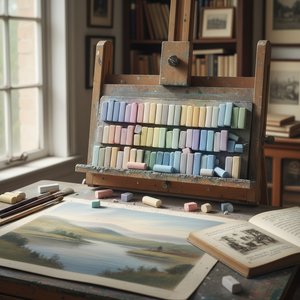
Subtelności Pastelu: Historia, Technika i Emocjonalny Rezonans w Sztuce
Odkryj fascynujący świat pasteli! Poznaj historię, technikę i wybitnych artystów. Porady konserwacji, inspiracje Wyspiańskiego i wszystko, co musisz wiedzieć o malarstwie pastelowym. Ekspercka analiza dla miłośników sztuki.

Romantyczny Krajobraz w Malarstwie: 10 Arcydzieł, Które Zdefiniowały Epokę | OriginalUniqueArt.com
Odkryj 10 arcydzieł romantyzmu w malarstwie! Poznaj historie Caspara Davida Friedricha, Turnera i innych mistrzów. Inspiracje wnętrzarskie & reprodukcje obrazów najwyższej jakości na OriginalUniqueArt.com. Eksploruj kolekcję online!

Subtelny blask pasteli: Eksploracja niuansu i emocji w sztuce XVIII wieku
Odkryj subtelny urok pasteli! Poznaj historię tej wyjątkowej techniki malarskiej, mistrzów rokoko i kobiecą perspektywę w portrecie. Eksploracja niuansu i emocji w sztuce XVIII wieku.

Evocations of Place: A Historical Journey Through Landscape Art
Explore the rich history of landscape art with OriginalUniqueArt. Discover renowned artists, movements like Impressionism & Romanticism, and expert guidance for collecting timeless pieces. Find your perfect serene escape today!

John Constable: 25 Najlepszych Obrazów Mistrza Angielskiego Krajobrazu | OriginalUniqueArt
Odkryj 25 arcydzieł Johna Constable'a – mistrza angielskiego krajobrazu! Poznaj romantyczne pejzaże, technikę malarską i inspiracje z Dedham Vale. Reprodukcje obrazów najwyższej jakości na OriginalUniqueArt.com. Eksploruj pełną kolekcję online!
