

 Podgląd w skali 1:1
 Wyślij jako kartkę
 Udostępnij
 Szczegóły dzieła
 Przewodnik

 Pobierz obraz
 Podobne obiekty
 RTG
RTG Pokaz slajdów
 Statystyki
Olympia


 Rozwiń treść
Dzieło sztuki prezentowane na tej stronie podlega ochronie prawem autorskim, co oznacza, że nie mamy prawa do tworzenia ani sprzedaży jego identycznej reprodukcji. Ochrona ta jest egzekwowana na mocy umów międzynarodowych, takich jak Konwencja berneńska oraz przez przepisy prawa krajowego, w tym te określone w Prawo autorskie USA – Tytuł 17.
Metoda ta jest w pełni zgodna z przepisami prawa autorskiego, ponieważ nie polega na kopiowaniu ani powielaniu chronionego dzieła. Stanowi ona kreatywną reinterpretację – nowy obraz, który czerpie inspirację z oryginału, ale nie jest z nim tożsamy.
Giclée / Wydruk artystyczny
Wydruki giclée lub płótna o jakości muzealnej, szybka realizacja i szeroki wybór opcji wykończenia. ( Zamów ręcznie malowaną reprodukcję Przejdź do wersji cyfrowej)




P118B zł10

P118H zł10

P118W zł10

P438Z zł10

P508JH zł12

P508YH zł12

P805H zł10

P805Z zł10

P919BZ zł10

P919G zł10

P919XJ zł10

P959ZH zł10

P968JZ zł12

W106C zł8

W218G zł10

W218JH zł8

W218Y zł10

W307PJ zł10

W316G zł10

W316PJ zł8

W316Y zł10

W398PJ zł8

W4111J zł10

W500HY zł15

W500JH zł15

W692G zł12

W849H zł8

W940BG zł15

W953PJ zł8




Wybierz spośród naszych standardowych rozmiarów, które zachowują oryginalne proporcje dzieła sztuki.

Wpisz wymaganą szerokość i wysokość, aby dopasować grafikę do ramy lub ściany. Wydruk można jedynie przyciąć, nigdy nie powiększając go poza oryginalny obraz, dlatego format o innych proporcjach spowoduje utratę części kompozycji. Przed rozpoczęciem druku prześlemy Ci cyfrowy podgląd do zatwierdzenia. Obraz wyświetlany na tej stronie nie pokazuje rzeczywistego przycięcia — jedynie podgląd oddaje ten efekt.
Dostawa na cały świat () w ciągu 2 tygodni zamiast standardowych 4/5 tygodni. (25 Październik)

Bezpłatna ekspresowa wysyłka na cały świat

Wysokiej jakości płótno lniane

Pełne ubezpieczenie przesyłki

Gwarancja zwrotu należności celnych i podatków importowych

Gwarancja wiernego odwzorowania kolorów

100-dniowa polityka zwrotów (tylko w przypadku wad)

Gwarancja 100% zwrotu pieniędzy

Zniżka przy zakupie wielu sztuk
 Opcja ze szkłem jest dostępna wyłącznie w rozmiarach poniżej 110 cm

Olympia
Giclée / Wydruk artystyczny
Wymiary reprodukcji
-


Cena całkowita
zł 307
A Glimpse into Abstraction: Cy Twombly's *Olympia*
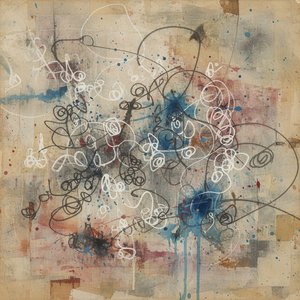
Cy Twombly’s *Olympia*, created in 1957, is a captivating work of Neo-Expressionism that transcends traditional representation. This piece isn't about depicting a scene literally; instead, it offers an intensely personal and evocative exploration of memory, language, and the act of creation itself. The painting features a predominantly white background upon which Twombly has layered a chaotic yet deliberate arrangement of scribbles, markings, and fragmented words. It’s a visual poem, inviting viewers to engage in their own interpretation rather than presenting a definitive narrative. The title itself is significant – referencing Édouard Manet's iconic 1863 painting *Olympia*, which famously depicted a courtesan, adding another layer of complexity and potential commentary on themes of representation and societal perception.Style & Technique: The Language of Marks
Twombly’s style is instantly recognizable for its raw energy and seemingly spontaneous execution. He rejected the clean lines and precise forms of Abstract Expressionism, opting instead for a more gestural and almost childlike approach. *Olympia* exemplifies this perfectly. The technique involves layering paint – often diluted washes – over one another, allowing previous marks to peek through, creating a sense of depth and history within the work. Key characteristics include:- Calligraphic Marks: Resembling handwriting or graffiti, these lines are not meant to be legible in a conventional sense but rather evoke feelings and associations.
- Fragmented Words & Phrases: Scattered throughout the composition are snippets of words and phrases, adding a poetic dimension without providing clear meaning. These could be personal references, memories, or simply sounds that resonated with Twombly at the time.
- Energetic Scribbles: The dynamic lines and scribbles convey a sense of immediacy and spontaneity, as if the artist were capturing fleeting thoughts directly onto the canvas.
- Thin Washes & Layering: The use of thin washes allows for transparency and layering, creating a complex visual texture.
Historical Context & Influences
*Olympia* emerged during a pivotal period in art history. While Abstract Expressionism was reaching its peak with artists like Jackson Pollock and Mark Rothko, Twombly began forging his own path, moving towards a more personal and fragmented form of abstraction. His travels to North Africa (documented in his *North African Sketchbooks*) significantly influenced his aesthetic, introducing him to ancient scripts and the visual language of desert landscapes. The work also reflects a broader cultural shift away from traditional representation, embracing subjectivity and emphasizing the process of creation over the finished product. The reference to Manet’s *Olympia* is crucial; Twombly isn't replicating but rather reinterpreting, deconstructing, and questioning established artistic conventions.Emotional Impact & Interpretation
The emotional impact of *Olympia* is both unsettling and strangely beautiful. The chaotic nature of the markings can evoke feelings of anxiety or disorientation, while the underlying sense of poetry and vulnerability creates a compelling tension. It’s a painting that resists easy interpretation, encouraging viewers to project their own emotions and experiences onto its surface. Some might see it as a reflection on memory and loss, others as an exploration of language's limitations, and still others as a celebration of the act of creation itself. Ultimately, *Olympia* is a testament to Twombly’s ability to transform seemingly random marks into a powerful and deeply moving work of art – a visual echo resonating with raw emotion and intellectual curiosity.Pytania i odpowiedzi
Jak nasycona jest paleta kolorystyczna dzieła "Olympia"?
Dzieło „Olympia” – Cy Twombly charakteryzuje się Muted nasyceniem kolorów.
Jaki kolor najbardziej dominuje w "Olympia"?
Dominującym kolorem dzieła „Olympia” – Cy Twombly jest White (#f6ecdf).
Do jakiego etapu kariery Cy Twombly odpowiada data powstania dzieła „Olympia” (1957)?
Data powstania dzieła (1957) sytuuje "Olympia" w Mid-Career rozwoju twórczości Cy Twombly.
Biografia artysty
A Life Etched in Line and Color
Edwin Parker Twombly Jr., known to the world as Cy Twombly, was a singular force in 20th and 21st-century art—an American painter, sculptor, and photographer whose work defied easy categorization. Born on April 25, 1928, in Lexington, Virginia, his artistic journey began with a foundation steeped in classical education and a restless spirit that propelled him across continents. Early studies under Pierre Daura at Washington and Lee University were followed by formative experiences at the Arts Students League of New York and Black Mountain College, where he encountered pivotal figures like Robert Rauschenberg, John Cage, and Merce Cunningham. These encounters fostered an environment of experimentation and interdisciplinary exploration that would profoundly shape his artistic vision. However, it was a 1952 voyage to Italy and North Africa with Rauschenberg—funded by a grant from the Virginia Museum of Fine Arts—that proved truly transformative. Immersed in ancient ruins, vibrant cultures, and the weight of history, Twombly discovered a wellspring of inspiration that would define his aesthetic for decades to come.The Evolution of an Enigmatic Style
Twombly’s artistic style was not born fully formed; it evolved through a series of explorations and refinements. His early works, such as the *North African Sketchbooks* (1953), already hinted at his unique blend of abstract forms and poetic references. These weren't mere travel journals but rather investigations into the essence of place—a distillation of light, texture, and memory. Throughout the 1960s, Twombly’s style began to coalesce around a distinctive vocabulary of scribbled lines, gestural marks, and fragmented words on expansive canvases. Works like the *Ferragosto* series (1961) and *The Italians* (1961) exemplify this period—paintings that seem to exist between calligraphy and chaos, evoking both ancient inscriptions and the immediacy of graffiti. He wasn’t interested in replicating reality but rather in capturing a sense of feeling, memory, and the passage of time. This approach challenged conventional notions of painting, moving away from representation towards a more subjective and emotionally resonant form of expression. Cold Stream* (1966), with its swirling loops and bold text, is a powerful example of this evocative style.Influences and Artistic Lineage
While fiercely independent, Twombly’s work wasn't created in a vacuum. He drew inspiration from a diverse range of sources—from the raw energy of Jean Dubuffet and Alberto Giacometti to the poetic sensibilities of Stéphane Mallarmé, Rainer Maria Rilke, and John Keats. Classical mythology and history also played a significant role, providing him with a rich tapestry of themes and symbols to explore. His paintings often allude to ancient narratives, subtly weaving together fragments of stories and legends. Twombly’s influence on subsequent generations of artists is undeniable. He paved the way for painters like Jean-Michel Basquiat, Anselm Kiefer, Francesco Clemente, and Julian Schnabel, who embraced a similar spirit of experimentation and emotional intensity. His willingness to break down traditional boundaries and explore new forms of expression resonated deeply with artists seeking to challenge the status quo. He demonstrated that painting could be more than just representation; it could be a vehicle for conveying complex emotions, ideas, and experiences.Major Achievements and Lasting Legacy
Throughout his career, Twombly received numerous accolades, including the Golden Lion award at the Venice Biennale in 2001 and being named a Chevalier of the Légion d'Honneur in 2010. His work is represented in major museum collections worldwide, including the Menil Collection in Houston, the Tate Modern in London, and New York’s Museum of Modern Art. A particularly significant achievement was his commission to create a ceiling piece for the Musée du Louvre in Paris—a testament to his international recognition and artistic stature. Three studies from the Temeraire* (1998-99), now held by the Art Gallery of New South Wales, exemplifies his later style – large scale works that are both delicate and powerful. Twombly’s enigmatic style continues to fascinate art enthusiasts and scholars alike. His paintings invite viewers to engage in a dialogue—to decipher the hidden meanings within the layers of paint and scribbled lines. He passed away on July 5, 2011, in Rome after a long battle with cancer, leaving behind a legacy that will continue to inspire and challenge artists for generations to come. A plaque in Santa Maria in Vallicella serves as a lasting memorial to his profound contribution to the world of art.Exploring Twombly’s World
Cy Twombly's work is an invitation to contemplate the complexities of human experience—to delve into the realms of memory, history, and emotion. His paintings are not simply objects to be admired but rather portals to another world—a world where lines dance, words whisper, and feelings take shape. Whether it’s the vibrant energy of *Untitled (Peony Blossom Painting)* or the evocative abstraction of *Proteus*, each work offers a unique glimpse into the artist's inner landscape. His influence extends beyond painting, impacting sculpture and photography as well. To truly appreciate Twombly’s genius, one must allow oneself to be swept away by the fluidity of his lines, the richness of his colors, and the depth of his poetic vision.- Explore Cy Twombly's artworks on OriginalUniqueArt.
- Read more about Cy Twombly on Wikipedia.
- Discover the Musée du Louvre’s collection, featuring Twombly’s commissioned work, on OriginalUniqueArt: Musée du Louvre.

Cy Twombly
1928 - 2011 , Stany Zjednoczone
Krótka nota
- Artistic Movement Or Style: Ekspresjonizm abstrakcyjny
- Artists Or Movements Influenced By This Artist:
- Basquiat
- Kiefer
- Artists Who Influenced This Artist:
- Daura
- Dubuffet
- Giacometti
- Date Of Birth: 25 kwietnia 1928
- Date Of Death: 5 lipca 2011
- Full Name: Edwin Parker Twombly Jr.
- Nationality: Amerykański
- Notable Artworks:
- Apollo i Artysta
- Studię z Temeraire
- Place Of Birth: Lexington, USA
Powiązane artykuły
Cy Twombly: Scribbles of Emotion – Deconstructing Post-War Expressionism Through Calligraphy & Abstraction
Explore the captivating world of Cy Twombly with OriginalUniqueArt. Discover the emotional depth & artistic significance behind his abstract calligraphy. Expert insights for collectors.

Top 10 arcydzieł ekspresjonizmu abstrakcyjnego – inspiracje dla Twojego wnętrza | OriginalUniqueArt.com
Odkryj 10 arcydzieł ekspresjonizmu abstrakcyjnego – Pollock, Rothko, de Kooning i inni. Poznaj historie artystów, techniki i inspiracje dla Twojego wnętrza. Reprodukcje najwyższej jakości na OriginalUniqueArt.com!

25 Arcydzieł Kandinskiego: Kolor, Duchowość i Abstrakcja w Twoim Domu | OriginalUniqueArt.com
Odkryj 25 arcydzieł Wassily Kandinskiego – pioniera abstrakcji i ekspresjonizmu! Poznaj historie, techniki i emocje kryjące się za jego kolorowymi kompozycjami. Reprodukcje obrazów najwyższej jakości na OriginalUniqueArt.com. Eksploruj pełną kolekcję online!

Białe arcydzieła: Top 10 słynnych obrazów pełnych światła i emocji | OriginalUniqueArt.pl
Odkryj 10 najsłynniejszych obrazów, w których biel dominuje i tworzy wyjątkową atmosferę. Poznaj historie Moneta, Van Gogha i innych mistrzów! Reprodukcje najwyższej jakości na OriginalUniqueArt.com – inspiracje wnętrzarskie i kolekcjonerstwo sztuki online.

Neo-Abstract Art: The High-Impact Evolution of Modern Visual Energy and Geometric Sophistication
Discover the power of Neo-Abstract art. Explore how bold geometric forms and high-impact visual energy are redefining modern design. Learn to curate sophisticated, high-energy spaces with the latest trends in contemporary abstraction and structural color.