
 Podgląd w skali 1:1
 Wyślij jako kartkę
 Udostępnij
 Szczegóły dzieła
 Przewodnik

 Pobierz obraz
 Podobne obiekty
 RTG
RTG Pokaz slajdów
 Pytania i odpowiedzi
 Statystyki
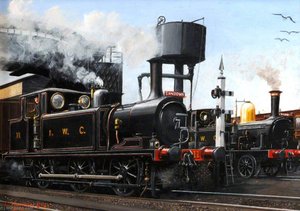
No.31, 'Chale'

- 24.0 x 38.0 cm

 Rozwiń treść
Dzieło sztuki prezentowane na tej stronie podlega ochronie prawem autorskim, co oznacza, że nie mamy prawa do tworzenia ani sprzedaży jego identycznej reprodukcji. Ochrona ta jest egzekwowana na mocy umów międzynarodowych, takich jak Konwencja berneńska oraz przez przepisy prawa krajowego, w tym te określone w Prawo autorskie USA – Tytuł 17.
Metoda ta jest w pełni zgodna z przepisami prawa autorskiego, ponieważ nie polega na kopiowaniu ani powielaniu chronionego dzieła. Stanowi ona kreatywną reinterpretację – nowy obraz, który czerpie inspirację z oryginału, ale nie jest z nim tożsamy.
Giclée / Wydruk artystyczny
Wydruki giclée lub płótna o jakości muzealnej, szybka realizacja i szeroki wybór opcji wykończenia. ( Zamów ręcznie malowaną reprodukcję Przejdź do wersji cyfrowej)




P118B zł10

P118H zł10

P118W zł10

P438Z zł10

P508JH zł12

P508YH zł12

P805H zł10

P805Z zł10

P919BZ zł10

P919G zł10

P919XJ zł10

P959ZH zł10

P968JZ zł12

W106C zł8

W218G zł10

W218JH zł8

W218Y zł10

W307PJ zł10

W316G zł10

W316PJ zł8

W316Y zł10

W398PJ zł8

W4111J zł10

W500HY zł15

W500JH zł15

W692G zł12

W849H zł8

W940BG zł15

W953PJ zł8




Wybierz spośród naszych standardowych rozmiarów, które zachowują oryginalne proporcje dzieła sztuki.

Wpisz wymaganą szerokość i wysokość, aby dopasować grafikę do ramy lub ściany. Wydruk można jedynie przyciąć, nigdy nie powiększając go poza oryginalny obraz, dlatego format o innych proporcjach spowoduje utratę części kompozycji. Przed rozpoczęciem druku prześlemy Ci cyfrowy podgląd do zatwierdzenia. Obraz wyświetlany na tej stronie nie pokazuje rzeczywistego przycięcia — jedynie podgląd oddaje ten efekt.
Dostawa na cały świat () w ciągu 2 tygodni zamiast standardowych 4/5 tygodni. (9 Listopad)

Bezpłatna ekspresowa wysyłka na cały świat

Wysokiej jakości płótno lniane

Pełne ubezpieczenie przesyłki

Gwarancja zwrotu należności celnych i podatków importowych

Gwarancja wiernego odwzorowania kolorów

100-dniowa polityka zwrotów (tylko w przypadku wad)

Gwarancja 100% zwrotu pieniędzy

Zniżka przy zakupie wielu sztuk
 Opcja ze szkłem jest dostępna wyłącznie w rozmiarach poniżej 110 cm

No.31, 'Chale'
Giclée / Wydruk artystyczny
Wymiary reprodukcji
-


Cena całkowita
zł 317
Biografia artysty
The Visionary of Steam: The Life and Legacy of Cuthbert Hamilton Ellis
Cuthbert Hamilton Ellis, known affectionately to many as "Chip," was far more than a mere chronicler of locomotives; he was a poet of the industrial age. Born on June 29th, 1909, in Raynes Park, Surrey, his soul was irrevocably tethered to the rhythmic pulse of the railway from a tender age. His childhood memories of steam-powered journeys through the lush landscapes of Cornwall served as the foundational inspiration for a life dedicated to capturing the grandeur of the iron horse. This profound fascination would eventually blossom into a dual legacy as both a distinguished writer and a meticulous painter, making him one of the most significant figures in twentieth-century railway art.
His intellectual journey was marked by an eclectic blend of classical education and technical curiosity. Educated at the prestigious Westminster School, Ellis cultivated an appreciation for literature that would later inform his evocative prose, even as he developed a burgeoning interest in the mechanics of engineering. Although his time at Munich and Exeter College, Oxford, provided him with a broader academic horizon, he famously found the traditional rigors of Oxford somewhat unrewarding, a realization that perhaps liberated him to pursue a more visceral, hands-on engagement with the world of steam and steel.
A Literary Journey Through Iron and Ink
Before his brushstrokes became widely celebrated, Ellis established himself as a formidable voice in railway journalism. His literary career began remarkably early, in 1922, when he joined the staff of Country Life. This period was crucial for honing his descriptive powers and building deep connections within the tight-knit community of railway enthusiasts and engineers. Through his work at publications such as Railway Gazette and Modern Transport, he became a respected commentator on industrial progress, possessing a rare ability to translate complex locomotive designs into narratives that resonated with both experts and laypeople alike.
The depth of his literary contribution is evidenced by the staggering output of thirty-six books, many of which remain essential reading for historians of the era. His debut novel, The Engineer-Corporal, published in 1939, showcased his ability to weave technical precision with human drama. Perhaps his most enduring literary achievement, The Trains we Loved, serves as a nostalgic and deeply moving tribute to a vanishing way of life. Even during the shadows of World War II, Ellis’s life took on cinematic proportions; while working under the guise of a journalist in Switzerland for Modern Transport, he was reportedly involved in clandestine operations for MI6, adding an element of high-stakes intrigue to his already storied biography.
The Artistry of Realism and Nostalgia
As an artist, Ellis’s style was defined by a profound commitment to realism, tempered by a lyrical sensibility that captured the romantic essence of the steam era. His paintings were not merely technical diagrams of engines; they were atmospheric studies of light, motion, and the interplay between man-made marvels and the natural world. Whether depicting the dramatic lighting of a locomotive at dusk or the quiet dignity of a train traversing the Kent countryside, his work possessed an unmistakable emotional resonance.
His technical mastery allowed him to render the heavy, metallic textures of locomotives with startling accuracy, yet he never lost sight of the "soul" of the machine. His oeuvre often features:
- Detailed Realism: A meticulous attention to the mechanical intricacies of steam engines, from the gleam of polished brass to the swirling plumes of white vapor.
- Atmospheric Landscapes: The integration of industrial subjects into evocative settings, such as the evening light in Ventnor or the rolling hills of the South Eastern Railway routes.
- Industrial Nostalgia: A palpable sense of reverence for a bygone era, capturing the grandeur and the inevitable decline of the steam age.
Through his dual mastery of the pen and the brush, Cuthbert Hamilton Ellis ensured that the majesty of the steam locomotive would not fade into the obscurity of history. He remains a pivotal figure whose work serves as a bridge between the raw power of the industrial revolution and the tender nostalgia of the twentieth century, preserving the heartbeat of the railways for generations to come.
Cuthbert Hamilton Ellis
1909 - 1987
Krótka nota
- Full Name: Cuthbert Hamilton Ellis
- Nationality: British
- Date Of Birth: 1909
- Date Of Death: 1987
- Place Of Birth: Raynes Park, Surrey
- Notable Artworks:
- No.6 'Ventnor Town'
- No.31, 'Chale'
- No.2 'Isle of Wight Central'
- Artistic Movement Or Style: Railway Art
- Artists Who Influenced This Artist:
- Gilbert Dunlop
- Ian C Allen
- Artists Or Movements Influenced By This Artist: ['Railway Art']
Powiązane artykuły

Echo Epoki: Nostalgia i Przemiana w Krajobrazach Hudson River School
Odkryj fascynujący świat Szkoły Hudson River! Poznaj historię, artystów i wpływ tego amerykańskiego ruchu romantycznego na sztukę. Ekskluzywne analizy i inspiracje dla kolekcjonerów.

John Constable: 25 Najlepszych Obrazów Mistrza Angielskiego Krajobrazu | OriginalUniqueArt
Odkryj 25 arcydzieł Johna Constable'a – mistrza angielskiego krajobrazu! Poznaj romantyczne pejzaże, technikę malarską i inspiracje z Dedham Vale. Reprodukcje obrazów najwyższej jakości na OriginalUniqueArt.com. Eksploruj pełną kolekcję online!

The New Landscape Aesthetic: Mastering Bold British Scenery with a Contemporary, High-Impact Edge
Level up your interiors with Bold British Landscapes. We're forecasting a shift toward high-impact, contemporary scenery. From hand-painted oil reproductions to custom photo remixes, get museum-grade art with a modern edge. Transform your walls with OriginalUniqueArt’s premium collection.

Romantyczny Krajobraz w Malarstwie: 10 Arcydzieł, Które Zdefiniowały Epokę | OriginalUniqueArt.com
Odkryj 10 arcydzieł romantyzmu w malarstwie! Poznaj historie Caspara Davida Friedricha, Turnera i innych mistrzów. Inspiracje wnętrzarskie & reprodukcje obrazów najwyższej jakości na OriginalUniqueArt.com. Eksploruj kolekcję online!
Capturing the Mist: The Timeless Beauty of British Landscape Impressionism
Explore the ethereal beauty of British Landscape Impressionism. Discover how masters captured light and mist through plein air techniques, offering a profound connection to the English countryside's timeless, atmospheric soul.