
 Podgląd w skali 1:1
 Wyślij jako kartkę
 Udostępnij
 Szczegóły dzieła
 Przewodnik

 Pobierz obraz
 Podobne obiekty
 RTG
RTG Pokaz slajdów
 Pytania i odpowiedzi
 Statystyki
Abraham


 Rozwiń treść
Giclée / Wydruk artystyczny
Wydruki giclée lub płótna o jakości muzealnej, szybka realizacja i szeroki wybór opcji wykończenia. ( Zamów ręcznie malowaną reprodukcję Przejdź do wersji cyfrowej)




































Wybierz spośród naszych standardowych rozmiarów, które zachowują oryginalne proporcje dzieła sztuki.

Wpisz wymaganą szerokość i wysokość, aby dopasować grafikę do ramy lub ściany. Wydruk można jedynie przyciąć, nigdy nie powiększając go poza oryginalny obraz, dlatego format o innych proporcjach spowoduje utratę części kompozycji. Przed rozpoczęciem druku prześlemy Ci cyfrowy podgląd do zatwierdzenia. Obraz wyświetlany na tej stronie nie pokazuje rzeczywistego przycięcia — jedynie podgląd oddaje ten efekt.
Dostawa na cały świat () w ciągu 2 tygodni zamiast standardowych 4/5 tygodni. (3 Listopad)

Bezpłatna ekspresowa wysyłka na cały świat

Wysokiej jakości płótno lniane

Pełne ubezpieczenie przesyłki

Gwarancja zwrotu należności celnych i podatków importowych

Gwarancja wiernego odwzorowania kolorów

100-dniowa polityka zwrotów (tylko w przypadku wad)

Gwarancja 100% zwrotu pieniędzy

Zniżka przy zakupie wielu sztuk
 Opcja ze szkłem jest dostępna wyłącznie w rozmiarach poniżej 110 cm

Abraham
Giclée / Wydruk artystyczny
Wymiary reprodukcji
-


Cena całkowita
zł 317
Biografia artysty
The Dramatic Soul of Mannerism: The Life of Cristofano Gherardi
In the turbulent landscape of 16th-century Italy, where the serene balance of the High Renaissance began to fracture into something more complex and emotionally charged, Cristofano Gherardi emerged as a master of tension. Born in 1508 in the historic town of Borgo San Sepolcro, Gherardi would become a vital voice in the Mannerist movement, a style defined by its departure from classical harmony in favor of elongated forms, unsettling perspectives, and profound psychological depth. His life and work serve as a window into an era that sought to capture the spiritual and physical struggles of the human condition through deliberate distortion and theatrical light.
Gherardi’s artistic identity was forged in the prestigious workshop of Giorgio Vasari, the legendary biographer and architect of the Florentine Renaissance. As an apprentice to Vasari, Gherardi was immersed in a lineage of greatness, absorbing the sophisticated techniques of masters such as Raffaellino del Colle and the expressive, often restless energy of Rosso Fiorentino. This formative period provided him with a rigorous foundation in classical composition, yet it also gave him the tools to subvert those very rules. Under Vasari’s mentorship, Gherardi learned how to manipulate light and shadow to create a sense of movement and drama that would become his stylistic hallmark.
A Legacy of Shadow and Symbolism
The trajectory of Gherardi’s career was marked by both profound creative output and the political instability of his time. Following the tumultuous events surrounding the death of Duke Alessandro in 1536, Gherardi faced banishment from Florence. This displacement, while perhaps limiting his access to the Florentine court, led him to contribute significantly to the religious landscapes of Tuscany and beyond. His works, often commissioned for churches, transformed sacred narratives into visceral experiences for the faithful.
His mastery is most evident in his ability to weave complex biblical symbolism into compositions that feel alive with motion. Consider the following hallmarks of his celebrated oeuvre:
- Theatrical Lighting: Gherardi utilized a dramatic use of chiaroscuro, where deep shadows clash with brilliant highlights to direct the viewer's eye and heighten the emotional stakes of a scene.
- Dynamic Figures: His characters often possess an elongated elegance, moving through space with a grace that feels both supernatural and physically strained, typical of the Mannerist aesthetic.
- Biblical Intensity: In works such as Isaac (1555) and Abraham (1555), he captures the raw, terrifying moments of divine command and human sacrifice, using rich textures and complex arrangements to evoke awe.
- Narrative Depth: Beyond mere illustration, his frescoes, such as the Descent to Limbo, serve as profound meditations on resurrection and the spiritual journey, utilizing distorted perspectives to create a sense of otherworldly scale.
Historical Significance and Artistic Impact
Though Gherardi may not have achieved the enduring global fame of his mentor Vasari, his contribution to the evolution of Italian art is undeniable. He represents the bridge between the structured perfection of the early 1500s and the more expressive, often unsettling beauty of the late Mannerist period. His ability to take the classical language of the Renaissance and infuse it with a sense of spiritual unrest allowed him to create works that resonated deeply within the religious fervor of the Counter-Reformation.
Today, art historians look to Gherardi as a significant figure in the Florentine and Tuscan traditions. His paintings remain powerful testaments to an era of transition, reminding us of a time when artists dared to move away from the comfort of the known to explore the beautiful, the strange, and the divine. Through his brush, the sacred stories of the past were reimagined with a dramatic intensity that continues to captivate the modern imagination.

Cristofano Gherardi
1508 - 1556 , Italy
Krótka nota
- Full Name: Cristofano Gherardi
- Nationality: Italian
- Date Of Birth: 1508
- Date Of Death: 1556
- Place Of Birth: Borgo San Sepolcro, Italy
- Notable Artworks:
- Descent to Limbo
- Abraham
- Isaac
- Artistic Movement Or Style: Mannerism
- Artists Who Influenced This Artist: ['Raffaellino del Colle']
- Artists Or Movements Influenced By This Artist: ['Giorgio Vasari']
Powiązane artykuły

Jacques-Louis David: Neoclassical Ideals & Revolutionary Witness
Explore the life & art of Jacques-Louis David, leading Neoclassical painter of the French Revolution. Discover iconic works like 'The Death of Marat' and his lasting impact on art history. Expert analysis & high-quality reproductions at OriginalUniqueArt.
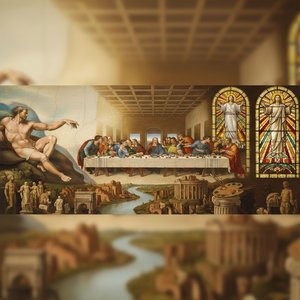
Illuminating Faith: Biblical Scenes & Their Enduring Legacy in Art History
Explore the profound history of biblical art! Discover Renaissance masterpieces by Giotto & more. Uncover symbolism, artistic techniques, and lasting influence. Expert insights at OriginalUniqueArt.

Iluminacja Wiary: Biblijna Narracja i Artystyczna Ekspresja na Przestrzeni Wieków
Odkryj fascynującą historię malarstwa religijnego! Analiza ikonografii, renesansowych arcydzieł i średniowiecznych fresków. Ekspercka wiedza o biblijnych motywach w sztuce.
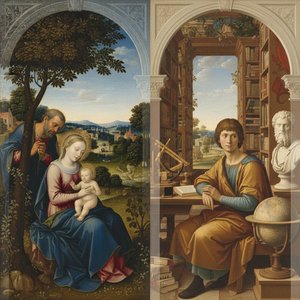
Gerard David: Bridging Late Medieval Tradition with Early Renaissance Humanism
Explore the captivating world of Gerard David, a pivotal figure bridging late medieval artistry with the Early Renaissance. Discover his innovative techniques, religious masterpieces, and enduring legacy – a must-read for discerning art collectors.
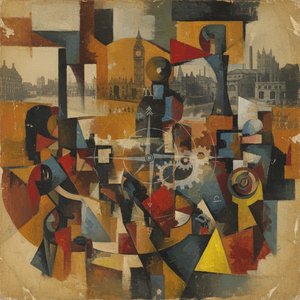
David Bomberg: Reassessing the Pioneering Spirit of Early British Abstraction
Explore the groundbreaking work of David Bomberg, a pivotal figure in British abstraction. Discover his artistic evolution, influences, and lasting legacy through insightful analysis & expert commentary.