
 Podgląd w skali
 Wyślij jako kartkę
 Udostępnij
 Szczegóły dzieła

 Pobierz
 Podobne obiekty
 RTG
RTG Pokaz slajdów
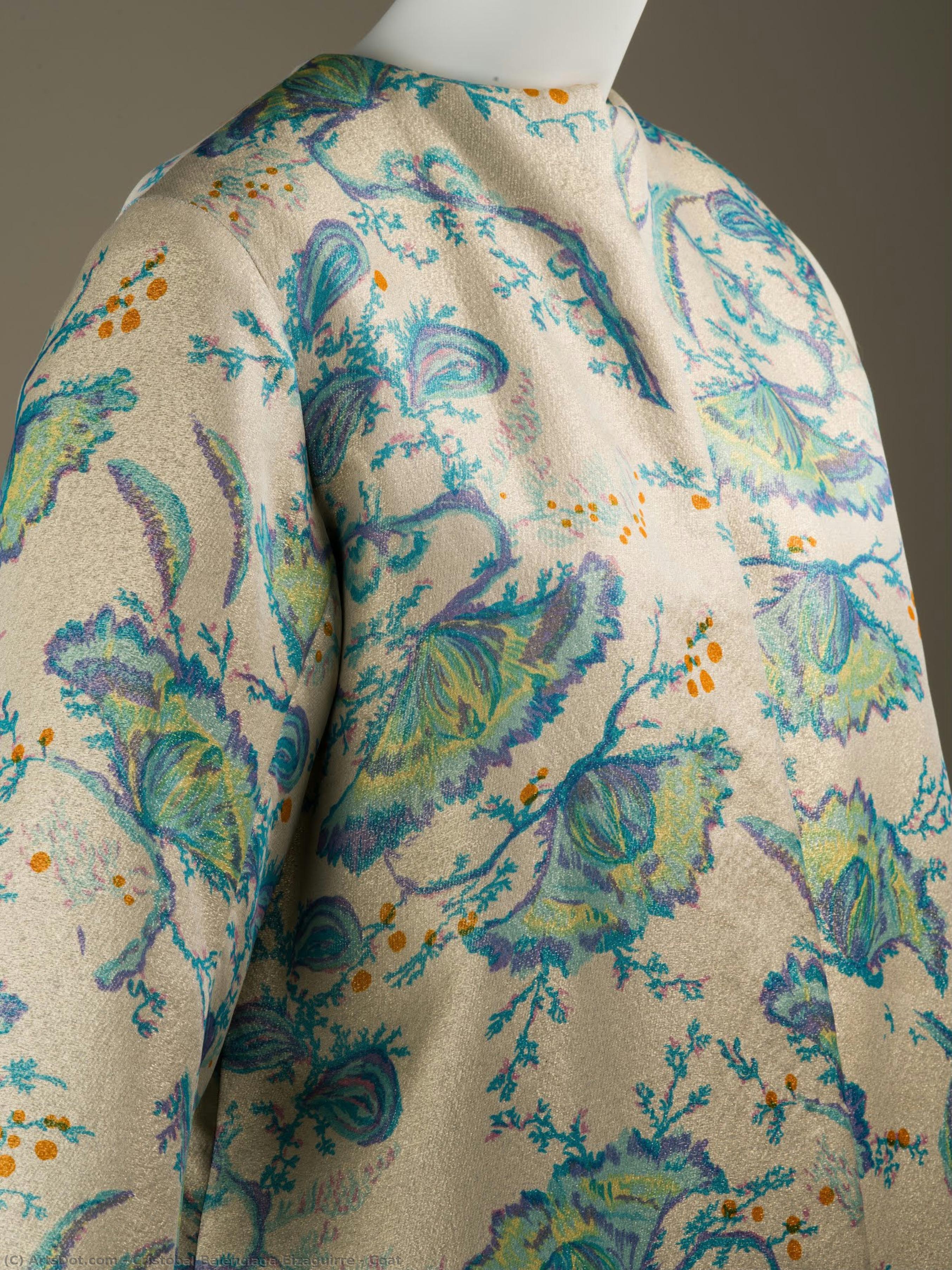
Coat


 Rozwiń treść
Kup wysokiej rozdzielczości, ulepszony obraz cyfrowy o znacznie wyższej jakości niż podgląd online.
Każdy plik jest starannie przygotowywany przez naszych specjalistów przy użyciu zaawansowanych narzędzi oraz profesjonalnej, ręcznej retuszy. Dbamy o to, aby każdy obraz cechował się wyjątkową ostrością, precyzyjnym odwzorowaniem kolorów i subtelnymi detalami.
Ostateczny plik dostarczany jest drogą mailową w ciągu 72 godzin, zoptymalizowany do natychmiastowego wykorzystania w profesjonalnych zastosowaniach redakcyjnych i poligraficznych. To ta sama jakość, której ufają czołowe studia projektowe, wydawnictwa oraz galerie sztuki.
Obraz cyfrowy
Pobierz plik o wysokiej rozdzielczości do osobistego wyświetlania, druku oraz projektów kreatywnych. ( Zamów wydruk Zamów ręcznie malowaną reprodukcję)
W każdym zamówieniu na obraz cyfrowy znajduje się
Profesjonalna dostawa cyfrowa z gwarancją
Wybierając OriginalUniqueArt.com, nie otrzymujesz jedynie obrazu – otrzymujesz profesjonalnie udoskonalone cyfrowe dzieło sztuki, stworzone z najwyższą precyzją i objęte gwarancją satysfakcji. Oto wszystko, co automatycznie dołączane jest do Twojego zamówienia:

Błyskawiczna wysyłka e-mailowa
Plik z obrazem cyfrowym w wysokiej rozdzielczości zostanie przesłany na Twój adres e-mail w ciągu 72 godzin od złożenia zamówienia – gotowy do natychmiastowego użycia.

Plik cyfrowy wzbogacony przez AI
Twoja grafika została profesjonalnie zoptymalizowana przy użyciu zaawansowanych narzędzi AI oraz ręcznej edycji, co zapewnia maksymalną szczegółowość, klarowność i wierność kolorów.

Dożywotnia darmowa ponowna dostawa
Przypadkowo usunąłeś lub zgubiłeś swój plik? Bez obaw – prześlemy go Tobie ponownie w dowolnym momencie, bez żadnych opłat.

Bez opłat importowych – zawsze
Ciesz się swoją sztuką natychmiast, bez żadnych opłat celnych, należności ani kosztów dostawy – pliki cyfrowe są zawsze wolne od podatku.

Gwarancja wierności kolorów
Dzięki zastosowaniu profesjonalnych narzędzi i procesów zarządzania barwą zapewniamy, że Twoje cyfrowe zdjęcie odzwierciedla oryginalne kolory tak wiernie, jak to tylko możliwe.

60-dniowa gwarancja satysfakcji
Jeśli nie będziesz zadowolony ze swojego cyfrowego obrazu, dokonamy jego poprawki lub zwrócimy 100% kosztów w ciągu 60 dni – bez żadnych pytań.

100% Gwarancja zwrotu pieniędzy
Nie jesteś zadowolony? Otrzymaj pełny zwrot kosztów w ciągu 60 dni od otrzymania pliku cyfrowego – bez zbędnych pytań.

Rabaty przy zamówieniach hurtowych
Kup 3 obrazy, oszczędź 10% - Kup 5, oszczędź 15% - Kup 10+, oszczędź 20%. Idealne do projektów kreatywnych, galerii i agencji.
The Weight of Silk and Butterflies: Cristóbal Balenciaga’s ‘Coat’
Cristóbal Balenciaga – often hailed as “the master of us all” by his contemporaries – wasn't merely a fashion designer; he was a sculptor, a craftsman, and an architect of elegance. His creations transcended mere clothing, becoming wearable works of art that redefined the boundaries of haute couture. Balenciaga’s ‘Coat,’ created in 1965, exemplifies this philosophy perfectly. It’s not simply a garment; it's a study in draped volume, intricate texture, and subtle yet profound symbolism – a testament to his singular vision.
The photograph captures the coat in exquisite detail, revealing a luxurious surface of ivory silk wool doublefaced gabardine. The fabric itself speaks volumes: its sheen hints at the meticulous hand-finishing that characterized Balenciaga’s work, while its substantial weight suggests both strength and fluidity. Close inspection reveals an astonishingly complex floral pattern – not a bold, graphic explosion of color, but rather a delicate tapestry of stylized butterflies and blossoms, rendered with remarkable precision. These aren't merely decorative elements; they are integrated seamlessly into the garment’s structure, appearing to grow organically from the folds and drapes.
A Masterclass in Sculptural Construction
Balenciaga’s genius lay not just in his aesthetic sensibility but also in his unparalleled technical skill. He approached each design as a three-dimensional problem, meticulously studying the properties of fabrics and employing innovative construction techniques to achieve breathtaking forms. The ‘Coat’ is no exception. Notice how the shoulders are dramatically broad, creating an immediate sense of power and presence. The sleeves are voluminous yet graceful, cascading downwards in elegant curves. The meticulous pleating and quilting visible beneath the surface contribute not only to the garment's texture but also to its structural integrity – a hallmark of Balenciaga’s approach.
He famously eschewed the use of zippers and buttons whenever possible, preferring instead to rely on hidden seams and internal structures. This commitment to craftsmanship resulted in garments that were both visually stunning and remarkably comfortable to wear. The coat's silhouette is reminiscent of a cocoon – a protective shell offering both warmth and an air of quiet confidence.
Symbolism and the Post-War Mood
The choice of floral imagery within the ‘Coat’ is particularly revealing, reflecting the mood of post-war Paris in the mid-1960s. Following years of austerity and rationing, there was a renewed appreciation for beauty, luxury, and the pleasures of life. The butterflies, symbols of transformation and rebirth, suggest a sense of optimism and renewal. The flowers themselves evoke a feeling of delicate elegance and understated sophistication – qualities that were highly prized in Balenciaga’s designs.
The inclusion of birds—one perched delicately near the top left corner, another towards the bottom right—adds an element of whimsical charm to the composition. They subtly enhance the sense of movement and lightness within the garment's structure, creating a dynamic interplay between form and decoration. These details are not merely decorative; they contribute to the coat’s overall narrative – a story of beauty, resilience, and quiet grace.
A Legacy Enduring Through Reproduction
Balenciaga’s ‘Coat’ remains one of his most iconic creations, embodying his unique vision and unparalleled skill. Reproductions capture the essence of this masterpiece, allowing you to experience its exquisite details and profound beauty in your own home. When selecting a reproduction, consider the quality of materials and the precision of the hand-painting – ensuring that it faithfully reflects the original’s luxurious texture and intricate design. It's more than just a print on fabric; it’s an invitation to step into the world of Cristóbal Balenciaga, a master who continues to inspire generations of designers and art lovers alike.
Biografia artysty
Early Life and Artistic Beginnings
Cristóbal Balenciaga Eizaguirre, a name synonymous with unparalleled elegance and revolutionary design, was born in 1895 in the picturesque fishing village of Getaria, nestled along the rugged coast of Spain’s Basque Country. His early life, steeped in the traditions of his seafaring community, provided an unexpected foundation for a career that would ultimately reshape the world of haute couture. From a young age, Cristóbal was deeply influenced by his mother, a skilled seamstress who operated a small atelier within their home. Witnessing her meticulous craft and the artistry involved in transforming fabric into wearable works of art ignited a passion within him – a desire to master the secrets of design and construction. He began assisting her at just twelve years old, learning the fundamentals of tailoring and patternmaking, skills that would prove crucial to his later success. This early exposure instilled in him an unwavering dedication to precision, a hallmark of his distinctive style. His father’s profession as a fisherman further shaped his perspective, imbuing a deep appreciation for natural materials and their inherent qualities – a respect he consistently translated into his designs.Influences and Artistic Evolution
Balenciaga's artistic journey was profoundly shaped by the vibrant cultural landscape of early 20th-century Spain and beyond. He drew inspiration from a diverse range of sources, including the rich traditions of Basque folk art, the dramatic flair of Spanish flamenco, and the innovative spirit of European avant-garde movements. His initial training in San Sebastián exposed him to the techniques of established tailors, but it was his travels to Paris that truly ignited his creative fire. There, he encountered the groundbreaking designs of Coco Chanel and Elsa Schiaparelli, absorbing their bold experimentation with silhouette and color. Notably, he developed a deep admiration for Diego Velázquez’s paintings, particularly the dramatic use of light and shadow, which informed his approach to draping and volume. The influence of Surrealism is also evident in his later work, as seen in pieces like “Acrobat,” where he pushed the boundaries of form and challenged conventional notions of beauty. Balenciaga's ability to synthesize these diverse influences into a cohesive and utterly unique aesthetic cemented his position as a true visionary.The Rise of a Couturier
Following the Spanish Civil War, Balenciaga recognized the opportunities presented by Paris’s status as the global center of fashion. He established his couture house in 1937 on Avenue George V, quickly gaining recognition for his impeccable craftsmanship and daring designs. His early collections were characterized by their sculptural forms, inspired by historical silhouettes and infused with a distinctly Spanish sensibility. The “Infanta” gown, directly referencing Velázquez’s portraits of the Spanish royal family, became an instant sensation, demonstrating Balenciaga's ability to seamlessly blend tradition and innovation. He quickly gained the patronage of royalty, aristocracy, and Hollywood stars – a testament to his growing reputation as the "Master of Us All," a title bestowed upon him by Christian Dior. During World War II, despite the challenges posed by wartime restrictions, Balenciaga continued to create exquisite garments, utilizing innovative techniques like draping and manipulating fabric to achieve remarkable effects. His designs were highly sought after by clients willing to risk travel to Paris for his creations.Revolutionizing Silhouette and Legacy
Balenciaga’s most significant contribution to fashion was undoubtedly his radical reimagining of the female silhouette. Rejecting the prevailing hourglass shape popularized by Dior, he introduced a series of groundbreaking designs that redefined the way women dressed. His “sack dress,” unveiled in 1957, eliminated the waist altogether, creating a clean, streamlined look that challenged conventional notions of femininity. This was followed by the introduction of the "balloon hem," which dramatically expanded the volume of skirts and jackets, and the iconic “baby doll” dress, characterized by its trapeze-like shape and effortless elegance. These innovations, combined with his masterful use of fabric – particularly silk gazar – established Balenciaga as a true pioneer of modern fashion. His influence extended far beyond individual garments; he fundamentally altered the way designers approached form and construction, paving the way for subsequent generations of creatives. Cristóbal Balenciaga Eizaguirre died in 1972, leaving behind a legacy that continues to inspire awe and admiration within the world of fashion. His work remains celebrated for its timeless elegance, impeccable craftsmanship, and unwavering commitment to pushing the boundaries of design.
Cristóbal Balenciaga
1895 - 1972 , Hiszpania
Krótka nota
- Artistic Movement Or Style: Avant-garde / Surrealizm
- Artists Or Movements Influenced By This Artist: ['Diego Velázquez']
- Artists Who Influenced This Artist:
- Coco Chanel
- Christian Dior
- Date Of Birth: 21 stycznia 1895
- Date Of Death: 23 marca 1972
- Full Name: Cristóbal Balenciaga Eizaguirre
- Nationality: Hiszpański
- Notable Artworks:
- Study 'Song of Songs IV'
- Tree Roots
- Acrobat
- Place Of Birth: Getaria, Hiszpania

