

 Wyślij
 Udostępnij
 Szczegóły
 Przewodnik

 Pobierz plik obrazu
 Podobne obiekty
 Pokaz slajdów
 Statystyki
Brooch


 Czytaj więcej
Dzieło sztuki prezentowane na tej stronie podlega ochronie prawem autorskim, co oznacza, że nie mamy prawa do tworzenia ani sprzedaży jego identycznej reprodukcji. Ochrona ta jest egzekwowana na mocy umów międzynarodowych, takich jak Konwencja berneńska oraz przez przepisy prawa krajowego, w tym te określone w Prawo autorskie USA – Tytuł 17.
Metoda ta jest w pełni zgodna z przepisami prawa autorskiego, ponieważ nie polega na kopiowaniu ani powielaniu chronionego dzieła. Stanowi ona kreatywną reinterpretację – nowy obraz, który czerpie inspirację z oryginału, ale nie jest z nim tożsamy.
Giclée / Wydruk artystyczny
Wydruki giclée lub płótna o jakości muzealnej, szybka realizacja i szeroki wybór opcji wykończenia. ( Kup ręcznie malowany obraz Przełącz na wersję cyfrową)




































Wybierz spośród naszych standardowych rozmiarów, które zachowują oryginalne proporcje dzieła sztuki.

Wpisz wymaganą szerokość i wysokość, aby dopasować grafikę do ramy lub ściany. Wydruk można jedynie przyciąć, nigdy nie powiększając go poza oryginalny obraz, dlatego format o innym proporcji spowoduje utratę części kompozycji. Przed rozpoczęciem druku prześlemy Ci cyfrowy podgląd do zatwierdzenia. Obraz wyświetlany na tej stronie nie pokazuje rzeczywistego przycięcia — jedynie podgląd oddaje ten efekt.
Dostawa na cały świat () w ciągu 2 tygodni zamiast standardowych 4/5 tygodni. (24 Październik)

Bezpłatna ekspresowa wysyłka na cały świat

Wysokiej jakości płótno lniane

Pełne ubezpieczenie transportowe

Gwarancja zwrotu należności celnych i podatków importowych

Gwarancja idealnego odwzorowania barw

100-dniowy okres na zwrot dzieła w przypadku wykrycia wad produkcyjnych

Gwarancja 100% zwrotu pieniędzy

Oferta przy zakupie wielu sztuk
 Opcja ze szkłem jest dostępna wyłącznie w rozmiarach poniżej 110 cm

Brooch
Giclée / Wydruk artystyczny
Rozmiar reprodukcji
-


Suma do zapłaty
zł 308
The Architecture of Elegance: A Study in Couture Form
To stand before this depiction of a Balenciaga coat is to encounter fashion elevated to the realm of pure sculpture. It is not merely an article of clothing, but a carefully considered architectural statement, frozen in time by the lens of masterful photography. The subject matter itself—a garment displayed upon a mannequin—forces the viewer to look beyond mere wearability and instead appreciate the structure, the drape, and the inherent geometry conceived by Cristóbal Balenciaga. His genius lay in understanding volume; he seemed to sculpt with fabric, allowing the material to suggest forms that defied gravity or convention. The coat, rendered here in stark monochrome, becomes a study in negative space as much as it is a celebration of its own silhouette.
Mastery of Light and Shadow: Photographic Technique
The technical brilliance underpinning this image is undeniable. The photographer has employed dramatic, directional lighting that carves the form out of the surrounding void. Observe how the strong highlights catch the subtle nap or matte quality of the material, while the deep shadows pool in the folds, giving the piece an almost tangible weight. This interplay between illumination and obscurity—the chiaroscuro effect applied to fashion—is what lends the image its profound depth. The background, a textured gray expanse punctuated by dynamic diagonal light streaks, serves not as mere setting, but as an active compositional element, guiding the eye across the garment's planes and suggesting movement even in this static display.
A Timeless Dialogue: Symbolism and Historical Context
The choice of black and white is perhaps the most potent symbolic gesture. By stripping away the distraction of color, the image achieves a timeless quality, allowing the viewer to focus solely on line, texture, and form—the very elements that define Balenciaga's enduring legacy. This piece speaks to an era where couture was treated as high art; it evokes the sophisticated glamour of mid-20th century fashion photography. It whispers tales of Parisian ateliers and uncompromising standards, connecting the viewer directly to the avant-garde spirit that defined modern design. Owning a reproduction of this work is acquiring a piece of that cultural memory.
Interior Inspiration: Integrating Art into Living Space
For the collector or interior designer, this artwork offers more than just visual appeal; it provides an aesthetic anchor. Its strong verticality and dramatic contrast make it exceptionally versatile for creating focal points in sophisticated settings. Imagine it displayed above a console table or within a gallery wall dedicated to design history. The inherent drama of the lighting translates beautifully into physical space, adding depth and intellectual gravitas without overwhelming the room's natural palette. It suggests an appreciation for craftsmanship that transcends fleeting trends.
Pytania i odpowiedzi
Czy kolory w „Brooch” autorstwa Cristóbal Balenciaga są nasycone czy stonowane?
Paleta dzieła "Brooch" charakteryzuje się Muted nasyceniem kolorów.
Jaki ładunek emocjonalny niesie ze sobą „Brooch” autorstwa Cristóbal Balenciaga?
Emocjonalny ton przypisany do „Brooch” autorstwa Cristóbal Balenciaga to Romantic. Podsumowuje on uczucia, jakie wyraża to dzieło.
W jaki sposób tematyka dzieła "Brooch" odnosi się do typowych motywów twórczości Cristóbal Balenciaga?
„Brooch” przedstawia fashion, balenciaga, couture, brooch, 1950s, black & white, mannequin, podczas gdy utrwalone motywy Cristóbal Balenciaga to avant-garde art movement, basque heritage, regional identity, high fashion, couture legacy, sculptural design, architectural forms, innovative tailoring. Porównanie tych dwóch elementów ukazuje, jak dzieło odnosi się do typowej dla tego artysty tematyki.
Biografia artysty
Early Life and Artistic Beginnings
Cristóbal Balenciaga Eizaguirre, a name synonymous with unparalleled elegance and revolutionary design, was born in 1895 in the picturesque fishing village of Getaria, nestled along the rugged coast of Spain’s Basque Country. His early life, steeped in the traditions of his seafaring community, provided an unexpected foundation for a career that would ultimately reshape the world of haute couture. From a young age, Cristóbal was deeply influenced by his mother, a skilled seamstress who operated a small atelier within their home. Witnessing her meticulous craft and the artistry involved in transforming fabric into wearable works of art ignited a passion within him – a desire to master the secrets of design and construction. He began assisting her at just twelve years old, learning the fundamentals of tailoring and patternmaking, skills that would prove crucial to his later success. This early exposure instilled in him an unwavering dedication to precision, a hallmark of his distinctive style. His father’s profession as a fisherman further shaped his perspective, imbuing a deep appreciation for natural materials and their inherent qualities – a respect he consistently translated into his designs.Influences and Artistic Evolution
Balenciaga's artistic journey was profoundly shaped by the vibrant cultural landscape of early 20th-century Spain and beyond. He drew inspiration from a diverse range of sources, including the rich traditions of Basque folk art, the dramatic flair of Spanish flamenco, and the innovative spirit of European avant-garde movements. His initial training in San Sebastián exposed him to the techniques of established tailors, but it was his travels to Paris that truly ignited his creative fire. There, he encountered the groundbreaking designs of Coco Chanel and Elsa Schiaparelli, absorbing their bold experimentation with silhouette and color. Notably, he developed a deep admiration for Diego Velázquez’s paintings, particularly the dramatic use of light and shadow, which informed his approach to draping and volume. The influence of Surrealism is also evident in his later work, as seen in pieces like “Acrobat,” where he pushed the boundaries of form and challenged conventional notions of beauty. Balenciaga's ability to synthesize these diverse influences into a cohesive and utterly unique aesthetic cemented his position as a true visionary.The Rise of a Couturier
Following the Spanish Civil War, Balenciaga recognized the opportunities presented by Paris’s status as the global center of fashion. He established his couture house in 1937 on Avenue George V, quickly gaining recognition for his impeccable craftsmanship and daring designs. His early collections were characterized by their sculptural forms, inspired by historical silhouettes and infused with a distinctly Spanish sensibility. The “Infanta” gown, directly referencing Velázquez’s portraits of the Spanish royal family, became an instant sensation, demonstrating Balenciaga's ability to seamlessly blend tradition and innovation. He quickly gained the patronage of royalty, aristocracy, and Hollywood stars – a testament to his growing reputation as the "Master of Us All," a title bestowed upon him by Christian Dior. During World War II, despite the challenges posed by wartime restrictions, Balenciaga continued to create exquisite garments, utilizing innovative techniques like draping and manipulating fabric to achieve remarkable effects. His designs were highly sought after by clients willing to risk travel to Paris for his creations.Revolutionizing Silhouette and Legacy
Balenciaga’s most significant contribution to fashion was undoubtedly his radical reimagining of the female silhouette. Rejecting the prevailing hourglass shape popularized by Dior, he introduced a series of groundbreaking designs that redefined the way women dressed. His “sack dress,” unveiled in 1957, eliminated the waist altogether, creating a clean, streamlined look that challenged conventional notions of femininity. This was followed by the introduction of the "balloon hem," which dramatically expanded the volume of skirts and jackets, and the iconic “baby doll” dress, characterized by its trapeze-like shape and effortless elegance. These innovations, combined with his masterful use of fabric – particularly silk gazar – established Balenciaga as a true pioneer of modern fashion. His influence extended far beyond individual garments; he fundamentally altered the way designers approached form and construction, paving the way for subsequent generations of creatives. Cristóbal Balenciaga Eizaguirre died in 1972, leaving behind a legacy that continues to inspire awe and admiration within the world of fashion. His work remains celebrated for its timeless elegance, impeccable craftsmanship, and unwavering commitment to pushing the boundaries of design.
Cristóbal Balenciaga
1895 - 1972 , Hiszpania
Najważniejsze informacje
- Artistic Movement Or Style: Avant-garde / Surrealizm
- Artists Or Movements Influenced By This Artist: ['Diego Velázquez']
- Artists Who Influenced This Artist:
- Coco Chanel
- Christian Dior
- Date Of Birth: 21 stycznia 1895
- Date Of Death: 23 marca 1972
- Full Name: Cristóbal Balenciaga Eizaguirre
- Nationality: Hiszpański
- Notable Artworks:
- Study 'Song of Songs IV'
- Tree Roots
- Acrobat
- Place Of Birth: Getaria, Hiszpania
Zobacz także powiązane artykuły

Timeless Elegance: Unveiling the Chic Allure and Artistic Legacy of Black Dress Artworks
Immerse yourself in the timeless allure of black dress artworks. Explore a curated collection of fine art reproductions and bespoke oil paintings that blend fashion history with modern elegance. Discover how OriginalUniqueArt.com transforms memories into exquisite, hand-painted masterpieces.
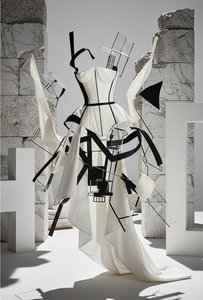
Gianfranco Ferré: Deconstructing Haute Couture – A Legacy of Architectural Form
Explore the revolutionary world of Gianfranco Ferré, 'the architect of fashion.' Discover his architectural approach to haute couture, iconic Dior designs, and lasting influence on luxury style. A deep dive for collectors & enthusiasts.
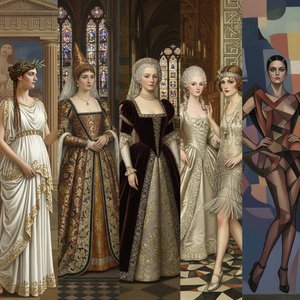
Style Through the Ages: Iconic Artworks That Defined the Evolution of Fashion Design
Explore the breathtaking intersection of fine art and high fashion. Discover how iconic masterpieces from Art Deco to Impressionism have shaped the world of luxury couture and timeless design in this curated visual journey.

Czarne arcydzieła: Top 10 słynnych obrazów pełnych mroku i ekspresji | OriginalUniqueArt.com
Odkryj 10 słynnych obrazów, w których czerń króluje! Poznaj historie artystów, ekspresjonizm i mroczną paletę barw. Reprodukcje dzieł sztuki najwyższej jakości na OriginalUniqueArt.com – inspiracje do wnętrz i kolekcjonerstwo.

Cristóbal Balenciaga: Deconstructing Haute Couture's Architectural Legacy
Explore the revolutionary world of Cristóbal Balenciaga, the 'couturier's couturier'. Discover his architectural designs, lasting influence on haute couture, and guide to collecting rare pieces. A connoisseur’s resource.

