

 Podgląd w skali 1:1
 Wyślij jako kartkę
 Udostępnij
 Szczegóły dzieła
 Przewodnik

 Pobierz obraz
 Podobne obiekty
 RTG
RTG Pokaz slajdów
 Q&A
Q&A Statystyki
The Last Supper
 Acrylic On Canvas
- WallArt
- Renaissance Early
 1481
1481 349.0 x 570.0 cm
 Kaplica Sykstyńska
 Rozwiń treść
Ręcznie malowana reprodukcja olejowa
Ręcznie malowany obraz olejny na płótnie, wykonany na zamówienie przez naszych artystów w wybranym przez Ciebie wymiarze i oprawie. ( Przełącz na wydania drukowane Przejdź do wersji cyfrowej)




P118B zł10

P118H zł10

P118W zł10

P438Z zł10

P508JH zł12

P508YH zł12

P805H zł10

P805Z zł10

P919BZ zł10

P919G zł10

P919XJ zł10

P959ZH zł10

P968JZ zł12

W106C zł8

W218G zł10

W218JH zł8

W218Y zł10

W307PJ zł10

W316G zł10

W316PJ zł8

W316Y zł10

W398PJ zł8

W4111J zł10

W500HY zł15

W500JH zł15

W692G zł12

W849H zł8

W940BG zł15

W953PJ zł8




Wybierz spośród naszych standardowych rozmiarów, które zachowują oryginalne proporcje dzieła sztuki.

Wpisz wymaganą szerokość i wysokość, aby obraz pasował do Twojej ramy lub ściany. Ponieważ jest to dzieło malowane ręcznie, w przypadku rozmiaru o innych proporcjach artysta może domalować nieco więcej wokół obrazu lub przyciąć jego fragmenty — wybór należy do Ciebie. Przed rozpoczęciem pracy prześlemy Ci cyfrową wizualizację do zatwierdzenia. Obraz widoczny na tej stronie nie przedstawia rzeczywistego efektu — jedynie wizualizacja oddaje realny rezultat.
Po złożeniu zamówienia zespół OriginalUniqueArt.com skontaktuje się z klientem drogą mailową w celu uzyskania instrukcji i prześle wizualizację projektu
Dostawa na całym świecie () w ciągu 3–4 tygodni zamiast standardowych 5 tygodni. (29 Październik). Bez kompromisów w kwestii jakości.

Bezpłatna ekspresowa wysyłka na cały świat

Wysokiej jakości płótno lniane

Pełne ubezpieczenie przesyłki

Gwarancja zwrotu należności celnych i podatków importowych

Gwarancja wiernego odwzorowania kolorów

100-dniowa polityka zwrotów (tylko w przypadku wad)

Gwarancja 100% zwrotu pieniędzy

Zniżka przy zakupie wielu sztuk
 Opcja ze szkłem jest dostępna wyłącznie w rozmiarach poniżej 110 cm

The Last Supper
Technika reprodukcji
Wymiary reprodukcji
-


Cena całkowita
zł 1156
The Last Supper: A Renaissance Revelation
Cosimo Rosselli’s “The Last Supper,” painted in 1481–82 for the Sistine Chapel in Rome, isn't merely a depiction of a biblical meal; it’s a profound meditation on faith, betrayal, and the human condition. Commissioned during a period of immense artistic innovation—a time when Leonardo da Vinci was laying the groundwork for modern painting—Rosselli’s fresco stands as a testament to the Florentine Renaissance’s vibrant spirit and its masterful command of perspective and color. The scene unfolds within a meticulously rendered Roman dining room, bathed in an ethereal light that seems to emanate from the figures themselves. The composition is remarkably dynamic, eschewing the static formality often found in earlier religious art for a sense of immediate engagement. Notice how Rosselli cleverly uses spatial recession—the diminishing size of objects and figures as they recede into the background—to draw the viewer’s eye directly to Jesus at the center of the table.
Rosselli's technique is characterized by a bold, almost theatrical use of color. He departs from the muted tones favored by some of his contemporaries, opting instead for vibrant reds, blues, and golds that imbue the scene with an extraordinary luminosity. This heightened palette wasn’t simply decorative; it served to heighten the drama and emotional intensity of the event. The fresco employs a technique known as *tempera*, applied to a prepared gesso surface—a method that allowed for greater flexibility in altering details compared to traditional fresco painting, though it also meant a more fragile and susceptible final product. The careful layering of pigments and the masterful blending of colors demonstrate Rosselli’s exceptional skill and his willingness to experiment with new approaches.
Symbolism and Narrative Depth
Beyond its technical brilliance, “The Last Supper” is rich in symbolic meaning. The arrangement of the apostles around the table isn't arbitrary; it reflects their individual personalities and relationships within the group. Jesus’s gesture—a simple pointing towards himself—is a pivotal moment, signifying his impending sacrifice and offering a path to salvation. Pay close attention to Judas Iscariot, often depicted with a subtly sinister expression and clutching a bag of silver – a clear representation of his betrayal. The inclusion of the windows in the background isn’t just an architectural detail; they frame key events leading up to Christ's crucifixion: the prayer on Mount of Olives, the arrest, and ultimately, the agonizing scene of his death. These windows provide a visual narrative that deepens our understanding of the story.
Rosselli masterfully captures the emotional turmoil surrounding this pivotal event. The apostles’ reactions—shock, disbelief, fear, anger—are rendered with remarkable sensitivity. The artist doesn't shy away from portraying the uncomfortable truths of human nature: greed, jealousy, and betrayal. Yet, amidst the darkness, there is also a sense of profound sorrow and acceptance, reflecting the spiritual weight of the occasion.
Historical Context and Legacy
“The Last Supper” was created during a period of immense artistic ferment in Rome—a time when the city was vying with Florence for dominance in the Renaissance. Rosselli’s participation in this project highlights the interconnectedness of the Italian art world, as artists traveled between cities, exchanging ideas and techniques. The fresco's placement within the Sistine Chapel, a space dedicated to papal authority, underscores its importance as a symbol of Christian faith and power.
Despite suffering significant damage over the centuries due to environmental factors and restoration attempts, “The Last Supper” remains one of the most iconic images in Western art. Its innovative composition, vibrant colors, and profound symbolism continue to captivate viewers today. Reproductions offer a remarkable opportunity to experience this masterpiece firsthand, allowing us to appreciate Rosselli’s genius and his enduring contribution to the history of painting.
A Timeless Masterpiece for Your Space
OriginalUniqueArt offers meticulously crafted reproductions of Cosimo Rosselli's “The Last Supper,” ensuring that you can bring this extraordinary artwork into your home or office. Our high-quality prints capture the essence of the original fresco, faithfully reproducing its vibrant colors and dynamic composition. Whether you’re an art enthusiast, a collector, or simply seeking to add a touch of Renaissance grandeur to your surroundings, our reproductions provide a stunning tribute to one of history's greatest artistic achievements.
Pytania i odpowiedzi
Gdzie mogę znaleźć przewodnik do "The Last Supper"?
Przewodnik po "The Last Supper" to strona Karta informacyjna dla uczniów dzieła sztuki – nadrukowalna karta informacyjna zawierająca opis utworu, informacje o autorstwie oraz tabelę danych (artysta, daty, technika, wymiary oryginału, kolekcja).
W jaki sposób kolory dzieła „The Last Supper” – Cosimo Rosselli korespondują z jego ładunkiem emocjonalnym?
Paleta Earthy dzieła „The Last Supper” – Cosimo Rosselli współgra z jego Reflective wydźwiękiem emocjonalnym. Kolor jest jednym ze sposobów, w jakie praca przekazuje emocje.
Gdzie mogę zobaczyć podgląd dzieła "The Last Supper"?
Podgląd dzieła „The Last Supper” – Cosimo Rosselli można znaleźć na stronie Podgląd w pomieszczeniu.
Biografia artysty
Cosimo Rosselli (1439–1507) - Art UK
(b Florence, 1439; d Florence, ?7 Jan. 1507). Florentine painter. His successful career (the highpoint of which was painting frescos in the Sistine Chapel, 1481–2, together with Botticelli, Ghirlandaio, and Perugino) was based on his facility and high standards of craftsmanship rather than on any great distinction or originality as an artist. His pupils included Fra Bartolommeo and Piero di Cosimo.- Early Foundations: Domenico Ghirlandaio’s workshop provided Rosselli with a crucial foundation in painting techniques and compositional principles, shaping his early aesthetic sensibilities.
- Roman Experience: Working alongside other leading Renaissance artists in the Sistine Chapel exposed him to new styles and approaches, broadening his artistic horizons and influencing his later work. The collaborative environment fostered an exchange of ideas and a heightened awareness of contemporary trends.
- Perugino’s Grace: Pietro Perugino's graceful style and harmonious compositions exerted a noticeable influence on Rosselli’s artistic development, encouraging him to refine his figures and create more balanced arrangements.
- Echoes of the Past: He absorbed elements from earlier masters like Masaccio and Fra Angelico, incorporating their innovations—such as realistic depictions of space and emotional expression—into his own distinctive style. This demonstrates a deep understanding of art history and a willingness to learn from those who came before him.
Lorenzo Monaco and Cosimo Rosselli
Piero di Giovanni, called Lorenzo Monaco was a Florentine painter, also known as Lawrence the Monk. He gained this religious nickname from his time within the Camaldolese Monastery of Santa Maria degli Angeli of Florence. He eventually left the Monastery to pursue a career as an artist, painting in the International Gothic style of the 14th Century, as well as in the style of the Sienese School of painting. In this respect Monaco merged the Sienese style with the prominent Florentine style of the time.Cosimo Rosselli’s Work
Rosselli's most notable achievements include his participation in the Sistine Chapel fresco cycle, where he collaborated with Botticelli, Ghirlandaio and Perugino to depict scenes from the Life of Jesus. His contribution focused on portraying biblical narratives with remarkable clarity and emotional depth. He was highly respected and received numerous private and public commissions.Influences and Artistic Development
Early influences included Domenico Ghirlandaio’s workshop, which instilled in him a linear precision and vibrant palette. He absorbed elements from Masaccio and Fra Angelico, incorporating their innovations into his own distinctive style. His mature style blossomed during this period, characterized by refined compositions, elegant figures, and increasingly detailed landscapes.Legacy and Historical Significance
Cosimo Rosselli’s legacy resides in his contribution to the Florentine Renaissance and his ability to synthesize diverse influences into a harmonious artistic vision. He remains an important figure in art history, admired for his skill as a painter and his dedication to portraying religious themes with grace and sincerity.
Cosimo Rosselli
1439 - 1507 , Włochy
Krótka nota
- Artistic Movement Or Style: Quattrocento
- Artists Or Movements Influenced By This Artist:
- Masaccio
- Fra Angelico
- Artists Who Influenced This Artist:
- Domenico Ghirlandaio
- Pietro Perugino
- Date Of Birth: ok. 1439
- Date Of Death: ?7 Jan. 1507
- Full Name: Cosimo Rosselli
- Nationality: Włoski
- Notable Artworks:
- Śmierć Prokris
- Bachanalie
- Place Of Birth: Florencja
Powiązane artykuły
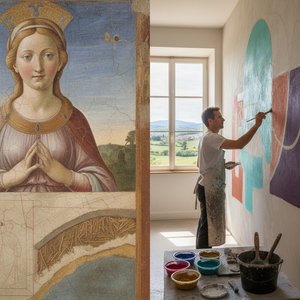
The Enduring Legacy of Fresco Painting: Techniques, History & Contemporary Relevance
Explore the rich history & enduring artistry of fresco painting – from Giotto to Michelangelo! Discover techniques, conservation efforts, & modern applications. Learn how OriginalUniqueArt brings this timeless art form to your home.
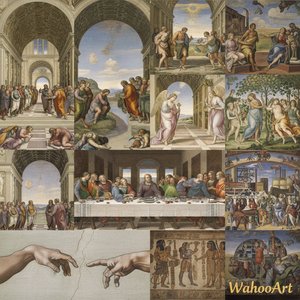
10 Legendarnych Fresków, Które Na Zawsze Zmieniły Sztukę | OriginalUniqueArt
Odkryj 10 legendarnych fresków renesansu i baroku! Poznaj historie Leonarda da Vinci, Michała Anioła i Rafaela. Inspiracje wnętrzarskie i reprodukcje obrazów najwyższej jakości na OriginalUniqueArt.com – sztuka dla Twojego domu.
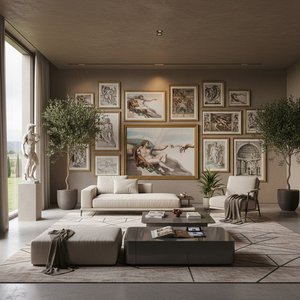
Michelangelo Buonarroti: 25 Arcydzieł Genialnego Mistrza | OriginalUniqueArt.com
Odkryj 25 arcydzieł Michelangelo Buonarroti – od Pietà po Kaplicę Sykstyńską. Poznaj historię, technikę i piękno renesansowych fresków i rzeźb. Reprodukcje obrazów najwyższej jakości na OriginalUniqueArt.com! Eksploruj kolekcję online.
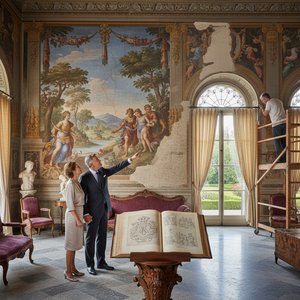
Fresk jako Rodzinna Spuścizna: Utrwalenie Dziedzictwa na Ścianach
Odkryj sztukę fresku! Poznaj historię, technikę i inspiracje. Zamów spersonalizowany fresk rodzinny – trwałe dzieło sztuki dla przyszłych pokoleń. Profesjonalna konserwacja i ochrona.

Trwała Spuścizna Fresku: Technika, Historia i Wyraz Artystyczny w Różnych Kulturach
Odkryj fascynujący świat fresków! Poznaj historię, technikę tworzenia i wybitnych artystów. Ekspercka analiza konserwacji i współczesne zastosowania malowideł ściennych. Inspiracje dla wnętrz i pasjonatów sztuki.