

 Zobacz w skali 1:1
 Wyślij
 Udostępnij
 Szczegóły
 Przewodnik

 Pobierz plik obrazu
 Podobne obiekty
 RTG
RTG Pokaz slajdów
 Statystyki
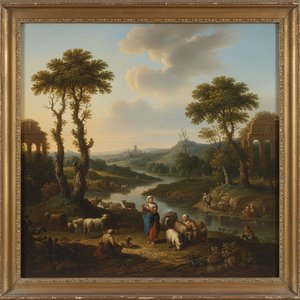
Roman Ruins
 Oil
Oil- WallArt
- Dutch Golden Age
 1620
1620- Early Modern
 23.0 x 31.0 cm
 Czytaj więcej
Giclée / Wydruk artystyczny
Wydruki giclée lub płótna o jakości muzealnej, szybka realizacja i szeroki wybór opcji wykończenia. ( Kup ręcznie malowany obraz Przełącz na wersję cyfrową)




P118B zł10

P118H zł10

P118W zł10

P438Z zł10

P508JH zł12

P508YH zł12

P805H zł10

P805Z zł10

P919BZ zł10

P919G zł10

P919XJ zł10

P959ZH zł10

P968JZ zł12

W106C zł8

W218G zł10

W218JH zł8

W218Y zł10

W307PJ zł10

W316G zł10

W316PJ zł8

W316Y zł10

W398PJ zł8

W4111J zł10

W500HY zł15

W500JH zł15

W692G zł12

W849H zł8

W940BG zł15

W953PJ zł8




Wybierz spośród naszych standardowych rozmiarów, które zachowują oryginalne proporcje dzieła sztuki.

Wpisz wymaganą szerokość i wysokość, aby dopasować grafikę do ramy lub ściany. Wydruk można jedynie przyciąć, nigdy nie powiększając go poza oryginalny obraz, dlatego format o innym proporcji spowoduje utratę części kompozycji. Przed rozpoczęciem druku prześlemy Ci cyfrowy podgląd do zatwierdzenia. Obraz wyświetlany na tej stronie nie pokazuje rzeczywistego przycięcia — jedynie podgląd oddaje ten efekt.
Dostawa na cały świat () w ciągu 2 tygodni zamiast standardowych 4/5 tygodni. (24 Październik)

Bezpłatna ekspresowa wysyłka na cały świat

Wysokiej jakości płótno lniane

Pełne ubezpieczenie transportowe

Gwarancja zwrotu należności celnych i podatków importowych

Gwarancja idealnego odwzorowania barw

100-dniowy okres na zwrot dzieła w przypadku wykrycia wad produkcyjnych

Gwarancja 100% zwrotu pieniędzy

Oferta przy zakupie wielu sztuk
 Opcja ze szkłem jest dostępna wyłącznie w rozmiarach poniżej 110 cm

Roman Ruins
Giclée / Wydruk artystyczny
Rozmiar reprodukcji
-


Suma do zapłaty
zł 307
A Window into Antiquity: The Timeless Allure of Roman Ruins
In the delicate, circular embrace of this exquisite tondo, Cornelis van Poelenburgh invites us to step through a portal into a bygone era. Painted around 1620, Roman Ruins is far more than a mere depiction of architectural decay; it is a profound meditation on the passage of time and the enduring relationship between humanity and the remnants of greatness. The composition, framed by its characteristic round format, focuses our gaze upon a landscape where the grandeur of the Roman Empire has softened into a pastoral sanctuary. Within this intimate space, the heavy stone arches and crumbling pillars serve as silent witnesses to history, now providing a backdrop for the quiet, rhythmic pulse of rural life.
The scene unfolds with a masterful use of light and shadow, reminiscent of the Dutch Golden Age's obsession with atmospheric truth. As we gaze upon the foreground, we encounter a world in gentle motion: a shepherd tending his flock, a laborer with his oxen, and figures caught in quiet contemplation. These small-scale inhabitants of the landscape bring a sense of warmth and vitality to the otherwise somber ruins. The artist employs a subtle, earthy palette—rich ochres, muted greens, and soft umbers—to weave a tapestry of textures that feels both tactile and ethereal. The hazy, overcast sky suggests the fleeting light of dawn or dusk, casting a melancholic yet peaceful glow over the entire vista, evoking a sense of nostalgia for a lost civilization.
The Mastery of the Italianate Style
Cornelis van Poelenburgh was a pivotal figure in the first generation of Dutch landscape painters who found profound inspiration in Italy. His travels to Rome allowed him to infuse his Northern training with the classical elegance of the Mediterranean. In Roman Ruins, we see this synthesis perfected. The technique is characterized by an incredible attention to detail; every crack in the ancient masonry and every distant bird in flight is rendered with a precision that draws the viewer deeper into the frame. This meticulousness does not feel clinical, however, but rather serves to enhance the three-dimensional depth of the scene, making the archway feel like a real threshold through which one might walk.
For the discerning collector or interior designer, this piece offers a unique emotional resonance. It possesses a "Caravaggesque" drama tempered by a serene, pastoral tranquility. The symbolism of the ruins—representing the inevitable cycle of rise and fall—is balanced by the resilience of the natural world and the simplicity of the human spirit. Such a work is an ideal centerpiece for a sophisticated interior, providing a conversational focal point that inspires reflection. Whether placed in a sunlit study or a grand gallery, this reproduction captures a moment of eternal stillness, offering any space it inhabits a touch of historical majesty and poetic grace.
Pytania i odpowiedzi
Kto stworzył "Roman Ruins" i w jakim roku?
Dzieło "Roman Ruins" zostało stworzone przez Cornelis Van Poelenburch w 1620 roku.
Co przedstawia „Roman Ruins” autorstwa Cornelis Van Poelenburch?
Tematyka obecna w „Roman Ruins” autorstwa Cornelis Van Poelenburch obejmuje figures, sheep, cow, archway, ruins, trees, birds, earth tones. Razem stanowią one podsumowanie tematyki dzieła.
Jak intensywne są kolory dzieła "Roman Ruins"?
Kolory dzieła „Roman Ruins” autorstwa Cornelis Van Poelenburch wykazują Muted nasycenie przy Balanced intensywności.
Biografia artysty
wczesne lata i kształcenie
cornelis van poelenburgh, wybitny holenderski malarz pejzażu, przyszedł na świat w 1594 roku w utrecht, w niderlandach. jego artystyczna droga rozpoczęła się pod okiem abrahama bloemaerta, znamienitego artysty tamtej epoki. to właśnie ta fundamentalna edukacja położyła podwaliny pod przyszłe sukcesy van poelenburgha, kształtując jego wrażliwość na detal i światło.kariera artystyczna i inspiracje
podróże van poelenburgha do rzymu na początku XVII wieku wywarły głęboki wpływ na jego twórczość, czyniąc go czołowym przedstawicielem pierwszego pokolenia holenderskich malarzy pejzażu działających w słonecznej italii. jego miniaturowe płótna, często przedstawiające włoskie krajobrazy z drobnymi postaciami odgrywającymi sceny biblijne lub mitologiczne, stały się wizytówką jego unikalnego stylu. najważniejsze dzieła:- satyrs spying on nymphs (po 1627 r.), charakterystyczny przykład twórczości van poelenburgha, ukazujący archaiczne krajobrazy z postaciami kąpiącymi się w naturze. (zobacz na OriginalUniqueArt)
- council of the gods (ok. 1630 r.), malowidło prezentujące idealistyczny, pagórkowaty krajobraz oraz boginie inspirowane antykiem, które obecnie znajduje się w zbiorach mauritshuis (haga, niderlandy). (zobacz na OriginalUniqueArt)
dziedzictwo i późniejsze lata życia
dzieła van poelenburgha cieszyły się ogromnym uznaniem wśród współczesnych mu elit, w tym wielkiego księcia toskańskiego oraz holenderskiego stadholdera. artysta powrócił później do utrecht, gdzie zmarł w 1667 roku, zaledwie kilka lat po swoim dawnym mistrzu, abrahamie bloemaercie. kluczowe fakty:- urodzony w utrecht, niderlandy w 1594 roku
- kształcony przez abrahama bloemaerta
- zainspirowany pobytem w rzymie
- znany z niewielkich, włoskich pejzaży z postaciami
- zmarł w utrecht w 1667 roku zobacz dzieła cornelis van poelenburch na OriginalUniqueArt dowiedz się więcej o cornelis van poelenburgh na wikipedia

Cornelis Van Poelenburch
1594 - 1667 , Holandia
Najważniejsze informacje
- Artistic Movement Or Style: Niderlandzki pejzaż, Romanat
- Artists Or Movements Influenced By This Artist: ['Claude Lorraine']
- Artists Who Influenced This Artist: ['Abraham Bloemaert']
- Date Of Birth: 1594, Utrecht, Holandia
- Date Of Death: 1667, Utrecht, Holandia
- Full Name: Cornelis van Poelenburgh
- Nationality: Holender
- Notable Artworks:
- Satyrowie szpiegujący nimfy
- Rada bogów
- Place Of Birth: Utrecht, Holandia
Zobacz także powiązane artykuły

Golden Light & Dutch Skies: The Timeless Magic of Dutch Golden Age Landscapes
Discover the breathtaking beauty of Dutch Golden Age landscapes. Explore the mastery of light, chiaroscuro, and 17th-century realism through an expert art history lens, celebrating the enduring legacy of the Dutch Masters for discerning collectors and art lovers.

Złoty Wiek Niderlandów: Światło, Realizm i Kulturowe Innowacje w Malarstwie Barokowym
Odkryj fascynujący świat malarstwa holenderskiego Złotego Wieku! Poznaj arcydzieła Rembrandta, Vermeera i innych mistrzów. Analiza technik, gatunków i wpływu na sztukę europejską.

Mastering Light & Shadow: A Journey Through the Dutch Golden Age's Luminous Legacy
Embark on a cultural journey through the Dutch Golden Age. Explore the masterful interplay of light and shadow in 17th-century masterpieces, from Rembrandt to Vermeer, and discover how this era of profound realism continues to inspire fine art collectors today.

Złoty Wiek Holandii: 10 arcydzieł, które zmieniły historię sztuki | OriginalUniqueArt.com
Odkryj 10 arcydzieł Złotego Wieku Holandii! Poznaj historię Rembrandta, Vermeera i innych mistrzów. Reprodukcje obrazów najwyższej jakości do Twojego wnętrza – OriginalUniqueArt.com.
Nicolaes Berchem: Dutch Golden Age Pastoralism & the Evolution of Landscape Painting
Explore the captivating world of Nicolaes Berchem, a leading Dutch Golden Age painter. Discover his idyllic landscapes, masterful technique & lasting influence on art history. Learn more at OriginalUniqueArt.