

 Podgląd w skali
 Wyślij jako kartkę
 Udostępnij
 Szczegóły dzieła

 Pobierz
 Podobne obiekty
 RTG
RTG Pokaz slajdów
 Statystyki
Noszący


 Rozwiń treść
Giclée / Wydruk artystyczny
Druk giclée lub płótno o jakości muzealnej, szybka realizacja i szeroki wybór opcji wykończenia. ( Zamów ręcznie malowaną reprodukcję Przełącz na obraz cyfrowy)




P118B $10

P118H $10

P118W $10

P438Z $10

P508JH $12

P508YH $12

P805H $10

P805Z $10

P919BZ $10

P919G $10

P919XJ $10

P959ZH $10

P968JZ $12

W106C $8

W218G $10

W218JH $8

W218Y $10

W307PJ $10

W316G $10

W316PJ $8

W316Y $10

W398PJ $8

W4111J $10

W500HY $15

W500JH $15

W692G $12

W849H $8

W940BG $15

W953PJ $8




Wybierz spośród naszych standardowych rozmiarów, które zachowują oryginalne proporcje dzieła sztuki.

Możesz wprowadzić własne wymiary, aby dopasować dzieło do konkretnej ramy lub przestrzeni. Jeśli wybrany rozmiar nie będzie odpowiadał proporcjom oryginalnego obrazu, przytniecie dzieło lub rozszerzymy obraz za pomocą odbicia lustrzanego lub jednolitego wypełnienia krawędzi. Przed rozpoczęciem produkcji prześlemy cyfrową wizualizację do Twojej akceptacji.
Prosimy pamiętać, że podgląd na ekranie nie odzwierciedla faktycznego przycinania ani rozszerzania. Tylko wizualizacja dokładnie pokaże końcową kompozycję.
Mimo dostępności niestandardowych rozmiarów, zalecamy wybór wymiaru z listy zdefiniowanej, aby zachować oryginalne proporcje.
Dostawa na cały świat () w ciągu 2 tygodni zamiast standardowych 4/5 tygodni. (9 Wrzesień)

Bezpłatna ekspresowa wysyłka na cały świat

Wysokiej jakości płótno lniane

Pełne ubezpieczenie przesyłki

Gwarancja zwrotu należności celnych i podatków importowych

Gwarancja wiernego odwzorowania kolorów

100-dniowa polityka zwrotów (tylko w przypadku wad)

Gwarancja 100% zwrotu kosztów

Zniżka przy zamówieniu wielu produktów
 Opcja ze szkłem jest dostępna wyłącznie w rozmiarach poniżej 110 cm

Noszący
Giclée / Wydruk artystyczny
Wymiary reprodukcji
-


Cena całkowita
$ 80
O Statuie „Noszący Torbę” Konstantyna Meuniera
Statua „Noszący Torbę” (The Porter) przedstawia monumentalną figurę mężczyzny dźwigającego ciężką torbę na jednym ramieniu. Utworzona przez słynnego belgijskiego malarza i rzeźbiarza Konstantyna Meuniera w roku 1887, dzieło to stanowi doskonałe przykład przemiany realizmu społecznego w sztuce XIX wieku oraz głębokie zrozumienie kondycji ludzkiej pracy fizycznej. Figura mężczyzny została wykonana z brązu, co nadaje jej ciepły odcień i podkreśla fakt jego wytrwałości oraz siły mięśniowej – elementy charakterystyczne dla twórczości Meuniera. Jego prace często koncentrują się na przedstawieniu codziennego życia robotników i górników, ukazując ich cierpienie i determinację z niezwykłą wrażliwością humanistyczną.- Styl: Realizm społeczny – Meunier wiernie oddaje rzeczywistość obserwowaną przez niego w środowisku przemysłowym Belgii końca XIX wieku.
- Technika: Rzeźba brązowa – Meunier wykorzystuje technikę wypalania brązu, która pozwala uzyskać doskonałą szczegółowość i odwzorowanie faktury powierzchni. Proces ten wymaga ogromnego umiejętności i cierpliwości oraz jest świadectwem tradycji rzemieślniczej.
- Historia: Statua powstała w okresie intensywnego rozwoju przemysłu belgijskiego, kiedy społeczeństwo doświadczało zmian społecznych i ekonomicznych związanych z migracją ludności wiejskiej do miast. „Noszący Torbę” odzwierciedla atmosferę tego czasu – ciężką pracę fizyczną oraz konieczność pokonywania trudności.
O artyście
A Life Forged in Industry: The World of Constantin Meunier
Constantin Meunier, born in the Brussels suburb of Etterbeek in 1831, was an artist profoundly shaped by the burgeoning industrial revolution and its impact on the human spirit. His life story is one interwoven with hardship and a deep-seated empathy for the working class—a narrative that would become the defining characteristic of his artistic output. The shadow of personal tragedy fell early; his father’s suicide cast a long pall over his childhood, instilling in him perhaps a heightened sensitivity to suffering and vulnerability. This formative experience, coupled with growing up amidst the factories and laborers of Brussels, fueled a lifelong commitment to portraying the dignity and struggle inherent in manual labor. Initially drawn to sculpture, studying at the Academy of Fine Arts in Brussels under Louis Jehotte and Charles-Auguste Fraikin, Meunier’s artistic path took an unexpected turn after encountering Gustave Courbet's groundbreaking realism. The raw honesty of “The Stone Breakers” resonated deeply, leading him to believe that painting offered a more potent medium for addressing the pressing social issues of his time. For nearly three decades, from 1857 to 1884, he dedicated himself primarily to this art form, meticulously documenting the lives unfolding around him.Early Influences and Artistic Beginnings
Constantin Meunier’s early artistic development was marked by a profound engagement with the social realities of his time. Born into a family grappling with financial hardship following his father's suicide, he experienced firsthand the struggles faced by many working-class families in Brussels. This personal connection fueled a desire to depict the lives of ordinary people, particularly those engaged in labor. Initially trained as a sculptor at the Academy of Fine Arts, Meunier’s artistic trajectory shifted dramatically after encountering Gustave Courbet’s “The Stone Breakers” (1849). The painting's unflinching portrayal of poverty and hardship deeply affected him, prompting a reevaluation of his chosen medium. He began to believe that painting possessed a greater capacity for conveying the social injustices he witnessed—a conviction that would shape his artistic focus for decades to come. His early works, such as “The Salle St Roch” (1857) and “A Trappist Funeral” (1860), demonstrate an emerging ability to capture the atmosphere of everyday life in Brussels, but it was his immersion into the world of industry that truly ignited his artistic vision.From Social Realism to Monumental Visions
Meunier’s early paintings reveal a keen observational eye and an emerging concern for everyday life. Works like “The Salle St Roch” (1857) and “A Trappist Funeral” (1860) demonstrate his ability to capture the atmosphere of ordinary moments, but it was his immersion into the world of industry that truly ignited his artistic vision. He became a chronicler of the working class—the miners descending into the earth’s depths, the dockworkers straining under heavy loads, the steelworkers battling the fiery furnace. Paintings such as “Melting Steel at the Factory at Seraing” (1882) and “Returning from the Pit” (1884) are not merely depictions of labor; they are powerful statements about human endurance, resilience, and the often-brutal realities of industrial life. A period in Spain, commissioned by the Belgian government in 1882, offered a temporary shift towards religious themes—paintings like “The Café Concert,” “Procession on Good Friday,” and “The Tobacco Factory at Seville” showcasing his versatility. However, this detour proved fleeting. Around 1885, Meunier felt an irresistible pull back to sculpture, recognizing its unique capacity to convey the physicality and monumental presence of labor. This return marked a new phase in his career, one characterized by powerfully emotive works like “The Puddler” (1886), “Firedamp” (1889), and “Le Débardeur,” each capturing the raw energy and inherent dignity of working men.The Monument to Labour: A Lasting Legacy
Perhaps Meunier’s most ambitious undertaking was the "Monument to Labour," a sprawling, multi-faceted work acquired by the Belgian state. This monumental project wasn't simply a sculpture; it was an entire artistic ecosystem designed to celebrate the contributions of the working class. It comprised four stone bas-reliefs representing industry, mining, harvest, and the harbor—each panel teeming with figures engaged in their respective trades. Complementing these were four bronze statues: the sower, the smith, the miner, and the ancestor—archetypal representations of labor through the ages. At the heart of it all stood a poignant bronze group titled “Maternity,” acknowledging the vital role of women and family within this world. The "Monument to Labour" wasn’t just about depicting work; it was about elevating it, imbuing it with a sense of nobility and recognizing its fundamental importance to society. The project, completed after Meunier's death in 1905, stands as a testament to his commitment to social realism and his belief in the dignity of labor.Influence and Historical Significance
Constantin Meunier’s artistic journey was shaped by several key influences. Gustave Courbet’s social realism served as an initial catalyst, encouraging him to confront the realities of his time with unflinching honesty. The changing industrial landscape of Belgium itself provided a constant source of inspiration, offering a wealth of subject matter and a compelling narrative for his art. However, Meunier wasn't merely a documentarian; he possessed a unique ability to imbue his subjects with a sense of dignity and pathos. He didn’t shy away from depicting the harshness of labor, but he always emphasized the inherent worth and resilience of those who performed it. His work became increasingly important during the late 19th century as industrialization transformed Belgium and Europe, providing a visual record of this period of profound social change. Meunier's commitment to portraying the working class with empathy and respect resonated deeply with audiences, contributing to the growing awareness of labor rights and social justice issues. His legacy endures not only through his powerful paintings and sculptures but also as a symbol of artistic engagement with contemporary social concerns—a reminder that art can be a potent force for change. His work stands as a testament to the power of art to bear witness, to challenge conventions, and to champion the cause of the marginalized.
Konstantin Meunier
1831 - 1905 , Belgia
Krótka nota
- Artistic Movement Or Style: Realizm społeczny
- Artists Or Movements Influenced By This Artist: ['Socjalizm']
- Artists Who Influenced This Artist: ['Gustaw Courbet']
- Date Of Birth: 1831
- Date Of Death: 1905
- Full Name: Constantin Meunier
- Nationality: Belgijczyk
- Notable Artworks:
- Salle St Roch
- Powrót z piwnicy
- Kowalski
- Place Of Birth: Etterbeek, Belgia
Powiązane artykuły

10 Legendarnych Brązów Rzeźbiarskich, Które Zmieniły Sztukę | OriginalUniqueArt
Odkryj 10 legendarnych rzeźb brązowych od Rodina, Degasa i innych mistrzów! Poznaj historię powstania arcydzieł sztuki i inspiruj się do dekoracji wnętrz. Reprodukcje najwyższej jakości na OriginalUniqueArt.com – zobacz kolekcję!

Trwałe Formy: Ewolucja Technik i Tematów w Rzeźbie Przez Wieki – Od Antyku do Renesansu
Poznaj fascynującą historię rzeźby od antyku do renesansu! Odkryj techniki, wybitnych artystów i wpływ na współczesną sztukę. Ekspercka analiza dla kolekcjonerów i miłośników.

10 Legendarnych Brązów, Które Zrewolucjonizowały Sztukę | OriginalUniqueArt
Odkryj 10 legendarnych rzeźb brązowych, które zrewolucjonizowały sztukę! Poznaj historie Rodina, Donatello i innych mistrzów. Inspiracje wnętrzarskie & reprodukcje najwyższej jakości na OriginalUniqueArt.com.
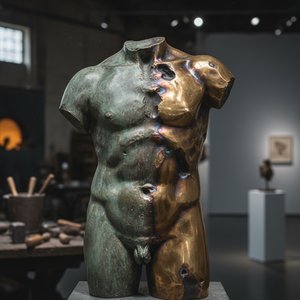
Dziedzictwo Brązu: Historia, Techniki i Współczesne Interpretacje Rzeźby
Poznaj historię i techniki rzeźby z brązu – od antycznych arcydzieł po współczesne interpretacje. Przewodnik dla kolekcjonerów i inwestorów sztuki. Ekspercka analiza wartości dzieł.

Trwała Forma: Rzeźba w Historii – Technika i Rezonans Emocjonalny
Poznaj historię rzeźby od antyku do współczesności! Ekspercka analiza technik, stylów i emocjonalnego wpływu arcydzieł. Inspiracje dla kolekcjonerów i miłośników sztuki.
