

 Podgląd w skali 1:1
 Wyślij jako kartkę
 Udostępnij
 Szczegóły dzieła
 Przewodnik

 Pobierz obraz
 Podobne obiekty
 RTG
RTG Pokaz slajdów
 Statystyki
Kamienie przy Sallow Point


 Rozwiń treść
Dzieło sztuki prezentowane na tej stronie podlega ochronie prawem autorskim, co oznacza, że nie mamy prawa do tworzenia ani sprzedaży jego identycznej reprodukcji. Ochrona ta jest egzekwowana na mocy umów międzynarodowych, takich jak Konwencja berneńska oraz przez przepisy prawa krajowego, w tym te określone w Prawo autorskie USA – Tytuł 17.
Metoda ta jest w pełni zgodna z przepisami prawa autorskiego, ponieważ nie polega na kopiowaniu ani powielaniu chronionego dzieła. Stanowi ona kreatywną reinterpretację – nowy obraz, który czerpie inspirację z oryginału, ale nie jest z nim tożsamy.
Giclée / Wydruk artystyczny
Wydruki giclée lub płótna o jakości muzealnej, szybka realizacja i szeroki wybór opcji wykończenia. ( Zamów ręcznie malowaną reprodukcję Przejdź do wersji cyfrowej)




P118B zł10

P118H zł10

P118W zł10

P438Z zł10

P508JH zł12

P508YH zł12

P805H zł10

P805Z zł10

P919BZ zł10

P919G zł10

P919XJ zł10

P959ZH zł10

P968JZ zł12

W106C zł8

W218G zł10

W218JH zł8

W218Y zł10

W307PJ zł10

W316G zł10

W316PJ zł8

W316Y zł10

W398PJ zł8

W4111J zł10

W500HY zł15

W500JH zł15

W692G zł12

W849H zł8

W940BG zł15

W953PJ zł8




Wybierz spośród naszych standardowych rozmiarów, które zachowują oryginalne proporcje dzieła sztuki.

Wpisz wymaganą szerokość i wysokość, aby dopasować grafikę do ramy lub ściany. Wydruk można jedynie przyciąć, nigdy nie powiększając go poza oryginalny obraz, dlatego format o innych proporcjach spowoduje utratę części kompozycji. Przed rozpoczęciem druku prześlemy Ci cyfrowy podgląd do zatwierdzenia. Obraz wyświetlany na tej stronie nie pokazuje rzeczywistego przycięcia — jedynie podgląd oddaje ten efekt.
Dostawa na cały świat () w ciągu 2 tygodni zamiast standardowych 4/5 tygodni. (25 Październik)

Bezpłatna ekspresowa wysyłka na cały świat

Wysokiej jakości płótno lniane

Pełne ubezpieczenie przesyłki

Gwarancja zwrotu należności celnych i podatków importowych

Gwarancja wiernego odwzorowania kolorów

100-dniowa polityka zwrotów (tylko w przypadku wad)

Gwarancja 100% zwrotu pieniędzy

Zniżka przy zakupie wielu sztuk
 Opcja ze szkłem jest dostępna wyłącznie w rozmiarach poniżej 110 cm

Kamienie przy Sallow Point
Giclée / Wydruk artystyczny
Wymiary reprodukcji
-


Cena całkowita
zł 307
Colin Middleton: A Visionary Landscape Painter
Colin Middleton (1910–1983) stands as one of Ireland’s most distinctive artistic voices of the twentieth century, a painter who defied categorization and consistently pursued an intensely personal vision. Born in Belfast, Northern Ireland, he was shaped by his father's appreciation for Impressionist aesthetics—a formative influence that instilled within him a lifelong fascination with capturing fleeting moments of beauty and emotion.
The Artwork: Rocks at Sallow Point
“Rocks at Sallow Point,” created around 1998, exemplifies Middleton’s signature style. This oil painting on board presents a deceptively simple composition—a prominent rock formation punctuated by smaller stones—yet it embodies profound artistic depth. The artist eschewed representational accuracy in favor of exploring the expressive potential of form and texture, aligning closely with the tenets of Surrealism.
Influences Beyond Impressionism
Middleton’s artistic sensibilities extended far beyond Impressionism. He drew inspiration from James Ensor’s unsettling imagery and symbolic explorations, recognizing the power of art to convey psychological states and challenge conventional perceptions. These influences—particularly Ensor's preoccupation with darkness and ambiguity—contributed to Middleton’s ability to imbue his landscapes with an aura of mystery and contemplation.
Technique and Material Considerations
The painting utilizes oil paint on canvas, a medium favored by Middleton throughout his career. The artist meticulously applied brushstrokes to build up layers of color and texture, creating a surface that captures the ruggedness of the rock formations while simultaneously conveying an underlying sense of serenity. Careful attention was paid to tonal variations—particularly the interplay between light and shadow—to heighten the dramatic effect.
Symbolism and Emotional Resonance
"Rocks at Sallow Point" transcends mere visual depiction; it speaks to themes of resilience, permanence, and solitude. The rocks themselves serve as symbols of enduring strength amidst shifting circumstances, mirroring Middleton’s own artistic journey—one marked by experimentation, stylistic evolution, and unwavering dedication to conveying profound emotional truths. Viewing this artwork evokes a feeling of quiet contemplation and invites the viewer to consider the beauty inherent in natural landscapes.
Pytania i odpowiedzi
Kto stworzył "Kamienie przy Sallow Point"?
Autorstwo dzieła "Kamienie przy Sallow Point" przypisuje się Colin Middleton.
Jaki nastrój budzi "Kamienie przy Sallow Point"?
Ogólny nastrój dzieła „Kamienie przy Sallow Point” – Colin Middleton to Pełen spokoju. Nastrój ten oddaje ogólną atmosferę pracy.
Co przedstawia i jaką atmosferę oddaje „Kamienie przy Sallow Point” – Colin Middleton?
„Kamienie przy Sallow Point” – Colin Middleton przedstawia rocks, landscape, texture, abstraction, form, color, mood, wprowadzając Pełen spokoju nastrój. Tematyka i atmosfera wspólnie definiują to dzieło.
Biografia artysty
Early Life and Artistic Influences
Colin Middleton (1910–1983) was born in Belfast, Northern Ireland, the only child of Charles Middleton, a damask designer who fostered an appreciation for European Modernism within his family. Despite initial reluctance to pursue formal artistic training—influenced by his father’s preference for Impressionist aesthetics—Middleton attended Belfast Royal Academy until 1927 and continued his studies with evening classes at Belfast School of Art under the guidance of Newton Penprase, gaining invaluable experience in design. From a young age, Middleton was captivated by the visionary landscapes of Vincent van Gogh, whose expressive brushstrokes and emotional intensity profoundly shaped his artistic sensibilities. Simultaneously, he absorbed inspiration from James Ensor’s unsettling imagery and symbolic explorations, broadening his understanding of Surrealist principles. These formative influences would become central to his distinctive artistic vision throughout his career.- Van Gogh: Particularly admired for his use of color and emotive brushwork.
- James Ensor: Influenced by Ensor’s exploration of psychological themes and symbolic representation.
Career Development and Artistic Style
Middleton's artistic journey began with exhibitions at Ulster Academy of Arts in 1931, showcasing landscapes imbued with a palpable sense of atmosphere. He quickly gained recognition for his participation in the inaugural exhibition of Ulster Unit, reflecting the burgeoning Surrealist movement in Northern Ireland—a movement championed by Paul Nash and Tristam Hillier. His early work demonstrated an Expressionist approach, capturing Belfast’s urban environment with bold colors and dynamic compositions.- Early Exhibitions: Ulster Academy of Arts (1931)
- Surrealist Influences: Embracing the aesthetic principles of Surrealism
Major Achievements and Recognition
Middleton's prolific output spanned decades, marked by numerous exhibitions in Dublin, London, and Boston. He served as a designer for the New Theatre and sets for the Circle Theatre and Lyric Theatre during his time in Bangor.- Theatre Design: Collaborations with Bangor’s theatre companies
Legacy and Artistic Significance
Colin Middleton’s artistic output remains a cornerstone of Northern Irish Surrealism, characterized by an unwavering commitment to capturing the beauty and complexity of ordinary life—a perspective that resonated deeply with contemporaries.“His work first appeared at the royal hibernian academy in 1938,” reflecting his dedication to sharing his vision with the wider artistic community. His son was John Middleton, also an artist. He left a lasting impression on Irish art history and continues to inspire artists today.
Colin Middleton
1910 - 1983
Krótka nota
- Artistic Movement Or Style: Surrealism
- Artists Or Movements Influenced By This Artist: ['Paul Nash']
- Artists Who Influenced This Artist:
- Vincent van Gogh
- James Ensor
- Date Of Birth: 1910
- Date Of Death: 1983
- Full Name: Colin Middleton MBE
- Nationality: Irish
- Notable Artworks:
- Head
- Coal Quay, Early Morning
- Place Of Birth: Belfast, Ireland
Powiązane artykuły

Dreamscapes Unveiled: A Curated Guide to Integrating Surrealist Landscape Art into Modern Interiors
Discover how to transform your home with the captivating mystery of Surrealist landscape art. Our expert guide explores iconic dreamscapes, offering professional tips on curating, styling, and commissioning bespoke surrealist masterpieces for a sophisticated, soulful interior.

Romantyczny Krajobraz w Malarstwie: 10 Arcydzieł, Które Zdefiniowały Epokę | OriginalUniqueArt.com
Odkryj 10 arcydzieł romantyzmu w malarstwie! Poznaj historie Caspara Davida Friedricha, Turnera i innych mistrzów. Inspiracje wnętrzarskie & reprodukcje obrazów najwyższej jakości na OriginalUniqueArt.com. Eksploruj kolekcję online!

John Constable: 25 Najlepszych Obrazów Mistrza Angielskiego Krajobrazu | OriginalUniqueArt
Odkryj 25 arcydzieł Johna Constable'a – mistrza angielskiego krajobrazu! Poznaj romantyczne pejzaże, technikę malarską i inspiracje z Dedham Vale. Reprodukcje obrazów najwyższej jakości na OriginalUniqueArt.com. Eksploruj pełną kolekcję online!
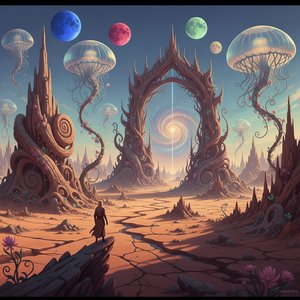
Beyond Reality: A Curated Guide to the Dreamlike World of Surrealist Landscapes
Embark on a visual journey through the subconscious. Explore our expert guide to Surrealist landscapes, uncovering the dreamlike techniques of masters like Dalí to deepen your appreciation for this captivating art movement.

Evocations of Place: A Historical Journey Through Landscape Art
Explore the rich history of landscape art with OriginalUniqueArt. Discover renowned artists, movements like Impressionism & Romanticism, and expert guidance for collecting timeless pieces. Find your perfect serene escape today!
