
 Podgląd w skali 1:1
 Wyślij jako kartkę
 Udostępnij
 Szczegóły dzieła
 Przewodnik

 Pobierz obraz
 Podobne obiekty
 RTG
RTG Pokaz slajdów
 Pytania i odpowiedzi
 Statystyki
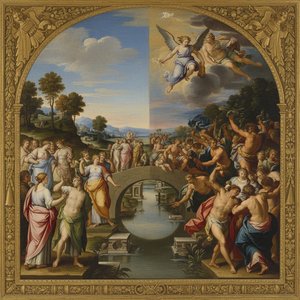
Laudatory epigraph for Agostino Carracci


 Rozwiń treść
Giclée / Wydruk artystyczny
Wydruki giclée lub płótna o jakości muzealnej, szybka realizacja i szeroki wybór opcji wykończenia. ( Zamów ręcznie malowaną reprodukcję Przejdź do wersji cyfrowej)




































Wybierz spośród naszych standardowych rozmiarów, które zachowują oryginalne proporcje dzieła sztuki.

Wpisz wymaganą szerokość i wysokość, aby dopasować grafikę do ramy lub ściany. Wydruk można jedynie przyciąć, nigdy nie powiększając go poza oryginalny obraz, dlatego format o innych proporcjach spowoduje utratę części kompozycji. Przed rozpoczęciem druku prześlemy Ci cyfrowy podgląd do zatwierdzenia. Obraz wyświetlany na tej stronie nie pokazuje rzeczywistego przycięcia — jedynie podgląd oddaje ten efekt.
Dostawa na cały świat () w ciągu 2 tygodni zamiast standardowych 4/5 tygodni. (3 Listopad)

Bezpłatna ekspresowa wysyłka na cały świat

Wysokiej jakości płótno lniane

Pełne ubezpieczenie przesyłki

Gwarancja zwrotu należności celnych i podatków importowych

Gwarancja wiernego odwzorowania kolorów

100-dniowa polityka zwrotów (tylko w przypadku wad)

Gwarancja 100% zwrotu pieniędzy

Zniżka przy zakupie wielu sztuk
 Opcja ze szkłem jest dostępna wyłącznie w rozmiarach poniżej 110 cm

Laudatory epigraph for Agostino Carracci
Giclée / Wydruk artystyczny
Wymiary reprodukcji
-


Cena całkowita
zł 317
Pytania i odpowiedzi
Czy mogę zamówić olejną reprodukcję "Laudatory epigraph for Agostino Carracci"?
Ręcznie malowane reprodukcje dzieła „Laudatory epigraph for Agostino Carracci” – Kładysław Achilinus można nabyć na stronie niniejsza strona: ręcznie malowana reprodukcja olejowa na płótnie lnianym, zamawiając je bezpośrednio w zakładce Ręcznie malowana reprodukcja.
Czy dzieło "Laudatory epigraph for Agostino Carracci" jest dostępne jako wysokiej jakości wydruk artystyczny?
„Laudatory epigraph for Agostino Carracci” jest dostępny jako szlachetna odbitka na płótnie bawełnianym lub archiwalnym papierze o strukturze płótna. Zamówienia można składać na stronie Wydruk artystyczny premium, wybierając dowolny rozmiar.
Czy mogę zobaczyć „Laudatory epigraph for Agostino Carracci” – Kładysław Achilinus na własnej ścianie przed zakupem?
Strona Podgląd w AR dzieła „Laudatory epigraph for Agostino Carracci” – Kładysław Achilinus wykorzystuje rozszerzoną rzeczywistość, aby dzięki kompatybilnemu urządzeniu pokazać obraz w Twojej własnej przestrzeni.
Biografia artysty
Claudius Achillinus: The Baroque Poet of Bologna
Claudius Achillinus (latin claudius achillinus; 18 september 1574 – 1 october 1640) was an italian philosopher, theologian, mathematician, poet, and jurist. He is a major figure in the history of italian baroque poetry, celebrated for his masterful Latin verse that captured the spirit of its time—a period marked by dramatic artistic innovation and fervent religious fervor. Born in Bologna, Italy, Achillinus descended from a distinguished legal family, shaping his intellectual pursuits accordingly. His formative years instilled within him a profound appreciation for logic and argumentation, which would later permeate his poetic endeavors.Early Life & Education: A Foundation of Scholarly Excellence
Achillinus’s upbringing fostered an environment of scholarly excellence. He studied law at Bologna University, gaining renown as a brilliant jurist—a profession that provided him with invaluable experience in interpreting legal texts and formulating persuasive arguments. This grounding in jurisprudence undoubtedly influenced his stylistic choices in poetry, prioritizing clarity and precision alongside emotional depth. The meticulous attention to detail characteristic of legal scholarship translated seamlessly into the careful crafting of Latin verses—a testament to his intellectual versatility and unwavering commitment to reasoned thought.Philosophical Influences: Cartesian Rationalism at Play
Achillinus’s intellectual journey extended beyond law into the realm of philosophy. He embraced Cartesian rationalism, aligning himself with the dominant philosophical currents of his era. Descartes' emphasis on deductive reasoning—starting from fundamental axioms—provided Achillinus with a framework for exploring metaphysical questions and constructing intricate conceptual structures within his poems. This philosophical underpinning is evident in his use of elaborate metaphors and paradoxical statements—techniques designed to challenge conventional perceptions and stimulate intellectual contemplation, mirroring the spirit of Cartesian inquiry.Literary Career: Mastering Latin Verse
Achillinus’s poetic output consisted primarily of Latin verses, reflecting the prestige accorded to classical scholarship during the Baroque period. He skillfully employed elaborate metaphors and rhetorical devices—techniques favored by poets like Marino—to convey complex ideas with breathtaking artistry. His work exemplifies the baroque penchant for grandeur and theatricality, mirroring the opulent architectural styles and dramatic narratives characteristic of the era. Achillinus’s Latin verses are distinguished by their rhythmic precision and structural complexity—a deliberate effort to emulate the stylistic conventions of Virgil and Cicero, demonstrating his mastery of classical poetic tradition.Notable Works & Patronage: Recognition from Royal Courts
Achillinus's magnum opus is arguably his epigraph for Agostino Carracci's monumental fresco cycle in Palazzo Farnese, Rome—a piece that embodies the Baroque ideal of harmonious composition and symbolic representation. The stucco relief, adorned with gold accents and inspired by classical motifs, showcases Achillinus’s artistic legacy as a champion of humanist values and aesthetic excellence. Furthermore, he served as professor of law at Bologna, Parma and Ferrara, garnering considerable respect from his peers and students—a position that afforded him access to influential circles and fostered intellectual exchange. The lavish reward bestowed upon him for his sonnet dedicated to Louis XIII underscores the esteem in which he was held by royal courts and intellectuals alike.Legacy & Significance: An Enduring Voice of Baroque Poetry
Achillinus's influence on italian baroque poetry is undeniable. He served as an inspiration for poets like Marino, fostering a stylistic tradition that prioritized intellectual rigor alongside emotional intensity. His poems continue to be studied today, offering insights into the philosophical debates and artistic innovations of the seventeenth century—a testament to his enduring contribution to literary history. Achillinus’s meticulous attention to detail and his unwavering commitment to reasoned thought cemented his place as one of the foremost voices of italian baroque poetry—a poet whose verses resonate with timeless beauty and intellectual depth.
Kładysław Achilinus
1574 - 1640 , Włochy
Krótka nota
- Artistic Movement Or Style: Barocco Poetico
- Artists Or Movements Influenced By This Artist: ['Giambattista Marino']
- Artists Who Influenced This Artist:
- Giovanni Filoteo Achillini
- Alessandro Achillini
- Date Of Birth: 1574
- Date Of Death: 1640
- Full Name: Claudius Achillinus
- Nationality: Italiano
- Notable Artworks: ['Epigrafia per Agostino Carracci']
- Place Of Birth: Bologna, Italia
Powiązane artykuły

Baroque Classicism: The Grandeur of Order and Drama in 17th-Century Art History
Explore the profound elegance of Baroque Classicism. Discover how 17th-century masters synthesized dramatic emotion with classical order through the lens of the Counter-Reformation and the works of legends like Carlo Maratta and Andrea Sacchi.

Barokowe arcydzieła: 10 obrazów, które zdefiniowały epokę | OriginalUniqueArt.com
Odkryj 10 arcydzieł baroku! Caravaggio, Rembrandt, Rubens i inni artyści, którzy zdefiniowali epokę. Poznaj historie, techniki i inspiracje tych niezwykłych obrazów. Reprodukcje najwyższej jakości na OriginalUniqueArt.com – idealne do Twojego wnętrza!

Dramatyczny Rozkwit Baroku: Dziedzictwo Sztuki Kontrreformacji i Mistrzowie Chiaroscuro
Odkryj dramatyczny świat baroku! Poznaj historię sztuki kontrreformacji, mistrzów chiaroscuro i weneckich arcydzieł. Reprodukcje najwyższej jakości na OriginalUniqueArt.com.

Barokowy Dramat we Wnętrzach: Sztuka Przepychu i Elegancji w Twoim Domu
Odkryj świat barokowego przepychu! Porady ekspertów jak wprowadzić elegancję i dramat do Twojego wnętrza. Inspiracje, charakterystyka stylu i praktyczne wskazówki.
Annibale Carracci: Bridging Renaissance Ideals & Baroque Innovation
Explore the life & art of Annibale Carracci, a pivotal figure bridging Renaissance ideals with Baroque innovation. Discover his masterpieces and lasting influence on Italian painting.