Przełącz na wydania drukowane
 Rozwiń treść







































 W przypadku dzieł sztuki lub reprodukcji, których którykolwiek z boków przekracza 105 cm (około 41 cali), rama zostanie wysłana w formie zestawu do samodzielnego montażu. Metoda ta zapewnia bezpieczną dostawę i zapobiega uszkodzeniom podczas transportu.


The Painting
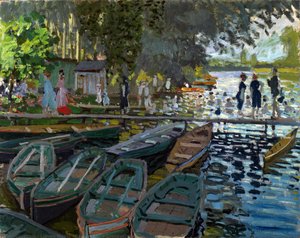
Claude Monet's Water-Lilies (22) is a captivating oil on canvas painting created in 1908, now housed at the Worcester Art Museum in the United States. This piece is part of Monet's renowned series of water lily paintings, which he produced during his time at Giverny. The painting depicts a serene scene of water lilies floating on the surface of a pond, with yellow flowers adding vibrant colors to the composition. The presence of birds scattered throughout the painting adds life and movement, creating a sense of tranquility that is characteristic of Monet's work. The combination of the water lilies, yellow flowers, and birds creates a picturesque atmosphere that draws the viewer into the natural beauty of the scene.Monet's Inspiration
Monet was deeply inspired by his garden at Giverny, where he meticulously planted water lilies in his pond. He became fascinated by the ever-changing way light reflected off the water’s surface and the vibrant colors of the flowers throughout the seasons. This extensive series of paintings reflects Monet's profound interest in capturing the fleeting effects of light and color – a core tenet of Impressionism. He sought to portray not just what he *saw*, but how he *felt* when observing these natural phenomena, making it more than just a landscape depiction.Impressionist Techniques & Artistic Significance
Monet masterfully employed impressionist techniques to create a sense of immediacy and spontaneity in his painting. He utilized short, broken brushstrokes and vivid colors to capture the play of light on the water and the flowers. The dreamy quality is enhanced by Monet's use of soft, feathery textures, blurring the lines between reality and perception. Water-Lilies (22) is significant not only for its beauty but also for its place in the history of impressionism. Monet's water lily series pushed the boundaries of landscape painting, moving towards near-abstraction and emphasizing the emotional impact of nature rather than precise representation.Relevance to Modern Art & Symbolism
Monet’s work profoundly influenced later artists, including symbolists and post-impressionists who used landscape as a means of evoking inner emotion. The water lily series can be seen as a reflection of Monet's interest in Buddhism, with the lotus flower symbolizing rebirth and spiritual enlightenment. The cyclical nature of the lilies blooming and fading mirrors life’s own transient beauty, adding another layer of meaning to the artwork. This exploration of subjective experience and emotional resonance paved the way for many subsequent artistic movements.Pytania i odpowiedzi
W jaki sposób Impressionism dzieła „Water-Lilies (22)” nawiązuje do kraju pochodzenia artysty?
"Water-Lilies (22)" powstało dzięki Claude Monet, urodzonemu w Francja, w ramach nurtu Impressionism. Pochodzenie artysty wiąże to dzieło z Impressionism w wydaniu twórców z Francja.
Jaka jest technika i data powstania „Water-Lilies (22)” – Claude Monet?
"Water-Lilies (22)" powstało w 1908 roku przy użyciu techniki Akryl na płótnie. Materiał i data opisują, w jaki sposób oraz kiedy wykonano oryginał.
Czy w „Water-Lilies (22)” – Claude Monet zastosowano silne kontrasty czy raczej łagodne harmonie?
Analiza kolorystyczna dzieła „Water-Lilies (22)” – Claude Monet ukazuje Pełen spokoju kontrast oraz Subtelnie wymieszana paleta barw harmonię.
 Podgląd w skali 1:1
 Wyślij jako kartkę
 Udostępnij
 Szczegóły dzieła
 Przewodnik

 Pobierz obraz
 Podobne obiekty
 RTG
RTG Pokaz slajdów
 Pytania i odpowiedzi
 Statystyki