Życie zanurzone w świetle: Świat Claude'a Moneta
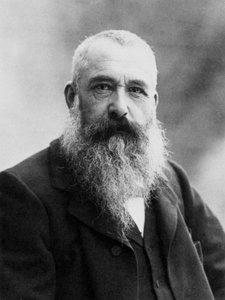
Oscar-Claude Monet, nazwisko będące synonimem impresjonizmu, nie był jedynie malarzem krajobrazów; był kronikarzem ulotnych chwil, poetą światła i koloru. Urodzony w Paryżu 14 listopada 1840 roku, przeżył wczesne lata, które przybrały niespodziewany obrót, gdy jego rodzina przeprowadziła się do Hawru w Normandii, gdy miał zaledwie pięć lat. Choć ojciec początkowo przeznaczył go na karierę handlową, wrodzony talent artystyczny młodego Claude'a szybko się ujawnił, manifestując się najpierw w formie karykatur wykonywanych węglem i sprzedawanych lokalnie – co stanowiło świadectwo zarówno jego umiejętności, jak i ducha przedsiębiorczości. Jednak to spotkanie z Eugène Boudinem okazało się przełomowe. Boudin nie tylko nauczył Moneta, *jak* malować; zaszczepił w nim rewolucyjną ideę malowania en plein air—bezpośrednio z natury—praktykę, która zdefiniowała całą jego artystyczną podróż.
Formalne kształcenie Moneta rozpoczęło się w Paryżu, krótko w Académie Suisse, a następnie pod kierunkiem Charlesa Gleyre'a. To właśnie tam nawiązał trwałe przyjaźnie z innymi artystami, takimi jak Auguste Renoir – więź zbudowaną na wspólnych artystycznych frustracjach i pragnieniu uwolnienia się od ograniczeń tradycyjnego malarstwa akademickiego. Jego wczesne prace, choć wykazywały biegłość techniczną, nie posiadały jeszcze tego charakterystycznego głosu, który wkrótce miał stać się znakiem rozpoznawczym jego stylu. Nastąpił jednak okres niepokojów – wojna francusko-pruska zmusiła Moneta do szukania schronienia w Londynie, gdzie zanurzył się w twórczości angielskich mistrzów krajobrazu, takich jak J.M.W. Turner, chłonąc ich nastrojowe efekty atmosferyczne i nowatorskie wykorzystanie koloru.
Narodziny estetycznej rewolucji
Po powrocie do Francji Monet stał się centralną postacią rodzącego się artystycznego buntu. Niezadowolony z konserwatywnych standardów Salonu, połączył siły z innymi artystami o podobnych poglądach, aby organizować niezależne wystawy. Wystawa w 1874 roku okazała się momentem przełomowym nie tylko dla Moneta, ale dla całego świata sztuki. To właśnie tam zaprezentowano jego obraz „Impression, soleil levant” (Impresja, wschód słońca) – zamglony opis portu w Hawrze o świcie – z którego pochodzi drwiące określenie „impresjonizm”. Jednak nazwa ta przylgnęła do ruchu, ewoluując w odznakę honoru dla nurtu, który dążył do uchwycenia subiektywnego *wrażenia* ze sceny, zamiast jej precyzyjnego odwzorowania.
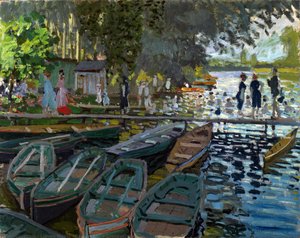
Charakterystyczny styl Moneta rozkwitł właśnie w tym okresie: swobodne, widoczne pociągnięcia pędzla, żywe i często niezmieszane kolory nakładane obok siebie (technika znana jako „kolor rozbity”) oraz niezachwiana koncentracja na chwytaniu efemerycznych właściwości światła. Nieustannie dążył do doskonalenia swojej praktyki plein air, pracując szybko, aby utrwalić swoje natychmiastowe spostrzeżenia, zanim zmieniające się warunki przekształcą scenę. Ta dedykacja nie polegała jedynie na przedstawianiu tego, co *widział*, ale raczej na tym, jak *czuł* w odpowiedzi na to, co widzi – co stanowiło radykalne odejście od ówczesnych konwencji artystycznych.
Giverny: Raj światła i refleksów
W 1883 roku Monet osiadł w Giverny, na północny zachód od Paryża, tworząc dom i ogród, który stał się zarówno jego sanktuarium, jak i największym źródłem inspiracji. Z niezwykłą starannością przekształcił posiadłość w misterny raj, pełen egzotycznych kwiatów, płaczących wierzb i, co najbardziej słynne, stawu z liliami wodnymi, nad którym rozciąga się japoński most. Nie był to jedynie dekoracyjny ogród; było to żywe laboratorium, w którym Monet mógł badać wpływ światła na wodę, roślinność i refleksy w kontrolowanych warsetach.
Ostatnie dekady jego życia poświęcone były niemal całkowicie malowaniu stawu z liliami wodnymi w Giverny. Podjął się monumentalnego cyklu „Lilie wodne” (Nymphéas), tworząc ogromne płótna, które przedstawiały powierzchnię stawu jako nieustannie zmieniający się gobelin barw i świateł. Nie były to po prostu obrazy kwiatów; były to doświadczenia immersyjne, zaprojektowane tak, aby otoczyć widza światem pełnym spokojnego piękna i kontemplacyjnej ciszy. Skala tych dzieł zapiera dech w piersiach, przesuwając granice tradycyjnego malarstwa i antycypując ekspresjonizm abstrakcyjny.
Dziedzictwo: Trwały wpływ na historię sztuki
Wpływ Claude'a Moneta na historię sztuki jest niezmierzony. Nie był on jedynie założycielem impresjonizmu; fundamentalnie zmienił sposób, w jaki artyści postrzegają i reprezentują otaczający ich świat. Jego nacisk na subiektywne doświadczenie, przyjęcie malarstwa plein air oraz innowacyjne techniki utorowały drogę nowoczesnej sztuce w jej eksploracji abstrakcji i form nieprzedstawiających.
Monet osiągnął znaczący sukces komercyjny za życia – co było rzadkością wśród artystów awangardowych jego epoki. Jego twórczość nadal budzi podziw i zachwyca odbiorców na całym świecie, umacniając jego miejsce jako jednej z najważniejszych postaci w sztuce zachodniej. Zmarł 5 grudnia 1926 roku, pozostawiając po sobie dziedzictwo, które rezonuje w pokoleniach artystów i miłośników sztuki. Najważniejsze kolekcje jego arcydzieł znajdują się w prestiżowych instytucjach, takich jak Musée d'Orsay i Musée Marmottan Monet w Paryżu, co sprawia, że jego wizja nieustannie rozświetla świat.
Kluczowe techniki artystyczne
- Malarstwo Plenairne: Kluczowe dla jego rozwoju, pozwalające na bezpośrednią obserwację światła i atmosfery.
- Kolor Rozbity: Nakładanie małych pociągnięć czystego koloru obok siebie w celu uzyskania optycznego mieszania barw.
- Malowanie Cykliczne (Serie): Przedstawianie tego samego tematu w różnych warunkach oświetleniowych i pogodowych – demonstrujące transformującą moc czasu i światła.

 Przełącz na wydania drukowane
 Rozwiń treść







































 W przypadku dzieł sztuki lub reprodukcji, których którykolwiek z boków przekracza 105 cm (około 41 cali), rama zostanie wysłana w formie zestawu do samodzielnego montażu. Metoda ta zapewnia bezpieczną dostawę i zapobiega uszkodzeniom podczas transportu.


 Podgląd w skali 1:1
 Wyślij jako kartkę
 Udostępnij
 Szczegóły dzieła
 Przewodnik

 Pobierz obraz
 Podobne obiekty
 RTG
RTG Pokaz slajdów
 Pytania i odpowiedzi
 Statystyki