

 Zobacz w skali 1:1
 Wyślij
 Udostępnij
 Szczegóły
 Przewodnik

 Pobierz plik obrazu
 Podobne obiekty
 RTG
RTG Pokaz slajdów
 Statystyki
Sunset
 Oil On Canvas
- WallArt
- Dutch Golden Age
 1760
1760 97.0 x 134.0 cm
 Fitzwilliam College
 Czytaj więcej
Giclée / Wydruk artystyczny
Wydruki giclée lub płótna o jakości muzealnej, szybka realizacja i szeroki wybór opcji wykończenia. ( Kup ręcznie malowany obraz Przełącz na wersję cyfrową)




P118B zł10

P118H zł10

P118W zł10

P438Z zł10

P508JH zł12

P508YH zł12

P805H zł10

P805Z zł10

P919BZ zł10

P919G zł10

P919XJ zł10

P959ZH zł10

P968JZ zł12

W106C zł8

W218G zł10

W218JH zł8

W218Y zł10

W307PJ zł10

W316G zł10

W316PJ zł8

W316Y zł10

W398PJ zł8

W4111J zł10

W500HY zł15

W500JH zł15

W692G zł12

W849H zł8

W940BG zł15

W953PJ zł8




Wybierz spośród naszych standardowych rozmiarów, które zachowują oryginalne proporcje dzieła sztuki.

Wpisz wymaganą szerokość i wysokość, aby dopasować grafikę do ramy lub ściany. Wydruk można jedynie przyciąć, nigdy nie powiększając go poza oryginalny obraz, dlatego format o innym proporcji spowoduje utratę części kompozycji. Przed rozpoczęciem druku prześlemy Ci cyfrowy podgląd do zatwierdzenia. Obraz wyświetlany na tej stronie nie pokazuje rzeczywistego przycięcia — jedynie podgląd oddaje ten efekt.
Dostawa na cały świat () w ciągu 2 tygodni zamiast standardowych 4/5 tygodni. (22 Październik)

Bezpłatna ekspresowa wysyłka na cały świat

Wysokiej jakości płótno lniane

Pełne ubezpieczenie transportowe

Gwarancja zwrotu należności celnych i podatków importowych

Gwarancja idealnego odwzorowania barw

100-dniowy okres na zwrot dzieła w przypadku wykrycia wad produkcyjnych

Gwarancja 100% zwrotu pieniędzy

Oferta przy zakupie wielu sztuk
 Opcja ze szkłem jest dostępna wyłącznie w rozmiarach poniżej 110 cm

Sunset
Giclée / Wydruk artystyczny
Rozmiar reprodukcji
-


Suma do zapłaty
zł 304
A Golden Embrace Over the Waves
To gaze upon Claude Joseph Vernet's "Sunset" is to surrender to a profound sense of peace. This 1760 masterpiece does more than merely depict a coastal scene; it captures a fleeting, perfect moment where the vastness of nature meets the gentle rhythm of human life. The air itself seems thick with the warm, golden light spilling across the water as the sun dips below the horizon. One can almost hear the soft lapping of waves against the rocky shore and feel the cool, salty breeze carrying the scent of the sea. It is a composition built on serenity, inviting the viewer to pause their hurried modern existence and simply breathe with the tide.
Mastery in Light and Atmosphere
Vernet’s genius shines brightest in his handling of light. The entire canvas glows with warm tones—ochres, soft oranges, and deep blues—that speak directly to the magic hour. While the subject matter is a bustling maritime scene, the overall feeling is one of profound tranquility. Notice how the light interacts with the various elements: it catches the sails of the distant boats, illuminates the figures gathered near the shore, and casts long, dramatic shadows across the foreground rocks. This masterful use of illumination gives the painting an incredible sense of depth, drawing the eye from the detailed activity in the mid-ground all the way out to the hazy horizon.
Echoes of Maritime Life and Human Connection
The scene is richly populated, featuring numerous boats of varying sizes and many figures—fishermen, sailors, and onlookers. These human elements are not merely decorative; they anchor the narrative. They speak to a timeless relationship between humanity and the sea—a life sustained by its bounty yet constantly humbled by its immense power. The composition guides us through distinct zones: the solid, textured foreground of rocks gives way to the gentle activity of the harbor, which finally dissolves into the limitless expanse of the background seascape. This layering creates a breathtaking illusion of three-dimensional space.
Technique and Enduring Appeal
The technical brilliance underpinning this vision is remarkable. Vernet employed techniques reminiscent of the Dutch Golden Age masters, utilizing layered glazes of oil paint to build up color saturation and depth. The contrast between the rough texture suggested on the foreground cliffs and the smooth, almost ethereal quality of the water and sky showcases his virtuosity. For those who appreciate fine art reproduction for their interiors or collections, this piece offers an unparalleled opportunity to bring the sophisticated elegance of 18th-century European painting into a contemporary space. It is a work that whispers stories of adventure while enveloping you in warmth.
Pytania i odpowiedzi
Jaki poziom luminancji ma „Sunset” autorstwa Klaus Dżozef Warnet?
„Sunset” autorstwa Klaus Dżozef Warnet ma luminancję na poziomie Gentle Luminance. Luminancja określa, jak dużą ilość światła zdają się odbijać kolory.
Ile lat miał Klaus Dżozef Warnet, gdy powstało dzieło „Sunset”?
Gdy w 1760 roku powstało dzieło „Sunset”, Klaus Dżozef Warnet – urodzony/a w 1714 – miał/a 46 lat.
Czy "Sunset" to słynne dzieło należące do nurtu Dutch Golden Age?
W ramach nurtu Dutch Golden Age, dzieło „Sunset” cechuje się poziomem popularności Iconic.
Biografia artysty
Mistrz Morsza i Światła: Życie i Sztuka Claude’a-Josepha Verneta
Claude-Joseph Vernet, urodzony w 1714 roku w Bordeaux, nie był przeznaczony do tworzenia monumentalnych pejzaży i dramatycznych scen morskich, które zdefiniowały jego artystyczne dziedzictwo. Już we wczesnym dzieciństwie ujawniła się fascynacja końmi – pasja widoczna nawet w szkicach tych szlachetnych stworzeń od pięciu lat. To wczesne oddanie anatomii zwierząt, a zwłaszcza formie konia, subtelnie wpłynęło na jego późniejszą twórczość, nadając dynamiczną energię i realizm postaciom w szerszych kompozycjach. Formalna edukacja Verneta rozpoczęła się pod okiem ojca, Antoine’a Verneta, dekoratora, oraz Nicolasa-Bernarda Lépicié, co zapewniło mu solidne akademickie podstawy przed podróżą do artystycznego serca Europy: Rzymu. To we Włoszech Vernet naprawdę odkrył swoje powołanie, urzeczony nie tylko klasycznymi pejzażami, ale i surową mocą oraz pięknem morza. Widok wielorybów u wybrzeży Marsylii okazał się przełomowy, rozpaliwszy w nim dożywotnią obsesję na punkcie marynistycznych tematów.Od Studiów Rzymskich po Królewskie Zlecenia
Czas Verneta w Rzymie to nie tylko powielanie istniejących stylów; to głębokie studium światła, atmosfery i współzależności między człowiekiem a naturą. Pochłaniał wpływy mistrzów takich jak Claude Lorrain i Salvator Rosa, łącząc ich podejścia w unikalną wizję osobistą. Podczas gdy Lorrain oferował idealną serenitę, Rosa dostarczała dramatycznej intensywności – Vernet zręcznie łączył te elementy, tworząc sceny zarówno oszałamiające wizualnie, jak i emocjonalnie rezonujące. Po powrocie do Francji w 1753 roku talent Verneta szybko zdobył uznanie. Kluczowym momentem było zlecenie ze strony Ludwika XV namalowania serii widoków francuskich portów. Ten ambitny projekt – obejmujący ostatecznie piętnaście obrazów – ugruntował pozycję Verneta jako wiodącego malarza marynistycznego swoich czasów. Nie były to jedynie topograficzne zapiski; były to sugestywne przedstawienia dumy narodowej, ukazujące morską potęgę Francji i jej związek z morzem. *Intérieur du port de Marseille (1754)* nie jest tylko obrazem tętniącego życiem portu – to oda do handlu, przemysłu i pulsującego życia miasta.Dziedzictwo Wykuwane w Świetle i Burzy
Artystyczne umiejętności Verneta tkwiły nie tylko w precyzyjnym odwzorowaniu statków i portów, ale także w mistrzowskim operowaniu światłem i atmosferą. Rozumiał, jak słońce lśni na wodzie, jak zbierają się chmury przed burzą i jak te elementy mogą dramatycznie zmienić nastrój sceny. Jego obrazy często przedstawiają dramatyczne niebo, wzburzone wody oraz postacie uwikłane w sytuacje zarówno pełne niebezpieczeństwa, jak i odporności. *A View of the Port of Naples with Mount Vesuvius in the Background (1774)* doskonale ilustruje ten talent – monumentalna obecność Wezuwiusza góruje nad tętniącym życiem portem, przypominając o potędze natury, jednocześnie podkreślając działalność człowieka. Ta umiejętność łączenia powagi i intymności jest znakiem rozpoznawczym jego twórczości. Poza scenami marynistycznymi Vernet eksplorował także krajobrazy i tematy myśliwskie, zawsze zachowując bystry wzrok dla szczegółów oraz zrozumienie anatomii zwierząt – umiejętność wypracowaną we wczesnej młodości.Rodzina, Wpływy i Trwałe Znaczenie
Artystyczne dziedzictwo trwało dzięki synowi Verneta, Antoine Charles Horace Vernet (znanemu również jako Carle Vernet), który podążył śladami ojca, zdobywając uznanie za swoje dynamiczne sceny bitewne i obrazy myśliwskie. To rodzinna więź podkreśla znaczenie tradycji i mentoringu we francuskiej społeczności artystycznej XVIII wieku. Claude-Joseph Vernet pomógł podnieść malarstwo krajobrazowe na pozycję prominentną w sztuce francuskiej. Jego praca otworzyła drogę dla kolejnych pokoleń artystów, inspirując ich do odkrywania piękna i potęgi świata naturalnego. Choć zmarł w 1789 roku, tuż przed rewolucyjnymi zmianami, jego dziedzictwo trwa. Obrazy Verneta nadal urzekają widzów swoją atmosferyczną głębią, techniczną doskonałością i sugestywnym opowiadaniem historii – świadectwem życia poświęconego uchwyceniu esencji światła, morza i ludzkiego ducha.
Klaus Dżozef Warnet
1714 - 1789 , Francja
Najważniejsze informacje
- Artyści-Inspiracje:
- Claude Lorrain
- Salvator Rosa
- Artyści-Wpływ: ['Antoine Charles Horace Vernet']
- Data Urodzenia: 14 sierpnia 1714
- Miejsce Urodzenia: Bordeaux, Francja
- Narodowość: Francuski
- Pełne Imię: Claude-Joseph Vernet
- Styl Artystyczny: Krajobraz, Marynistyczny
- Znaczące Dzieła:
- Intérieur du port de Marseille
- A view of the port of Naples
Zobacz także powiązane artykuły

Golden Light & Dutch Skies: The Timeless Magic of Dutch Golden Age Landscapes
Discover the breathtaking beauty of Dutch Golden Age landscapes. Explore the mastery of light, chiaroscuro, and 17th-century realism through an expert art history lens, celebrating the enduring legacy of the Dutch Masters for discerning collectors and art lovers.

Claude Lorrain: Master of Light & Landscape in the Golden Age
Explore the luminous landscapes of Claude Lorrain, a Baroque master renowned for his masterful use of light & atmosphere. Discover his life, techniques, key works & enduring influence on art history.

Golden Light & Dutch Skies: Bringing the Magic of Dutch Golden Age Landscapes into Your Home
Transform your home with the breathtaking light of Dutch Golden Age landscapes. Discover how hand-painted oil reproductions of masterworks like Ruisdael and Vermeer bring timeless elegance, atmosphere, and soulful texture to modern interiors. Elevate your space with museum-quality art.
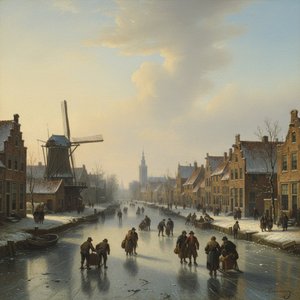
Charles Leickert: Capturing the Dutch Golden Age Light – A Comprehensive Study of Technique, Context, and Legacy
Explore the captivating winter landscapes of Charles Leickert, a master of Dutch Golden Age light & atmosphere. Discover his techniques, symbolism, and lasting legacy – a comprehensive study for art enthusiasts and collectors.
Claude Monet: 25 Najlepszych Arcydzieł Impresjonizmu | Reprodukcje Obrazów Online
Odkryj 25 najpiękniejszych arcydzieł Claude Moneta – impresjonistycznych pejzaży, nymfeii i słonecznych krajobrazów. Poznaj historię sztuki i zainspiruj się do dekoracji wnętrz z OriginalUniqueArt.com! Eksploruj pełną kolekcję online.


