 Podgląd w skali 1:1
 Wyślij jako kartkę
 Udostępnij
 Szczegóły dzieła
 Przewodnik

 Pobierz obraz
 Podobne obiekty
 RTG
RTG Pokaz slajdów
 Pytania i odpowiedzi
 Statystyki
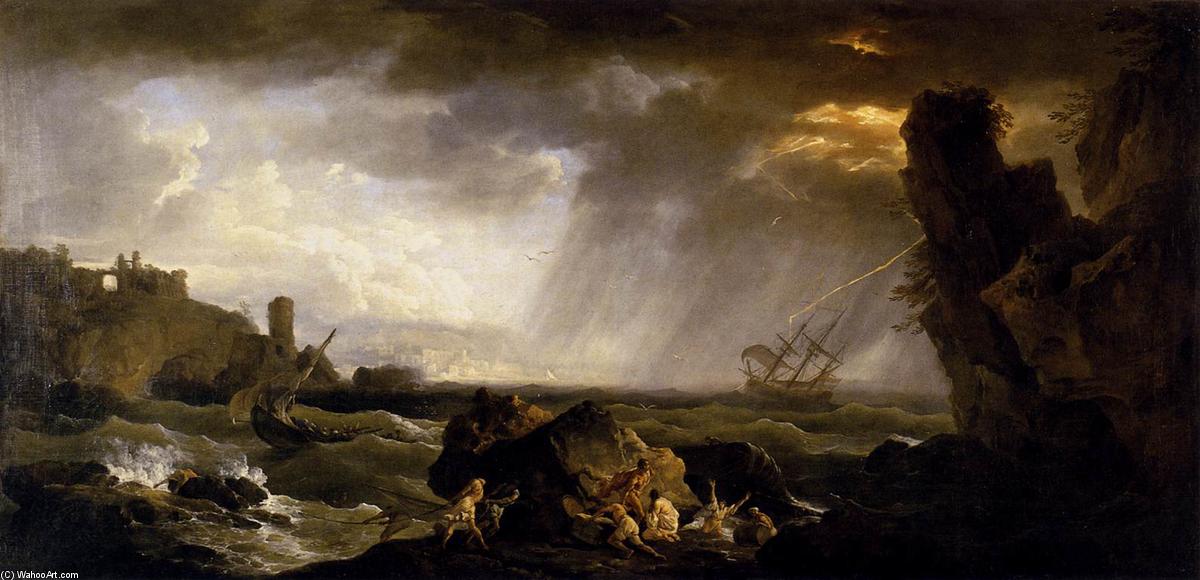
Seascape: Tempest

- 78.0 x 156.0 cm


 Rozwiń treść
Giclée / Wydruk artystyczny
Wydruki giclée lub płótna o jakości muzealnej, szybka realizacja i szeroki wybór opcji wykończenia. ( Zamów ręcznie malowaną reprodukcję Przejdź do wersji cyfrowej)




P118B zł10

P118H zł10

P118W zł10

P438Z zł10

P508JH zł12

P508YH zł12

P805H zł10

P805Z zł10

P919BZ zł10

P919G zł10

P919XJ zł10

P959ZH zł10

P968JZ zł12

W106C zł8

W218G zł10

W218JH zł8

W218Y zł10

W307PJ zł10

W316G zł10

W316PJ zł8

W316Y zł10

W398PJ zł8

W4111J zł10

W500HY zł15

W500JH zł15

W692G zł12

W849H zł8

W940BG zł15

W953PJ zł8




Wybierz spośród naszych standardowych rozmiarów, które zachowują oryginalne proporcje dzieła sztuki.

Wpisz wymaganą szerokość i wysokość, aby dopasować grafikę do ramy lub ściany. Wydruk można jedynie przyciąć, nigdy nie powiększając go poza oryginalny obraz, dlatego format o innych proporcjach spowoduje utratę części kompozycji. Przed rozpoczęciem druku prześlemy Ci cyfrowy podgląd do zatwierdzenia. Obraz wyświetlany na tej stronie nie pokazuje rzeczywistego przycięcia — jedynie podgląd oddaje ten efekt.
Dostawa na cały świat () w ciągu 2 tygodni zamiast standardowych 4/5 tygodni. (4 Listopad)

Bezpłatna ekspresowa wysyłka na cały świat

Wysokiej jakości płótno lniane

Pełne ubezpieczenie przesyłki

Gwarancja zwrotu należności celnych i podatków importowych

Gwarancja wiernego odwzorowania kolorów

100-dniowa polityka zwrotów (tylko w przypadku wad)

Gwarancja 100% zwrotu pieniędzy

Zniżka przy zakupie wielu sztuk
 Opcja ze szkłem jest dostępna wyłącznie w rozmiarach poniżej 110 cm

Seascape: Tempest
Giclée / Wydruk artystyczny
Wymiary reprodukcji
-


Cena całkowita
zł 315
A Tempestuous Vision: Vernet’s “Seascape: Tempest”
Claude-Joseph Vernet's "Seascape: Tempest," painted in 1735, isn’t merely a depiction of a storm at sea; it’s a visceral embodiment of nature’s raw power and the precariousness of human existence. More than two centuries after its creation, this oil on canvas continues to resonate with viewers, drawing them into the heart of the tempestuous scene with an immediacy rarely achieved in landscape painting. Vernet, a master of maritime light and atmosphere, elevates the seascape beyond simple representation, transforming it into a dramatic narrative filled with both terror and sublime beauty.
The painting immediately commands attention through its masterful use of color and composition. Dark blues and greens dominate the canvas, swirling together to create an illusion of relentless motion. The sky is choked with ominous clouds, pregnant with impending violence, while flashes of orange – likely representing a brief glimpse of sunlight piercing through the storm – offer fleeting moments of intense visual contrast. The waves themselves are rendered with remarkable detail; each crest and trough sculpted with meticulous care, conveying their immense force and unpredictable nature. The artist’s strategic use of light and shadow further amplifies this sense of drama, highlighting the chaotic energy of the scene while simultaneously creating a profound feeling of depth.
Rococo Drama and the Dawn of Romanticism
“Seascape: Tempest” is firmly rooted in the Rococo style, yet it anticipates the burgeoning Romantic movement. The emphasis on dynamic movement, emotional intensity, and the sublime – the awe-inspiring power of nature – are hallmarks of both styles. Vernet’s work represents a pivotal moment in art history, bridging the gap between the formal elegance of the late Baroque and the passionate individualism that would characterize the Romantics. The painting's loose brushwork and dramatic lighting, combined with its focus on the overwhelming force of nature, foreshadowed the Romantic fascination with untamed landscapes and the emotional experience of confronting the sublime.
Interestingly, Vernet’s background as a horse painter subtly informs his seascape. The dynamism and powerful musculature of his equine subjects are echoed in the surging waves and the desperate struggle for survival depicted in the foreground. The figures clinging to the rocks – rendered with a remarkable degree of realism despite the chaotic environment – evoke a sense of vulnerability and resilience, mirroring the themes often explored in Vernet’s equestrian compositions.
Symbolism of Survival and Fate
Beyond its technical brilliance, “Seascape: Tempest” is rich in symbolic meaning. The shipwreck itself represents human fallibility and the ultimate powerlessness of man against the forces of nature. The figures clinging to the rocks embody a desperate struggle for survival, highlighting the fragility of life. Yet, amidst this scene of devastation, there’s also a sense of awe and wonder—a recognition of the grandeur and majesty of the natural world. The lighthouse in the background, a beacon of hope against the storm, symbolizes guidance and resilience, suggesting that even in the darkest moments, there is always a path forward.
A Timeless Masterpiece
“Seascape: Tempest” remains a profoundly moving work of art, captivating viewers with its dramatic intensity and evocative power. Its masterful composition, skillful use of color and light, and rich symbolic content combine to create an unforgettable experience. Whether viewed in the Louvre’s hallowed halls or reproduced as a stunning print, Vernet's masterpiece continues to inspire contemplation on the relationship between humanity and nature—a theme that resonates deeply with audiences today. It is a testament to the artist’s ability to capture not just a scene, but an entire emotional landscape.
Pytania i odpowiedzi
Jaki jest zalecany rozmiar wydruku dla „Seascape: Tempest” – Klaus Dżozef Warnet?
Zalecany rozmiar wydruku dla „Seascape: Tempest” – Klaus Dżozef Warnet to Medium.
Czy kolory w "Seascape: Tempest" są intensywne czy stonowane?
Intensywność barw w dziele „Seascape: Tempest” wynosi Monochromatic. Intensywność określa, jak nasycone wydają się kolory.
Jaką paletę barw i jakie emocje łączy ze sobą "Seascape: Tempest"?
Paleta Earthy dzieła „Seascape: Tempest” – Klaus Dżozef Warnet współgra z jego Dramatic wydźwiękiem emocjonalnym. Kolor jest jednym ze sposobów, w jakie praca przekazuje emocje.
Biografia artysty
Mistrz Morsza i Światła: Życie i Sztuka Claude’a-Josepha Verneta
Claude-Joseph Vernet, urodzony w 1714 roku w Bordeaux, nie był przeznaczony do tworzenia monumentalnych pejzaży i dramatycznych scen morskich, które zdefiniowały jego artystyczne dziedzictwo. Już we wczesnym dzieciństwie ujawniła się fascynacja końmi – pasja widoczna nawet w szkicach tych szlachetnych stworzeń od pięciu lat. To wczesne oddanie anatomii zwierząt, a zwłaszcza formie konia, subtelnie wpłynęło na jego późniejszą twórczość, nadając dynamiczną energię i realizm postaciom w szerszych kompozycjach. Formalna edukacja Verneta rozpoczęła się pod okiem ojca, Antoine’a Verneta, dekoratora, oraz Nicolasa-Bernarda Lépicié, co zapewniło mu solidne akademickie podstawy przed podróżą do artystycznego serca Europy: Rzymu. To we Włoszech Vernet naprawdę odkrył swoje powołanie, urzeczony nie tylko klasycznymi pejzażami, ale i surową mocą oraz pięknem morza. Widok wielorybów u wybrzeży Marsylii okazał się przełomowy, rozpaliwszy w nim dożywotnią obsesję na punkcie marynistycznych tematów.Od Studiów Rzymskich po Królewskie Zlecenia
Czas Verneta w Rzymie to nie tylko powielanie istniejących stylów; to głębokie studium światła, atmosfery i współzależności między człowiekiem a naturą. Pochłaniał wpływy mistrzów takich jak Claude Lorrain i Salvator Rosa, łącząc ich podejścia w unikalną wizję osobistą. Podczas gdy Lorrain oferował idealną serenitę, Rosa dostarczała dramatycznej intensywności – Vernet zręcznie łączył te elementy, tworząc sceny zarówno oszałamiające wizualnie, jak i emocjonalnie rezonujące. Po powrocie do Francji w 1753 roku talent Verneta szybko zdobył uznanie. Kluczowym momentem było zlecenie ze strony Ludwika XV namalowania serii widoków francuskich portów. Ten ambitny projekt – obejmujący ostatecznie piętnaście obrazów – ugruntował pozycję Verneta jako wiodącego malarza marynistycznego swoich czasów. Nie były to jedynie topograficzne zapiski; były to sugestywne przedstawienia dumy narodowej, ukazujące morską potęgę Francji i jej związek z morzem. *Intérieur du port de Marseille (1754)* nie jest tylko obrazem tętniącego życiem portu – to oda do handlu, przemysłu i pulsującego życia miasta.Dziedzictwo Wykuwane w Świetle i Burzy
Artystyczne umiejętności Verneta tkwiły nie tylko w precyzyjnym odwzorowaniu statków i portów, ale także w mistrzowskim operowaniu światłem i atmosferą. Rozumiał, jak słońce lśni na wodzie, jak zbierają się chmury przed burzą i jak te elementy mogą dramatycznie zmienić nastrój sceny. Jego obrazy często przedstawiają dramatyczne niebo, wzburzone wody oraz postacie uwikłane w sytuacje zarówno pełne niebezpieczeństwa, jak i odporności. *A View of the Port of Naples with Mount Vesuvius in the Background (1774)* doskonale ilustruje ten talent – monumentalna obecność Wezuwiusza góruje nad tętniącym życiem portem, przypominając o potędze natury, jednocześnie podkreślając działalność człowieka. Ta umiejętność łączenia powagi i intymności jest znakiem rozpoznawczym jego twórczości. Poza scenami marynistycznymi Vernet eksplorował także krajobrazy i tematy myśliwskie, zawsze zachowując bystry wzrok dla szczegółów oraz zrozumienie anatomii zwierząt – umiejętność wypracowaną we wczesnej młodości.Rodzina, Wpływy i Trwałe Znaczenie
Artystyczne dziedzictwo trwało dzięki synowi Verneta, Antoine Charles Horace Vernet (znanemu również jako Carle Vernet), który podążył śladami ojca, zdobywając uznanie za swoje dynamiczne sceny bitewne i obrazy myśliwskie. To rodzinna więź podkreśla znaczenie tradycji i mentoringu we francuskiej społeczności artystycznej XVIII wieku. Claude-Joseph Vernet pomógł podnieść malarstwo krajobrazowe na pozycję prominentną w sztuce francuskiej. Jego praca otworzyła drogę dla kolejnych pokoleń artystów, inspirując ich do odkrywania piękna i potęgi świata naturalnego. Choć zmarł w 1789 roku, tuż przed rewolucyjnymi zmianami, jego dziedzictwo trwa. Obrazy Verneta nadal urzekają widzów swoją atmosferyczną głębią, techniczną doskonałością i sugestywnym opowiadaniem historii – świadectwem życia poświęconego uchwyceniu esencji światła, morza i ludzkiego ducha.
Klaus Dżozef Warnet
1714 - 1789 , Francja
Krótka nota
- Artyści-Inspiracje:
- Claude Lorrain
- Salvator Rosa
- Artyści-Wpływ: ['Antoine Charles Horace Vernet']
- Data Urodzenia: 14 sierpnia 1714
- Miejsce Urodzenia: Bordeaux, Francja
- Narodowość: Francuski
- Pełne Imię: Claude-Joseph Vernet
- Styl Artystyczny: Krajobraz, Marynistyczny
- Znaczące Dzieła:
- Intérieur du port de Marseille
- A view of the port of Naples
Powiązane artykuły

John Constable: 25 Najlepszych Obrazów Mistrza Angielskiego Krajobrazu | OriginalUniqueArt
Odkryj 25 arcydzieł Johna Constable'a – mistrza angielskiego krajobrazu! Poznaj romantyczne pejzaże, technikę malarską i inspiracje z Dedham Vale. Reprodukcje obrazów najwyższej jakości na OriginalUniqueArt.com. Eksploruj pełną kolekcję online!

Echa Miejsca: Historyczna Podróż przez Sztukę Krajobrazu
Odkryj historię sztuki krajobrazu – od romantycznych wizji Friedricha po surrealistyczne pejzaże Dalego. Analizy, inspiracje i reprodukcje obrazów najwyższej jakości na OriginalUniqueArt.com.

Romantyczny Krajobraz w Malarstwie: 10 Arcydzieł, Które Zdefiniowały Epokę | OriginalUniqueArt.com
Odkryj 10 arcydzieł romantyzmu w malarstwie! Poznaj historie Caspara Davida Friedricha, Turnera i innych mistrzów. Inspiracje wnętrzarskie & reprodukcje obrazów najwyższej jakości na OriginalUniqueArt.com. Eksploruj kolekcję online!

Evocations of Place: A Historical Journey Through Landscape Art
Explore the rich history of landscape art with OriginalUniqueArt. Discover renowned artists, movements like Impressionism & Romanticism, and expert guidance for collecting timeless pieces. Find your perfect serene escape today!
The Allure of the Horizon: A Comprehensive Exploration of Seascape Art Through History & Emotion
Explore the captivating world of seascape art! Discover its history, key artists & movements – from Dutch Masters to Impressionism. Expert insights for collectors and enthusiasts at OriginalUniqueArt.


