

 Wyślij jako kartkę
 Udostępnij
 Szczegóły dzieła

 Pobierz
 Podobne obiekty
 Pokaz slajdów
Winged altarpiece


 Rozwiń treść
Giclée / Wydruk artystyczny
Druk giclée lub płótno o jakości muzealnej, szybka realizacja i szeroki wybór opcji wykończenia. ( Zamów ręcznie malowaną reprodukcję Kup obraz wysokiej rozdzielczości)




































Wybierz spośród naszych standardowych rozmiarów, które zachowują oryginalne proporcje dzieła sztuki.

Możesz wprowadzić własne wymiary, aby dopasować dzieło do konkretnej ramy lub przestrzeni. Jeśli wybrany rozmiar nie będzie odpowiadał proporcjom oryginalnego obrazu, przytniecie dzieło lub rozszerzymy obraz za pomocą odbicia lustrzanego lub jednolitego wypełnienia krawędzi. Przed rozpoczęciem produkcji prześlemy cyfrową wizualizację do Twojej akceptacji.
Prosimy pamiętać, że podgląd na ekranie nie odzwierciedla faktycznego przycinania ani rozszerzania. Tylko wizualizacja dokładnie pokaże końcową kompozycję.
Mimo dostępności niestandardowych rozmiarów, zalecamy wybór wymiaru z listy zdefiniowanej, aby zachować oryginalne proporcje.
Dostawa na cały świat () w ciągu 2 tygodni zamiast standardowych 4/5 tygodni. (21 Sierpień)

Bezpłatna ekspresowa wysyłka na cały świat

Wysokiej jakości płótno lniane

Pełne ubezpieczenie przesyłki

Gwarancja zwrotu należności celnych i podatków importowych

Gwarancja wiernego odwzorowania kolorów

Polityka 60-dniowego zwrotu (tylko w przypadku wad)

Gwarancja 100% zwrotu kosztów

Zniżka przy zamówieniu wielu produktów
 Opcja ze szkłem jest dostępna wyłącznie w rozmiarach poniżej 110 cm

Winged altarpiece
Giclée / Wydruk artystyczny
Wymiary reprodukcji
-


Cena całkowita
$ 80
Opis kolekcjonerski
A Tapestry of Devotion: Exploring the Winged Altarpiece
To stand before this magnificent altarpiece is to step directly into the fervent spiritual life of the early sixteenth century. Dating from 1520, this piece transcends mere carpentry and painting; it is a profound theological statement rendered in wood, pigment, and intricate carving. The sheer scale and complexity suggest it was intended not just for viewing, but for immersion—a devotional centerpiece within a grand ecclesiastical setting. One cannot help but feel the weight of history emanating from its richly carved surfaces, whispering tales of faith, patronage, and enduring artistic genius.
Iconography and Sacred Narrative
The narrative scope of the altarpiece is breathtaking in its breadth. The structure itself guides the eye through a rich cycle of sacred moments. On the main doors, we encounter pivotal scenes such as the Nativity and the Adoration of the Three Kings on one side, balanced by depictions of saints like Saints Romedio, Antony the Abbot, Leonard, and Justine on the other—a daily rhythm of devotion captured for the faithful. The flanking niches are populated with figures representing profound moments in Christian history, while the predella grounds the entire composition with the solemn presence of the Martyrs of Anaunia. Symbolism permeates every corner; the inclusion of saints invoked against plague, such as Sebastian and Rocco on the inner doors, speaks directly to the anxieties and hopes of its time, grounding divine protection within earthly suffering.
Mastery in Wood and Pigment
The technique employed here showcases a remarkable confluence of skills. The deep relief carving provides an almost sculptural quality to the figures—the Madonna with Baby Jesus, Saint Vigilius, and Saint Fabian on one side, contrasted by the detailed carvings surrounding the central niche depicting the Annunciation. This interplay between carved wood and painted surface is what gives the piece its unparalleled depth. While the overall composition suggests the hand of the circle of Jörg Lederer, the execution speaks to a highly skilled workshop environment capable of managing such diverse iconographic programs. The presence of detailed figures, including angels and saints in various poses—some standing tall, others kneeling in prayer—creates a dynamic visual current across the entire piece.
A Legacy of Patronage and Artistry
The provenance adds another layer to its mystique. Donated by the esteemed Tabarelli de Fatis family, likely through Paolo, a man connected to the court of Maximilian I in Innsbruck, this altarpiece was commissioned by those who understood art as both piety and status. It is a testament to the powerful relationship between wealthy patrons and artistic vision. For the modern collector or designer, owning a reproduction of such a work means acquiring not just decoration, but a tangible piece of cultural dialogue—a way to bring the solemn grandeur and vibrant storytelling of the early German Renaissance into contemporary living spaces.
O artyście
The Master of Swabian Wood: The Legacy of Jörg Lederer
In the heart of the German Renaissance, amidst the mist-covered landscapes of Füssen, a master was born who would leave an indelible mark on the spiritual and tactile landscape of Southern Germany. Jörg Lederer, active during the late 15th and early 16th centuries, emerged not merely as a sculptor but as a custodian of sacred narratives. His life, spanning approximately from 1470 to 1550, coincided with a period of profound religious devotion and artistic flourishing in the Swabian region. While history often remembers the grand painters of the Italian Renaissance, it is through the hands of craftsmen like Lederer that the visceral, emotional weight of the Northern tradition was carved into the very grain of limewood.
Lederer’s artistry was deeply rooted in the traditions of German woodcarving, a medium that allowed for an unparalleled level of intricate detail and expressive movement. His work often centered around the creation of winged altarpieces—monumental structures designed to transform the atmosphere of a church through their dramatic presence. These altars were not merely decorative; they were theatrical stages for the divine, where saints and biblical figures emerged from the wood with a lifelike intensity that commanded the prayers of the faithful. Through his mastery of the chisel, Lederer could breathe life into the stiffest timber, creating drapery that seemed to flutter in an unseen holy wind and faces that captured the profound sorrow or ecstatic joy of the Christian narrative.
Technique and the Swabian Spirit
The essence of the circle of Jörg Lederer lies in a shared devotion to the Swabian style, characterized by its meticulous attention to texture and its ability to blend realism with spiritual symbolism. To observe a piece attributed to his workshop is to witness a symphony of fine lines and deep undercuts. The artist possessed an uncanny ability to manipulate light and shadow across the surfaces of his sculptures, ensuring that even in the dim candlelight of a cathedral, the figures remained legible and evocative. This technical prowess extended beyond simple figure carving; it encompassed the entire architectural ensemble of the altarpiece, from the delicate tracery of the gothic arches to the painted narratives that adorned the interior wings.
The development of his style reflects the broader shifts in Northern European art, moving from the more rigid, late-medieval forms toward a more fluid and humanistic approach. His influence can be seen in the way he approached the anatomy of his subjects, imbuing them with a sense of weight and presence that grounded the divine within the earthly realm. The workshop's output was characterized by:
- The use of limewood, a medium prized for its fine grain and suitability for high-relief carving.
- A profound command over polychromy, where paint and gilding were used to enhance the sculptural depth.
- The integration of complex religious iconography designed to educate and inspire a largely illiterate populace.
Historical Significance and Enduring Echoes
Though the name Jörg Lederer may not resonate with the same immediate fame as a Michelangelo or a Raphael, his historical significance is found in the enduring physical presence of his creations. His work served as a cornerstone for the religious identity of the Swabian and South Tyrolean regions, providing a visual language for devotion that lasted for generations. The survival of significant pieces, such as the Winged Altarpiece housed in Budapest, allows modern scholars to trace the lineage of German sculptural traditions and understand the profound impact of the workshop system on the dissemination of Renaissance ideals.
As the tides of the Reformation began to reshape the religious landscape of Germany, the era of such grand, ornate altarpieces faced unprecedented challenges. Yet, the legacy of Lederer remains anchored in the museums and cathedrals where his woodcarvings continue to tell stories of faith, suffering, and transcendence. He remains a vital figure for anyone seeking to understand the soul of the German Renaissance—a period where the boundary between the material wood and the spiritual vision was blurred by the masterful hand of a true craftsman.

circle of jörg lederer
1470 - 1550 , Germany
Krótka nota
- Artistic Movement Or Style: Renaissance Printmaker
- Artists Or Movements Influenced By This Artist:
- Dürer
- Raphael
- Artists Who Influenced This Artist: ['Francesco Francia']
- Date Of Birth: c. 1470/82
- Date Of Death: c. 1534
- Full Name: Marcantonio Raimondi
- Nationality: Italian
- Notable Artworks:
- The Dead Lovers
- Pyramus and Thisbe
- Place Of Birth: Argine, Italy
Powiązane artykuły
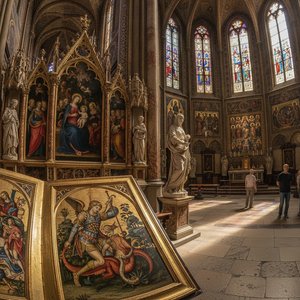
Divine Masterpieces: Exploring the Power and Beauty of Saint Artworks
Discover the profound beauty of Saint Artworks. Explore the history, symbolism, and luminous mastery of Renaissance religious masterpieces through an expert art-historical lens.

10 Arcydzieł Ekspresjonizmu Niemieckiego, Które Zdefiniowały Epokę | OriginalUniqueArt
Poznaj 10 arcydzieł ekspresjonizmu niemieckiego – od Kirchnera po Muncha. Odkryj historię, emocje i techniki tych ikonicznych dzieł sztuki. Reprodukcje najwyższej jakości na OriginalUniqueArt.com. Eksploruj kolekcję online!

Sacred Narratives Embodied: A Comprehensive Exploration of Religious Iconography in Art History
Explore the rich history of religious iconography in art! Discover symbolism, movements & masterpieces from Byzantine to Renaissance periods. Expert insights for collectors and enthusiasts at OriginalUniqueArt.

Mastering Devotion: The Most Iconic Depictions of Saint Jerome in Art History
Explore the profound iconography of Saint Jerome through art history's most iconic masterpieces. From Renaissance serenity to Baroque drama, discover how legendary painters captured divine devotion in breathtaking oil paintings and fine art reproductions.
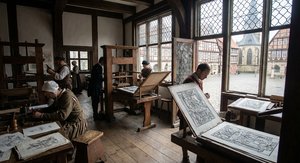
Północne Odrodzenie: Innowacje Artystyczne i Przełom Kulturowy w Renesansowej Niemczech
Poznaj fascynujący świat Renesansu Północnego! Odkryj innowacje artystyczne, wybitnych mistrzów i unikalną symbolikę malarstwa niemieckiego. Ekspercka analiza historii sztuki z OriginalUniqueArt.

