

 Wyślij
 Udostępnij
 Szczegóły
 Przewodnik

 Pobierz plik obrazu
 Podobne obiekty
 Pokaz slajdów
 Statystyki
Untitled (B)
 Digital Photography
- Photo
- Contemporary Conceptualism
 1975
1975 40.0 x 27.0 cm
 The Feminist Institute
 Czytaj więcej
Dzieło sztuki prezentowane na tej stronie podlega ochronie prawem autorskim, co oznacza, że nie mamy prawa do tworzenia ani sprzedaży jego identycznej reprodukcji. Ochrona ta jest egzekwowana na mocy umów międzynarodowych, takich jak Konwencja berneńska oraz przez przepisy prawa krajowego, w tym te określone w Prawo autorskie USA – Tytuł 17.
Metoda ta jest w pełni zgodna z przepisami prawa autorskiego, ponieważ nie polega na kopiowaniu ani powielaniu chronionego dzieła. Stanowi ona kreatywną reinterpretację – nowy obraz, który czerpie inspirację z oryginału, ale nie jest z nim tożsamy.
Giclée / Wydruk artystyczny
Wydruki giclée lub płótna o jakości muzealnej, szybka realizacja i szeroki wybór opcji wykończenia. ( Kup ręcznie malowany obraz Przełącz na wersję cyfrową)




































Wybierz spośród naszych standardowych rozmiarów, które zachowują oryginalne proporcje dzieła sztuki.

Wpisz wymaganą szerokość i wysokość, aby dopasować grafikę do ramy lub ściany. Wydruk można jedynie przyciąć, nigdy nie powiększając go poza oryginalny obraz, dlatego format o innym proporcji spowoduje utratę części kompozycji. Przed rozpoczęciem druku prześlemy Ci cyfrowy podgląd do zatwierdzenia. Obraz wyświetlany na tej stronie nie pokazuje rzeczywistego przycięcia — jedynie podgląd oddaje ten efekt.
Dostawa na cały świat () w ciągu 2 tygodni zamiast standardowych 4/5 tygodni. (22 Październik)

Bezpłatna ekspresowa wysyłka na cały świat

Wysokiej jakości płótno lniane

Pełne ubezpieczenie transportowe

Gwarancja zwrotu należności celnych i podatków importowych

Gwarancja idealnego odwzorowania barw

100-dniowy okres na zwrot dzieła w przypadku wykrycia wad produkcyjnych

Gwarancja 100% zwrotu pieniędzy

Oferta przy zakupie wielu sztuk
 Opcja ze szkłem jest dostępna wyłącznie w rozmiarach poniżej 110 cm

Untitled (B)
Giclée / Wydruk artystyczny
Rozmiar reprodukcji
-


Suma do zapłaty
zł 304
A Glimpse Behind the Mask: Cindy Sherman's "Untitled (B)"
Within the stark confines of black and white photography lies a world of constructed identities, meticulously crafted personas brought to life by the singular vision of Cindy Sherman. Her work, particularly pieces like “Untitled (B),” isn’t about capturing a definitive self; it’s an exploration of how we perceive ourselves and others through the lens of media, societal expectations, and performance. Created in 1975, this photograph stands as a pivotal moment within Sherman's early career, foreshadowing the groundbreaking series that would cement her place as one of contemporary art's most influential figures. It’s an invitation to question the very nature of representation, prompting us to consider the roles we play and the masks we wear in our daily lives.
The Character Revealed: Costume and Performance
“Untitled (B)” presents a man adorned in a striking costume – a dark suit contrasted by boldly striped hat. The close-up framing focuses intently on his face, drawing us into an intimate encounter with this enigmatic figure. His expression, a subtle blend of amusement and perhaps a touch of irony, hints at a character deliberately exaggerated, possibly a clown or a comic performer. This isn’t a portrait of an individual; it's a portrayal of a role, a carefully constructed persona designed to elicit a specific response. The costume itself becomes a powerful symbol – a visual shorthand for the performative aspects of identity. Sherman doesn't simply photograph a person; she orchestrates a scene, meticulously controlling every detail from lighting and composition to the subject’s expression. This deliberate control underscores her interest in deconstructing the idea of authenticity, revealing how even seemingly spontaneous moments are often carefully staged.
Technical Mastery: Light, Shadow, and Texture
The photograph's power is amplified by Sherman’s masterful use of black and white photography. The stark contrast between light and shadow sculpts the man’s face, highlighting his features while simultaneously obscuring others. Lighting from above and slightly in front creates subtle highlights on his forehead and nose, drawing attention to these details while leaving areas around his eyes and neck in shadow, adding depth and a sense of mystery. The grainy texture characteristic of black and white film further enhances the image's impact, lending it a timeless quality and emphasizing the raw, unfiltered nature of the moment captured. Lines are defined by the contours of the face and body, but also by the dynamic stripes on the hat – a visual element that injects energy into an otherwise controlled composition. The textures—the smoothness of skin juxtaposed with the slightly rougher fabric of the costume—add another layer of complexity to the image.
A Historical Context: Deconstructing Representation
“Untitled (B)” emerged during a period of significant artistic and social upheaval. The 1970s witnessed a growing critique of traditional representation, particularly within art history where women were often relegated to the role of muse rather than creator. Sherman’s work directly challenged this paradigm by placing herself at the center of her own narratives, but not as a singular, authentic self. Instead, she became a chameleon, adopting various personas to explore the fluidity and constructed nature of identity. Her photographs resonated with feminist art movements that questioned societal norms and sought to dismantle patriarchal structures. By exposing the artificiality inherent in representation, Sherman paved the way for future generations of artists to critically examine the ways in which images shape our understanding of ourselves and the world around us.
Emotional Resonance: Playfulness and Irony
Beyond its intellectual rigor, “Untitled (B)” possesses a captivating emotional resonance. The man’s expression evokes a sense of playfulness, perhaps even a touch of melancholy beneath the surface. There's an undeniable irony in portraying a character whose very existence is predicated on artifice. This tension between authenticity and performance invites viewers to contemplate the roles we all play in our own lives – the masks we wear to navigate social situations, the personas we adopt to meet expectations. The photograph lingers in the mind long after viewing, prompting reflection on the complexities of identity, representation, and the enduring power of visual storytelling.
Pytania i odpowiedzi
Gdzie mogę znaleźć statystyki dotyczące „Untitled (B)” autorstwa Cindy Sherman?
Dla dzieła „Untitled (B)” istnieje strona Statystyki. Przedstawia ona miesięczną liczbę odwiedzin tego dzieła oraz innych prac artysty, z podziałem na kraje i języki.
Który kolor najbardziej wyróżnia się w "Untitled (B)"?
Kolorem, który najbardziej wyróżnia się w "Untitled (B)", jest Celadon (#b5b5b5). Dominujący kolor jest pomocny przy dopasowywaniu dzieła sztuki do wnętrza.
Jak opisuje się paletę kolorystyczną dzieła „Untitled (B)” autorstwa Cindy Sherman?
Kolory dzieła "Untitled (B)" tworzą Neutrals paletę barw. Klasyfikacja ta opisuje dominujące rodziny kolorystyczne.
Biografia artysty
A Deconstruction of Identity: The World of Cindy Sherman
Cindy Sherman, a name synonymous with contemporary art’s most provocative explorations of self and representation, emerged from the quiet landscapes of New Jersey in 1954. More than simply a photographer, she is a masterful manipulator of image, meticulously constructing narratives through her self-portraits – portraits that dismantle conventional notions of identity, gender roles, and the very act of looking. Born Cynthia Morris Sherman, her artistic journey began not with grand pronouncements but with quiet observation, fueled by a childhood shaped by a strict upbringing and a mother dedicated to nurturing children facing learning challenges. This formative period instilled within her a keen awareness of social dynamics – the subtle pressures of conformity, the performance of roles, and the power of visual cues – themes that would become central to her enduring body of work.From Painting to Photographic Performance
Sherman’s initial artistic inclinations lay in painting at Buffalo State University, but she quickly recognized its limitations. The desire to *represent* reality felt insufficient; she yearned to dissect it, to expose the mechanisms behind how images shape our understanding. Photography offered a new language – one that allowed for direct engagement with representation and the deliberate manipulation of image itself. This pivotal shift led to her groundbreaking series, Bus Riders (1976), an early experiment in disguise and characterization. Here, Sherman observed and embodied everyday people on public transportation, capturing their anonymity and revealing the subtle performances inherent in daily life. However, it was with the Untitled Film Stills (1977-1980) that she truly catapulted to international recognition. This series of 70 black-and-white photographs presented Sherman herself as archetypal female characters lifted directly from the visual vocabulary of B-movies and television. These weren’t simple recreations; they were evocative interpretations – carefully constructed scenarios hinting at narratives without ever fully revealing them. Each image possessed a strange familiarity, simultaneously recognizable yet unsettling, prompting viewers to question their own assumptions about gender roles and cinematic tropes. The series wasn't merely *about* these characters; it was a profound commentary on the act of representation itself, exposing how images shape our perceptions of identity.Exploring Archetypes and Societal Roles
Throughout the 1980s and beyond, Sherman continued to explore the complexities of constructed identity and societal expectations through a diverse range of projects. The Centerfolds & Fashion Series (1986-1987) confronted the objectification of women in media, meticulously recreating images from magazine spreads with a critical eye – highlighting the often-deceptive beauty standards perpetuated by advertising. The Fairy Tales and Disasters series (mid-to-late 1980s) took her work into more fantastical and unsettling territory, utilizing prosthetics and elaborate makeup to create grotesque imagery that challenged conventional notions of beauty and narrative. She drew inspiration from fairy tales and disaster films, creating characters both alluring and terrifying. The History Portraits (early 1990s) were particularly striking – recreations of historical paintings with subtle but significant alterations. Sherman wasn’t simply copying these works; she was interrogating them, exposing their constructed nature and challenging the power dynamics inherent in traditional portraiture. For example, in a recreation of Titian's *Venus at her Mirror*, Sherman replaced the goddess’s reflection with a distorted image of herself, highlighting the performative aspect of female identity. Later work continued this exploration, often incorporating large-format color photography and digital manipulation to further blur the lines between reality and illusion, pushing the boundaries of photographic representation.Influences and Lasting Legacy
Sherman's artistic practice is deeply rooted in Conceptual Art, prioritizing ideas over traditional technical skills. She draws heavily from Feminist Theory, engaging with critiques of representation and the male gaze – particularly as articulated by Laura Mulvey’s influential essay “Visual Pleasure and Narrative Cinema.” Mulvey’s concept of "to-be-looked-at-ness" – the objectification of women within cinematic structures – became a central concern in Sherman's work. She uses her self-portraits to deconstruct these power dynamics, exposing how images construct and perpetuate stereotypes about women. While pinpointing direct influences is difficult, echoes of Surrealism can also be detected in her exploration of the subconscious and the unsettling juxtaposition of images. Her impact on contemporary art has been profound; she’s considered a key figure in the “Pictures Generation,” a group of artists who explored the impact of mass media on culture. Recognition came with prestigious awards like the MacArthur Fellowship (1995), solidifying her position as one of America's most important contemporary artists. Her photographs are now held by major museums worldwide, including MoMA and the Nelson-Atkins Museum of Art, ensuring that her work continues to be studied and debated for generations to come. Cindy Sherman’s innovative approach to self-portraiture has not only redefined the genre but also continues to provoke critical dialogue about identity, representation, and the pervasive power of images in shaping our perceptions of ourselves and the world around us. Her work remains remarkably relevant today, prompting ongoing discussions about authenticity, performance, and the ever-evolving nature of selfhood in a media-saturated society.
Cindy Sherman
1954 - , Stany Zjednoczone
Najważniejsze informacje
- Artistic Movement Or Style: Konceptualizm, Fotografia
- Artists Or Movements Influenced By This Artist: ['Pictures Generation']
- Artists Who Influenced This Artist: ['Laura Mulvey']
- Date Of Birth: 1954-01-19
- Full Name: Cindy Sherman
- Nationality: Amerykańska
- Notable Artworks:
- Untitled Film Stills
- Bus Riders
- Centerfolds
- Fairy Tales
- History Portraits
- Place Of Birth (City And Country): Glen Ridge, USA
Zobacz także powiązane artykuły
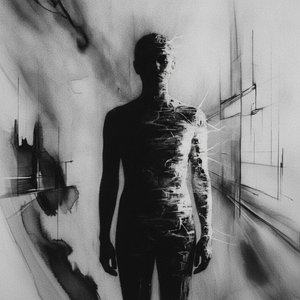
Shadow & Soul: Why Black & White Photography Remains the Ultimate Power Move in Modern Art
Discover why black & white photography remains a powerful force in contemporary art. Explore the impact of light, shadow, and texture through a visual journey of monochrome mastery and learn how to elevate your space with timeless grayscale aesthetics.

Monochrome Edge: The Ultimate Design Flex—Level Up Your Space with Bold Black & White Art
Master the monochrome aesthetic with high-impact Black & White art from OriginalUniqueArt.com. From custom hand-painted oils to iconic pop culture remixes, discover the ultimate design flex for your urban space. Elevate your decor with bold, premium, and timeless monochrome masterpieces.

Białe arcydzieła: Top 10 słynnych obrazów pełnych światła i emocji | OriginalUniqueArt.pl
Odkryj 10 najsłynniejszych obrazów, w których biel dominuje i tworzy wyjątkową atmosferę. Poznaj historie Moneta, Van Gogha i innych mistrzów! Reprodukcje najwyższej jakości na OriginalUniqueArt.com – inspiracje wnętrzarskie i kolekcjonerstwo sztuki online.

Monochromatyczne Wizje: Estetyka i Historyczne Znaczenie Fotografii Czarno-Białej
Odkryj fascynujący świat fotografii czarno-białej! Poznaj historię, techniki i arcydzieła monochromatycznej sztuki. Inspiracje, porady i analiza wpływu na współczesną estetykę. OriginalUniqueArt.com.

Czarne arcydzieła: Top 10 słynnych obrazów pełnych mroku i ekspresji | OriginalUniqueArt.com
Odkryj 10 słynnych obrazów, w których czerń króluje! Poznaj historie artystów, ekspresjonizm i mroczną paletę barw. Reprodukcje dzieł sztuki najwyższej jakości na OriginalUniqueArt.com – inspiracje do wnętrz i kolekcjonerstwo.


