

 Zobacz w skali 1:1
 Wyślij
 Udostępnij
 Szczegóły
 Przewodnik

 Pobierz plik obrazu
 Podobne obiekty
 RTG
RTG Pokaz slajdów
 Statystyki
Untitled #264
 Painting
- WallArt
- Contemporary Art
 1992
1992- Contemporary
 149.0 x 190.0 cm
 The Feminist Institute
 Czytaj więcej
Dzieło sztuki prezentowane na tej stronie podlega ochronie prawem autorskim, co oznacza, że nie mamy prawa do tworzenia ani sprzedaży jego identycznej reprodukcji. Ochrona ta jest egzekwowana na mocy umów międzynarodowych, takich jak Konwencja berneńska oraz przez przepisy prawa krajowego, w tym te określone w Prawo autorskie USA – Tytuł 17.
Metoda ta jest w pełni zgodna z przepisami prawa autorskiego, ponieważ nie polega na kopiowaniu ani powielaniu chronionego dzieła. Stanowi ona kreatywną reinterpretację – nowy obraz, który czerpie inspirację z oryginału, ale nie jest z nim tożsamy.
Giclée / Wydruk artystyczny
Wydruki giclée lub płótna o jakości muzealnej, szybka realizacja i szeroki wybór opcji wykończenia. ( Kup ręcznie malowany obraz Przełącz na wersję cyfrową)




P118B zł10

P118H zł10

P118W zł10

P438Z zł10

P508JH zł12

P508YH zł12

P805H zł10

P805Z zł10

P919BZ zł10

P919G zł10

P919XJ zł10

P959ZH zł10

P968JZ zł12

W106C zł8

W218G zł10

W218JH zł8

W218Y zł10

W307PJ zł10

W316G zł10

W316PJ zł8

W316Y zł10

W398PJ zł8

W4111J zł10

W500HY zł15

W500JH zł15

W692G zł12

W849H zł8

W940BG zł15

W953PJ zł8




Wybierz spośród naszych standardowych rozmiarów, które zachowują oryginalne proporcje dzieła sztuki.

Wpisz wymaganą szerokość i wysokość, aby dopasować grafikę do ramy lub ściany. Wydruk można jedynie przyciąć, nigdy nie powiększając go poza oryginalny obraz, dlatego format o innym proporcji spowoduje utratę części kompozycji. Przed rozpoczęciem druku prześlemy Ci cyfrowy podgląd do zatwierdzenia. Obraz wyświetlany na tej stronie nie pokazuje rzeczywistego przycięcia — jedynie podgląd oddaje ten efekt.
Dostawa na cały świat () w ciągu 2 tygodni zamiast standardowych 4/5 tygodni. (23 Październik)

Bezpłatna ekspresowa wysyłka na cały świat

Wysokiej jakości płótno lniane

Pełne ubezpieczenie transportowe

Gwarancja zwrotu należności celnych i podatków importowych

Gwarancja idealnego odwzorowania barw

100-dniowy okres na zwrot dzieła w przypadku wykrycia wad produkcyjnych

Gwarancja 100% zwrotu pieniędzy

Oferta przy zakupie wielu sztuk
 Opcja ze szkłem jest dostępna wyłącznie w rozmiarach poniżej 110 cm

Untitled #264
Giclée / Wydruk artystyczny
Rozmiar reprodukcji
-


Suma do zapłaty
zł 308
The Constructed Persona
A woman lies on her back, her form partially revealed from the waist down. A crown rests upon her head, while a mask obscures her facial features. This 1992 work utilizes the artist's own body to explore the boundaries of identity and the performance of the self.
The composition relies on the tension between what is hidden and what is exposed. By masking the face, the figure becomes an archetype rather than a specific individual. The presence of the crown introduces a layer of artifice, suggesting a staged or theatrical reality.
Context and Materiality
Created during a period when the artist was deeply engaged with deconstructing societal roles, this piece functions through the manipulation of visual cues. It belongs to a broader investigation into how media and expectation shape the perception of gender and personhood.
The work is held at The Feminist Institute in New York, United States. Through the use of costume and physical positioning, it challenges the viewer to look past the surface of the image to find the mechanisms of its own creation.
Pytania i odpowiedzi
Jaki klimat wnosi „Untitled #264” autorstwa Cindy Sherman do wnętrza?
Dzięki swojemu Dramatic nastrojowi, "Untitled #264" idealnie sprawdzi się w Living Room.
Jaka jest technika i data powstania „Untitled #264” autorstwa Cindy Sherman?
"Untitled #264" powstało w 1992 roku przy użyciu techniki Painting. Materiał i data opisują, w jaki sposób oraz kiedy wykonano oryginał.
Do jakiego stylu należy "Untitled #264"?
„Untitled #264” to dzieło należące do nurtu Contemporary Art. Nurt ten określa tradycję artystyczną, w której osadzone jest dzieło.
Biografia artysty
A Deconstruction of Identity: The World of Cindy Sherman
Cindy Sherman, a name synonymous with contemporary art’s most provocative explorations of self and representation, emerged from the quiet landscapes of New Jersey in 1954. More than simply a photographer, she is a masterful manipulator of image, meticulously constructing narratives through her self-portraits – portraits that dismantle conventional notions of identity, gender roles, and the very act of looking. Born Cynthia Morris Sherman, her artistic journey began not with grand pronouncements but with quiet observation, fueled by a childhood shaped by a strict upbringing and a mother dedicated to nurturing children facing learning challenges. This formative period instilled within her a keen awareness of social dynamics – the subtle pressures of conformity, the performance of roles, and the power of visual cues – themes that would become central to her enduring body of work.From Painting to Photographic Performance
Sherman’s initial artistic inclinations lay in painting at Buffalo State University, but she quickly recognized its limitations. The desire to *represent* reality felt insufficient; she yearned to dissect it, to expose the mechanisms behind how images shape our understanding. Photography offered a new language – one that allowed for direct engagement with representation and the deliberate manipulation of image itself. This pivotal shift led to her groundbreaking series, Bus Riders (1976), an early experiment in disguise and characterization. Here, Sherman observed and embodied everyday people on public transportation, capturing their anonymity and revealing the subtle performances inherent in daily life. However, it was with the Untitled Film Stills (1977-1980) that she truly catapulted to international recognition. This series of 70 black-and-white photographs presented Sherman herself as archetypal female characters lifted directly from the visual vocabulary of B-movies and television. These weren’t simple recreations; they were evocative interpretations – carefully constructed scenarios hinting at narratives without ever fully revealing them. Each image possessed a strange familiarity, simultaneously recognizable yet unsettling, prompting viewers to question their own assumptions about gender roles and cinematic tropes. The series wasn't merely *about* these characters; it was a profound commentary on the act of representation itself, exposing how images shape our perceptions of identity.Exploring Archetypes and Societal Roles
Throughout the 1980s and beyond, Sherman continued to explore the complexities of constructed identity and societal expectations through a diverse range of projects. The Centerfolds & Fashion Series (1986-1987) confronted the objectification of women in media, meticulously recreating images from magazine spreads with a critical eye – highlighting the often-deceptive beauty standards perpetuated by advertising. The Fairy Tales and Disasters series (mid-to-late 1980s) took her work into more fantastical and unsettling territory, utilizing prosthetics and elaborate makeup to create grotesque imagery that challenged conventional notions of beauty and narrative. She drew inspiration from fairy tales and disaster films, creating characters both alluring and terrifying. The History Portraits (early 1990s) were particularly striking – recreations of historical paintings with subtle but significant alterations. Sherman wasn’t simply copying these works; she was interrogating them, exposing their constructed nature and challenging the power dynamics inherent in traditional portraiture. For example, in a recreation of Titian's *Venus at her Mirror*, Sherman replaced the goddess’s reflection with a distorted image of herself, highlighting the performative aspect of female identity. Later work continued this exploration, often incorporating large-format color photography and digital manipulation to further blur the lines between reality and illusion, pushing the boundaries of photographic representation.Influences and Lasting Legacy
Sherman's artistic practice is deeply rooted in Conceptual Art, prioritizing ideas over traditional technical skills. She draws heavily from Feminist Theory, engaging with critiques of representation and the male gaze – particularly as articulated by Laura Mulvey’s influential essay “Visual Pleasure and Narrative Cinema.” Mulvey’s concept of "to-be-looked-at-ness" – the objectification of women within cinematic structures – became a central concern in Sherman's work. She uses her self-portraits to deconstruct these power dynamics, exposing how images construct and perpetuate stereotypes about women. While pinpointing direct influences is difficult, echoes of Surrealism can also be detected in her exploration of the subconscious and the unsettling juxtaposition of images. Her impact on contemporary art has been profound; she’s considered a key figure in the “Pictures Generation,” a group of artists who explored the impact of mass media on culture. Recognition came with prestigious awards like the MacArthur Fellowship (1995), solidifying her position as one of America's most important contemporary artists. Her photographs are now held by major museums worldwide, including MoMA and the Nelson-Atkins Museum of Art, ensuring that her work continues to be studied and debated for generations to come. Cindy Sherman’s innovative approach to self-portraiture has not only redefined the genre but also continues to provoke critical dialogue about identity, representation, and the pervasive power of images in shaping our perceptions of ourselves and the world around us. Her work remains remarkably relevant today, prompting ongoing discussions about authenticity, performance, and the ever-evolving nature of selfhood in a media-saturated society.
Cindy Sherman
1954 - , Stany Zjednoczone
Najważniejsze informacje
- Artistic Movement Or Style: Konceptualizm, Fotografia
- Artists Or Movements Influenced By This Artist: ['Pictures Generation']
- Artists Who Influenced This Artist: ['Laura Mulvey']
- Date Of Birth: 1954-01-19
- Full Name: Cindy Sherman
- Nationality: Amerykańska
- Notable Artworks:
- Untitled Film Stills
- Bus Riders
- Centerfolds
- Fairy Tales
- History Portraits
- Place Of Birth (City And Country): Glen Ridge, USA
Zobacz także powiązane artykuły
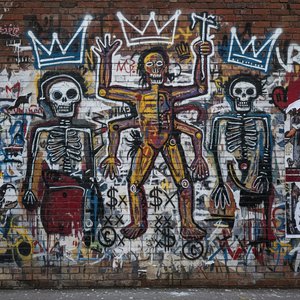
Jean-Michel Basquiat: Deconstructing Identity & Power Through Neo-Expressionist Graffiti
Explore the powerful work of Jean-Michel Basquiat & his impact on Neo-Expressionism. Discover how he deconstructed identity, challenged power structures, and left an enduring legacy in contemporary art. Expert analysis for collectors.
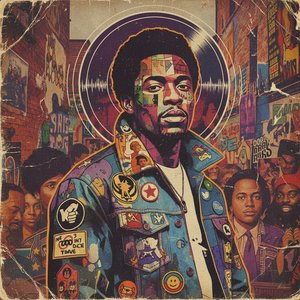
Mingering Mike: Subversive Portraiture & the Aesthetics of Contemporary Identity
Explore the provocative work of Mingering Mike, a contemporary artist challenging conventions with raw emotionality & subversive portraiture. Discover his influences, collecting insights & the aesthetics of identity in art.

Paul Cézanne: 25 Arcydzieł, które Zrewolucjonizowały Świat Sztuki | OriginalUniqueArt
Odkryj 25 arcydzieł Paula Cézanne'a – od impresjonizmu po postimpresjonizm. Poznaj historie, techniki i inspiracje malarza, który zrewolucjonizował sztukę. Reprodukcje obrazów najwyższej jakości na OriginalUniqueArt.com!
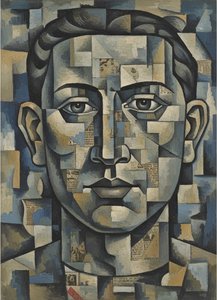
Dekonstrukcja Tożsamości: Kompleksowe Badanie Portretu Kubistycznego
Odkryj fascynujący świat portretu kubistycznego! Kompleksowa analiza dzieł Picassa i Braque, psychologiczne aspekty dekonstrukcji formy oraz wpływ kubizmu na współczesną sztukę. Poradnik dla kolekcjonerów.
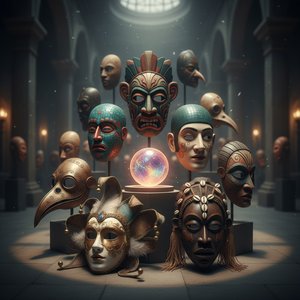
Unveiling the Mystery: A Journey Through the World's Most Iconic Mask Artworks
Embark on a profound journey through the world's most iconic mask artworks. Explore the spiritual depth, intricate craftsmanship, and rich cultural heritage of global traditions, from Chhau to Gomira, in this expert-led exploration of ancestral artistry and symbolic beauty.


