
 Podgląd w skali 1:1
 Wyślij jako kartkę
 Udostępnij
 Szczegóły dzieła
 Przewodnik

 Pobierz obraz
 Podobne obiekty
 RTG
RTG Pokaz slajdów
 Pytania i odpowiedzi
 Statystyki
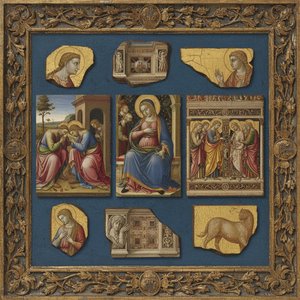
Virgin Enthroned with Angels

- 424.0 x 276.0 cm


 Rozwiń treść
Giclée / Wydruk artystyczny
Wydruki giclée lub płótna o jakości muzealnej, szybka realizacja i szeroki wybór opcji wykończenia. ( Zamów ręcznie malowaną reprodukcję Przejdź do wersji cyfrowej)




P118B zł10

P118H zł10

P118W zł10

P438Z zł10

P508JH zł12

P508YH zł12

P805H zł10

P805Z zł10

P919BZ zł10

P919G zł10

P919XJ zł10

P959ZH zł10

P968JZ zł12

W106C zł8

W218G zł10

W218JH zł8

W218Y zł10

W307PJ zł10

W316G zł10

W316PJ zł8

W316Y zł10

W398PJ zł8

W4111J zł10

W500HY zł15

W500JH zł15

W692G zł12

W849H zł8

W940BG zł15

W953PJ zł8




Wybierz spośród naszych standardowych rozmiarów, które zachowują oryginalne proporcje dzieła sztuki.

Wpisz wymaganą szerokość i wysokość, aby dopasować grafikę do ramy lub ściany. Wydruk można jedynie przyciąć, nigdy nie powiększając go poza oryginalny obraz, dlatego format o innych proporcjach spowoduje utratę części kompozycji. Przed rozpoczęciem druku prześlemy Ci cyfrowy podgląd do zatwierdzenia. Obraz wyświetlany na tej stronie nie pokazuje rzeczywistego przycięcia — jedynie podgląd oddaje ten efekt.
Dostawa na cały świat () w ciągu 2 tygodni zamiast standardowych 4/5 tygodni. (11 Listopad)

Bezpłatna ekspresowa wysyłka na cały świat

Wysokiej jakości płótno lniane

Pełne ubezpieczenie przesyłki

Gwarancja zwrotu należności celnych i podatków importowych

Gwarancja wiernego odwzorowania kolorów

100-dniowa polityka zwrotów (tylko w przypadku wad)

Gwarancja 100% zwrotu pieniędzy

Zniżka przy zakupie wielu sztuk
 Opcja ze szkłem jest dostępna wyłącznie w rozmiarach poniżej 110 cm

Virgin Enthroned with Angels
Giclée / Wydruk artystyczny
Wymiary reprodukcji
-


Cena całkowita
zł 316
A Dawn of Innovation: Cimabue’s Virgin Enthroned with Angels
Giovanni Cimabue, born Cenni di Pepo around 1240 in Florence, represents a pivotal moment in the artistic landscape—a courageous leap from the rigid formalism of Byzantine iconography towards the burgeoning humanist spirit that would soon characterize the Italian Renaissance. While Vasari’s accounts portray him as a figure shrouded in myth and legend, scholarly research confirms Cimabue's significance as a trailblazer who subtly challenged established conventions, laying the groundwork for transformative developments in Western art. His nickname, “bull-headed,” aptly captures his unwavering determination—a quality evident in his audacious experimentation with form and expression. He wasn’t merely replicating religious imagery; he was actively reshaping it, initiating a dialogue between tradition and innovation that would resonate throughout subsequent generations of artists.The Byzantine Legacy Reflected
Cimabue's artistic vision firmly rooted itself within the traditions of Byzantium—the Eastern Roman Empire—which dominated European art for centuries prior to his time. Like many Florentine painters of his era, Cimabue drew inspiration from the monumental mosaics and frescoes adorning churches in Constantinople (modern Istanbul), prioritizing clarity of line and flattened perspective to convey spiritual grandeur. The influence of Byzantine iconography is palpable in Cimabue’s depiction of Mary—a serene Madonna seated upon a throne crafted with meticulous detail, embodying divine majesty. This deliberate stylistic choice underscores the importance of preserving sacred imagery while simultaneously hinting at a desire for artistic advancement.A Masterpiece of Fresco Technique
Cimabue's *Virgin Enthroned with Angels* exemplifies the mastery of fresco technique—a method involving applying pigment onto wet plaster—which was considered the pinnacle of painting achievement during the 13th century. The artist skillfully utilized tempera pigments mixed with lime to achieve vibrant colors and luminous effects, creating a surface that appears remarkably durable despite its age. Careful observation reveals subtle gradations of tone and texture, demonstrating Cimabue’s meticulous attention to craftsmanship. This technique ensured that the painting would withstand the passage of time, preserving its beauty for centuries to come—a testament to Cimabue's dedication to artistic excellence.Symbolism Embodied in Detail
Beyond its technical prowess, *Virgin Enthroned with Angels* is rich in symbolic meaning. The throne itself represents divine authority and permanence, reflecting Mary’s role as Queen of Heaven. The angels surrounding the Virgin are depicted with graceful drapery and expressive gestures—symbols of humility and devotion—emphasizing the sanctity of the scene. Furthermore, the inclusion of prophets adds to the narrative complexity, reminding viewers of God's promise of salvation. Cimabue’s masterful composition skillfully communicates theological concepts through visual elements, elevating the artwork beyond mere representation into a profound meditation on faith and spirituality.Emotional Resonance: A Window Into Medieval Devotion
The painting evokes a powerful emotional response—a sense of serenity and reverence that speaks to the enduring appeal of medieval religious art. The luminous gold leaf adorning the throne and draperies imbues the image with an ethereal glow, transporting viewers back to a time when faith permeated every aspect of daily life. Cimabue’s depiction captures not only the visual splendor of Byzantine tradition but also its underlying spiritual essence—a legacy that continues to inspire artists and collectors alike. The *Virgin Enthroned with Angels* stands as a timeless masterpiece—a poignant reminder of humanity's yearning for transcendence and divine grace.Pytania i odpowiedzi
Jakie inne pseudonimy lub nazwy stosuje Cimabue?
Inne znane nazwiska Cimabue, twórcy "Virgin Enthroned with Angels", to Cenni Di Pepo, Cenni Di Pepi, Giovanni Cimabue.
Jaki układ ma „Virgin Enthroned with Angels” – Cimabue?
„Virgin Enthroned with Angels” – Cimabue to kompozycja w formacie Portrait. Warto sprawdzić proporcje przed wyborem rozmiaru wydruku.
Czy dostępna jest prezentacja w formie pokazu slajdów dla „Virgin Enthroned with Angels” – Cimabue?
Prezentację slajdów utworu "Virgin Enthroned with Angels" można obejrzeć na stronie Prezentacja slajdów tego dzieła.
Biografia artysty
Życie i tożsamość Cimabue
W tętniących życiem ulicach florenckiej Italii, około 1240 roku, rozpoczął swój żywot człowiek znany jako Giovanni Cimabue. Wielu znało go pod imionami Cenni di Pepo lub Cenni di Pepi – imionami należącymi do artysty przeznaczonego do ukształtowania języka wizualnego swojej epoki. Był malarzem i projektantem mozaik, rzemieślnikiem, którego dłonie potrafiły posługiwać się zarówno delikatnym pędzlem, jak i trwałym kamieniem. Mówiono o nim, że posiada silny, być może nawet buntowniczy duch, co przyniosło mu przydomek sugerujący upór byka. Ta nieustępliwość nie była jednak wadą, lecz siłą napędową, która pozwoliła mu spojrzeć na sztywne tradycje stylu bizantyjskiego i poszukać w sztuce czegoś bardziej ludzkiego.
Jego droga była procesem nieustannego ruchu i ewoluującego celu. Choć jego korzenie pozostały mocno osadzone w tradycji florenckiej, praca niosła go przez cały krajobraz Toskanii. Nie ograniczał się jedynie do powielania ikon przeszłości; dążył do tchnięcia życia w malowane przez siebie postaci. Ta ambicja pchnęła go ku eksperymentom nad tym, jak światło może padać na twarz lub jak ciało może zajmować przestrzeń. Był człowiekiem zawieszonym między dwoma światami, oddającym cześć duchowej formalności dawnych obyczajów, a jednocześnie sięgającym ku nowemu sposobowi postrzegania świata przez bardziej naturalny pryzmat.
Ostatnie lata życia oddaliły go od miasta urodzenia, prowadząc ku wybrzeżu. Ostatecznie odszedł w Pizie w 1302 roku. Choć jego życie upłynęło na cichej pracy w warsztacie i tworzeniu monumentalnych mozaik, jego obecność pozostawiła trwały ślad w historii włoskiej sztuki. Przeżył czasy głębokich przemian, stając się pomostem dla tych, którzy podążyli jego śladami.
Wczesne lata i kształcenie artystyczne
Urodzony we Florencji około 1240 roku młody człowiek, który miał stać się znany jako Cimabue, wkroczył w świat, w którym tradycje Bizancjum wciąż mocno trzymały ducha sztuki. Był dzieckiem florenckich ulic, dorastającym w krajobrazie, gdzie ciężka, złota formalność Wschodu spotykała się z nowym, niespokojnym pragnieniem czegoś bardziej ludzkiego. Choć dokładne szczegóły jego dzieciństwa pozostają spowite zasłoną czasu, wczesne lata były wyraźnie kształtowane przez rygorystyczną dyscyplinę florenckich warsztatów. To właśnie tutaj nauczył się panować nad delikatnym medium tempery jajecznej oraz wymagającą sztuką projektowania mozaik – umiejętnościami, które zdefiniowały jego długą karierę zarówno jako malarza, jak i twórcy mozaik.
Jego szkolenie nie było jedynie nauką nakładania pigmentu na drewno, lecz głębokim zanurzeniem w święty język ikonografii. Chłonął sposoby, w jakie światło było wykorzystywane do symbolizowania boskości, często poprzez nakładanie mieniącego się płatków złota, które zdawało się promieniować z samej deski. Jednak nawet w tych formacyjnych latach zaczęła wyłaniać się pewna siła woli. Pojawiło się poczucie, że nie zadowala go proste powielanie płaskich, symbolicznych postaci z przeszłości. Zamiast tego zaczął eksperymentować z tym, w jaki sposób ciało może zajmować przestrzeń, starając się nadać swoim postaciom poczucie ciężaru i obecności, których brakowało w dziełach jego poprzedników. Ta wczesna walka o zachowanie równowagi między ugruntowaną tradycją religijną a rodzącym się zainteresowaniem światem naturalnym miała stać się znakiem rozpoznawczym jego ręki.
Technika artystyczna i ewoluujący styl
W cichej, mozolnej pracy swojej pracowni, Cimabue dążył do tchnięcia nowego rodzaju życia w święte postaci swojej epoki. Tworzył głównie w technice tempery jajowej na drewnianych panelach, co wymagało od artysty niezwykle cierpliwej i zdyscyplinowanej ręki. Aby uzyskać niebiański blask niezbędny w przedstawieniach religijnych, często nakładał pigment na tło ze lśniącego płatków złota. W innych dziełach wykorzystywał temperę z dodatkiem złota, by stworzyć wrażenie boskiego światła. Jego dłonie z równą biegłością posługiwały się monumentalną skalą fresku, jak i misternymi, trwałymi wzorami mozaik, wykazując wszechstronność, która pozwalała mu swobodnie poruszać się między ścianami katedr a intymnym wymiarem wotywnych tablic.
W miarę jak jego wizja dojrzewała, w sposobie, w jaki traktował ludzką formę, zaczęła pojawiać się subtelna zmiana. Odchodził od płaskich, dwuwymiarowych sylwetek tradycji bizantyjskiej, poszukując zamiast tego sposobu na uchwycenie ciężaru i obecności prawdziwego ciała. Osiągał to poprzez coraz bardziej wyrafinowane stosowanie światłocienia, który sugerował objętość, pozwalając twarzy czy kończynie wydawać się zaokrąglonymi i trójwymiarowymi, a nie jedynie obrysowanymi liniami. To rosnące zainteresowanie realistycznymi proporcjami postaci sprawiało, że jego święci i Madonny zyskiwali fizyczną realność, która wydawała się bliższa ludziom klęczącym przed nimi. Nie był już zadowolony z samych symboli; pragnął ukazać ciało jako naczynie niosące prawdziwy ciężar i emocje.
- Biczowanie Chrystusa (ok. 1280)
- Szydzenie z Chrystusa (ok. 1280)
- Matka Boska z Dzieciątkiem w Majestacie otoczona przez sześciu aniołów (1270)
Główne zlecenia i kluczowe dzieła
Wczesne lata jego kariery ukazują człowieka, który już wtedy zmagał się z ciężarem tradycji. Około 1268 roku stworzył Krucyfiks, dzieło, które w późniejszych wiekach stało się przedmiotem studiów ze względu na swoją głęboką medytację nad cierpieniem. Następnie, około 1270 roku, powstał Krucyfiks w San Domenico w Arezzo, gdzie ciało Chrystusa zdaje się uginać pod ciężarem własnej męki. W tym samym okresie namalował Madonnę z Dzieciątkiem w Majestacie otoczoną przez sześciu aniołów – dzieło z 1270 roku, które ukazuje jego warsztat pracujący w ramach ustalonych wówczas wzorców. Nawet w tych wczesnych próbach można wyczuć ducha dążącego do wyjścia poza płaskie, odległe figury przeszłości.
Wraz z upływem dekad jego pędzel stawał się coraz bardziej śmiały. Do 1278 roku ukończył Madonnę na tronie z Dzieciątkiem, św. Franciszkiem i czterema aniołami, kompozycję, która nadała świętym postaciom nowe poczucie obecności. Ta ewolucja trwała nadal w kolejnej dekadzie. Około 1280 roku wykonał Maestà, znajdującą się obecnie w Luwrze, oraz Biczowanie Chrystusa – złożoną scenę sugerującą rosnące zainteresowanie relacjami przestrzennymi. Był artystą wszechstronnym, pracującym również w mozaice, pozostawiając swój ślad na samych kamieniach florenckiego Baptysterium.
Jego późniejsze dzieła ukazują wyrafinowaną zdolność do oddawania trójwymiarowości i ludzkich emocji. Detal jego Madonny w Majestacie, namalowanej w 1285 roku, ujawnia subtelne użycie światłocienia, które sugeruje fizyczną realność postaci Maryi. Nawet w mniejszych, bardziej intymnych kompozycjach, takich jak XIII-wieczne Szydzenie z Chrystusa, jego zdolność do uchwycenia ludzkiego doświadczenia pozostaje niezwykle wyraźna. Twórczość Cimabue była niezwykle bogata, obejmując zarówno monumentalne ołtarze, jak i niewielkie, pełne modlitewnego skupienia tablice.
- Szydzenie z Chrystusa (XIII wiek)
Mistrz i jego słynny uczeń
Dziedzictwo, jakie pozostawił po sobie Cimabue, przetrwało dzięki dłoniom tych, którzy zasiadali u jego boku w florenckich warsztatach. Wśród jego najważniejszych uczniów znalazł się Giotto di Bondone, który pod okiem mistrza przeszedł kluczowy etap formowania swojego talentu. Ich relacja charakteryzowała się dynamiką, która przesuwała granice tego, co malarz mógł osiągnąć w sztuce. Mówi się, że podczas praktyki młody Giotto namalował kiedyś żartobliwie muchę na portrecie, nad którym pracował Cimabue – ten drobny psikus ujawnił ducha równie żywotnego, co u samego mistrza. Choć Giotto ostatecznie podążył w stronę bardziej radykalnego naturalizmu, jego fundamenty zostały zbudowane na lekcjach płynących z ewoluującego podejścia Cimabue do formy i ekspresji.
Poza tym słynnym związkiem, wpływ Cimabue sięgał innych utalentowanych rąk, które operowały w jego artystycznym kręgu. Jedną z takich postaci jest artysta znany jako Mistrz z Varlungo, identyfikowany jako jeden z głównych uczniów Cimabue. Malarz ten tworzył w tym samym, przełomowym okresie, chłonąc zmiany stylistyczne, które zainicjował Cimabue. Dzięki takim uczniom proces przejścia od sztywnych tradycji bizantyjskich ku stylowi bardziej humanistycznemu został podtrzymany, zapewniając, że innowacje mistrza rozniosą się falami przez kolejne pokolenia włoskich malarzy.
Gdzie dziś można podziwiać jego arcydzieła
Podążanie śladami jego pędzla to podróż przez wielkie metropolie Europy i odległe zakątki świata. W Paryżu, w murach Luwru, spoczywa Maestà – dzieło, które niegdyś zdobiło kościół San Francesco w Pizie. Muzeum to wzbogaciło się również niedawno o obraz Szydzenie z Chrystusa, pozyskany w 2023 roku. Te płótna pozwalają nam dostrzec, jak jego twórczość przenika przez sale tak wspaniałych instytucji, budując most między sakralnymi przestrzeniami przeszłości a publicznymi galeriami współczesności.
Duch jego twórczości pozostaje jednak głęboko zakorzeniony w włoskim krajobrazie. We Florencji Galleria degli Uffizi przechowuje detal Madonny w Majestacie, oferując nam intymny wgląd w ewoluujący warsztat mistrza. Niedaleko stąd, w Museo dell'Opera del Duomo w Pizie, znajduje się detal przedstawiający Chrystusa na tronie pomiędzy Madonną a św. Janem Ewangelistą. Jeśli zaś skierujemy kroki ku Asyżowi, wciąż możemy odnaleźć Madonnę z Dzieciątkiem w otoczeniu czterech aniołów i św. Franciszka, podczas gdy Bazylika San Domenico w Arezzo skrywa Krzyż, będący świadectwem jego odejścia od dawnych tradycji.
Zasięg jego oddziaływania wykraczał daleko poza morza, znajdując schronienie w kolekcjach oddalonych od florenckich korzeni. Frick Collection w Nowym Jorku zachowuje Biczowanie Chrystusa, natomiast National Gallery w Londynie posiada detal Krzyża. Te rozproszone skarby przypominają nam o niezliczonych rękach, które przez stulecia z troską pielęgnowały jego dziedzictwo.

Cimabue
1240 - 1302 , Włochy
Krótka nota
- Artistic Movement Or Style: Bizantyński i Renesansowy
- Artists Or Movements Influenced By This Artist:
- Giotto
- Duccio
- Artists Who Influenced This Artist:
- Giunta Pisano
- Coppo di Marcovaldo
- Date Of Birth: c. 1240
- Date Of Death: 1302
- Full Name: Giovanni Cimabue
- Nationality: Włoski
- Notable Artworks:
- Maestà
- Ukrzyżowanie
- Ostatnia Wieczerza
- Place Of Birth: Florencja, Italia
Powiązane artykuły

Cnota Obywatelska w Sztuce Zachodniej: Polityka jako Inspiracja i Symbol
Poznaj fascynującą historię cnoty obywatelskiej w sztuce zachodniej! Analizujemy alegorie polityczne, portrety idealnych obywateli i wpływ idei na malarstwo od starożytności po współczesność. Ekspercka analiza dzieł sztuki.
Proto-Renensans: 10 Arcydzieł, Które Zdefiniowały Sztukę – OriginalUniqueArt.com
Odkryj 10 arcydzieł proto-renesansu! Poznaj historię Giotta, Cimabue i innych mistrzów. OriginalUniqueArt.com oferuje reprodukcje obrazów najwyższej jakości – idealne do Twojego wnętrza. Eksploruj pełną kolekcję online!

25 Masterpieces of the Sistine Chapel: A Journey Through Michelangelo's Divine Art
Step into the divine beauty of the Sistine Chapel. Explore 25 iconic Renaissance masterpieces by Michelangelo and more. From breathtaking frescoes to timeless legends, find inspiration for museum-quality art reproductions. Discover all masterpieces on OriginalUniqueArt.com.

25 Masterpieces of the Sistine Chapel: A Journey Through Michelangelo's Divine Art
Step into the divine beauty of the Sistine Chapel. Explore 25 iconic Renaissance masterpieces by Michelangelo and more. From breathtaking frescoes to timeless legends, find inspiration for museum-quality art reproductions. Discover all masterpieces on OriginalUniqueArt.com.

Simone Martini: Innovation, Spirituality & Courtly Refinement in Sienese Painting
Explore the captivating world of Simone Martini, a pivotal figure in Sienese painting & the International Gothic style. Discover his innovative techniques, spiritual depth, and lasting influence on early Renaissance art.


