
 Zobacz w skali 1:1
 Wyślij
 Udostępnij
 Szczegóły
 Przewodnik

 Pobierz plik obrazu
 Podobne obiekty
 RTG
RTG Pokaz slajdów
 Statystyki
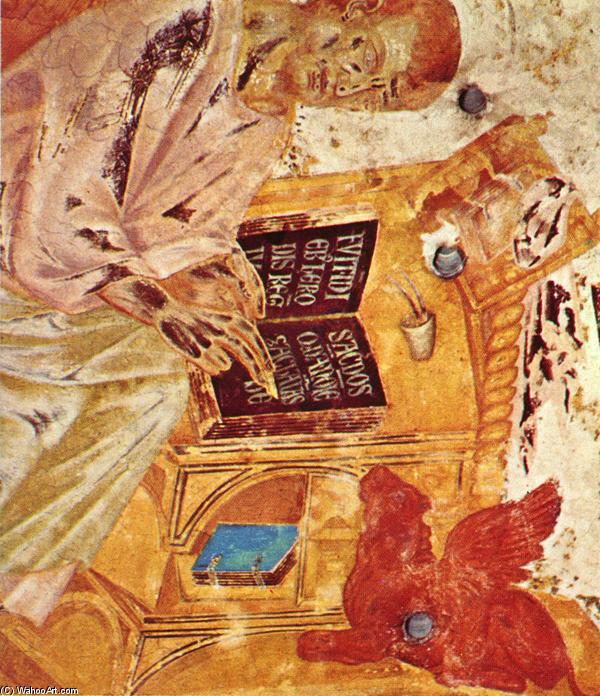
St Luke (detail)
 Acrylic On Canvas
- WallArt
- Proto-Renaissance
 1280
1280- Renaissance
 450.0 x 900.0 cm
 Czytaj więcej
Ręcznie malowana reprodukcja olejowa
Ręcznie malowany obraz olejny na płótnie, wykonany na zamówienie przez naszych artystów w wybranym przez Ciebie wymiarze i oprawie. ( Przełącz na wersję drukowaną Przełącz na wersję cyfrową)




P118B zł10

P118H zł10

P118W zł10

P438Z zł10

P508JH zł12

P508YH zł12

P805H zł10

P805Z zł10

P919BZ zł10

P919G zł10

P919XJ zł10

P959ZH zł10

P968JZ zł12

W106C zł8

W218G zł10

W218JH zł8

W218Y zł10

W307PJ zł10

W316G zł10

W316PJ zł8

W316Y zł10

W398PJ zł8

W4111J zł10

W500HY zł15

W500JH zł15

W692G zł12

W849H zł8

W940BG zł15

W953PJ zł8




Wybierz spośród naszych standardowych rozmiarów, które zachowują oryginalne proporcje dzieła sztuki.

Wpisz wymaganą szerokość i wysokość, aby obraz pasował do Twojej ramy lub ściany. Ponieważ jest to dzieło malowane ręcznie, w przypadku rozmiaru o innym proporcji artysta może domalować nieco więcej wokół obrazu lub przyciąć fragmenty — wybór należy do Ciebie. Przed rozpoczęciem pracy prześlemy Ci cyfrową wizualizację do zatwierdzenia. Obraz widoczny na tej stronie nie przedstawia rzeczywistego efektu — jedynie wizualizacja oddaje realny rezultat.
Po złożeniu zamówienia zespół OriginalUniqueArt.com skontaktuje się z klientem drogą mailową w celu uzyskania instrukcji i prześle wizualizację projektu
Dostawa na całym świecie () w ciągu 3–4 tygodni zamiast standardowych 5 tygodni. (22 Październik). Bez kompromisów w kwestii jakości.

Bezpłatna ekspresowa wysyłka na cały świat

Wysokiej jakości płótno lniane

Pełne ubezpieczenie transportowe

Gwarancja zwrotu należności celnych i podatków importowych

Gwarancja idealnego odwzorowania barw

100-dniowy okres na zwrot dzieła w przypadku wykrycia wad produkcyjnych

Gwarancja 100% zwrotu pieniędzy

Oferta przy zakupie wielu sztuk
 Opcja ze szkłem jest dostępna wyłącznie w rozmiarach poniżej 110 cm

St Luke (detail)
Technika wykonania
Rozmiar reprodukcji
-


Suma do zapłaty
zł 1151
A Glimpse into a Changing World: Cimabue’s *St Luke (detail)*
This captivating detail from Cimabue's fresco of St. Luke offers a profound window into the pivotal moment when Italian art began to break free from the rigid conventions of the Byzantine tradition. Painted around 1280, this section – measuring an impressive 450 x 900 cm in its entirety – isn’t merely a religious depiction; it's a testament to artistic innovation and the dawn of a new era in painting.Subject & Narrative
The fragment focuses on St. Luke, traditionally considered the author of the Gospel of Luke and the Acts of the Apostles, and patron saint of artists. He is depicted as a scholar or cleric, deeply engrossed in his work. He holds open several books, likely representing the scriptures he penned, and extends a hand in what appears to be a gesture of teaching or revelation. The surrounding architectural elements suggest an interior setting – perhaps a study or scriptorium – conducive to learning and contemplation. While part of a larger narrative scene, this detail powerfully conveys Luke’s intellectual pursuit and devotion.Style & Technique: Bridging Byzantium and the Renaissance
Cimabue (born Cenni di Pepo), active in Florence and Pisa, was instrumental in transitioning from the Italo-Byzantine style to a more naturalistic approach. While still exhibiting hallmarks of Byzantine art – such as the use of gold leaf (not visible in this detail but present in the full fresco), flattened perspective, and hierarchical scale – this work demonstrates Cimabue’s burgeoning interest in realism. Notice the attempts at modeling forms through subtle shading, a departure from the flat, iconic representations prevalent in earlier Byzantine works. The technique employed is *fresco*, where pigments are applied to wet plaster, creating a durable and vibrant surface. This explains the textured appearance with visible brushstrokes and variations in paint application.Color & Composition
The color palette is dominated by warm earth tones – ochres, yellows, and reds – lending the scene an air of antiquity and solemnity. The composition is dense and layered, characteristic of fresco work, with figures overlapping and receding into a shallow depth of field. Linearity is key; defined lines structure the figures and architectural elements, contributing to the overall sense of order. Geometric shapes – rectangular books, arched doorways, rounded drapery – further reinforce this structured aesthetic.Symbolism & Historical Context
The open books are potent symbols of knowledge, scripture, and divine inspiration. St. Luke’s gesture signifies instruction or the transmission of sacred truth. Created during a period of significant social and religious change in Italy, Cimabue's work reflects a growing humanistic interest alongside continued devotion to Christian themes. He was a contemporary of Giotto, often considered his student, and both artists played crucial roles in laying the foundations for the Renaissance. Vasari’s “Lives of the Most Excellent Painters, Sculptors, and Architects” provides valuable (though sometimes debated) insights into Cimabue's life and career.Emotional Impact & Aesthetic Appeal
Despite its age, this detail from *St Luke* evokes a sense of quiet contemplation and reverence. The artist’s skillful use of line, color, and composition draws the viewer into the scene, inviting reflection on themes of faith, knowledge, and artistic creation. For collectors and interior designers, a high-quality reproduction of this work offers a timeless piece that blends historical significance with aesthetic beauty – a subtle yet powerful statement for any space. It’s a reminder of art's capacity to both reflect and shape our understanding of the world.Pytania i odpowiedzi
Czy istnieje karta informacyjna o „St Luke (detail)” autorstwa Cimabue przeznaczona dla studentów?
Dla dzieła „St Luke (detail)” autorstwa Cimabue dostępna jest strona Przewodnik: nadająca się do druku karta informacyjna o utworze, przygotowana z myślą o uczniach i wykorzystaniu w klasie.
Gdzie mogę zobaczyć podgląd dzieła "St Luke (detail)"?
Strona podglądu Podgląd dla dzieła „St Luke (detail)” umożliwia obejrzenie obrazu przed złożeniem zamówienia.
Jakie są proporcje oraz wymiary dzieła „St Luke (detail)” autorstwa Cimabue?
Format dzieła "St Luke (detail)" to Portrait, a wymiary oryginału to 450 x 900 cm. Obie te informacje są przydatne przy planowaniu reprodukcji.
Biografia artysty
The Florentine Dawn: Cimabue and the Transition from Byzantium
Giovanni Cimabue, born Cenni di Pepo around 1240 in Florence, stands as a monumental figure—a bridge between the established artistic traditions of the Byzantine world and the burgeoning innovations that would define the Italian Renaissance. His life, though partially obscured by time and romanticized accounts – most notably those penned by Giorgio Vasari centuries later – marks an undeniable turning point in Western art history. Cimabue wasn’t simply a painter; he was a courageous innovator who dared to subtly challenge artistic conventions, laying the groundwork for the revolutionary changes that would soon sweep across Italy. Even his nickname, believed to mean “bull-headed,” hints at a strong will and perhaps a rebellious spirit—qualities demonstrably present in his willingness to experiment with form and expression. He represents a crucial moment where art began to shift from being solely devotional imagery towards something more humanistic and emotionally resonant.Early Influences and Artistic Development
Initially immersed in the Italo-Byzantine style prevalent throughout Florence, Cimabue’s early work adhered closely to established aesthetic principles: flattened figures adorned with shimmering gold leaf, symbolic rather than realistic depictions of space, and a profound focus on religious iconography. The influence of Byzantine mosaics was particularly strong—the use of tesserae to create vibrant, jewel-like surfaces, the stylized depiction of drapery, and the emphasis on hierarchical composition all reflected this heritage. However, even within these constraints, a nascent desire for naturalism began to emerge. He wasn’t content merely replicating existing forms; he sought to imbue his paintings with a greater sense of life and emotional depth. The early works of Cimabue show a careful study of Byzantine models – the rigid poses, the lack of perspective, and the almost ethereal quality of the figures are all hallmarks of this period. Yet, subtle changes began to appear—a slightly more rounded form to the faces, a hint of volume in the drapery, and an increased attention to detail. These were not radical departures, but rather cautious steps towards a new approach, a delicate balancing act between honoring the past and embracing new possibilities. The precise nature of his early training remains debated, though it’s likely he honed his skills within Florentine workshops, absorbing the techniques and influences of the time while simultaneously developing his own unique artistic voice.Masterpieces and Artistic Innovations
Cimabue's legacy is cemented through a series of breathtaking works that showcase his evolving style. The *Maestà* (Louvre), originally created for the Church of San Francesco in Pisa, stands as one of his most celebrated masterpieces. This monumental altarpiece exemplifies his mastery of composition and use of color, while simultaneously hinting at the shift away from rigid Byzantine conventions. The figures, though still possessing a degree of formality – particularly in their gestures and poses – exhibit a newfound sense of volume and presence. The *Crucifixion* (San Domenico, Arezzo), dating around 1270, is particularly significant as an early demonstration of his departure from strict Byzantine norms. Here, the proportions are more realistic, and the emotional weight of the scene is palpable—a stark contrast to the often-distant depictions found in earlier religious art. The *Flagellation of Christ* (Frick Collection), generally attributed to his workshop, further demonstrates this evolution. This complex composition reveals an evolving understanding of perspective and spatial relationships, showcasing a growing interest in creating more immersive and believable scenes. Cimabue’s contributions weren't limited to panel paintings; he also excelled as a mosaicist, contributing significantly to the decoration of the Baptistery of Florence—though these mosaics have unfortunately suffered from deterioration over time.A Pivotal Teacher: Giotto and Beyond
Perhaps Cimabue’s most enduring legacy lies in his role as the teacher of Giotto di Bondone. While historical accounts vary regarding the exact nature of their relationship, it is widely accepted that Giotto received crucial training under Cimabue's guidance. However, Giotto would ultimately surpass his master, revolutionizing Italian painting with an even more radical embrace of naturalism and emotional realism. The story, often recounted by Vasari, of Giotto playfully painting a fly on Cimabue’s face speaks volumes about the dynamic between master and pupil—a playful rivalry that ultimately pushed both artists to greater heights. Cimabue's influence extended beyond Giotto, impacting numerous other artists of the period. He challenged the artistic norms of his time, demonstrating that art could be more than just religious symbolism; it could also reflect human emotion and experience. His willingness to experiment with form, proportion, and expression paved the way for the innovations of the Renaissance, establishing him as a crucial transitional figure in the history of Western art.Enduring Significance
Cimabue passed away in 1302 in Pisa, leaving behind a body of work that continues to captivate and inspire. Despite his significant contributions, details surrounding his later life remain scarce. However, his artistic legacy resonates powerfully through the works of his students and the evolution of Italian art. He represents a crucial step in the development of Western painting, moving away from the stylized conventions of the Byzantine era towards a more humanistic and naturalistic approach. His paintings are not merely historical artifacts; they are windows into a pivotal moment in artistic history—a time when artists began to question established norms and explore new possibilities. He was a pioneer, a visionary who dared to challenge the status quo and lay the foundations for the artistic brilliance that would define the Renaissance. Cimabue’s work reminds us that even within tradition, there is always room for innovation, and that true artistry lies in the courage to push boundaries and explore new horizons.
Cimabue
1240 - 1302 , Włochy
Najważniejsze informacje
- Artistic Movement Or Style: Bizantyński i Renesansowy
- Artists Or Movements Influenced By This Artist:
- Giotto
- Duccio
- Artists Who Influenced This Artist:
- Giunta Pisano
- Coppo di Marcovaldo
- Date Of Birth: c. 1240
- Date Of Death: 1302
- Full Name: Giovanni Cimabue
- Nationality: Włoski
- Notable Artworks:
- Maestà
- Ukrzyżowanie
- Ostatnia Wieczerza
- Place Of Birth: Florencja, Italia
Zobacz także powiązane artykuły

Fresk jako Rodzinna Spuścizna: Utrwalenie Dziedzictwa na Ścianach
Odkryj sztukę fresku! Poznaj historię, technikę i inspiracje. Zamów spersonalizowany fresk rodzinny – trwałe dzieło sztuki dla przyszłych pokoleń. Profesjonalna konserwacja i ochrona.

Trwała Spuścizna Fresku: Technika, Historia i Wyraz Artystyczny w Różnych Kulturach
Odkryj fascynujący świat fresków! Poznaj historię, technikę tworzenia i wybitnych artystów. Ekspercka analiza konserwacji i współczesne zastosowania malowideł ściennych. Inspiracje dla wnętrz i pasjonatów sztuki.
Sztuka, która ożywia przestrzeń: Emocjonalna siła fresku we wnętrzu
Poznaj fascynujący świat fresków! Ekspercka wiedza o technice, historii i konserwacji malowideł ściennych. Inspiracje dla wnętrz i możliwość zamówienia unikalnego dzieła sztuki.

Fresk: Technika, Historia i Artystyczna Ekspresja – Od Antyku do Współczesności
Poznaj historię i technikę fresku – od antycznych korzeni po współczesne zastosowania. Ekspercka analiza, konserwacja i inspiracje dla miłośników sztuki. Odkryj trwałość i piękno malowideł ściennych!

The Enduring Legacy of Fresco Painting: Techniques, History & Contemporary Relevance
Explore the rich history & enduring artistry of fresco painting – from Giotto to Michelangelo! Discover techniques, conservation efforts, & modern applications. Learn how OriginalUniqueArt brings this timeless art form to your home.


