
 Podgląd w skali 1:1
 Wyślij jako kartkę
 Udostępnij
 Szczegóły dzieła
 Przewodnik

 Pobierz obraz
 Podobne obiekty
 RTG
RTG Pokaz slajdów
 Pytania i odpowiedzi
 Statystyki
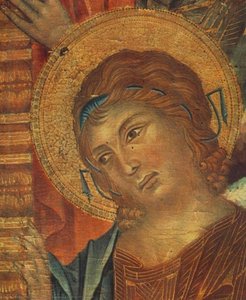
Madonny w Królewskim Wizerunku

- 48.0 x 39.0 cm


 Rozwiń treść
Giclée / Wydruk artystyczny
Wydruki giclée lub płótna o jakości muzealnej, szybka realizacja i szeroki wybór opcji wykończenia. ( Zamów ręcznie malowaną reprodukcję Przejdź do wersji cyfrowej)




P118B zł10

P118H zł10

P118W zł10

P438Z zł10

P508JH zł12

P508YH zł12

P805H zł10

P805Z zł10

P919BZ zł10

P919G zł10

P919XJ zł10

P959ZH zł10

P968JZ zł12

W106C zł8

W218G zł10

W218JH zł8

W218Y zł10

W307PJ zł10

W316G zł10

W316PJ zł8

W316Y zł10

W398PJ zł8

W4111J zł10

W500HY zł15

W500JH zł15

W692G zł12

W849H zł8

W940BG zł15

W953PJ zł8




Wybierz spośród naszych standardowych rozmiarów, które zachowują oryginalne proporcje dzieła sztuki.

Wpisz wymaganą szerokość i wysokość, aby dopasować grafikę do ramy lub ściany. Wydruk można jedynie przyciąć, nigdy nie powiększając go poza oryginalny obraz, dlatego format o innych proporcjach spowoduje utratę części kompozycji. Przed rozpoczęciem druku prześlemy Ci cyfrowy podgląd do zatwierdzenia. Obraz wyświetlany na tej stronie nie pokazuje rzeczywistego przycięcia — jedynie podgląd oddaje ten efekt.
Dostawa na cały świat () w ciągu 2 tygodni zamiast standardowych 4/5 tygodni. (9 Listopad)

Bezpłatna ekspresowa wysyłka na cały świat

Wysokiej jakości płótno lniane

Pełne ubezpieczenie przesyłki

Gwarancja zwrotu należności celnych i podatków importowych

Gwarancja wiernego odwzorowania kolorów

100-dniowa polityka zwrotów (tylko w przypadku wad)

Gwarancja 100% zwrotu pieniędzy

Zniżka przy zakupie wielu sztuk
 Opcja ze szkłem jest dostępna wyłącznie w rozmiarach poniżej 110 cm

Madonny w Królewskim Wizerunku
Giclée / Wydruk artystyczny
Wymiary reprodukcji
-


Cena całkowita
zł 317
Wizja Bożej Królowej: Szczegół z „Madonny w Królestwie” Cimabue
Fragment z monumentalnej „Madonny w Królestwie” (Maestà) Giovanniego Cimabue, namalowanej w 1285 roku, to więcej niż tylko obraz – to okno w serce transformacji artystycznej, która zapoczątkowała Renesans. Mierzący zaledwie 48 x 39 cm, ten panel, obecnie prezentujący się w Galerii degli Uffizi we Florencji, emanuje potęgą i znaczeniem historycznym, które daleko przekraczają jego niewielkie rozmiary. Cimabue, artysta o reputacji „byka-głowego”, zrewolucjonizował sposób przedstawiania świętych postaci, otwierając drogę dla przyszłych mistrzów. Ten szczegółowy fragment uchwycił serce dzieła – uwiecznienie Matki Boskiej na tronie, królowej niebios, otulonej w objęcia i z Dzieciątkiem Jezus w ramionach. Zauważmy, jak delikatne pociągnięcia pędzla Cimabue, jego subtelna próba nadania postaciom ludzkiego kształtu, odmieniając tradycję Italo-Byzantine, która do tej pory dominowała w sztuce kościelnej.
- Serce Dzieła: Szczegół skupia się na Matce Boskiej, emanującej spokojną godnością i narastającą ludzką naturą.
- Kontrast Kolorów: Czerwień tła podkreśla jasność figur, tworząc żywy i nastrojowy efekt.
- Przełomowe Techniki: Zauważmy subtelne zmiany w sposobie przedstawiania objętości – Cimabue zaczyna używać cieniowania, odchodząc od płaskich, stylizowanych obrazów charakterystycznych dla jego epoki.
Renesans w Początkach: Styl i Technika
Cimabue mistrzowsko wykorzystał temperę na panelu – technikę wymagającą niezwykłej precyzji i cierpliwości. Tempera, szybko schnąca, zmuszała artystów do pracy sprawnie i celowo, budując warstwy pigmentu, aby osiągnąć głębię i szczegółowość. Jego styl jest silnie zakorzeniony w tradycji Italo-Byzantine – charakteryzującej się złotymi tłem, wydłużonymi postaciami i formalną draperią. Jednak Cimabue subtelnie wprowadza elementy, które zapowiadają Renesans: większy nacisk na naturalne proporcje i bardziej emocjonalny charakter twarzy jego postaci. To nie tylko dekoracja; to próba oddania ludzkiego doświadczenia w świecie religijnym.
- Złote Tło: Tradycyjny element, symbolizujący boskość i bogactwo.
- Draperia: Formalna, ale z subtelnymi zmianami, wskazującymi na dążenie do bardziej realistycznego przedstawienia tkanin.
- Proporcje: Cimabue stopniowo odchodzi od idealizowanych proporcji, zbliżając się do naturalnych kształtów ludzkich.
Historia i Symbolika: Od Byzancjum do Renesansu
Utworzony w okresie intensywnych zmian kulturowych i artystycznych, ten obraz odzwierciedla zainteresowanie epoki humanistycznym. Cimabue, urodzony około 1240 roku we Florencji, był kluczową postacią w tym przełomie – łączącą tradycje bizantyńskie z nowymi innowacjami, które miały zdefiniować włoski Renesans. Jego praca to nie tylko obrazy religijne; to symboliczny krok ku nowej wizji świata. „Madonna w Królestwie” jest świadectwem tego momentu, gdzie sztuka zaczyna odchodzić od czysto dewocyjnego celu, stając się również wyrazem ludzkiej kreatywności i dążenia do piękna. W tym szczególe możemy dostrzec zapowiedź nowej ery w sztuce – ery, w której człowiek staje się centrum uwagi, a religijne symbole nabierają bardziej organicznego i emocjonalnego wymiaru.
Symbolizm i Wartość Artystyczna
Obraz Matki Boskiej na tronie jest bogaty w symbolikę. Tron reprezentuje władzę i królewskie pochodzenie, a Matka Boska jako Królowa Niebios symbolizuje opiekę i przewodnictwo. Dzieciątko Jezus, w swojej dłoni, błogosławi – to gest nadziei i obietnicy zbawienia. W tym fragmencie widzimy nie tylko piękno artystyczne, ale również głębokie przesłanie religijne. „Madonna w Królestwie” jest arcydziełem, które do dziś inspiruje i porusza serca wiernych na całym świecie. Reprodukcje tego obrazu, dostępne na OriginalUniqueArt.com, pozwalają docenić jego niezwykłą wartość artystyczną i historyczną.
Pytania i odpowiedzi
Czy kolory w „Madonny w Królewskim Wizerunku” – Cimabue są nasycone, czy stonowane?
Kolorystyka dzieła "Madonny w Królewskim Wizerunku" charakteryzuje się nasyceniem na poziomie Wyraźne nasycenie barw oraz intensywnością wynoszącą Żywy i nasycony.
Jakie emocje przekazuje „Madonny w Królewskim Wizerunku” – Cimabue?
„Madonny w Królewskim Wizerunku” – Cimabue emanuje Duchowy emocjonalnym nastrojem.
Czy dzieło "Madonny w Królewskim Wizerunku" jest w ogólnym rozrachunku jaśniejsze czy ciemniejsze?
Jasność dzieła „Madonny w Królewskim Wizerunku” – Cimabue wynosi umiarkowana jasność, przy luminancji na poziomie Miękki cień.
Biografia artysty
The Florentine Dawn: Cimabue and the Transition from Byzantium
Giovanni Cimabue, born Cenni di Pepo around 1240 in Florence, stands as a monumental figure—a bridge between the established artistic traditions of the Byzantine world and the burgeoning innovations that would define the Italian Renaissance. His life, though partially obscured by time and romanticized accounts – most notably those penned by Giorgio Vasari centuries later – marks an undeniable turning point in Western art history. Cimabue wasn’t simply a painter; he was a courageous innovator who dared to subtly challenge artistic conventions, laying the groundwork for the revolutionary changes that would soon sweep across Italy. Even his nickname, believed to mean “bull-headed,” hints at a strong will and perhaps a rebellious spirit—qualities demonstrably present in his willingness to experiment with form and expression. He represents a crucial moment where art began to shift from being solely devotional imagery towards something more humanistic and emotionally resonant.Early Influences and Artistic Development
Initially immersed in the Italo-Byzantine style prevalent throughout Florence, Cimabue’s early work adhered closely to established aesthetic principles: flattened figures adorned with shimmering gold leaf, symbolic rather than realistic depictions of space, and a profound focus on religious iconography. The influence of Byzantine mosaics was particularly strong—the use of tesserae to create vibrant, jewel-like surfaces, the stylized depiction of drapery, and the emphasis on hierarchical composition all reflected this heritage. However, even within these constraints, a nascent desire for naturalism began to emerge. He wasn’t content merely replicating existing forms; he sought to imbue his paintings with a greater sense of life and emotional depth. The early works of Cimabue show a careful study of Byzantine models – the rigid poses, the lack of perspective, and the almost ethereal quality of the figures are all hallmarks of this period. Yet, subtle changes began to appear—a slightly more rounded form to the faces, a hint of volume in the drapery, and an increased attention to detail. These were not radical departures, but rather cautious steps towards a new approach, a delicate balancing act between honoring the past and embracing new possibilities. The precise nature of his early training remains debated, though it’s likely he honed his skills within Florentine workshops, absorbing the techniques and influences of the time while simultaneously developing his own unique artistic voice.Masterpieces and Artistic Innovations
Cimabue's legacy is cemented through a series of breathtaking works that showcase his evolving style. The *Maestà* (Louvre), originally created for the Church of San Francesco in Pisa, stands as one of his most celebrated masterpieces. This monumental altarpiece exemplifies his mastery of composition and use of color, while simultaneously hinting at the shift away from rigid Byzantine conventions. The figures, though still possessing a degree of formality – particularly in their gestures and poses – exhibit a newfound sense of volume and presence. The *Crucifixion* (San Domenico, Arezzo), dating around 1270, is particularly significant as an early demonstration of his departure from strict Byzantine norms. Here, the proportions are more realistic, and the emotional weight of the scene is palpable—a stark contrast to the often-distant depictions found in earlier religious art. The *Flagellation of Christ* (Frick Collection), generally attributed to his workshop, further demonstrates this evolution. This complex composition reveals an evolving understanding of perspective and spatial relationships, showcasing a growing interest in creating more immersive and believable scenes. Cimabue’s contributions weren't limited to panel paintings; he also excelled as a mosaicist, contributing significantly to the decoration of the Baptistery of Florence—though these mosaics have unfortunately suffered from deterioration over time.A Pivotal Teacher: Giotto and Beyond
Perhaps Cimabue’s most enduring legacy lies in his role as the teacher of Giotto di Bondone. While historical accounts vary regarding the exact nature of their relationship, it is widely accepted that Giotto received crucial training under Cimabue's guidance. However, Giotto would ultimately surpass his master, revolutionizing Italian painting with an even more radical embrace of naturalism and emotional realism. The story, often recounted by Vasari, of Giotto playfully painting a fly on Cimabue’s face speaks volumes about the dynamic between master and pupil—a playful rivalry that ultimately pushed both artists to greater heights. Cimabue's influence extended beyond Giotto, impacting numerous other artists of the period. He challenged the artistic norms of his time, demonstrating that art could be more than just religious symbolism; it could also reflect human emotion and experience. His willingness to experiment with form, proportion, and expression paved the way for the innovations of the Renaissance, establishing him as a crucial transitional figure in the history of Western art.Enduring Significance
Cimabue passed away in 1302 in Pisa, leaving behind a body of work that continues to captivate and inspire. Despite his significant contributions, details surrounding his later life remain scarce. However, his artistic legacy resonates powerfully through the works of his students and the evolution of Italian art. He represents a crucial step in the development of Western painting, moving away from the stylized conventions of the Byzantine era towards a more humanistic and naturalistic approach. His paintings are not merely historical artifacts; they are windows into a pivotal moment in artistic history—a time when artists began to question established norms and explore new possibilities. He was a pioneer, a visionary who dared to challenge the status quo and lay the foundations for the artistic brilliance that would define the Renaissance. Cimabue’s work reminds us that even within tradition, there is always room for innovation, and that true artistry lies in the courage to push boundaries and explore new horizons.
Cimabue
1240 - 1302 , Włochy
Krótka nota
- Artistic Movement Or Style: Bizantyński i Renesansowy
- Artists Or Movements Influenced By This Artist:
- Giotto
- Duccio
- Artists Who Influenced This Artist:
- Giunta Pisano
- Coppo di Marcovaldo
- Date Of Birth: c. 1240
- Date Of Death: 1302
- Full Name: Giovanni Cimabue
- Nationality: Włoski
- Notable Artworks:
- Maestà
- Ukrzyżowanie
- Ostatnia Wieczerza
- Place Of Birth: Florencja, Italia
Powiązane artykuły

25 Arcydzieł Galerii Uffizi: Podróż przez Renesansowy Genialny Świat | OriginalUniqueArt.com
Odkryj 25 arcydzieł Galerii Uffizi we Florencji! Poznaj historie Leonarda da Vinci, Botticellego i Rafaela. Reprodukcje obrazów najwyższej jakości dla Twojego wnętrza – inspiracje i dekoracje na OriginalUniqueArt.com.
Proto-Renensans: 10 Arcydzieł, Które Zdefiniowały Sztukę – OriginalUniqueArt.com
Odkryj 10 arcydzieł proto-renesansu! Poznaj historię Giotta, Cimabue i innych mistrzów. OriginalUniqueArt.com oferuje reprodukcje obrazów najwyższej jakości – idealne do Twojego wnętrza. Eksploruj pełną kolekcję online!

Raphael: 25 Arcydzieł Mistrza Renesansu - Obrazy i Dekoracje OriginalUniqueArt.com
Odkryj 25 arcydzieł Raphaela – od Madonn po freski Watykanu. Poznaj historię, technikę i piękno renesansowego malarstwa. Reprodukcje obrazów najwyższej jakości na OriginalUniqueArt.com. Eksploruj kolekcję online!
Divine Love: A Curated Guide to the Most Iconic Madonna and Child Masterpieces in Art History
Embark on a sophisticated journey through art history with our curated guide to the most iconic Madonna and Child masterpieces. Discover the profound beauty, theological depth, and enduring legacy of these sacred Renaissance treasures.
Mario Sironi: A Poetic of Modern Italian Identity Through Symbolism & Social Commentary
Explore the profound works of Mario Sironi, a key figure in Italian Modernism. Discover his evolution from Futurism to Metaphysical painting and his powerful social commentary. Learn about his legacy at OriginalUniqueArt.


