Menu
Text size

() ·

A painting made for you, by hand

Zachód Słońca z Barmouth

Ręcznie malowana reprodukcja olejowa

Ręcznie malowany obraz olejny na płótnie, wykonany na zamówienie przez naszych artystów w wybranym przez Ciebie wymiarze i oprawie. ( Przełącz na wydania drukowane Przejdź do wersji cyfrowej)

Opis obiektu

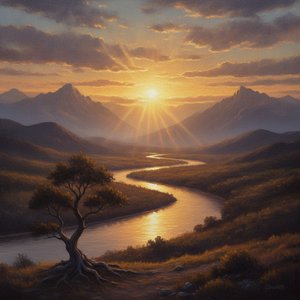
Zachwycające obrazisko Christophera Williamsa przedstawiające zachód słońca nad Barmouth. Olejowy krajobraz z 1913 roku, zainspirowany twórczością Fryderyka Leighton'a i pełen ciepłych kolorów oraz refleksji wody – doskonała dekoracja dla miłośników sztuki.

Biografia artysty

"PolishMetaDescription": "Christopher Williams (1873-1934) – wybitny artysta malarz z Walii, znany z portretów, scen historycznych i krajobrazów inspirowanych mitologią celtycką. Jego prace odzwierciedlają ducha Walii i są ważnym elementem historii sztuki kraju."

from ·

Chapter 1

How large should it be?

Slide to change the size; the picture on the left shows the frame at its real width. The proportions of the original are kept.

Standardowy format
personalizowane
CM
INCH

Wybierz spośród naszych standardowych rozmiarów, które zachowują oryginalne proporcje dzieła sztuki.

szerokość
wysokość

Wpisz wymaganą szerokość i wysokość, aby obraz pasował do Twojej ramy lub ściany. Ponieważ jest to dzieło malowane ręcznie, w przypadku rozmiaru o innych proporcjach artysta może domalować nieco więcej wokół obrazu lub przyciąć jego fragmenty — wybór należy do Ciebie. Przed rozpoczęciem pracy prześlemy Ci cyfrową wizualizację do zatwierdzenia. Obraz widoczny na tej stronie nie przedstawia rzeczywistego efektu — jedynie wizualizacja oddaje realny rezultat.

Chapter 2

How should it arrive?

Choose the edges of the stretched canvas

Choose your frame

Corner sample of the WhiteWrap canvas edge finish, stretched on lite drewno bars
White zł1
Corner sample of the BlurSideWrap canvas edge finish, stretched on lite drewno bars
Blurside zł1
Corner sample of the ExtendedWrap canvas edge finish, stretched on lite drewno bars
Extended zł1
Corner sample of the P118B picture frame: polistyren formowany, 5 cm wide and 3 cm thick
P118B zł10
Corner sample of the P118H picture frame: polistyren formowany, 5 cm wide and 3 cm thick
P118H zł10
Corner sample of the P118W picture frame: polistyren formowany, 5 cm wide and 3 cm thick
P118W zł10
Corner sample of the P438Z picture frame: polistyren formowany, 5.5 cm wide and 3.5 cm thick
P438Z zł10
Corner sample of the P508JH picture frame: polistyren formowany, 7 cm wide and 3.5 cm thick
P508JH zł12
Corner sample of the P508YH picture frame: polistyren formowany, 7 cm wide and 3.5 cm thick
P508YH zł12
Corner sample of the P805H picture frame: polistyren formowany, 5 cm wide and 3.5 cm thick
P805H zł10
Corner sample of the P805Z picture frame: polistyren formowany, 5 cm wide and 3.5 cm thick
P805Z zł10
Corner sample of the P919BZ picture frame: polistyren formowany, 7 cm wide and 3.5 cm thick
P919BZ zł10
Corner sample of the P919G picture frame: polistyren formowany, 7 cm wide and 3.5 cm thick
P919G zł10
Corner sample of the P919XJ picture frame: polistyren formowany, 7 cm wide and 3.5 cm thick
P919XJ zł10
Corner sample of the P959ZH picture frame: polistyren formowany, 5 cm wide and 3 cm thick
P959ZH zł10
Corner sample of the P968JZ picture frame: polistyren formowany, 6 cm wide and 4 cm thick
P968JZ zł12
Corner sample of the W106C picture frame: lite drewno, 5 cm wide and 3 cm thick
W106C zł8
Corner sample of the W218G picture frame: lite drewno, 5 cm wide and 3 cm thick
W218G zł10
Corner sample of the W218JH picture frame: lite drewno, 5 cm wide and 3 cm thick
W218JH zł8
Corner sample of the W218Y picture frame: lite drewno, 5 cm wide and 3 cm thick
W218Y zł10
Corner sample of the W307PJ picture frame: lite drewno, 6 cm wide and 3 cm thick
W307PJ zł10
Corner sample of the W316G picture frame: lite drewno, 6 cm wide and 3 cm thick
W316G zł10
Corner sample of the W316PJ picture frame: lite drewno, 6 cm wide and 3 cm thick
W316PJ zł8
Corner sample of the W316Y picture frame: lite drewno, 6 cm wide and 3 cm thick
W316Y zł10
Corner sample of the W398PJ picture frame: lite drewno, 5 cm wide and 3 cm thick
W398PJ zł8
Corner sample of the W4111J picture frame: lite drewno, 6.5 cm wide and 3.5 cm thick
W4111J zł10
Corner sample of the W500HY picture frame: lite drewno, 7 cm wide and 5 cm thick
W500HY zł15
Corner sample of the W500JH picture frame: lite drewno, 7 cm wide and 5 cm thick
W500JH zł15
Corner sample of the W692G picture frame: lite drewno, 8 cm wide and 4 cm thick
W692G zł12
Corner sample of the W849H picture frame: lite drewno, 5 cm wide and 3 cm thick
W849H zł8
Corner sample of the W940BG picture frame: lite drewno, 7.5 cm wide and 4.5 cm thick
W940BG zł15
Corner sample of the W953PJ picture frame: lite drewno, 6 cm wide and 3.5 cm thick
W953PJ zł8
Corner sample of the H24-GOLD picture frame: rzeźbione drewno pokryte gipsem, 10 cm wide and 6 cm thick
H24-GOLD zł30
Corner sample of the H24-SILVER picture frame: rzeźbione drewno pokryte gipsem, 10 cm wide and 6 cm thick
H24-SILVER zł30
Corner sample of the H36-GOLD picture frame: rzeźbione drewno pokryte gipsem, 15 cm wide and 6.5 cm thick
H36-GOLD zł45
Corner sample of the H36-SILVER picture frame: rzeźbione drewno pokryte gipsem, 15 cm wide and 6.5 cm thick
H36-SILVER zł45

Moulding: . Overall size with the frame: .

Chapter 3

Who paints it, and should anything change?

Examples of what can be changed: Replace face with customer photo; Add pet (e.g., replace cat with dog); Include hidden message in background; Change background landscape or elements.
After order, OriginalUniqueArt.com team will email client for instructions and provide a mockup preview

Dostawa na całym świecie () w ciągu 3–4 tygodni zamiast standardowych 5 tygodni. (30 Październik). Bez kompromisów w kwestii jakości.

Chapter 4

The finishing touches

A nameplate, as in a museum?

Szczegóły grawerowanej brązowej tabliczki

This elegant plaque features the artist's name and the title of the artwork, finely engraved for a timeless presentation.

It is made from bronze with a refined, elegant finish. The text is precisely laser-engraved for a sharp and permanent result. Measuring 9x2 cm, the plaque is compact yet easy to read. It's built to be durable and scratch-resistant, offering a professional, museum-quality look. Mounting is simple thanks to the included adhesive backing.

Szczegóły przezroczystej tabliczki akrylowej

The plaque includes essential engraved details such as the artist's name, the title of the artwork, the date it was created, the type of media used-like oil on canvas or watercolor-a brief description of the piece, and a QR code that links to the complete artwork information.

It is crafted from clear acrylic, offering a sleek, modern appearance. The text is UV-engraved in black to ensure strong visual contrast. With a size of 10x15 cm, it ensures optimal readability. It comes equipped with two metal hooks for secure wall mounting. The plaque is designed to be weather-resistant, making it suitable for various environments, and it includes interactive features that work seamlessly with smartphone scanning.

Szczegóły czarnej tabliczki akrylowej

This elegant plaque includes engraved information such as the artist's name, the title of the artwork, the date it was created, the type of media used (like oil on canvas or watercolor), a short description of the artwork, and a QR code for quick access to more information.

The plaque itself is made from refined black acrylic with a premium finish. The text is laser-engraved in white for high contrast and readability. Its size is 10x15 cm, designed to be easy to read. It comes with two metal hooks for professional mounting. The design is sleek and fits any interior style. It is also weather-resistant and durable, with built-in digital integration for mobile compatibility.

A protective varnish?

When do you need it?

Chapter 5

Your painting, as you ordered it

Zachód Słońca z Barmouth

Technika reprodukcji

Wymiary reprodukcji

-

Wybitny mistrz artystyczny

Większa szczegółowość, finezja i dodatkowy czas na realizację

-

Opcje oprawy reprodukcji

-

-

W przypadku dzieł sztuki lub reprodukcji, których którykolwiek z boków przekracza 105 cm (około 41 cali), rama zostanie wysłana w formie zestawu do samodzielnego montażu. Metoda ta zapewnia bezpieczną dostawę i zapobiega uszkodzeniom podczas transportu.

Wymagany profesjonalny montaż – nie jest to produkt typu DIY.
Zestaw musi zostać złożony, a płótno naciągnięte przez doświadczonego profesjonalnego ramiarza, przy użyciu kleju do drewna (brak w zestawie), kleszczy do naciągania płótna oraz ścisków, które utrzymają krosna w równej pozycji podczas schnięcia kleju. Nieprawidłowy montaż lub nierównomierne napięcie płótna może trwale uszkodzić dzieło sztuki i nie podlega naszej gwarancji.

  • W zestawie znajdują się wszystkie listwy z litego drewna, precyzyjnie docięte do wymiarów.

  • Montaż odbywa się przy użyciu dołączonych wkrętów oraz kleju do drewna do łączenia narożników, którego zestaw nie zawiera i który musi zostać dostarczony przez ramiarza.

  • Wymagane są profesjonalne narzędzia, których nie ma w zestawie: kleszcze do naciągania płótna (napinacz) oraz zaciski, które pozwolą utrzymać listwy w równej pozycji podczas schnięcia kleju.

Ważne:
Do połączenia narożników niezbędny jest klej do drewna, listwy należy unieruchomić za pomocą ścisków do momentu całkowitego wyschnięcia kleju, a naciągnięcie płótna na złożoną ramę wymaga użycia kleszczy do naciągania płótna. Żaden z tych elementów nie jest dołączony do zestawu. Przed zamówieniem tego rozmiaru zalecamy konsultację z doświadczonym ramiarzem.

Etykieta obiektu

-

-

Lakier ochronny

Lakier z połyskiem (pogłębia kolory, chroni przed światłem i wilgocią)

-

Personalizacja dzieła

Przykłady możliwości personalizacji: zastąp twarz zdjęciem klienta; dodaj zwierzę domowe (np. zamień kota na psa); umieść ukrytą wiadomość w tle; zmień krajobraz lub elementy tła.

-

Ekspresowa

Dostawa na cały świat () w ciągu 3–4 tygodni zamiast standardowych 5 tygodni. (30 Październik). Bez kompromisów w kwestii jakości.

-

Przesyłka ekspresowa

Dostawa na cały świat () w ciągu 5 tygodni. (6 Listopad).

W cenie

Cena całkowita

zł 1155

Suma całkowita zł 1155

Opcja ze szkłem jest dostępna wyłącznie w rozmiarach poniżej 110 cm

Included with every order

  • Bezpłatna ekspresowa wysyłka na cały świat
  • Wysokiej jakości płótno lniane
  • Pełne ubezpieczenie przesyłki
  • Gwarancja zwrotu należności celnych i podatków importowych
  • Gwarancja wiernego odwzorowania kolorów
  • 100-dniowa polityka zwrotów (tylko w przypadku wad)
  • Gwarancja 100% zwrotu pieniędzy
  • Zniżka przy zakupie wielu sztuk

Zachód Słońca nad Barmouth

“Sunset from Barmouth” przedstawia obraz olejny stworzony przez Christophera Williamsa w roku 1913, który znajduje się obecnie w Bibliotece Narodowej Walii (Aberystwyth). Ten niezwykły krajobraz zachodniowy został uchwycony z maestrzowską dokładnością i stanowi doskonałe przykładowe dzieło sztuki okresu Viktoryjskiego i Początku XX wieku.

Styl i Technika Obraz wpisuje się w nurt impresjonizmu, choć Williams wykorzystał elementy stylu akademickiego, co jest widoczne szczególnie w szczegółowym odwzorowaniu górnego krajobrazu. Olej na płótnie pozwalał artystom osiągnąć głębokie kolory i efektowne refleksy światła – technikę charakterystyczną dla najlepszych twórców tamtej epoki.

Historia i Kontekst Kulturowy Rok 1913 był okresem intensywnego zainteresowania sztuką Celtów i Narodowym Odrodzeniem Walijskim. Christopher Williams, zainspirowany wizytą w Galerii Sztuki Walkera w Liverpoolie oraz dziełami Fredericka Lejttona, wiernie oddawał ducha swojej epoki i wyrażał silną więź z lokalną kulturą i tradycją. Jego prace często miały charakter alegoryczny i stanowiły istotną część ruchu artystycznego.

Symbolizm Kolorów Dominujące ciepłe barwy obrazu – pomarańczowy, czerwony i żółty – odzwierciedlają energię zachodu słońca i jego przemijające piękno. Purpurowe tony nieba dodają głębi kompozycji oraz podkreślają atmosferę spokoju i refleksji. Szczegółowe odwzorowanie górnego krajobrazu służy ukazaniu majestatu natury i kontrastuje z delikatną powierzchnią wody.

Emocjonalny Impresjon Obraz “Sunset from Barmouth” wywołuje uczucie zadumy nad pięknem przyrody oraz nostalgiczny wspomnienie przeszłości. Jego spokojna kompozycja i umiejętne wykorzystanie światła i cienia pozwalają odbiorcy zanurzyć się w atmosferze zachodu słońca i poczuć jego głębokie emocjonalne piękno. Jest to dzieło sztuki, które pozostaje aktualne także dziś, inspirując twórców i kolekcjonerów na całym świecie.

Pytania i odpowiedzi

Pod jakimi innymi nazwiskami znany jest Christopher Williams?

Inne znane nazwiska Christopher Williams, twórcy "Zachód Słońca z Barmouth", to Christopher David Williams, Christofer Williams.

Jaki nastrój oddaje „Zachód Słońca z Barmouth” – Christopher Williams w ramach nurtu Celtic Revival?

W nurcie Celtic Revival dzieło „Zachód Słońca z Barmouth” zostało ujęte w Sielankowy tonie.

Kto jest autorem i jaki styl reprezentuje "Zachód Słońca z Barmouth"?

"Zachód Słońca z Barmouth" powstało autorstwa Christopher Williams w stylu Celtic Revival. Artysta oraz nurt definiują tradycję tego dzieła.

More about this painting

Podgląd w skali 1:1 Podgląd AR Przełącz na wydania drukowane Przejdź do wersji cyfrowej Wyślij jako kartkę
Szczegóły dzieła Przewodnik Dodaj do ulubionych Pobierz obraz Podobne obiekty RTG Pokaz slajdów Q&A Statystyki

In numbers

  • 1913the year it was painted
  • 29frames to choose from
  • standard sizes, in its own proportions
  • 5weeks to paint and deliver it
Christopher Williams

Christopher Williams

1873 - 1934, Walia

Quick facts about Christopher Williams

  • Artistic Movement Or Style: Celtic Revival, malarstwo wiktoriańskie
  • Artists Or Movements Influenced By This Artist: ['Mabinogion']
  • Artists Who Influenced This Artist: ['Frederick Leighton']
  • Date Of Birth: 7 stycznia 1873
  • Date Of Death: 19 lipca 1934
  • Full Name: Christopher David Williams
  • Nationality: Walijczyk
  • Notable Artworks:
    • Paolo i Francesca
    • Portret ojca
  • Place Of Birth: Maesygwrath, Walia

Biografia artysty

Christopher Williams: A Welsh Visionary of the Celtic Revival

Christopher David Williams (1873-1934) stands as a pivotal figure in Welsh art, a painter whose evocative works captured not only the beauty of his homeland but also its rich cultural heritage and the spirit of the burgeoning Celtic Revival. Born in Maesygwrath, a small village nestled in the heart of Glamorgan, Williams’s artistic journey was far from predetermined; initially destined for a career in medicine by his father, Evan Williams, a transformative encounter with the Walker Art Gallery in Liverpool ignited within him an unshakeable passion for painting – a path he resolutely pursued.

Early Training and Artistic Foundations

Williams’s formal artistic education began at the Neath Technical Institute in 1892-1893, providing him with a foundational understanding of technique. However, his ambition quickly propelled him towards more prestigious institutions. He subsequently enrolled at the Royal College of Art in London for three years, followed by further refinement at the Royal Academy Schools from 1896 to 1901. These formative years exposed him to the rigorous standards and diverse influences prevalent within the British art establishment. Crucially, his time at the Royal Academy was profoundly shaped by the work of Frederick Leighton, whose meticulously detailed historical paintings instilled in Williams a deep appreciation for academic technique and a commitment to capturing beauty with precision and grace. Leighton’s *Perseus and Andromeda*, witnessed during a visit to Liverpool, served as a catalyst, revealing an entirely new world of artistic possibility.

Key Influences and Artistic Style

Beyond Leighton, Williams drew inspiration from the Pre-Raphaelite movement, with its emphasis on romanticism, symbolism, and vibrant color. He also embraced the broader currents of the Celtic Revival, a cultural and artistic movement that sought to revive interest in Welsh mythology, folklore, and language. This influence is particularly evident in his landscapes, which often depict dramatic mountain ranges, ancient forests, and evocative coastal scenes – imbued with a sense of timelessness and spiritual resonance. His portraits, too, reflect this sensibility, capturing not just the likenesses of his subjects but also their inner lives and personalities. Williams’s palette was rich and luminous, employing bold contrasts and subtle gradations to create depth and atmosphere. He skillfully blended realism with expressive brushwork, resulting in paintings that are both technically accomplished and emotionally engaging.

Major Achievements and Royal Recognition

Williams's artistic career gained significant momentum through his inclusion in the prestigious Royal Academy exhibitions, beginning in 1902. His *Paolo and Francesca*, a poignant depiction of tragic love, garnered considerable attention, followed by a portrait of his father in 1903. He continued to exhibit at the Royal Academy for eighteen years, showcasing a diverse range of subjects – portraits of prominent figures, historical scenes, and evocative landscapes. A particularly momentous occasion arrived in 1911 when King George V commissioned Williams to create a commemorative painting of the investiture of Edward, Prince of Wales at Caernarfon Castle. This monumental work, reflecting both royal grandeur and Welsh identity, cemented his reputation as one of the leading artists of his time. Furthermore, he was elected into the Royal Society of British Artists in 1910, solidifying his position within the established art world.

Themes, Legacy, and Enduring Significance

Williams’s artistic output spanned a wide range of subjects, but several recurring themes emerge. He frequently depicted Welsh landscapes – capturing their rugged beauty and spiritual significance. He also explored themes from Welsh mythology and folklore, notably in works such as *Ceridwen*, a powerful depiction of the Welsh goddess of inspiration, and *Branwen*, a haunting portrayal of the tragic heroine of the Mabinogion. His portraits are distinguished by their psychological depth and ability to convey the character and personality of his subjects. Christopher Williams’s legacy extends beyond his individual works; he played a vital role in promoting Welsh art and culture during his lifetime, serving as an adjudicator at the National Eisteddfod and contributing to the National Museum of Wales and the Honourable Society of Cymmrodorion. His paintings remain treasured examples of Welsh artistic heritage, offering a window into the beauty, history, and spirit of his nation.

Najważniejsze informacje

  • Influences: Frederick Leighton
  • Location: Biblioteka Narodowa Cymru / The National Library of Wales
  • Dimensions: 28 x 38 cm
  • Year: 1913
  • Notable elements or techniques: Refleksja wody, Kontrast światła i cienia
  • Movement: Celtic Revival

Quiz o sztuce

Do każdego pytania dotyczy tylko jedna poprawna odpowiedź.

Pytanie 1:
Jak nazywa się obraz?
Pytanie 2:
Jaki jest medium użyte przez artystę?
Pytanie 3:
Gdzie przechowywany jest obraz?
Pytanie 4:
Co wyróżnia się kolorystycznie obrazu?
Pytanie 5:
Jaką rolę odgrywają góry na obrazie?