

 Zobacz w skali 1:1
 Wyślij
 Udostępnij
 Szczegóły
 Przewodnik

 Pobierz plik obrazu
 Podobne obiekty
 RTG
RTG Pokaz slajdów
 Statystyki
Rachel
 Oil On Board
- Contemporary Realism
 2020
2020- Contemporary
 40.0 x 30.0 cm
 Paintings in Hospitals
 Czytaj więcej
Giclée / Wydruk artystyczny
Wydruki giclée lub płótna o jakości muzealnej, szybka realizacja i szeroki wybór opcji wykończenia. ( Kup ręcznie malowany obraz Przełącz na wersję cyfrową)




P118B zł10

P118H zł10

P118W zł10

P438Z zł10

P508JH zł12

P508YH zł12

P805H zł10

P805Z zł10

P919BZ zł10

P919G zł10

P919XJ zł10

P959ZH zł10

P968JZ zł12

W106C zł8

W218G zł10

W218JH zł8

W218Y zł10

W307PJ zł10

W316G zł10

W316PJ zł8

W316Y zł10

W398PJ zł8

W4111J zł10

W500HY zł15

W500JH zł15

W692G zł12

W849H zł8

W940BG zł15

W953PJ zł8




Wybierz spośród naszych standardowych rozmiarów, które zachowują oryginalne proporcje dzieła sztuki.

Wpisz wymaganą szerokość i wysokość, aby dopasować grafikę do ramy lub ściany. Wydruk można jedynie przyciąć, nigdy nie powiększając go poza oryginalny obraz, dlatego format o innym proporcji spowoduje utratę części kompozycji. Przed rozpoczęciem druku prześlemy Ci cyfrowy podgląd do zatwierdzenia. Obraz wyświetlany na tej stronie nie pokazuje rzeczywistego przycięcia — jedynie podgląd oddaje ten efekt.
Dostawa na cały świat () w ciągu 2 tygodni zamiast standardowych 4/5 tygodni. (21 Październik)

Bezpłatna ekspresowa wysyłka na cały świat

Wysokiej jakości płótno lniane

Pełne ubezpieczenie transportowe

Gwarancja zwrotu należności celnych i podatków importowych

Gwarancja idealnego odwzorowania barw

100-dniowy okres na zwrot dzieła w przypadku wykrycia wad produkcyjnych

Gwarancja 100% zwrotu pieniędzy

Oferta przy zakupie wielu sztuk
 Opcja ze szkłem jest dostępna wyłącznie w rozmiarach poniżej 110 cm

Rachel
Giclée / Wydruk artystyczny
Rozmiar reprodukcji
-


Suma do zapłaty
zł 304
A Contemporary Echo in Classical Form
Christopher Williams’s “Rachel,” painted in 2020, presents a fascinating dialogue between enduring portraiture traditions and the abrupt realities of modern life. The oil on board captures a moment of quiet resilience. At first glance, the subject—a woman meeting the viewer's gaze with an unmistakable smile—suggests intimacy and connection. Yet, this personal warmth is framed by the contemporary necessity of the face mask, transforming what might have been a purely classical portrait into a poignant commentary on our shared recent history. The technique itself speaks to Williams’s mastery; the oil paint allows for rich tonal variations, giving depth to the skin tones while maintaining a palpable sense of immediacy.
The Allure of the Gaze and Technique
Williams has always been celebrated for his evocative portraits, often imbued with a strong sense of character. Here, that skill is evident in the rendering of Rachel’s expression. Despite the barrier of the mask, her eyes engage directly, inviting the observer into a shared moment. The handling of light across her features suggests careful observation—a hallmark of fine portraiture. While Williams's earlier career was steeped in the aesthetics of the late Victorian and early 20th centuries, this piece updates that formal skill for a new century. The composition is deceptively simple: the subject, her neatly pulled-back ponytail framing the visible parts of her face, and the direct address to the viewer. It is a study in controlled emotion.
Symbolism of the Masked Self
The inclusion of the protective face shield elevates this painting beyond mere likeness; it imbues it with potent symbolism. The mask acts as both an object of necessity and a visual metaphor. It speaks to themes of vulnerability, public health, and the way modern circumstances force us to mediate our most natural expressions. Yet, Rachel’s smile persists beneath it. This juxtaposition—the required concealment against the undeniable spirit shining through—lends the piece a profound emotional resonance. It suggests that even when shielded or altered by external forces, the core self remains vibrant and capable of joy.
Bringing Modern Narrative Home
For collectors and interior designers seeking art with narrative weight, “Rachel” offers an unparalleled opportunity. Its dimensions, 40 x 30 cm, make it a perfect focal point for a mantelpiece, a gallery wall grouping, or a sophisticated console table display. It possesses the timeless quality of classical portraiture while speaking directly to the anxieties and small triumphs of our current era. Owning this reproduction is not just acquiring a painting; it is curating a conversation piece—a beautiful meditation on endurance, connection, and the enduring power of the human spirit.
Pytania i odpowiedzi
Czy prawa autorskie do „Rachel” autorstwa Christopher Williams pozwalają na tworzenie reprodukcji?
Status praw autorskich do dzieła „Rachel” autorstwa Christopher Williams jest jasny: utwór znajduje się w stanowi domenę publiczną – autorskie prawa majątkowe wygasły. Jego obecność w Paintings in Hospitals nie zmienia tego stanu rzeczy.
Kiedy powstało dzieło "Rachel" i do jakiego nurtu należy?
Dzieło "Rachel" powstało w 2020 roku, w ramach nurtu Contemporary Realism.
W jaki sposób technika i ruch łączą się w "Rachel"?
„Rachel” autorstwa Christopher Williams łączy technikę Oil On Board ze stylem Contemporary Realism. Technika i nurt opisują sposób wykonania oraz styl dzieła.
Biografia artysty
Christopher Williams: A Welsh Visionary of the Celtic Revival
Christopher David Williams (1873-1934) stands as a pivotal figure in Welsh art, a painter whose evocative works captured not only the beauty of his homeland but also its rich cultural heritage and the spirit of the burgeoning Celtic Revival. Born in Maesygwrath, a small village nestled in the heart of Glamorgan, Williams’s artistic journey was far from predetermined; initially destined for a career in medicine by his father, Evan Williams, a transformative encounter with the Walker Art Gallery in Liverpool ignited within him an unshakeable passion for painting – a path he resolutely pursued.
Early Training and Artistic Foundations
Williams’s formal artistic education began at the Neath Technical Institute in 1892-1893, providing him with a foundational understanding of technique. However, his ambition quickly propelled him towards more prestigious institutions. He subsequently enrolled at the Royal College of Art in London for three years, followed by further refinement at the Royal Academy Schools from 1896 to 1901. These formative years exposed him to the rigorous standards and diverse influences prevalent within the British art establishment. Crucially, his time at the Royal Academy was profoundly shaped by the work of Frederick Leighton, whose meticulously detailed historical paintings instilled in Williams a deep appreciation for academic technique and a commitment to capturing beauty with precision and grace. Leighton’s *Perseus and Andromeda*, witnessed during a visit to Liverpool, served as a catalyst, revealing an entirely new world of artistic possibility.
Key Influences and Artistic Style
Beyond Leighton, Williams drew inspiration from the Pre-Raphaelite movement, with its emphasis on romanticism, symbolism, and vibrant color. He also embraced the broader currents of the Celtic Revival, a cultural and artistic movement that sought to revive interest in Welsh mythology, folklore, and language. This influence is particularly evident in his landscapes, which often depict dramatic mountain ranges, ancient forests, and evocative coastal scenes – imbued with a sense of timelessness and spiritual resonance. His portraits, too, reflect this sensibility, capturing not just the likenesses of his subjects but also their inner lives and personalities. Williams’s palette was rich and luminous, employing bold contrasts and subtle gradations to create depth and atmosphere. He skillfully blended realism with expressive brushwork, resulting in paintings that are both technically accomplished and emotionally engaging.
Major Achievements and Royal Recognition
Williams's artistic career gained significant momentum through his inclusion in the prestigious Royal Academy exhibitions, beginning in 1902. His *Paolo and Francesca*, a poignant depiction of tragic love, garnered considerable attention, followed by a portrait of his father in 1903. He continued to exhibit at the Royal Academy for eighteen years, showcasing a diverse range of subjects – portraits of prominent figures, historical scenes, and evocative landscapes. A particularly momentous occasion arrived in 1911 when King George V commissioned Williams to create a commemorative painting of the investiture of Edward, Prince of Wales at Caernarfon Castle. This monumental work, reflecting both royal grandeur and Welsh identity, cemented his reputation as one of the leading artists of his time. Furthermore, he was elected into the Royal Society of British Artists in 1910, solidifying his position within the established art world.
Themes, Legacy, and Enduring Significance
Williams’s artistic output spanned a wide range of subjects, but several recurring themes emerge. He frequently depicted Welsh landscapes – capturing their rugged beauty and spiritual significance. He also explored themes from Welsh mythology and folklore, notably in works such as *Ceridwen*, a powerful depiction of the Welsh goddess of inspiration, and *Branwen*, a haunting portrayal of the tragic heroine of the Mabinogion. His portraits are distinguished by their psychological depth and ability to convey the character and personality of his subjects. Christopher Williams’s legacy extends beyond his individual works; he played a vital role in promoting Welsh art and culture during his lifetime, serving as an adjudicator at the National Eisteddfod and contributing to the National Museum of Wales and the Honourable Society of Cymmrodorion. His paintings remain treasured examples of Welsh artistic heritage, offering a window into the beauty, history, and spirit of his nation.

Christopher Williams
1873 - 1934 , Walia
Najważniejsze informacje
- Artistic Movement Or Style: Celtic Revival, malarstwo wiktoriańskie
- Artists Or Movements Influenced By This Artist: ['Mabinogion']
- Artists Who Influenced This Artist: ['Frederick Leighton']
- Date Of Birth: 7 stycznia 1873
- Date Of Death: 19 lipca 1934
- Full Name: Christopher David Williams
- Nationality: Walijczyk
- Notable Artworks:
- Paolo i Francesca
- Portret ojca
- Place Of Birth: Maesygwrath, Walia
Zobacz także powiązane artykuły

Trwała Spuścizna Malarstwa Olejnego: Technika, Historia i Estetyczny Wpływ
Poznaj historię i technikę malarstwa olejnego! Eksperckie artykuły o konserwacji, renowacji oraz współczesnych zastosowaniach. Dowiedz się więcej o mistrzach i trwałości obrazów olejnych.
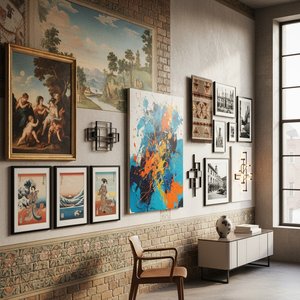
Ściany jako nośniki historii i ekspresji: Ewolucja dekoracji ściennych od starożytności do współczesności
Odkryj fascynującą historię dekoracji ścian od starożytności do współczesności! Poznaj inspiracje, style i techniki zdobienia wnętrz. Ekspercka analiza i najwyższej jakości reprodukcje na OriginalUniqueArt.
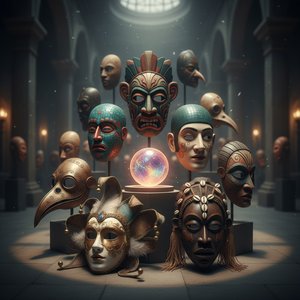
Unveiling the Mystery: A Journey Through the World's Most Iconic Mask Artworks
Embark on a profound journey through the world's most iconic mask artworks. Explore the spiritual depth, intricate craftsmanship, and rich cultural heritage of global traditions, from Chhau to Gomira, in this expert-led exploration of ancestral artistry and symbolic beauty.

Olej na płótnie: Historia, techniki i ponadczasowy urok malarskiego medium
Poznaj historię i techniki malarstwa olejowego! Od renesansowych mistrzów po współczesne zastosowania – wszystko o oleju na płótnie. Poradniki, konserwacja i inspiracje dla pasjonatów sztuki.

Powrót fresku: Dlaczego malowidła ścienne są nowym symbolem luksusu
Odkryj świat luksusowych malowideł ściennych i fresków! Ekspercka analiza technik, inspiracje dla hoteli i wnętrz. Poznaj historię i przyszłość sztuki na ścianach z .


