
 Podgląd w skali
 Wyślij jako kartkę
 Udostępnij
 Szczegóły dzieła

 Pobierz
 Podobne obiekty
 RTG
RTG Pokaz slajdów
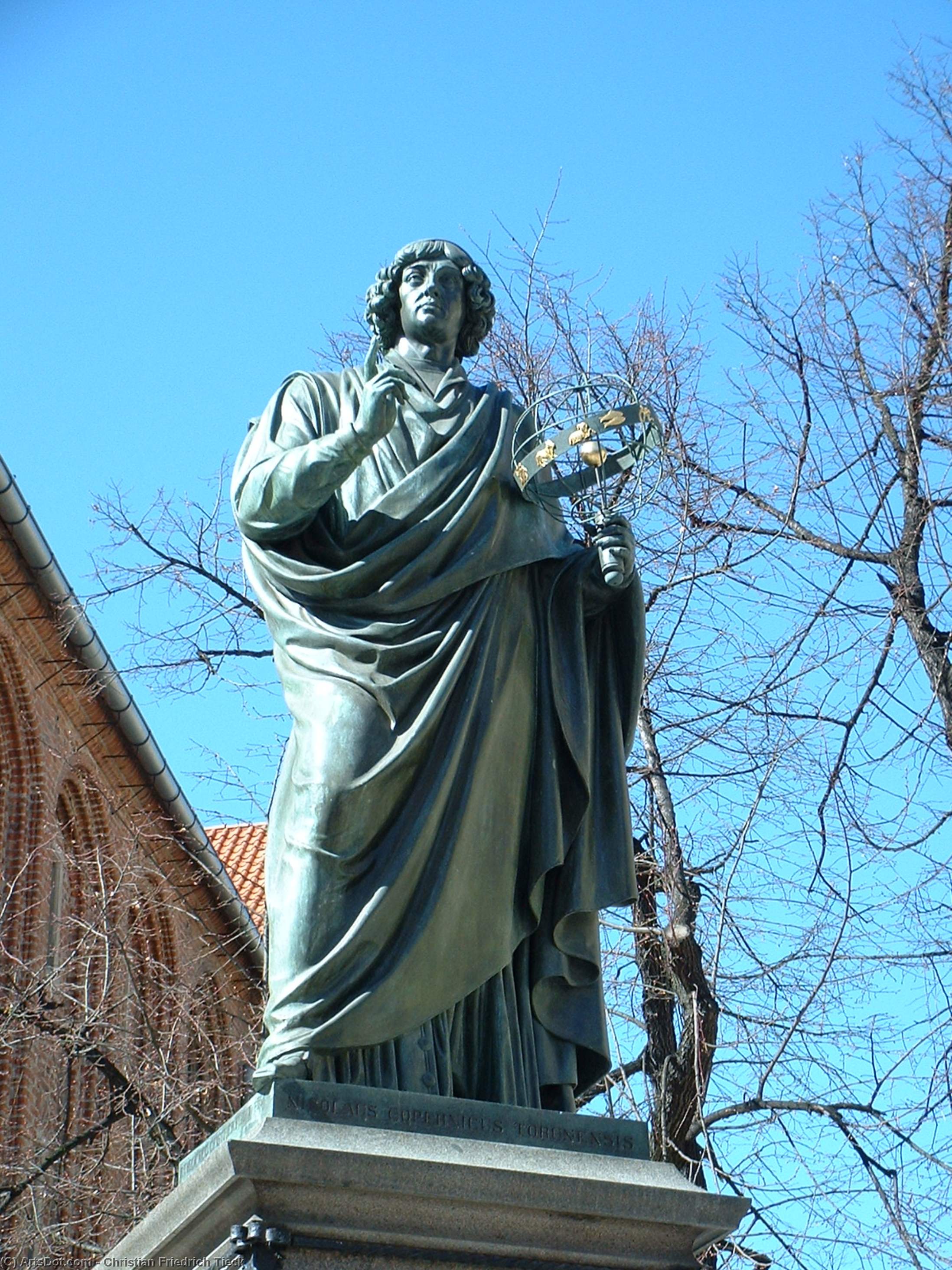
Monumenttocopernicus
 Rozwiń treść
Ręcznie malowana reprodukcja olejowa
Ręcznie malowany obraz olejny na płótnie, wykonany na zamówienie przez naszych artystów w wybranym przez Ciebie wymiarze i oprawie. ( Zamów wydruk Kup obraz wysokiej rozdzielczości)




































Wybierz spośród naszych standardowych rozmiarów, które zachowują oryginalne proporcje dzieła sztuki.

Możesz wprowadzić własne wymiary, aby dopasować obraz do konkretnej ramy lub przestrzeni. Jeśli wybrany rozmiar nie będzie odpowiadał proporcjom oryginału, przytniecie dzieło sztuki lub rozszerzymy je o dodatkowe elementy, ręcznie domalowane przez artystę. Przed rozpoczęciem produkcji wyślemy projekt cyfrowy do Twojej akceptacji.
Należy pamiętać, że podgląd na ekranie nie odzwierciedla rzeczywistego przycinania ani rozszerzania obrazu. Tylko projekt dokładnie pokaże ostateczną kompozycję.
Choć oferujemy możliwość zamówienia niestandardowych rozmiarów, zalecamy wybór wymiaru z gotowej listy, aby zachować oryginalne proporcje dzieła.
Po złożeniu zamówienia zespół OriginalUniqueArt.com skontaktuje się z klientem drogą mailową w celu uzyskania instrukcji i prześle wizualizację projektu
Dostawa na całym świecie () w ciągu 3–4 tygodni zamiast standardowych 5 tygodni. (14 Sierpień). Bez kompromisów w kwestii jakości.

Bezpłatna ekspresowa wysyłka na cały świat

Wysokiej jakości płótno lniane

Pełne ubezpieczenie przesyłki

Gwarancja zwrotu należności celnych i podatków importowych

Gwarancja wiernego odwzorowania kolorów

Polityka 60-dniowego zwrotu (tylko w przypadku wad)

Gwarancja 100% zwrotu kosztów

Zniżka przy zamówieniu wielu produktów
 Opcja ze szkłem jest dostępna wyłącznie w rozmiarach poniżej 110 cm

Monumenttocopernicus
Technika reprodukcji
Wymiary reprodukcji
-


Cena całkowita
$ 300
O artyście
Early Life and Artistic Foundations
Christian Friedrich Tieck, born in Berlin on August 14th, 1776, emerged from a family deeply rooted in the artisan class—his father, Johann Ludwig Tieck, was a respected rope-maker. This upbringing instilled in him a practical sensibility that would later inform his meticulous approach to sculpture. However, it was the intellectual atmosphere of his home, enriched by his mother’s devotion and his father's collection of Enlightenment literature, including works by Goethe, that first sparked his creative inclinations. Young Tieck wasn’t merely exposed to art; he absorbed a burgeoning Romantic sensibility alongside the rational ideals of the era. He began his formal artistic training in Berlin under the tutelage of Johann Gottfried Schadow, a leading figure in German Neoclassical sculpture. This apprenticeship provided him with a solid foundation in classical form and technique—a mastery of anatomy, composition, and the pursuit of idealized beauty. But Tieck’s ambition extended beyond mere replication; he sought to infuse his work with emotional depth and individual expression. A pivotal moment came with his studies under David d'Angers in Paris, where he honed his skills further and broadened his artistic horizons.A Bridge Between Styles: Neoclassicism and Romanticism
Tieck’s career unfolded during a period of significant stylistic transition in the art world. While firmly grounded in the principles of Neoclassicism—evident in the precision and clarity of his early works—he increasingly gravitated towards the burgeoning Romantic movement. This unique position allowed him to act as a bridge between these two dominant aesthetic forces. His sculptures began to exhibit a newfound emotional intensity, a sensitivity to psychological nuance that distinguished them from the more austere works of his contemporaries. The influence of his brother, Ludwig Tieck, a prominent Romantic writer, cannot be overstated. Their close relationship fostered an intellectual exchange that permeated Christian Friedrich’s artistic vision. He moved within circles where literary and artistic ideas intertwined, producing sculptures that often explored themes of mythology, allegory, and the human condition with a distinctly Romantic flair. This fusion is particularly apparent in his mythological works, which are not simply representations of ancient tales but rather explorations of universal emotions and philosophical concepts.Major Commissions and Artistic Achievements
Tieck’s talent soon garnered recognition, leading to a series of prestigious commissions that cemented his reputation as one of Germany's foremost sculptors. His work on the decoration of the Schauspielhaus Berlin, designed by Karl Friedrich Schinkel, marked an early high point in his career. He contributed significantly to major architectural and commemorative projects throughout Berlin and beyond. Perhaps his most celebrated achievement is the tomb of General Gerhard von Scharnhorst at the Invalidenfriedhof (1822). Conceived in collaboration with Schinkel, this monument exemplifies Tieck’s neoclassical style while incorporating a distinctly Romantic sensibility—restrained heroism integrated seamlessly with the natural landscape. Other notable works include his bust of Wilhelm Heinrich Wackenroder, capturing the intellectual and emotional depth of the writer, and a bronze lion modeled after designs by Christian Daniel Rauch. The posthumously erected monument to Nicolaus Copernicus in Thorn (modern Toruń) further demonstrates his ability to create powerful and symbolic sculptures that honored significant figures in history and science.Legacy and Historical Significance
Christian Friedrich Tieck’s contributions to German sculpture extend beyond the sheer beauty of his individual works. He played a crucial role in shaping the artistic landscape of early 19th-century Germany, embodying the transition from late Enlightenment ideals to Romantic sensibilities. His sculptures, characterized by precise anatomy, symbolic depth, and emotional resonance, represent a unique synthesis of classical form and Romantic expression. While he may not have achieved the same widespread fame as some of his contemporaries like Schadow or Rauch, Tieck’s influence was nonetheless profound. He served as director of the Skulpturen-Gallerie in Berlin, actively participating in the art scene and influencing the restoration of ancient sculptures. His works continue to be admired for their technical skill, artistic sensitivity, and enduring power—a testament to his legacy as a master sculptor who bridged two eras and enriched the cultural heritage of Germany. His busts, particularly those of literary figures, offer invaluable insights into the intellectual climate of the Romantic period. Tieck’s sculptures remain powerful reminders of an era defined by both reason and emotion, tradition and innovation.
christian friedrich tieck
1776 - 1851 , Germany
Krótka nota
- Artistic Movement Or Style: Neoclassicism, Romanticism
- Artists Who Influenced This Artist:
- Johann Gottfried Schadow
- David d'Angers
- Date Of Birth: August 14, 1776
- Date Of Death: May 24, 1851
- Full Name: Christian Friedrich Tieck
- Nationality: German
- Notable Artworks:
- Clemens Brentano bust
- Schinkel statue
- Schiller portrait
- Tomb of Scharnhorst
- Place Of Birth: Berlin, Germany

