
 Podgląd w skali
 Wyślij jako kartkę
 Udostępnij
 Szczegóły dzieła

 Pobierz
 Podobne obiekty
 RTG
RTG Pokaz slajdów
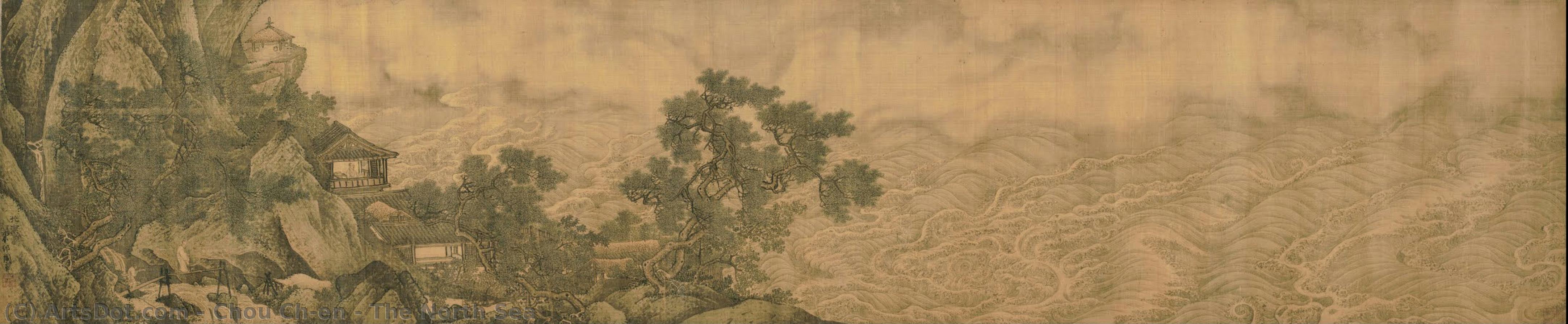
The North Sea


 Rozwiń treść
Ręcznie malowana reprodukcja olejowa
Ręcznie malowany obraz olejny na płótnie, wykonany na zamówienie przez naszych artystów w wybranym przez Ciebie wymiarze i oprawie. ( Zamów wydruk Kup obraz wysokiej rozdzielczości)




































Wybierz spośród naszych standardowych rozmiarów, które zachowują oryginalne proporcje dzieła sztuki.

Możesz wprowadzić własne wymiary, aby dopasować obraz do konkretnej ramy lub przestrzeni. Jeśli wybrany rozmiar nie będzie odpowiadał proporcjom oryginału, przytniecie dzieło sztuki lub rozszerzymy je o dodatkowe elementy, ręcznie domalowane przez artystę. Przed rozpoczęciem produkcji wyślemy projekt cyfrowy do Twojej akceptacji.
Należy pamiętać, że podgląd na ekranie nie odzwierciedla rzeczywistego przycinania ani rozszerzania obrazu. Tylko projekt dokładnie pokaże ostateczną kompozycję.
Choć oferujemy możliwość zamówienia niestandardowych rozmiarów, zalecamy wybór wymiaru z gotowej listy, aby zachować oryginalne proporcje dzieła.
Po złożeniu zamówienia zespół OriginalUniqueArt.com skontaktuje się z klientem drogą mailową w celu uzyskania instrukcji i prześle wizualizację projektu
Dostawa na całym świecie () w ciągu 3–4 tygodni zamiast standardowych 5 tygodni. (19 Sierpień). Bez kompromisów w kwestii jakości.

Bezpłatna ekspresowa wysyłka na cały świat

Wysokiej jakości płótno lniane

Pełne ubezpieczenie przesyłki

Gwarancja zwrotu należności celnych i podatków importowych

Gwarancja wiernego odwzorowania kolorów

Polityka 60-dniowego zwrotu (tylko w przypadku wad)

Gwarancja 100% zwrotu kosztów

Zniżka przy zamówieniu wielu produktów
 Opcja ze szkłem jest dostępna wyłącznie w rozmiarach poniżej 110 cm

The North Sea
Technika reprodukcji
Wymiary reprodukcji
-


Cena całkowita
$ 300
O artyście
Gerard David: A Master of Early Netherlandish Portraiture
Gerard David, a name perhaps less familiar than some of his contemporaries in the vibrant artistic landscape of 15th-century Bruges, stands as a pivotal figure in the development of early Netherlandish painting. Born around 1460 in Oudewater, near Gouda in the Netherlands, David’s career unfolded primarily within the bustling commercial and cultural center of Bruges, a city renowned for its burgeoning art trade and international connections. While overshadowed by the brilliance of figures like Jan van Eyck and Rogier van der Weyden during his lifetime, a closer examination reveals a profoundly skilled artist whose distinctive style and innovative approach to portraiture left an enduring legacy.
David’s early life remains somewhat shrouded in mystery, mirroring the relative scarcity of biographical details for many artists of this period. However, it is generally accepted that he spent his formative years honing his craft under the tutelage of various masters, absorbing the techniques and stylistic conventions prevalent at the time. His arrival in Bruges around 1484 marked a turning point, establishing him as a respected member of the city’s painter’s guild – a significant achievement reflecting his growing reputation and artistic prowess. He quickly ascended to become the leading painter of Bruges, a position he held until his death in 1523, overseeing a prolific output that catered to both local patrons and a discerning international clientele.
A Style Defined by Restraint and Refinement
David’s artistic style is characterized by a remarkable balance between realism and elegance. Unlike the intensely detailed and often hyper-realistic works of Van Eyck, David favored a more restrained approach, prioritizing clarity of form, harmonious color palettes, and a subtle sense of spatial depth. His compositions are typically balanced and symmetrical, reflecting a desire for order and stability – qualities that resonated with the prevailing humanist ideals of the Renaissance. He was particularly adept at capturing the psychological nuances of his subjects, imbuing portraits with an air of quiet dignity and introspective contemplation.
A key element of David’s distinctive style lies in his masterful use of color. While he employed the vibrant hues characteristic of the Flemish school, he often modulated them with a delicate subtlety, creating a sense of atmospheric depth and luminosity. His palette was notably refined, avoiding the overly bright or clashing combinations favored by some of his contemporaries. This restraint, combined with his meticulous attention to detail, resulted in paintings that possessed an understated beauty and remarkable visual harmony.
Major Works and Influences
David’s oeuvre encompasses a diverse range of subjects, including religious scenes, portraits, and altarpieces. Among his most celebrated works are the *Polyptych of the Misericordia*, a complex devotional panel showcasing his skill in depicting multiple figures within a confined space; the *Judgment of Cambyses*, a profoundly unsettling depiction of divine retribution that reveals David’s willingness to explore darker themes; and, perhaps most famously, the *Madonna with the Green Cushion*, a tender portrayal of the Virgin Mary and Child – a work admired for its serene beauty and exquisite detail.
David's artistic development was undoubtedly influenced by several key figures. The meticulous realism and innovative use of oil paint pioneered by Jan van Eyck served as a foundational influence, while the dramatic compositions and emotional intensity of Rogier van der Weyden provided a contrasting model. The impact of Antonello da Messina, who had established himself in Venice during David’s early career, is particularly evident in David's refined color palette and sophisticated understanding of perspective. Furthermore, he was influenced by the works of Albert van Oudewater and Hans Memling.
Legacy and Historical Significance
Despite his relative obscurity during his lifetime, Gerard David’s influence on subsequent generations of artists is undeniable. His emphasis on clarity, restraint, and psychological realism helped to shape the trajectory of Netherlandish painting in the late 15th and early 16th centuries. His portraits, in particular, established a new standard for depicting human individuality, capturing not only physical likeness but also subtle expressions of character and emotion.
It was only in the 19th century that David’s work began to receive the critical attention it deserved. Today, his paintings are celebrated as masterpieces of early Netherlandish art, testament to a profoundly talented artist whose quiet brilliance continues to captivate viewers centuries after his death. His legacy resides not just in the beauty of his individual works but also in his contribution to the evolution of portraiture and the development of a distinctly Northern European artistic sensibility.

chou ch'en
1460 - 1535 , China
Krótka nota
- Artistic Movement Or Style: Early Renaissance
- Artists Or Movements Influenced By This Artist: ['Correggio']
- Artists Who Influenced This Artist:
- Leonardo da Vinci
- Antonello da Messina
- Date Of Birth: c. 1460
- Date Of Death: c. 1524
- Full Name: Andrea Solari
- Nationality: Italian
- Notable Artworks:
- Madonna with Green Cushion
- Ecce Homo (Poldi-Pezzoli)
- Place Of Birth: Milan, Lombardy

