

 Wyślij
 Udostępnij
 Szczegóły
 Przewodnik

 Pobierz plik obrazu
 Podobne obiekty
 Pokaz slajdów
 Statystyki
Chen Lu, Marzenie Lamparcia


 Czytaj więcej
Dzieło sztuki prezentowane na tej stronie podlega ochronie prawem autorskim, co oznacza, że nie mamy prawa do tworzenia ani sprzedaży jego identycznej reprodukcji. Ochrona ta jest egzekwowana na mocy umów międzynarodowych, takich jak Konwencja berneńska oraz przez przepisy prawa krajowego, w tym te określone w Prawo autorskie USA – Tytuł 17.
Metoda ta jest w pełni zgodna z przepisami prawa autorskiego, ponieważ nie polega na kopiowaniu ani powielaniu chronionego dzieła. Stanowi ona kreatywną reinterpretację – nowy obraz, który czerpie inspirację z oryginału, ale nie jest z nim tożsamy.
Giclée / Wydruk artystyczny
Wydruki giclée lub płótna o jakości muzealnej, szybka realizacja i szeroki wybór opcji wykończenia. ( Kup ręcznie malowany obraz Przełącz na wersję cyfrową)




































Wybierz spośród naszych standardowych rozmiarów, które zachowują oryginalne proporcje dzieła sztuki.

Wpisz wymaganą szerokość i wysokość, aby dopasować grafikę do ramy lub ściany. Wydruk można jedynie przyciąć, nigdy nie powiększając go poza oryginalny obraz, dlatego format o innym proporcji spowoduje utratę części kompozycji. Przed rozpoczęciem druku prześlemy Ci cyfrowy podgląd do zatwierdzenia. Obraz wyświetlany na tej stronie nie pokazuje rzeczywistego przycięcia — jedynie podgląd oddaje ten efekt.
Dostawa na cały świat () w ciągu 2 tygodni zamiast standardowych 4/5 tygodni. (24 Październik)

Bezpłatna ekspresowa wysyłka na cały świat

Wysokiej jakości płótno lniane

Pełne ubezpieczenie transportowe

Gwarancja zwrotu należności celnych i podatków importowych

Gwarancja idealnego odwzorowania barw

100-dniowy okres na zwrot dzieła w przypadku wykrycia wad produkcyjnych

Gwarancja 100% zwrotu pieniędzy

Oferta przy zakupie wielu sztuk
 Opcja ze szkłem jest dostępna wyłącznie w rozmiarach poniżej 110 cm

Chen Lu, Marzenie Lamparcia
Giclée / Wydruk artystyczny
Rozmiar reprodukcji
-


Suma do zapłaty
zł 307
Chen Lu, Dream Lantern – A Reflection of Resilience and Feminine Vision
Chen Lu’s “Dream Lantern” is more than just a sculpture; it's a poignant emblem of Taiwanese artistic identity forged in the crucible of colonial influence and imbued with a deeply humanist spirit. Crafted by chen chin (1907-1998), this piece exemplifies the artist’s masterful synthesis of Japanese aesthetic principles – particularly the concept of *ma* – with her own profound connection to Taiwanese traditions. The sculpture itself—a delicately balanced sphere resting atop another—immediately draws attention, inviting contemplation on stability and aspiration simultaneously.Materiality and Technique: Echoes of Tradition
The sculpture’s striking visual impact stems from its careful selection of materials. Constructed primarily from polished bronze, it incorporates elements of alabaster and jade – choices that resonate with Taiwanese artistic heritage and convey a sense of timeless elegance. Chen Chin skillfully employs *ma*, the Japanese technique of empty space, to create an illusion of depth and movement within the seemingly static form. The subtle variations in texture—the smooth sheen of bronze juxtaposed against the cool translucence of alabaster—further enhance this visual dialogue. This meticulous craftsmanship speaks volumes about the artist’s dedication to preserving and reimagining established artistic traditions.Historical Context: Navigating Colonial Shadows
Born in Xiamen during Japan's colonial rule, Chen Chin witnessed firsthand the complexities of cultural exchange and adaptation. Her formative years instilled within her a sensitivity to societal pressures and a determination to express feminine perspectives—a theme that would become central to her oeuvre. “The Women of Shantimen Area,” arguably her most celebrated work, powerfully confronts gender stereotypes and champions female empowerment through evocative imagery and nuanced storytelling. This sculpture can be seen as an extension of this artistic mission, embodying the spirit of perseverance and grace amidst challenging circumstances.Symbolism: Layers of Meaning
The sphere itself is a universal symbol of wholeness and unity—representing both earthly existence and spiritual enlightenment. Its placement atop another sphere suggests aspiration and overcoming obstacles – mirroring Chen Chin’s own unwavering commitment to artistic exploration and social commentary. The incorporation of jade and alabaster adds layers of symbolic significance, referencing notions of purity, tranquility, and refined beauty – qualities that permeate throughout Chen Lu's artistic vision.Emotional Impact: A Quiet Strength
“Dream Lantern” possesses a remarkable ability to evoke contemplation and inspire emotion. Its understated elegance invites viewers to consider themes of resilience, balance, and the enduring importance of feminine voices. Like her larger canvases, this sculpture transcends mere visual representation; it communicates a profound understanding of human experience—a testament to Chen Lu’s artistic genius and her unwavering dedication to capturing the essence of Taiwanese culture. It's a piece that speaks to the soul, reminding us that beauty can reside in simplicity and strength can emerge from quiet contemplation.Pytania i odpowiedzi
Kto stworzył "Chen Lu, Marzenie Lamparcia"?
Dzieło "Chen Lu, Marzenie Lamparcia" przypisuje się Chen Chin.
Czy istnieje przewodnik dla „Chen Lu, Marzenie Lamparcia” autorstwa Chen Chin?
Dla dzieła „Chen Lu, Marzenie Lamparcia” autorstwa Chen Chin dostępna jest strona Przewodnik: nadająca się do druku karta informacyjna o utworze, przygotowana z myślą o uczniach i wykorzystaniu w klasie.
Do jakiego nurtu i do której epoki zalicza się „Chen Lu, Marzenie Lamparcia” autorstwa Chen Chin?
„Chen Lu, Marzenie Lamparcia” autorstwa Chen Chin przynależy do nurtu Japanese Influenced Feminine Art, tworząc w epoce Modern swojego twórcy.
Biografia artysty
Chen Chin: A Pioneer of Taiwanese Feminine Art
Chen Chin (1907-1998), a Taiwanese artist whose legacy continues to inspire, stands as one of the foremost figures in twentieth-century Taiwanese art. Celebrated primarily for her poignant depictions of women—particularly her iconic silk painting “The Women of Shantimen Area”—Chin’s oeuvre transcends mere visual representation; it embodies a profound engagement with social commentary and a masterful fusion of Japanese artistic traditions with her own rooted heritage. Her work serves as a testament to resilience, grace, and the enduring power of feminine perspective within a rapidly changing cultural landscape.- Early Life & Artistic Formation: Born in Xiamen, China, Chen Chin’s formative years were marked by exposure to Japanese culture during the colonial era. Recognizing her artistic potential early on, her father—a wealthy businessman and patron of the arts—supported her pursuit of formal training at Tokyo Women's Academy of Fine Arts in 1925. This pivotal decision propelled her into a world dominated by male artists, where she bravely challenged societal expectations regarding women’s roles.
- Japanese Influence & Gouache Technique: Chen Chin’s artistic style was indelibly shaped by her Japanese training, specifically her mentorship under Gobara Koto, who championed the use of gouache—a translucent watercolor pigment—as a medium. This technique allowed her to achieve remarkable luminosity and depth in her paintings, capturing subtle nuances of emotion and atmosphere.
- “The Women of Shantimen Area”: Arguably Chen Chin’s masterpiece, “The Women of Shantimen Area” exemplifies her distinctive artistic vision. Executed in silk, the painting portrays a group of women engaged in daily activities—weaving, preparing food, tending to children—with meticulous detail and sensitivity. The composition skillfully balances traditional Japanese aesthetics with Taiwanese cultural symbolism, conveying both beauty and quiet dignity.
- Recognition & Legacy: Chen Chin’s work garnered considerable acclaim during her lifetime, securing her place in the annals of Taiwanese art history. Her inclusion in the inaugural Taiwan Fine Arts Exhibition in 1927 solidified her position as one of the “Three Young Talents,” marking a significant breakthrough for female artists in Taiwan. Furthermore, she was awarded the Executive Yuan Cultural Award in 1996—a testament to her unwavering dedication to artistic excellence and her profound contribution to Taiwanese culture.
- Continuing Influence: Chen Chin’s pioneering spirit continues to resonate within subsequent generations of Taiwanese artists. Her unflinching portrayal of women's lives—characterized by grace, strength, and vulnerability—serves as an enduring inspiration for those striving to express feminine perspectives through art. Her legacy extends beyond her artistic achievements; she remains a symbol of female empowerment and artistic courage in Taiwan and globally.
Exploring Chen Chin’s Artistic Vision
Chen Chin's approach to painting wasn't merely about capturing visual likenesses; it was about conveying emotion and embodying cultural values. Her meticulous attention to detail—particularly in depicting hairstyles, fabrics, and accessories—reflects the fashion trends of her time while simultaneously honoring Taiwanese traditions. Notably, “Leisure (悠閒)” showcases a striking juxtaposition between Chinese-style canopy beds and Japanese incense burners, highlighting the blending of influences that defined her artistic style.Notable Exhibitions & Museums
Chen Chin’s artwork has graced prestigious venues across Taiwan and Japan. Her paintings were prominently featured in *Centennial Celebration of Chen Chin*, held at Fukuoka Asian Art Museum (Fukuoka, Japan) in 2006, showcasing her enduring relevance as a cultural icon. Similarly, *The Beauty of Chen Chin’s Ladies* was presented at National Museum of History, Taipei, in 2003, further cementing her place within Taiwan's artistic heritage.Further Resources
For deeper insights into Chen Chin’s life and work, consult the following resources:- Hsieh, Shih-ying,"Ch’en Chin", *Biographical Dictionary of Chinese Women: Twentieth Century*, vol. 2, London, Routledge, 2015, p. 53–55
- Sullivan, Michael,*Modern Chinese Artists: A Biographical Dictionary*, Berkley, University of California Press*, *2006,* p. 14
Discover More
Visit OriginalUniqueArt.com for a comprehensive overview of Chen Chin’s artistic journey and explore her masterpiece “The Women of Shantimen Area”: http://www.OriginalUniqueArt.com/en/art/chen-chin-the-women-of-shantimen-area-D4FUX4-en/ Explore Museum Chi (Taipei, China) for additional context on Chen Chin’s artistic milieu: https://museumchi.org/
Chen Chin
1907 - 1998 , China
Najważniejsze informacje
- Full Name: Chen Jin
- Nationality: Taiwanese
- Date Of Birth: 1907
- Date Of Death: 1998
- Place Of Birth: Xiamen, China
- Notable Artworks: ['The Women of Shantimen Area']
- Artistic Movement Or Style: Japanese painting influence
- Artists Who Influenced This Artist: ['Gobara Koto']
- Artists Or Movements Influenced By This Artist: ['Contemporary Art']
Zobacz także powiązane artykuły
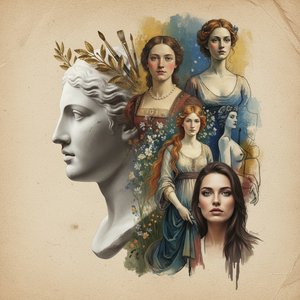
Muza Przez Wieki: Kobieta jako Temat i Symbol w Historii Sztuki – Inspiracje i Ewolucja Obrazu
Poznaj fascynującą historię kobiecości w sztuce! Analizujemy wpływ mitologii, feminizmu i współczesnych artystek na ewolucję obrazu kobiety – od symbolu do bohaterki. Ekspercka analiza i inspiracje.

Katsushika Hokusai: 25 Arcydzieł Sztuki Japońskiej dla Kolekcjonerów i Miłośników Dekoracji
Odkryj 25 arcydzieł Katsushika Hokusai, mistrza ukiyo-e! Poznaj historię Wielkiej Fali i innych ikonicznych drzeworytów. Inspiracje wnętrzarskie i reprodukcje obrazów najwyższej jakości na OriginalUniqueArt.com – sztuka japońska dla Twojego domu.
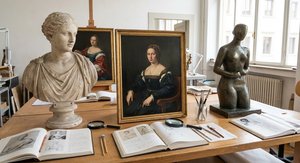
Trwałe Muzy: Reprezentacja Kobiecości i Ewolucja w Historii Sztuki
Odkryj fascynującą historię kobiecości w sztuce! Analizujemy ewolucję portretu, zapomniane mistrzynie i wpływ feminizmu na reprezentację kobiet. Ekspercka analiza dla koneserów sztuki.
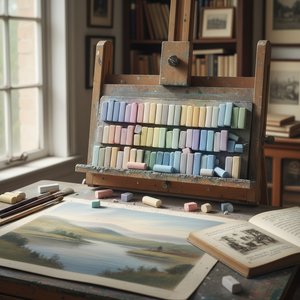
Subtelności Pastelu: Historia, Technika i Emocjonalny Rezonans w Sztuce
Odkryj fascynujący świat pasteli! Poznaj historię, technikę i wybitnych artystów. Porady konserwacji, inspiracje Wyspiańskiego i wszystko, co musisz wiedzieć o malarstwie pastelowym. Ekspercka analiza dla miłośników sztuki.

Niezależne i Genialne: Jak Kobiet Artystki Przełamały Kanon i Na Nowo Zdefiniowały Historię Sztuki
Odkryj fascynującą historię kobiet artystek, które zmieniły bieg dziejów. Poznaj losy genialnych twórczyń, od zapomnianych mistrzyń po ikony awangardy. Ekspercka analiza ewolucji kobiecej roli w sztuce – od symbolu do niezależnej bohaterki. Zainspiruj się dziedzictwem wielkich artystek.
