

 Zobacz w skali 1:1
 Wyślij
 Udostępnij
 Szczegóły
 Przewodnik

 Pobierz plik obrazu
 Podobne obiekty
 RTG
RTG Pokaz slajdów
 Statystyki
Samuel Mifflin
 Akryl na płótnie
- Sztuka ścienna
- Neoclassical Realism
 1777
1777 126.0 x 101.0 cm
 Metropolitan Museum of Art
 Czytaj więcej
Giclée / Wydruk artystyczny
Wydruki giclée lub płótna o jakości muzealnej, szybka realizacja i szeroki wybór opcji wykończenia. ( Kup ręcznie malowany obraz Przełącz na wersję cyfrową)




P118B zł10

P118H zł10

P118W zł10

P438Z zł10

P508JH zł12

P508YH zł12

P805H zł10

P805Z zł10

P919BZ zł10

P919G zł10

P919XJ zł10

P959ZH zł10

P968JZ zł12

W106C zł8

W218G zł10

W218JH zł8

W218Y zł10

W307PJ zł10

W316G zł10

W316PJ zł8

W316Y zł10

W398PJ zł8

W4111J zł10

W500HY zł15

W500JH zł15

W692G zł12

W849H zł8

W940BG zł15

W953PJ zł8




Wybierz spośród naszych standardowych rozmiarów, które zachowują oryginalne proporcje dzieła sztuki.

Wpisz wymaganą szerokość i wysokość, aby dopasować grafikę do ramy lub ściany. Wydruk można jedynie przyciąć, nigdy nie powiększając go poza oryginalny obraz, dlatego format o innym proporcji spowoduje utratę części kompozycji. Przed rozpoczęciem druku prześlemy Ci cyfrowy podgląd do zatwierdzenia. Obraz wyświetlany na tej stronie nie pokazuje rzeczywistego przycięcia — jedynie podgląd oddaje ten efekt.
Dostawa na cały świat () w ciągu 2 tygodni zamiast standardowych 4/5 tygodni. (21 Październik)

Bezpłatna ekspresowa wysyłka na cały świat

Wysokiej jakości płótno lniane

Pełne ubezpieczenie transportowe

Gwarancja zwrotu należności celnych i podatków importowych

Gwarancja idealnego odwzorowania barw

100-dniowy okres na zwrot dzieła w przypadku wykrycia wad produkcyjnych

Gwarancja 100% zwrotu pieniędzy

Oferta przy zakupie wielu sztuk
 Opcja ze szkłem jest dostępna wyłącznie w rozmiarach poniżej 110 cm

Samuel Mifflin
Giclée / Wydruk artystyczny
Rozmiar reprodukcji
-


Suma do zapłaty
zł 304
Samuel Mifflin – Portret Patriotyzmu i Sukcesu Handlowego
Portret Samuela Mifflin’a, namalowany przez Charlesa Willsona Peale'a w roku 1777, stanowi fascynujące świadectwo zarówno talentu artystycznego twórcy, jak i ducha epoki amerykańskiej Rewolucji Narodowej. Nie tylko zachwyca doskonałą techniką malarską, ale również kryje w sobie bogate symbole oraz głębokie przesłanie dotyczące roli jednostki w historii narodową.
Charles Willson Peale, urodzony w Chesterze w roku 1741, był amerykańskim artystą i uczonym, który zyskał międzynarodowe uznanie dzięki swoim obrazom portretowym oraz działalności naukowej. Jego edukacja rozpoczęła się od szkolenia u Johna Hesselius’a i kontynuowana przy pomocy Johna Singletona Copleya, co świadczy o jego wcześniejszym zamiłowaniu do malarstwa portretowego.
Jednak prawdziwym impulsem dla rozwoju Peale'a było studia w Londynie pod kierownictwem Benjamina Westa (1767-1770). Kontakt z europejskimi tradycjami sztuki wpłynął znacząco na jego styl, który charakteryzuje się elegancką kompozycją i szczegółową obserwacją rzeczywistości. Szczególną uwagę należy zwrócić na wykorzystanie światła naturalnego oraz umiejętne odwzorowanie tekstur tkanin i skóry.
- Styl: Peale należał do szkoły amerykańskiej klasycznej, która czerpała inspirację z twórczości włoskich malarzy akademickich. Jego obrazy cechują się doskonałą proporcją ciała oraz realistycznym przedstawieniem szczegółów anatomicznych.
- Technika: Peale wykorzystywał technikę olejną na płótnie, która pozwalała osiągnąć głębokie kolory i efektowne refleksy światła. Jego umiejętności były porównywane z umiejętnościami Copleya i Westa – najwyższych twórców swojej epoki.
- Kompozycja: Obraz przedstawia Samuel Mifflin’a siedzącego przy stoliku, otoczonego przez eleganckie meble oraz okno wpuszczające światło naturalne. Szczególną uwagę zwrócono na szczegółowe odwzorowanie tkanin i skóry, co świadczy o wysokiej jakości wykonania dzieła.
Symbolizm obrazu jest bogaty i wielowymiarowy. Obecność okna nawiązuje do sukcesu Mifflin’a jako przedsiębiorcy handlowego oraz podkreśla jego związek z miejscem narodową historią. Książka na ławie siedzącego reprezentuje intelektualną erudycję oraz zainteresowanie kulturą klasyczną, co odzwierciedla wartości charakterystyczne dla amerykańskiej inteligencji XVIII wieku.
Portret Samuela Mifflin’a nie tylko dokumentuje ważne wydarzenia historyczne, ale również emanuje emocjami i atmosferą epoki. Jego monumentalna skala oraz elegancka kompozycja wprowadzają widza w nastrój spokoju i pewności siebie – cechy charakterystyczne dla osoby przedstawionej na obrazie oraz dla ducha czasów Rewolucji Narodowej.
Pytania i odpowiedzi
Na którym etapie kariery Charles Willson Peale znajduje się dzieło „Samuel Mifflin”, biorąc pod uwagę jego datę powstania?
Data 1777 sytuuje "Samuel Mifflin" w Revolutionary Era rozwoju twórczości Charles Willson Peale.
Czy "Samuel Mifflin" to słynne dzieło należące do nurtu Neoclassical Realism?
„Samuel Mifflin” autorstwa Charles Willson Peale jest klasyfikowane jako Uznani* i należy do nurtu Neoclassical Realism.
W jaki sposób mogę obejrzeć „Samuel Mifflin” autorstwa Charles Willson Peale w formie pokazu slajdów?
Dzieło „Samuel Mifflin” autorstwa Charles Willson Peale można obejrzeć w formie pokazu slajdów na stronie Pokaz slajdów danego dzieła.
Biografia artysty
Charles Willson Peale: A Life of Art, Science, and Patriotism
Charles Willson Peale was a singular figure in the annals of American art history—a painter who simultaneously championed scientific exploration and served as a pivotal voice for his era. Born April 15, 1741, in Chester County, Maryland, his life unfolded against the backdrop of burgeoning colonial ambition and intellectual ferment, shaping him into an artist whose legacy extends far beyond mere aesthetic beauty.Early Life and Artistic Training
Peale’s formative years were marked by considerable hardship following the untimely demise of his father. Recognizing a nascent talent for artistic representation, he embarked on an apprenticeship as a saddler—a practical skill that would later inform his meticulous attention to detail in portraiture. Crucially, he received initial instruction from John Hesselius and briefly studied with John Singleton Copley, demonstrating an early aptitude for capturing likeness accurately. However, it was his immersion in the artistic milieu of London (1767-1770) under Benjamin West that truly cemented his stylistic trajectory. This exposure to European Neoclassical ideals profoundly influenced Peale’s approach, instilling a reverence for classical forms and a commitment to portraying subjects with dignity and realism.Artistic Career and Major Works
Peale swiftly established himself as one of the foremost portraitists of his time, securing commissions from prominent figures who shaped the American Revolution. His depictions of George Washington—nearly sixty in total—stand as monumental achievements not only aesthetically but also historically, serving as invaluable documents capturing the statesman’s countenance and embodying the spirit of republican virtue. Peale's style evolved gracefully over his career, initially mirroring West’s neoclassical sensibilities before incorporating elements of American realism. The *Staircase Group* (c. 1795), a breathtaking example of trompe l'oeil illusionism, exemplifies this stylistic progression—a masterful feat of artistic technique that seamlessly blends sculpture and architecture into a single visual experience. It is a testament to Peale’s dedication to pushing the boundaries of artistic innovation.Scientific Pursuits and Peale’s American Museum
Beyond his artistic endeavors, Peale possessed an unwavering passion for natural history—a conviction that fueled his ambitious vision for establishing Peale's American Museum in Philadelphia (1784). This pioneering institution became one of the earliest museums in the United States, housing a remarkable collection of botanical specimens, animal skeletons, and archaeological artifacts. Peale’s tireless efforts to educate the public about scientific discoveries—particularly his captivating displays of mastodon bones acquired during an expedition in 1801—transformed Philadelphia into a hub for intellectual curiosity and cemented his place as a champion of Enlightenment ideals. He meticulously documented his observations, furthering knowledge and inspiring future generations of scientists.Legacy and Historical Significance
Charles Willson Peale’s artistic legacy transcends mere stylistic trends; it embodies the spirit of an era striving to reconcile art and science—a harmonious blend reflecting the intellectual currents of his time. His portraits stand as enduring symbols of American leadership and republican virtue, offering invaluable insights into the personalities and aspirations of pivotal figures who shaped the nation's destiny. Furthermore, Peale’s founding of Peale’s American Museum represents a transformative step in establishing America as a center for scientific advancement—a contribution that continues to resonate today. His family lineage extended through his sons, James Peale and Rubens Peale, both accomplished artists who enriched the museum’s collection and upheld Peale's commitment to artistic excellence and scholarly pursuit.
Charles Willson Peale
1741 - 1827 , Wielka Brytania
Najważniejsze informacje
- Artistic Movement Or Style: Neoclassical painting
- Artists Who Influenced This Artist:
- John Hesselius
- John Singleton Copley
- Benjamin West
- Date Of Birth: 1741
- Date Of Death: 1827
- Full Name: Charles Willson Peale
- Nationality: American
- Notable Artworks:
- George Washington portraits
- Staircase Group
- Place Of Birth: Chester, United Kingdom
Zobacz także powiązane artykuły

Charles Willson Peale: Portraiture, Enlightenment Ideals & Shaping American Identity
Explore the life & art of Charles Willson Peale – Revolutionary portraitist, scientist, and founder of America’s first museum. Discover his iconic paintings of Washington & the Enlightenment ideals that shaped a nation.

Grant Wood & American Regionalism: Identity, Myth & the Rural Landscape
Explore the world of Grant Wood & American Regionalism with OriginalUniqueArt. Discover the symbolism behind 'American Gothic', recurring themes, and the movement's lasting impact on art history. High-quality reproductions available.

Charles Bird King: Capturing Native American Dignity Through Portraiture & Cultural Exchange
Explore the captivating portraits of Charles Bird King, renowned for his depictions of Native American leaders. Discover the historical context, artistic techniques, and collecting value of these significant 19th-century artworks.
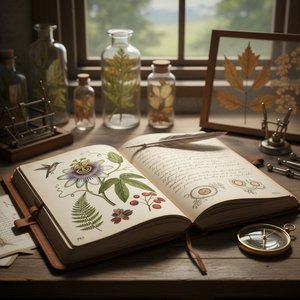
Titian Ramsay Peale II: A Legacy of Botanical Precision & Artistic Innovation
Explore the life & art of Titian Ramsay Peale II, a master of botanical precision and wildlife painting. Discover his legacy bridging art & natural history at OriginalUniqueArt.
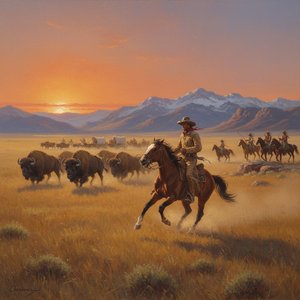
Charles Marion Russell: Capturing the American West Through a Romantic Lens
Explore the captivating world of Charles Marion Russell, 'the cowboy artist.' Discover his life, iconic paintings, advocacy for Native Americans, and investment potential. A guide for discerning art collectors.

