

 Podgląd w skali
 Wyślij jako kartkę
 Udostępnij
 Szczegóły dzieła

 Pobierz
 Podobne obiekty
 RTG
RTG Pokaz slajdów
 Statystyki
Mordecai Gist


 Rozwiń treść
Ręcznie malowana reprodukcja olejowa
Ręcznie malowany obraz olejny na płótnie, wykonany na zamówienie przez naszych artystów w wybranym przez Ciebie wymiarze i oprawie. ( Przełącz na wydruki Przełącz na obraz cyfrowy)




P118B $10

P118H $10

P118W $10

P438Z $10

P508JH $12

P508YH $12

P805H $10

P805Z $10

P919BZ $10

P919G $10

P919XJ $10

P959ZH $10

P968JZ $12

W106C $8

W218G $10

W218JH $8

W218Y $10

W307PJ $10

W316G $10

W316PJ $8

W316Y $10

W398PJ $8

W4111J $10

W500HY $15

W500JH $15

W692G $12

W849H $8

W940BG $15

W953PJ $8




Wybierz spośród naszych standardowych rozmiarów, które zachowują oryginalne proporcje dzieła sztuki.

Możesz wprowadzić własne wymiary, aby dopasować obraz do konkretnej ramy lub przestrzeni. Jeśli wybrany rozmiar nie będzie odpowiadał proporcjom oryginału, przytniecie dzieło sztuki lub rozszerzymy je o dodatkowe elementy, ręcznie domalowane przez artystę. Przed rozpoczęciem produkcji wyślemy projekt cyfrowy do Twojej akceptacji.
Należy pamiętać, że podgląd na ekranie nie odzwierciedla rzeczywistego przycinania ani rozszerzania obrazu. Tylko projekt dokładnie pokaże ostateczną kompozycję.
Choć oferujemy możliwość zamówienia niestandardowych rozmiarów, zalecamy wybór wymiaru z gotowej listy, aby zachować oryginalne proporcje dzieła.
Po złożeniu zamówienia zespół OriginalUniqueArt.com skontaktuje się z klientem drogą mailową w celu uzyskania instrukcji i prześle wizualizację projektu
Dostawa na całym świecie () w ciągu 3–4 tygodni zamiast standardowych 5 tygodni. (12 Wrzesień). Bez kompromisów w kwestii jakości.

Bezpłatna ekspresowa wysyłka na cały świat

Wysokiej jakości płótno lniane

Pełne ubezpieczenie przesyłki

Gwarancja zwrotu należności celnych i podatków importowych

Gwarancja wiernego odwzorowania kolorów

100-dniowa polityka zwrotów (tylko w przypadku wad)

Gwarancja 100% zwrotu kosztów

Zniżka przy zamówieniu wielu produktów
 Opcja ze szkłem jest dostępna wyłącznie w rozmiarach poniżej 110 cm

Mordecai Gist
Technika reprodukcji
Wymiary reprodukcji
-


Cena całkowita
$ 300
A Vision of Revolutionary Virtue
In the quiet intensity of Charles Willson Peale’s 1774 portrait of Mordecai Gist, we encounter more than just a likeness of a prominent Maryland figure; we step into the very heart of the American colonial spirit. Painted on the precipice of revolution, this work captures a moment of profound historical tension and burgeoning identity. Peale, an artist whose life was inextricably woven into the fabric of the American struggle for independence, utilizes his mastery of oil on canvas to present Gist not merely as a man, but as a personification of the era's emerging ideals. The subject is rendered with a dignified presence that commands the viewer's attention, inviting us to contemplate the weight of leadership and the solemnity of duty during one of history's most transformative epochs.
The technique employed by Peale reflects the refined neoclassical influences that were sweeping through the Atlantic world. Drawing inspiration from Roman portraiture traditions, Peale demonstrates an extraordinary command over light and shadow, a method known as chiarosc de lumi, to sculpt the subject's features with remarkable three-dimensionality. Every texture—from the heavy, tactile quality of the clothing to the subtle nuances of the skin—is rendered with meticulous precision. This careful attention to detail does more than showcase technical prowess; it lends an air of permanence and truth to the portrait, making the sitter feel vibrantly alive even centuries after the brush left the canvas.
Symbolism and the Weight of History
Beyond the physical representation of Mordecai Gist, Peale embeds subtle yet powerful symbolic elements that resonate with the political climate of 1774. The composition is balanced and deliberate, utilizing a neutral backdrop to ensure that the focus remains entirely on the character and stature of the subject. In such portraits of this period, the arrangement of objects and the very posture of the sitter often served as a silent language of status and intellect. Through the careful interplay of light, Peale highlights the strength in Gist's gaze, suggesting a man prepared for the rigors of the Continental Army and the heavy responsibilities of command that would soon define his life.
For the discerning collector or interior designer, this piece offers an unparalleled opportunity to introduce a sense of historical gravitas and timeless elegance into a space. The portrait functions as a window into a lost world of republican virtue and moral fortitude. Whether placed in a formal study, a sophisticated library, or a curated gallery wall, a high-quality reproduction of this work serves as a profound conversation piece. It does not merely decorate a room; it anchors it with a sense of heritage, providing an emotional depth that inspires reverence for the enduring human spirit and the foundational stories of a nation.
O artyście
Charles Willson Peale: A Life of Art, Science, and Patriotism
Charles Willson Peale was a singular figure in the annals of American art history—a painter who simultaneously championed scientific exploration and served as a pivotal voice for his era. Born April 15, 1741, in Chester County, Maryland, his life unfolded against the backdrop of burgeoning colonial ambition and intellectual ferment, shaping him into an artist whose legacy extends far beyond mere aesthetic beauty.Early Life and Artistic Training
Peale’s formative years were marked by considerable hardship following the untimely demise of his father. Recognizing a nascent talent for artistic representation, he embarked on an apprenticeship as a saddler—a practical skill that would later inform his meticulous attention to detail in portraiture. Crucially, he received initial instruction from John Hesselius and briefly studied with John Singleton Copley, demonstrating an early aptitude for capturing likeness accurately. However, it was his immersion in the artistic milieu of London (1767-1770) under Benjamin West that truly cemented his stylistic trajectory. This exposure to European Neoclassical ideals profoundly influenced Peale’s approach, instilling a reverence for classical forms and a commitment to portraying subjects with dignity and realism.Artistic Career and Major Works
Peale swiftly established himself as one of the foremost portraitists of his time, securing commissions from prominent figures who shaped the American Revolution. His depictions of George Washington—nearly sixty in total—stand as monumental achievements not only aesthetically but also historically, serving as invaluable documents capturing the statesman’s countenance and embodying the spirit of republican virtue. Peale's style evolved gracefully over his career, initially mirroring West’s neoclassical sensibilities before incorporating elements of American realism. The *Staircase Group* (c. 1795), a breathtaking example of trompe l'oeil illusionism, exemplifies this stylistic progression—a masterful feat of artistic technique that seamlessly blends sculpture and architecture into a single visual experience. It is a testament to Peale’s dedication to pushing the boundaries of artistic innovation.Scientific Pursuits and Peale’s American Museum
Beyond his artistic endeavors, Peale possessed an unwavering passion for natural history—a conviction that fueled his ambitious vision for establishing Peale's American Museum in Philadelphia (1784). This pioneering institution became one of the earliest museums in the United States, housing a remarkable collection of botanical specimens, animal skeletons, and archaeological artifacts. Peale’s tireless efforts to educate the public about scientific discoveries—particularly his captivating displays of mastodon bones acquired during an expedition in 1801—transformed Philadelphia into a hub for intellectual curiosity and cemented his place as a champion of Enlightenment ideals. He meticulously documented his observations, furthering knowledge and inspiring future generations of scientists.Legacy and Historical Significance
Charles Willson Peale’s artistic legacy transcends mere stylistic trends; it embodies the spirit of an era striving to reconcile art and science—a harmonious blend reflecting the intellectual currents of his time. His portraits stand as enduring symbols of American leadership and republican virtue, offering invaluable insights into the personalities and aspirations of pivotal figures who shaped the nation's destiny. Furthermore, Peale’s founding of Peale’s American Museum represents a transformative step in establishing America as a center for scientific advancement—a contribution that continues to resonate today. His family lineage extended through his sons, James Peale and Rubens Peale, both accomplished artists who enriched the museum’s collection and upheld Peale's commitment to artistic excellence and scholarly pursuit.
Charles Willson Peale
1741 - 1827 , Wielka Brytania
Krótka nota
- Artistic Movement Or Style: Neoclassical painting
- Artists Who Influenced This Artist:
- John Hesselius
- John Singleton Copley
- Benjamin West
- Date Of Birth: 1741
- Date Of Death: 1827
- Full Name: Charles Willson Peale
- Nationality: American
- Notable Artworks:
- George Washington portraits
- Staircase Group
- Place Of Birth: Chester, United Kingdom
Powiązane artykuły

Georges Seurat: 25 Arcydzieł Punktalizmu dla Twojego Domu | OriginalUniqueArt.com
Odkryj 25 arcydzieł Georges'a Seurata! Poznaj historię punktalizmu, impresjonistyczne pejzaże i fascynującą technikę malarską. Reprodukcje obrazów najwyższej jakości na OriginalUniqueArt.com – inspiracje do Twojego wnętrza. Eksploruj pełną kolekcję online!
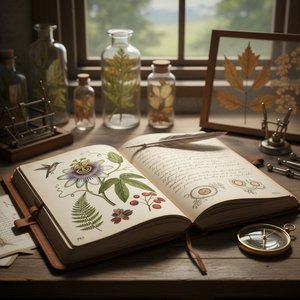
Titian Ramsay Peale II: A Legacy of Botanical Precision & Artistic Innovation
Explore the life & art of Titian Ramsay Peale II, a master of botanical precision and wildlife painting. Discover his legacy bridging art & natural history at OriginalUniqueArt.

Charles Willson Peale: Portraiture, Enlightenment Ideals & Shaping American Identity
Explore the life & art of Charles Willson Peale – Revolutionary portraitist, scientist, and founder of America’s first museum. Discover his iconic paintings of Washington & the Enlightenment ideals that shaped a nation.

Georges Braque: 25 Arcydzieł Kubizmu i Nowoczesnej Sztuki | OriginalUniqueArt.com
Odkryj 25 arcydzieł Georges'a Braque – pioniera kubizmu i malarstwa nowoczesnego. Poznaj historię, techniki i inspiracje za jego najsłynniejszymi obrazami. Reprodukcje najwyższej jakości na OriginalUniqueArt.com! Eksploruj pełną kolekcję online.

Grant Wood & American Regionalism: Identity, Myth & the Rural Landscape
Explore the world of Grant Wood & American Regionalism with OriginalUniqueArt. Discover the symbolism behind 'American Gothic', recurring themes, and the movement's lasting impact on art history. High-quality reproductions available.

