

 Podgląd w skali 1:1
 Wyślij jako kartkę
 Udostępnij
 Szczegóły dzieła
 Przewodnik

 Pobierz obraz
 Podobne obiekty
 RTG
RTG Pokaz slajdów
 Q&A
Q&A Statystyki
Charles Willson Peale Self-Portrait
 Acrylic On Canvas
- WallArt
- Neoclassical
 1791
1791 72.0 x 84.0 cm
 National Portrait Gallery
 Rozwiń treść
Giclée / Wydruk artystyczny
Wydruki giclée lub płótna o jakości muzealnej, szybka realizacja i szeroki wybór opcji wykończenia. ( Zamów ręcznie malowaną reprodukcję Przejdź do wersji cyfrowej)




P118B zł10

P118H zł10

P118W zł10

P438Z zł10

P508JH zł12

P508YH zł12

P805H zł10

P805Z zł10

P919BZ zł10

P919G zł10

P919XJ zł10

P959ZH zł10

P968JZ zł12

W106C zł8

W218G zł10

W218JH zł8

W218Y zł10

W307PJ zł10

W316G zł10

W316PJ zł8

W316Y zł10

W398PJ zł8

W4111J zł10

W500HY zł15

W500JH zł15

W692G zł12

W849H zł8

W940BG zł15

W953PJ zł8




Wybierz spośród naszych standardowych rozmiarów, które zachowują oryginalne proporcje dzieła sztuki.

Wpisz wymaganą szerokość i wysokość, aby dopasować grafikę do ramy lub ściany. Wydruk można jedynie przyciąć, nigdy nie powiększając go poza oryginalny obraz, dlatego format o innych proporcjach spowoduje utratę części kompozycji. Przed rozpoczęciem druku prześlemy Ci cyfrowy podgląd do zatwierdzenia. Obraz wyświetlany na tej stronie nie pokazuje rzeczywistego przycięcia — jedynie podgląd oddaje ten efekt.
Dostawa na cały świat () w ciągu 2 tygodni zamiast standardowych 4/5 tygodni. (31 Październik)

Bezpłatna ekspresowa wysyłka na cały świat

Wysokiej jakości płótno lniane

Pełne ubezpieczenie przesyłki

Gwarancja zwrotu należności celnych i podatków importowych

Gwarancja wiernego odwzorowania kolorów

100-dniowa polityka zwrotów (tylko w przypadku wad)

Gwarancja 100% zwrotu pieniędzy

Zniżka przy zakupie wielu sztuk
 Opcja ze szkłem jest dostępna wyłącznie w rozmiarach poniżej 110 cm

Charles Willson Peale Self-Portrait
Giclée / Wydruk artystyczny
Wymiary reprodukcji
-


Cena całkowita
zł 311
A Window into a Revolutionary Mind: Charles Willson Peale’s Self-Portrait
Charles Willson Peale's 1791 self-portrait offers far more than a simple likeness; it’s a meticulously crafted window into the mind of a man profoundly shaped by the burgeoning ideals and scientific fervor of the late American Republic. Painted during a pivotal period of his life – just seven years before he established the Philadelphia Museum, a groundbreaking institution dedicated to both art and natural history – this work reveals Peale as a complex figure: an artist deeply invested in capturing beauty and form, yet equally driven by a desire to understand and document the world around him. The portrait isn’t merely about presenting himself; it's a carefully constructed statement of his identity as a painter, a scientist, and a patriot.
The composition itself is remarkably restrained, favoring a dignified stillness over overt theatricality. Peale sits in a simple, dark green chair, his gaze direct and unwavering – an invitation to the viewer to engage with his thoughts. His attire, a tailored suit and tie, speaks to his status as a respected member of Philadelphia society, yet there’s a subtle informality about him that hints at his intellectual pursuits. The lighting is soft and diffused, highlighting the planes of his face and emphasizing the thoughtful lines etched by time and experience. Notice how Peale subtly incorporates elements of scientific observation into the portrait; the careful rendering of his hands, for instance, suggests an appreciation for anatomical detail – a skill honed through years of studying human form.
The Palette of Progress: Technique and Style
Peale’s technique is characterized by a remarkable blend of realism and neoclassical influence. He was deeply affected by the artistic trends emerging from Europe, particularly the works of Benjamin West, with whom he studied in London. However, Peale skillfully adapted these influences to create a distinctly American style – one that prioritized clarity, precision, and an engagement with contemporary life. The brushwork is smooth and controlled, creating a sense of depth and solidity. He employs subtle gradations of tone to model the forms, lending them a remarkable three-dimensionality. The use of dark greens and browns in the background provides a rich contrast to Peale’s lighter complexion, drawing attention to his face and features.
Crucially, Peale wasn't simply replicating reality; he was actively shaping it. The portrait is imbued with a sense of intellectual curiosity – a desire to capture not just what *is*, but also what *could be*. This ambition is reflected in the meticulous detail with which he renders his clothing and accessories, as well as the subtle hints of scientific instrumentation visible in the background (though obscured by the dark tones). The painting’s overall effect is one of quiet confidence and intellectual engagement – a testament to Peale's multifaceted talents.
A Reflection of an Era: Historical Context
To fully appreciate this self-portrait, it’s essential to understand the historical context in which it was created. The late 18th century was a period of profound transformation in America – a time of revolution, nation-building, and burgeoning scientific inquiry. Peale's work embodies these changes perfectly. As a painter, he played a vital role in shaping American visual culture, capturing the likenesses of prominent figures and documenting key moments in the nation’s history. As a scientist, he was instrumental in establishing the Philadelphia Museum, which became one of the first museums in America – a pioneering institution dedicated to both art and natural history.
The portrait itself can be seen as a reflection of this era's emphasis on reason, progress, and civic virtue. Peale’s self-portrait is not simply an image of himself; it’s a declaration of his commitment to these ideals. He was deeply involved in the intellectual and cultural life of Philadelphia, serving as a patron of the arts and sciences, and actively promoting the development of American institutions.
The Enduring Legacy: Symbolism and Emotional Impact
Beyond its technical merits, Peale’s self-portrait is rich in symbolism. The direct gaze of the subject conveys a sense of dignity and self-assurance – qualities that were highly valued during this period. The dark background suggests introspection and contemplation, while the muted colors evoke a sense of seriousness and gravitas. Peale's posture, upright and composed, reflects his commitment to civic duty and intellectual pursuits.
Ultimately, Peale’s self-portrait is a powerful testament to the enduring legacy of an extraordinary man. It offers a glimpse into the mind of a revolutionary artist, scientist, and patriot – a figure who played a vital role in shaping American culture and laying the foundation for the nation's future. Reproductions of this work continue to resonate today, inviting viewers to contemplate the complexities of human identity and the enduring power of art to capture both the individual and the era.
Pytania i odpowiedzi
Jaki jest zalecany format i orientacja druku dla "Charles Willson Peale Self-Portrait"?
W przypadku "Charles Willson Peale Self-Portrait" zalecanym formatem wydruku jest rozmiar Medium w orientacji Portrait.
W jaki sposób Neoclassical dzieła „Charles Willson Peale Self-Portrait” nawiązuje do kraju pochodzenia artysty?
Dzieło z nurtu Neoclassical, zatytułowane "Charles Willson Peale Self-Portrait", zostało stworzone przez artystę urodzonego w Wielka Brytania.
Jakie umiejscowienie najlepiej pasuje do formatu dzieła „Charles Willson Peale Self-Portrait” – Charles Willson Peale?
Format (Portrait) oraz rekomendowana przestrzeń (Living Room) to dwa parametry dotyczące rozmieszczenia dzieła „Charles Willson Peale Self-Portrait” – Charles Willson Peale.
Biografia artysty
Charles Willson Peale: A Life of Art, Science, and Patriotism
Charles Willson Peale was a singular figure in the annals of American art history—a painter who simultaneously championed scientific exploration and served as a pivotal voice for his era. Born April 15, 1741, in Chester County, Maryland, his life unfolded against the backdrop of burgeoning colonial ambition and intellectual ferment, shaping him into an artist whose legacy extends far beyond mere aesthetic beauty.Early Life and Artistic Training
Peale’s formative years were marked by considerable hardship following the untimely demise of his father. Recognizing a nascent talent for artistic representation, he embarked on an apprenticeship as a saddler—a practical skill that would later inform his meticulous attention to detail in portraiture. Crucially, he received initial instruction from John Hesselius and briefly studied with John Singleton Copley, demonstrating an early aptitude for capturing likeness accurately. However, it was his immersion in the artistic milieu of London (1767-1770) under Benjamin West that truly cemented his stylistic trajectory. This exposure to European Neoclassical ideals profoundly influenced Peale’s approach, instilling a reverence for classical forms and a commitment to portraying subjects with dignity and realism.Artistic Career and Major Works
Peale swiftly established himself as one of the foremost portraitists of his time, securing commissions from prominent figures who shaped the American Revolution. His depictions of George Washington—nearly sixty in total—stand as monumental achievements not only aesthetically but also historically, serving as invaluable documents capturing the statesman’s countenance and embodying the spirit of republican virtue. Peale's style evolved gracefully over his career, initially mirroring West’s neoclassical sensibilities before incorporating elements of American realism. The *Staircase Group* (c. 1795), a breathtaking example of trompe l'oeil illusionism, exemplifies this stylistic progression—a masterful feat of artistic technique that seamlessly blends sculpture and architecture into a single visual experience. It is a testament to Peale’s dedication to pushing the boundaries of artistic innovation.Scientific Pursuits and Peale’s American Museum
Beyond his artistic endeavors, Peale possessed an unwavering passion for natural history—a conviction that fueled his ambitious vision for establishing Peale's American Museum in Philadelphia (1784). This pioneering institution became one of the earliest museums in the United States, housing a remarkable collection of botanical specimens, animal skeletons, and archaeological artifacts. Peale’s tireless efforts to educate the public about scientific discoveries—particularly his captivating displays of mastodon bones acquired during an expedition in 1801—transformed Philadelphia into a hub for intellectual curiosity and cemented his place as a champion of Enlightenment ideals. He meticulously documented his observations, furthering knowledge and inspiring future generations of scientists.Legacy and Historical Significance
Charles Willson Peale’s artistic legacy transcends mere stylistic trends; it embodies the spirit of an era striving to reconcile art and science—a harmonious blend reflecting the intellectual currents of his time. His portraits stand as enduring symbols of American leadership and republican virtue, offering invaluable insights into the personalities and aspirations of pivotal figures who shaped the nation's destiny. Furthermore, Peale’s founding of Peale’s American Museum represents a transformative step in establishing America as a center for scientific advancement—a contribution that continues to resonate today. His family lineage extended through his sons, James Peale and Rubens Peale, both accomplished artists who enriched the museum’s collection and upheld Peale's commitment to artistic excellence and scholarly pursuit.
Charles Willson Peale
1741 - 1827 , Wielka Brytania
Krótka nota
- Artistic Movement Or Style: Neoclassical painting
- Artists Who Influenced This Artist:
- John Hesselius
- John Singleton Copley
- Benjamin West
- Date Of Birth: 1741
- Date Of Death: 1827
- Full Name: Charles Willson Peale
- Nationality: American
- Notable Artworks:
- George Washington portraits
- Staircase Group
- Place Of Birth: Chester, United Kingdom
Powiązane artykuły
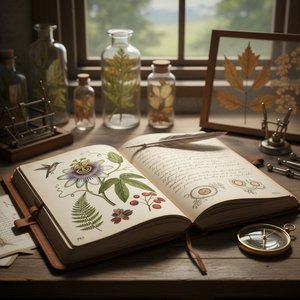
Titian Ramsay Peale II: A Legacy of Botanical Precision & Artistic Innovation
Explore the life & art of Titian Ramsay Peale II, a master of botanical precision and wildlife painting. Discover his legacy bridging art & natural history at OriginalUniqueArt.
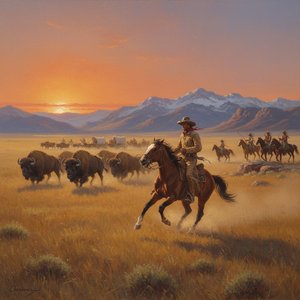
Charles Marion Russell: Capturing the American West Through a Romantic Lens
Explore the captivating world of Charles Marion Russell, 'the cowboy artist.' Discover his life, iconic paintings, advocacy for Native Americans, and investment potential. A guide for discerning art collectors.

Charles Bird King: Capturing Native American Dignity Through Portraiture & Cultural Exchange
Explore the captivating portraits of Charles Bird King, renowned for his depictions of Native American leaders. Discover the historical context, artistic techniques, and collecting value of these significant 19th-century artworks.

Charles Willson Peale: Portraiture, Enlightenment Ideals & Shaping American Identity
Explore the life & art of Charles Willson Peale – Revolutionary portraitist, scientist, and founder of America’s first museum. Discover his iconic paintings of Washington & the Enlightenment ideals that shaped a nation.

Benjamin West: Transatlantic Ambition & Shaping American Art
Explore the life & legacy of Benjamin West, pioneering American artist and Royal Academy president. Discover his Neoclassical masterpieces, transatlantic influence, and lasting impact on art history. Learn more at OriginalUniqueArt.

