Zobacz w skali 1:1
 Wyślij
 Udostępnij
 Szczegóły
 Przewodnik

 Pobierz plik obrazu
 Podobne obiekty
 RTG
RTG Pokaz slajdów
 Statystyki
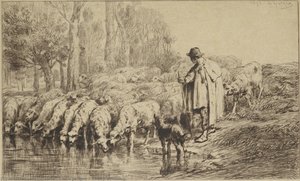
The Sheepfold
 Barbizon School
 1857
1857 46.0 x 92.0 cm
 Czytaj więcej
Ręcznie malowana reprodukcja olejowa
Ręcznie malowany obraz olejny na płótnie, wykonany na zamówienie przez naszych artystów w wybranym przez Ciebie wymiarze i oprawie. ( Przełącz na wersję drukowaną Przełącz na wersję cyfrową)




































Wybierz spośród naszych standardowych rozmiarów, które zachowują oryginalne proporcje dzieła sztuki.

Wpisz wymaganą szerokość i wysokość, aby obraz pasował do Twojej ramy lub ściany. Ponieważ jest to dzieło malowane ręcznie, w przypadku rozmiaru o innym proporcji artysta może domalować nieco więcej wokół obrazu lub przyciąć fragmenty — wybór należy do Ciebie. Przed rozpoczęciem pracy prześlemy Ci cyfrową wizualizację do zatwierdzenia. Obraz widoczny na tej stronie nie przedstawia rzeczywistego efektu — jedynie wizualizacja oddaje realny rezultat.
Po złożeniu zamówienia zespół OriginalUniqueArt.com skontaktuje się z klientem drogą mailową w celu uzyskania instrukcji i prześle wizualizację projektu
Dostawa na całym świecie () w ciągu 3–4 tygodni zamiast standardowych 5 tygodni. (24 Październik). Bez kompromisów w kwestii jakości.

Bezpłatna ekspresowa wysyłka na cały świat

Wysokiej jakości płótno lniane

Pełne ubezpieczenie transportowe

Gwarancja zwrotu należności celnych i podatków importowych

Gwarancja idealnego odwzorowania barw

100-dniowy okres na zwrot dzieła w przypadku wykrycia wad produkcyjnych

Gwarancja 100% zwrotu pieniędzy

Oferta przy zakupie wielu sztuk
 Opcja ze szkłem jest dostępna wyłącznie w rozmiarach poniżej 110 cm

The Sheepfold
Technika wykonania
Rozmiar reprodukcji
-


Suma do zapłaty
zł 1151
Pytania i odpowiedzi
Czy kolory w „The Sheepfold” autorstwa Charles-Émile Jacque są nasycone czy stonowane?
Dzieło „The Sheepfold” autorstwa Charles-Émile Jacque zostało utrwalone z Subtle Color nasyceniem kolorów.
Jaka jest kolorystyka dzieła „The Sheepfold” autorstwa Charles-Émile Jacque?
Kolorystyka dzieła „The Sheepfold” autorstwa Charles-Émile Jacque: paleta Earthy, w której dominuje Espresso (#583b1c).
Jak kolory w dziele "The Sheepfold" współgrają ze sobą?
Harmonia kolorystyczna dzieła "The Sheepfold" została określona jako Unified Palette.
Biografia artysty
Życie zakorzenione we francuskiej wsi
Charles-Émile Jacque, urodzony w Paryżu w 1813 roku, nie był przeznaczony do konwencjonalnej ścieżki artystycznej. Jego wczesne lata przybrały niespodziewany obrót wraz z siedmioletnią służbą w armii francuskiej. Jednak nawet w rygorystycznych strukturach życia wojskowego jego wrodzony talent znalazł ujście – początkowo nie poprzez malarstwo, lecz dzięki skrupulatnej umiejętności grawerowania map. To fundamentalne szkolenie, wymagające precyz𝗼ji i uważnej obserwacji, okazało się zaskakująco kluczowe dla jego późniejszych dokonań artystycznych, zaszczepiając w nim oddanie detalom, które stały się znakiem rozpoznawczym jego twórczości. Był to nieprawdopodobny początek dla malarza, który miał stać się synonimem idyllicznego piękna wiejskiej Francji, lecz świadczy to o niezwykłej zdolności adaptacji i wewnętrznym artyzmie Jacque’a. Po opuszczeniu armii przez krótki czas zajmował się ilustracją i karykaturą, przyczyniając się do rozwoju paryskich czasopism, zanim odnalazł swoje prawdziwe powołanie w świecie akwaforty i malarstwa.Przyjęcie idei Barbizon i pasterskiej wizji
Połowa XIX wieku przyniosła Jacque’owi przyciąganie przez Barbizon – małą wioskę, która miała stać się epicentrum rewolucyjnego ruchu artystycznego. Uciekając przed epidemiami cholery trawiącymi Paryż, dołączył do Jean-François Millet i innych artystów o podobnych poglądach, szukających inspiracji bezpośrednio w naturze. Był to decydujący zwrot od konwencji akademickich w stronę bardziej szczerego, realistycznego przedstawiania życia. Jacque z całego serca przyjął to nowe podejście, poświęcając się chwytaniu esencji wiejskiej egzystencji – cichej godności pasterzy doglądających swoich stad, łagodnego rytmu pracy na roli oraz prostej piękna zwierząt hodowlanych na skąpanych w słońcu polach. Jego obrazy nie były jedynie przedstawieniami scen; były przesiąknięte głębokim poczuciem spokoju i harmonii, odzwierciedlającym głęboki podziw dla świata przyrody. Nie tyle malował owce czy stodoły, co przekazywał uczucie, atmosferę – czci dla pasterskiego życia, która głęboko rezonowała z odbiorcami.Mistrz wielu mediów: Malarstwo i grafika
Artystyczny kunszt Jacque’a wykraczał daleko poza malarstwo. Zyskał sławę jako mistrz akwaforty i grawer, przywracając techniki XVII wieku i przesuwając granice grafiki warsztatowej. Jego miedzioryty były wychwalane za śmiałość i przemyślaną tematykę, co przyniosło mu uznanie krytyków, takich jak Charles Baudelaire. Henri Béraldi wyróżnił dwa odrębne okresy w twórczości graficznej Jacque’a: wczesną fazę inspirowaną holenderskimi winietami, charakteryzującą się spontanicznością, oraz późniejszy okres naznaczony większymi, bardziej szczegółowymi płytami, demonstrującymi niezwykłą precyzję rzemieślniczą. Ta podwójna biegłość – zarówno pędzla, jak i rylca – pozwoliła mu dotrzeć do szerszej publiczności i ugruntować reputację znaczącej postaci w świecie sztuki. Nie postrzegał malarstwa i grafiki jako odrębnych dyscyplin, lecz jako komplementarne drogi wyrażania swojej wizji artystycznej. Jego ilustracje do klasyki literatury, w tym edycje Kustosza z Wakefield Goldsmitha oraz Malowniczej Grecji Wordswortha, dodatkowo ukazały jego wszechstronność i talent.Dziedzictwo i trwały wpływ
Charles-Émile Jacque zmarł w 1894 roku, pozostawiając po sobie bogate dziedzictwo artystyczne, które do dziś zachwyca widzów. Odegrał kluczową rolę w kształtowaniu rozwoju realizmu we francuskiej sztuce, torując drogę przyszłym pokolom artystów pragnących przedstawiać życie z uczciwością i wrażliwością. Jego oddanie w portretowaniu wiejskiego życia wyniosło malarstwo gatunkowe – sceny z codziennego bytowania – na pozycję dominującą w krajobrazie artystycznym.- Pionier odrodzenia akwaforty: Przywrócenie przez Jacque’a technik akwafortowych z XVII wieku znacząco wpłynęło na rozwój grafiki.
- Wpływ na Millet: Jego wczesna twórczość i miedzioryty wywarły głęboki wpływ na jego przyjaciela, artystę szkoły Barbizon, Jean-François Millet.
- Obrońca życia wiejskiego: Uwiecznił piękno i godność francuskiej wsi, tworząc trwały zapis wizualny zanikającego sposobu istnienia.

Charles-Émile Jacque
1813 - 1894 , Francja
Najważniejsze informacje
- Artistic Movement Or Style: Szkoła Barbizon
- Artists Or Movements Influenced By This Artist: ['Realizm']
- Artists Who Influenced This Artist: ['Adriaen van Ostade']
- Date Of Birth: 1813
- Date Of Death: 1894
- Full Name: Charles-Émile Jacque
- Nationality: Francuz
- Notable Artworks:
- Mały niebieski chłopiec
- Owczarnia
- Pasterka
- Place Of Birth: Paryż, Francja
Zobacz także powiązane artykuły
The Barbizon School: A Professional Guide to Naturalism and Landscape Mastery for Interior Designers
Explore the Barbizon School's mastery of naturalism. An expert guide for hotel designers and procurement managers on sourcing high-quality landscape reproductions to elevate hospitality and corporate interiors with authentic, large-scale fine art solutions.
Szkoła z Barbizon: Narodziny Realizmu i Pastoralna Wizja w Malarstwie Francuskim XIX Wieku
Poznaj historię Szkoły z Barbizon – przełomowego ruchu artystycznego XIX wieku, który zrewolucjonizował malarstwo krajobrazowe. Analiza twórczości barbizończyków, ich wpływ na realizm i impresjonizm. Ekspercka analiza OriginalUniqueArt.

Szkoła Haska: Realizm, Atmosfera i Świt Holenderskiego Impresjonizmu – Przewodnik dla Koneserów Sztuki
Poznaj fascynującą historię Szkoły Haskiej – przełomowego ruchu artystycznego łączącego realizm z impresjonizmem. Analiza kluczowych artystów, atmosfery i wpływu na holenderską sztukę. Ekskluzywny przewodnik dla koneserów.
Charles-François Daubigny: Pioneering Atmospheric Light & Barbizon Realism
Explore the life & art of Charles-François Daubigny, a pivotal Barbizon School painter. Discover his innovative landscapes, mastery of light, and influence on Impressionism. High-quality reproductions available.
The Barbizon School: The Soulful Origins of Impressionism's Natural Light and Atmospheric Mastery
Discover the profound influence of the Barbizon School on Impressionism. Explore how these masters captured natural light and atmospheric beauty through plein air painting, paving the way for Monet and Renoir. A journey into the soulful origins of landscape art history.