Podgląd w skali 1:1
 Wyślij jako kartkę
 Udostępnij
 Szczegóły dzieła
 Przewodnik

 Pobierz obraz
 Podobne obiekty
 RTG
RTG Pokaz slajdów
 Pytania i odpowiedzi
 Statystyki
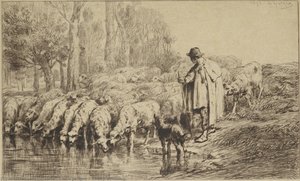
Return to the Fold

- 81.0 x 64.0 cm


 Rozwiń treść
Giclée / Wydruk artystyczny
Wydruki giclée lub płótna o jakości muzealnej, szybka realizacja i szeroki wybór opcji wykończenia. ( Zamów ręcznie malowaną reprodukcję Przejdź do wersji cyfrowej)




P118B zł10

P118H zł10

P118W zł10

P438Z zł10

P508JH zł12

P508YH zł12

P805H zł10

P805Z zł10

P919BZ zł10

P919G zł10

P919XJ zł10

P959ZH zł10

P968JZ zł12

W106C zł8

W218G zł10

W218JH zł8

W218Y zł10

W307PJ zł10

W316G zł10

W316PJ zł8

W316Y zł10

W398PJ zł8

W4111J zł10

W500HY zł15

W500JH zł15

W692G zł12

W849H zł8

W940BG zł15

W953PJ zł8




Wybierz spośród naszych standardowych rozmiarów, które zachowują oryginalne proporcje dzieła sztuki.

Wpisz wymaganą szerokość i wysokość, aby dopasować grafikę do ramy lub ściany. Wydruk można jedynie przyciąć, nigdy nie powiększając go poza oryginalny obraz, dlatego format o innych proporcjach spowoduje utratę części kompozycji. Przed rozpoczęciem druku prześlemy Ci cyfrowy podgląd do zatwierdzenia. Obraz wyświetlany na tej stronie nie pokazuje rzeczywistego przycięcia — jedynie podgląd oddaje ten efekt.
Dostawa na cały świat () w ciągu 2 tygodni zamiast standardowych 4/5 tygodni. (16 Listopad)

Bezpłatna ekspresowa wysyłka na cały świat

Wysokiej jakości płótno lniane

Pełne ubezpieczenie przesyłki

Gwarancja zwrotu należności celnych i podatków importowych

Gwarancja wiernego odwzorowania kolorów

100-dniowa polityka zwrotów (tylko w przypadku wad)

Gwarancja 100% zwrotu pieniędzy

Zniżka przy zakupie wielu sztuk
 Opcja ze szkłem jest dostępna wyłącznie w rozmiarach poniżej 110 cm

Return to the Fold
Giclée / Wydruk artystyczny
Wymiary reprodukcji
-


Cena całkowita
zł 315
A Pastoral Symphony in Oil
In the quietude of the French countryside, where the boundaries between man and nature blur into a singular, peaceful existence, Charles-Émile Jacque captures a moment of profound serenity. Return to the Fold is not merely a depiction of agricultural labor; it is an evocative window into the soul of the Barbizon school. The painting presents a tender scene of a shepherd tending to his flock as they congregate near the threshold of a rustic barn. Through masterful brushwork, Jacque invites the viewer to step away from the frantic pace of modern life and enter a realm where the only clock is the setting sun and the only rhythm is the gentle movement of grazing sheep.
The composition is anchored by the rhythmic presence of at least thirteen sheep, their soft forms scattered across the foreground and middle ground. Some huddle close to the shepherd, seeking the warmth of his guidance, while others linger in the distance, lost in the verdant landscape. This arrangement creates a deep sense of spatial continuity, drawing the eye from the textured details of the woolly fleece to the weathered wood of the barn. The artist’s background in map engraving is subtly evident here; there is an unmistakable precision in how he maps out the topography of the scene, ensuring that every element—from the heavy shadows of the doorway to the light catching the backs of the animals—contributes to a balanced and harmonious whole.
The Legacy of Barbizon and Plein Air Mastery
To understand the emotional weight of this piece, one must look to the historical movement that birthed it. During the mid-19th century, as the industrial revolution began to shroud cities in soot, artists like Jacque sought refuge in the Forest of Fontainebleau. This dedication to plein air painting—working directly in the open air—allowed for a revolutionary capture of light and atmosphere. In Return to the Fold, we see the fruits of this movement: a palpable sense of humidity, the shifting weight of shadows, and the fleeting nuances of a landscape caught in transition.
Jacque’s technique avoids the rigid formality of academic art, opting instead for a more organic, tactile approach. The oil on canvas medium allows for a rich layering of tones that mimics the earthy palette of the French countryside. For the collector or interior designer, this artwork offers more than just visual beauty; it provides an atmospheric anchor. Whether placed in a sun-drenched library or a sophisticated contemporary living space, the painting’s warm, golden undertones and its connection to the natural world evoke a sense of timelessness and stability.
An Invitation to Tranquility
Beyond its technical brilliance, the painting serves as a symbolic meditation on stewardship and belonging. The title itself suggests a homecoming, a return to a simpler, more fundamental way of life. There is a deep-seated emotional resonance in the shepherd’s quiet vigil, a reminder of the symbiotic relationship between humanity and the earth. This sense of peace makes the piece an ideal selection for those looking to curate an environment of calm and contemplation.
For those seeking a high-quality reproduction, this work stands as a testament to the enduring power of the pastoral genre. It is a piece that does not demand attention through loud colors or jarring subjects, but rather earns it through a quiet, persistent grace. Owning such a work is an opportunity to bring a fragment of the French landscape into one's personal sanctuary, fostering a permanent connection to the tranquil beauty of the natural world.
Pytania i odpowiedzi
Czy "Return to the Fold" charakteryzuje się silnym kontrastem światłocienia?
„Return to the Fold” – Charles-Émile Jacque prezentuje Statement kontrast między jasnymi a ciemnymi partiami dzieła.
Z czego wynika obecny status praw autorskich dzieła "Return to the Fold"?
„Return to the Fold” – Charles-Émile Jacque jest należy do domeny publicznej – autorskie prawa majątkowe wygasły. Okres ochrony praw autorskich liczony jest od śmierci artysty, która nastąpiła w 1894.
Gdzie najlepiej eksponować dzieło „Return to the Fold” w formacie Portrait?
Dzięki formatowi Portrait, reprodukcja dzieła „Return to the Fold” idealnie sprawdzi się w Living Room.
Biografia artysty
Życie zakorzenione we francuskiej wsi
Charles-Émile Jacque, urodzony w Paryżu w 1813 roku, nie był przeznaczony do konwencjonalnej ścieżki artystycznej. Jego wczesne lata przybrały niespodziewany obrót wraz z siedmioletnią służbą w armii francuskiej. Jednak nawet w rygorystycznych strukturach życia wojskowego jego wrodzony talent znalazł ujście – początkowo nie poprzez malarstwo, lecz dzięki skrupulatnej umiejętności grawerowania map. To fundamentalne szkolenie, wymagające precyz𝗼ji i uważnej obserwacji, okazało się zaskakująco kluczowe dla jego późniejszych dokonań artystycznych, zaszczepiając w nim oddanie detalom, które stały się znakiem rozpoznawczym jego twórczości. Był to nieprawdopodobny początek dla malarza, który miał stać się synonimem idyllicznego piękna wiejskiej Francji, lecz świadczy to o niezwykłej zdolności adaptacji i wewnętrznym artyzmie Jacque’a. Po opuszczeniu armii przez krótki czas zajmował się ilustracją i karykaturą, przyczyniając się do rozwoju paryskich czasopism, zanim odnalazł swoje prawdziwe powołanie w świecie akwaforty i malarstwa.Przyjęcie idei Barbizon i pasterskiej wizji
Połowa XIX wieku przyniosła Jacque’owi przyciąganie przez Barbizon – małą wioskę, która miała stać się epicentrum rewolucyjnego ruchu artystycznego. Uciekając przed epidemiami cholery trawiącymi Paryż, dołączył do Jean-François Millet i innych artystów o podobnych poglądach, szukających inspiracji bezpośrednio w naturze. Był to decydujący zwrot od konwencji akademickich w stronę bardziej szczerego, realistycznego przedstawiania życia. Jacque z całego serca przyjął to nowe podejście, poświęcając się chwytaniu esencji wiejskiej egzystencji – cichej godności pasterzy doglądających swoich stad, łagodnego rytmu pracy na roli oraz prostej piękna zwierząt hodowlanych na skąpanych w słońcu polach. Jego obrazy nie były jedynie przedstawieniami scen; były przesiąknięte głębokim poczuciem spokoju i harmonii, odzwierciedlającym głęboki podziw dla świata przyrody. Nie tyle malował owce czy stodoły, co przekazywał uczucie, atmosferę – czci dla pasterskiego życia, która głęboko rezonowała z odbiorcami.Mistrz wielu mediów: Malarstwo i grafika
Artystyczny kunszt Jacque’a wykraczał daleko poza malarstwo. Zyskał sławę jako mistrz akwaforty i grawer, przywracając techniki XVII wieku i przesuwając granice grafiki warsztatowej. Jego miedzioryty były wychwalane za śmiałość i przemyślaną tematykę, co przyniosło mu uznanie krytyków, takich jak Charles Baudelaire. Henri Béraldi wyróżnił dwa odrębne okresy w twórczości graficznej Jacque’a: wczesną fazę inspirowaną holenderskimi winietami, charakteryzującą się spontanicznością, oraz późniejszy okres naznaczony większymi, bardziej szczegółowymi płytami, demonstrującymi niezwykłą precyzję rzemieślniczą. Ta podwójna biegłość – zarówno pędzla, jak i rylca – pozwoliła mu dotrzeć do szerszej publiczności i ugruntować reputację znaczącej postaci w świecie sztuki. Nie postrzegał malarstwa i grafiki jako odrębnych dyscyplin, lecz jako komplementarne drogi wyrażania swojej wizji artystycznej. Jego ilustracje do klasyki literatury, w tym edycje Kustosza z Wakefield Goldsmitha oraz Malowniczej Grecji Wordswortha, dodatkowo ukazały jego wszechstronność i talent.Dziedzictwo i trwały wpływ
Charles-Émile Jacque zmarł w 1894 roku, pozostawiając po sobie bogate dziedzictwo artystyczne, które do dziś zachwyca widzów. Odegrał kluczową rolę w kształtowaniu rozwoju realizmu we francuskiej sztuce, torując drogę przyszłym pokolom artystów pragnących przedstawiać życie z uczciwością i wrażliwością. Jego oddanie w portretowaniu wiejskiego życia wyniosło malarstwo gatunkowe – sceny z codziennego bytowania – na pozycję dominującą w krajobrazie artystycznym.- Pionier odrodzenia akwaforty: Przywrócenie przez Jacque’a technik akwafortowych z XVII wieku znacząco wpłynęło na rozwój grafiki.
- Wpływ na Millet: Jego wczesna twórczość i miedzioryty wywarły głęboki wpływ na jego przyjaciela, artystę szkoły Barbizon, Jean-François Millet.
- Obrońca życia wiejskiego: Uwiecznił piękno i godność francuskiej wsi, tworząc trwały zapis wizualny zanikającego sposobu istnienia.

Charles-Émile Jacque
1813 - 1894 , Francja
Krótka nota
- Artistic Movement Or Style: Szkoła Barbizon
- Artists Or Movements Influenced By This Artist: ['Realizm']
- Artists Who Influenced This Artist: ['Adriaen van Ostade']
- Date Of Birth: 1813
- Date Of Death: 1894
- Full Name: Charles-Émile Jacque
- Nationality: Francuz
- Notable Artworks:
- Mały niebieski chłopiec
- Owczarnia
- Pasterka
- Place Of Birth: Paryż, Francja
Powiązane artykuły

Spokój i Harmonia w Sztuce: Analiza Estetyki Obrazów Odbijających Stan Wewnętrznego Spokoju
Odkryj sztukę spokoju! Analizujemy estetykę obrazów symbolicznych i pejzażowych, które budzą harmonię i relaks. Znajdź idealne dzieło dla swojego wnętrza z OriginalUniqueArt.

Bovines in Brushstrokes: Capturing the Peaceful Spirit of Pastoral Art
Explore the mastery of pastoral art through Munnings and Cole. Discover the soul of the landscape today.

The Quietude of the Earth: Observing the Pastoral Tradition in Classical Landscape Art
Explore the evolution of pastoral landscapes from Titian to Impressionism with expert analysis. Discover the beauty of classical art today.

The Open Air Revolution: How En Plein Air Redefined the Impressionist Landscape
Discover how en plein air techniques revolutionized Impressionist light and landscape painting. Explore this artistic evolution now.

Szkoła z Barbizon: Narodziny Realizmu i Pastoralna Wizja w Malarstwie Francuskim XIX Wieku
Poznaj historię Szkoły z Barbizon – przełomowego ruchu artystycznego XIX wieku, który zrewolucjonizował malarstwo krajobrazowe. Analiza twórczości barbizończyków, ich wpływ na realizm i impresjonizm. Ekspercka analiza OriginalUniqueArt.