Zobacz w skali 1:1
 Wyślij
 Udostępnij
 Szczegóły
 Przewodnik

 Pobierz plik obrazu
 Podobne obiekty
 RTG
RTG Pokaz slajdów
 Statystyki
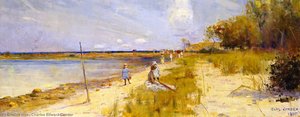
Windy Day at Brighton


 Czytaj więcej
Ręcznie malowana reprodukcja olejowa
Ręcznie malowany obraz olejny na płótnie, wykonany na zamówienie przez naszych artystów w wybranym przez Ciebie wymiarze i oprawie. ( Przełącz na wersję drukowaną Przełącz na wersję cyfrową)




P118B $10

P118H $10

P118W $10

P438Z $10

P508JH $12

P508YH $12

P805H $10

P805Z $10

P919BZ $10

P919G $10

P919XJ $10

P959ZH $10

P968JZ $12

W106C $8

W218G $10

W218JH $8

W218Y $10

W307PJ $10

W316G $10

W316PJ $8

W316Y $10

W398PJ $8

W4111J $10

W500HY $15

W500JH $15

W692G $12

W849H $8

W940BG $15

W953PJ $8




Wybierz spośród naszych standardowych rozmiarów, które zachowują oryginalne proporcje dzieła sztuki.

Możesz wprowadzić własne wymiary, aby dopasować obraz do konkretnej ramy lub przestrzeni. Jeśli wybrany rozmiar nie będzie odpowiadał proporcjom oryginału, przytniecie dzieło sztuki lub rozszerzymy je o dodatkowe elementy, ręcznie domalowane przez artystę. Przed rozpoczęciem produkcji wyślemy projekt cyfrowy do Twojej akceptacji.
Należy pamiętać, że podgląd na ekranie nie odzwierciedla rzeczywistego przycinania ani rozszerzania obrazu. Tylko projekt dokładnie pokaże ostateczną kompozycję.
Choć oferujemy możliwość zamówienia niestandardowych rozmiarów, zalecamy wybór wymiaru z gotowej listy, aby zachować oryginalne proporcje dzieła.
Po złożeniu zamówienia zespół OriginalUniqueArt.com skontaktuje się z klientem drogą mailową w celu uzyskania instrukcji i prześle wizualizację projektu
Dostawa na całym świecie () w ciągu 3–4 tygodni zamiast standardowych 5 tygodni. (25 Wrzesień). Bez kompromisów w kwestii jakości.

Bezpłatna ekspresowa wysyłka na cały świat

Wysokiej jakości płótno lniane

Pełne ubezpieczenie transportowe

Gwarancja zwrotu należności celnych i podatków importowych

Gwarancja idealnego odwzorowania barw

100-dniowy okres na zwrot dzieła w przypadku wykrycia wad produkcyjnych

Gwarancja 100% zwrotu pieniędzy

Oferta przy zakupie wielu sztuk
 Opcja ze szkłem jest dostępna wyłącznie w rozmiarach poniżej 110 cm

Windy Day at Brighton
Technika wykonania
Rozmiar reprodukcji
-


Suma do zapłaty
$ 300
Windy Day at Brighton – A Masterpiece of Impressionistic Seaside Tranquility
“Windy Day at Brighton” by Charles Edward Conder stands as a testament to the burgeoning Impressionist movement in Britain during the early 20th century. Created in 1905 and currently residing within the prestigious Tate Gallery in London, this painting transcends mere depiction; it captures a fleeting moment of beauty—a breezy afternoon spent on Brighton Beach.
Artist’s Style and Inspiration: Conder's artistic vision was firmly rooted in Impressionism. Influenced by artists like Claude Monet and Pierre-Auguste Renoir, he eschewed meticulous detail for capturing the ephemeral qualities of light and atmosphere. The soft brushstrokes characteristic of his style—almost hesitant yet purposeful—are immediately apparent upon viewing the canvas. These delicate marks blend seamlessly to create a hazy luminescence that dominates the scene, mirroring the diffused sunlight filtering through the overcast sky.
- Technique: Conder employed oil paint on canvas, utilizing layering and glazing techniques to achieve remarkable depth and vibrancy. The artist skillfully manipulated color palettes—primarily muted blues, greens, and ochres—to convey the mood of a windy day.
- Composition: The painting’s composition is thoughtfully balanced, featuring figures strolling along the shore amidst the gentle sway of palm trees. A horse-drawn carriage adds an element of Victorian grandeur to the coastal landscape.
- Light and Shadow: Conder's masterful use of light and shadow—particularly evident in the shading beneath umbrellas—creates a palpable sense of realism while simultaneously enhancing the painting’s emotional resonance.
Detailed Examination – Composition & Color Palette
The central figures, positioned prominently in the foreground, are bathed in dappled sunlight, highlighting their clothing and expressions. The artist's careful attention to detail—such as the folds of fabric and the subtle nuances of facial features—demonstrates Conder’s commitment to portraying human experience within a natural setting. Notice how the artist uses color to convey emotion; the cool blues and greens evoke tranquility, while warmer hues suggest warmth and vitality.
Furthermore, the inclusion of boats scattered across the water adds visual interest and reinforces the seaside atmosphere. The overall effect is one of serene contemplation—a celebration of beauty found in everyday life—reflecting the Impressionists’ fascination with capturing transient sensations.
Historical Context & Significance
“Windy Day at Brighton” emerged during a period of significant artistic experimentation in Britain, coinciding with the rise of the Heidelberg School. This group of artists sought inspiration from the landscapes of southern France, embracing plein air painting—working outdoors directly onto canvas—to capture the immediacy of nature. Conder’s contribution to this movement solidified his reputation as one of Britain's foremost Impressionists.
The Tate Gallery’s acquisition of “Windy Day at Brighton” underscores its enduring artistic merit and its place within British art history. It serves as a captivating reminder of the power of Impressionism to transform ordinary scenes into extraordinary expressions of emotion and beauty.
Own a Piece of Art History
At OriginalUniqueArt.com, we offer meticulously crafted oil painting reproductions of “Windy Day at Brighton,” allowing you to bring this iconic artwork into your home or office. Our skilled artisans utilize archival-quality materials and techniques to faithfully recreate Conder’s original vision, ensuring that every brushstroke retains its vibrancy and nuance.
Visit OriginalUniqueArt.com today to explore our collection and discover the perfect reproduction for your discerning taste!
Biografia artysty
Early Life and Artistic Journey
Charles Edward Conder (1868 – 1909) was an English-born painter, lithographer and designer who emigrated to Australia and became a pivotal figure in the Heidelberg School*, arguably marking the genesis of a distinctive Australian tradition within Western art. Born in Tottenham, Middlesex, on October 24, 1868, Conder’s formative years were shaped by his mother's untimely passing in India when he was merely four; he subsequently returned to England and attended several schools including Eastbourne Preparatory School from 1877. Despite his father’s inclination towards a civil engineering career—a path antithetical to Conder’s innate artistic inclinations—he pursued this profession nonetheless, recognizing the practical necessities of securing financial stability.Artistic Career in Australia
In 1884, at the age of 16, Conder ventured to Sydney, Australia, where he commenced employment with his uncle, a surveyor for the New South Wales government. However, he quickly discerned that surveying was not his true calling and gravitated towards drawing landscapes—a passion that would define much of his artistic output. By 1886, he secured a position as an artist for *Illustrated Sydney News*, collaborating alongside prominent artists such as Albert Henry Fullwood and Frank Mahony. This association fostered connections with fellow creatives like Julian Ashton and Tom Roberts, establishing him within the burgeoning Heidelberg School movement. His engagement with G. P. Nerli—an itinerant Italian painter who championed European artistic currents—significantly impacted his artistic evolution.The Heidelberg School and Notable Works
Conder’s magnum opus, *Departure of the Orient – Circular Quay* (1888), stands as a testament to his newfound mastery of form and brushwork. This evocative depiction of Sydney Harbour at the moment of the *Orient*'s departure for England captured the essence of the Heidelberg School's aesthetic—characterized by luminous color palettes and expressive handling of light—and swiftly garnered acclaim from the Art Gallery of New South Wales, securing its place as Conder’s inaugural work within a public collection. Alongside Roberts and Ashton, he participated in the Heidelberg School’s seminal exhibition in Melbourne, cementing his position as one of Australia's foremost Impressionist painters. His artistic endeavors extended beyond landscape painting; he produced captivating portraits and executed lithographs that showcased his versatility and technical prowess.Legacy and Later Life
Conder’s later years were marred by debilitating illness—primarily paralysis resulting from syphilis—which nonetheless spurred him to continue creating art until his untimely demise in 1909. Despite facing considerable physical challenges, Conder persevered in his artistic pursuits, leaving behind a legacy as an indispensable contributor to Australian Impressionism and cementing his place within the annals of art history. His paintings are prominently displayed at Tate Britain and the Art Gallery of New South Wales, serving as enduring reminders of his remarkable talent and contribution to the visual arts.
Charles Edward Conder
1868 - 1909 , Anglia
Najważniejsze informacje
- Artistic Movement Or Style: Heidelberg School
- Artists Who Influenced This Artist:
- Alfred Daplyn
- Victor Mann
- Julian Ashton
- Date Of Birth: October 24, 1868
- Date Of Death: February 9, 1909
- Full Name: Charles Edward Conder
- Nationality: British
- Notable Artworks:
- Departure of the Orient – Circular Quay
- A holiday at Mentone
- Under The Southern Sun
- Place Of Birth: Tottenham, United Kingdom
Zobacz także powiązane artykuły

10 Arcydzieł Impresjonizmu Krajobrazowego: Sztuka, Artyści i Dekoracje Wnetrz
Odkryj 10 arcydzieł impresjonizmu krajobrazowego! Poznaj historie Monet, Renoir i innych mistrzów. Inspiracje wnętrzarskie, techniki malarskie i reprodukcje obrazów najwyższej jakości na OriginalUniqueArt.com. Eksploruj pełną kolekcję online!
Edward Hopper: 25 Arcydzieł Malarstwa Pełnych Emocji i Amerykańskiej Duszy | OriginalUniqueArt.com
Odkryj 25 arcydzieł Edwarda Hoppera – malarstwa pełnych samotności, realizmu i amerykańskiej duszy. Poznaj historie kultowych obrazów, inspiracje wnętrzarskie i wyjątkową atmosferę jego dzieł. Reprodukcje najwyższej jakości na OriginalUniqueArt.com

Impressionistic Realism's Finest: 10 Masterpieces for Your Home | OriginalUniqueArt
Journey through Impressionistic Realism with 10 iconic masterpieces by Monet, Renoir & Van Gogh. Explore art history, techniques & find museum-quality reproductions for your home at OriginalUniqueArt.com. Discover all masterpieces online!

10 Arcydzieł Impresjonizmu Krajobrazowego, Które Zdefiniowały Sztukę
Odkryj 10 arcydzieł impresjonizmu krajobrazowego! Poznaj historie Moneta, Renoir'a i Van Gogha. Inspiracje wnętrzarskie, techniki malarskie i piękne reprodukcje obrazów na OriginalUniqueArt.com. Eksploruj kolekcję online!
Capturing Light: A Masterclass in the Ethereal Beauty of Impressionistic Landscapes
Explore the ethereal beauty of Impressionist landscapes. Discover how masters like Monet captured fleeting light through color and texture, and learn to curate these timeless, luminous masterpieces for your home collection.