
 Zobacz w skali 1:1
 Wyślij
 Udostępnij
 Szczegóły
 Przewodnik

 Pobierz plik obrazu
 Podobne obiekty
 RTG
RTG Pokaz slajdów
 Statystyki
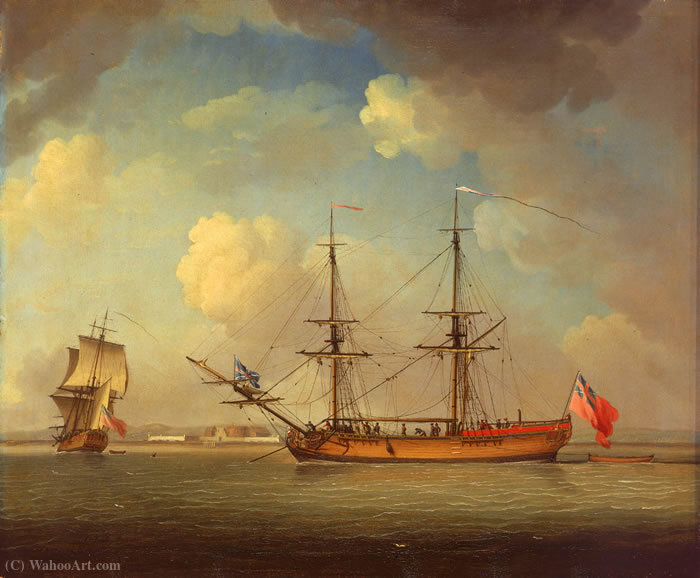
A naval snow
 Czytaj więcej
Giclée / Wydruk artystyczny
Wydruki giclée lub płótna o jakości muzealnej, szybka realizacja i szeroki wybór opcji wykończenia. ( Kup ręcznie malowany obraz Przełącz na wersję cyfrową)




































Wybierz spośród naszych standardowych rozmiarów, które zachowują oryginalne proporcje dzieła sztuki.

Możesz wprowadzić własne wymiary, aby dopasować dzieło do konkretnej ramy lub przestrzeni. Jeśli wybrany rozmiar nie będzie odpowiadał proporcjom oryginalnego obrazu, przytniecie dzieło lub rozszerzymy obraz za pomocą odbicia lustrzanego lub jednolitego wypełnienia krawędzi. Przed rozpoczęciem produkcji prześlemy cyfrową wizualizację do Twojej akceptacji.
Prosimy pamiętać, że podgląd na ekranie nie odzwierciedla faktycznego przycinania ani rozszerzania. Tylko wizualizacja dokładnie pokaże końcową kompozycję.
Mimo dostępności niestandardowych rozmiarów, zalecamy wybór wymiaru z listy zdefiniowanej, aby zachować oryginalne proporcje.
Dostawa na cały świat () w ciągu 2 tygodni zamiast standardowych 4/5 tygodni. (25 Wrzesień)

Bezpłatna ekspresowa wysyłka na cały świat

Wysokiej jakości płótno lniane

Pełne ubezpieczenie transportowe

Gwarancja zwrotu należności celnych i podatków importowych

Gwarancja idealnego odwzorowania barw

100-dniowy okres na zwrot dzieła w przypadku wykrycia wad produkcyjnych

Gwarancja 100% zwrotu pieniędzy

Oferta przy zakupie wielu sztuk
 Opcja ze szkłem jest dostępna wyłącznie w rozmiarach poniżej 110 cm

A naval snow
Giclée / Wydruk artystyczny
Rozmiar reprodukcji
-


Suma do zapłaty
$ 80
Biografia artysty
Charles Brooking: A Pioneer of Naval Romanticism
Charles Brooking (1723 – 1759) stands as a pivotal figure in the burgeoning field of marine painting during the mid-18th century, marking a significant transition from academic tradition to the expressive dynamism that would characterize Romantic art. Born in England, his artistic journey unfolded against the backdrop of Britain’s imperial ambitions and naval prowess, shaping him into one of the foremost practitioners of depicting maritime life with unprecedented realism and emotional intensity.Early Life and Apprenticeship
Little is known definitively about Brooking's formative years beyond documented evidence suggesting he was born in London. His father, Charles Brooking Sr., a skilled painter and decorator employed by Greenwich Hospital, instilled in him an early appreciation for visual arts and craftsmanship. Crucially, Brooking’s apprenticeship with his father at Greenwich Hospital provided invaluable experience—a cornerstone of his artistic education—and exposed him to the meticulous observation demanded by topographical painting. This formative period cemented his dedication to capturing accurate representations of ships and their surroundings. The influence of his father's workshop extended beyond mere technical skill; it fostered a profound understanding of how to translate visual perception into compelling artwork.The Foundling Hospital Commission and Artistic Breakthrough
Brooking’s career gained considerable momentum in 1754 when he was commissioned by the Foundling Hospital in London to create “A Flagship Before the Wind Under Easy Sail.” This monumental undertaking, undertaken at the behest of Treasurer Taylor White, catapulted him into public recognition and established his reputation as a master of maritime art. The commission necessitated collaboration with Peter Monamy, whose painting "Fleet in the Downs" served as inspiration—a testament to Brooking’s engagement with contemporary artistic trends. Furthermore, Dominic Serres, a fellow artist who briefly mentored Brooking, acknowledged Brooking's influence on his own style, highlighting the transmission of artistic techniques and sensibilities across generations. This partnership fostered innovation and broadened Brooking’s artistic horizons.Technique and Style: Realism Elevated
Brooking’s distinctive artistic approach distinguished him from many of his contemporaries. He championed meticulous observation—a hallmark of topographical painting—translating it into breathtakingly detailed depictions of naval vessels and their crews. Unlike some artists who prioritized idealized beauty, Brooking relentlessly pursued realism, meticulously rendering textures, lighting effects, and the turbulent conditions of sea voyages. His canvases pulsate with palpable energy, conveying not merely visual accuracy but also a profound emotional response to the grandeur and drama of maritime experience. The artist’s masterful use of oil paint—particularly his ability to capture shimmering reflections on water surfaces—became synonymous with the Romantic aesthetic. He achieved this remarkable feat through painstaking layering and blending, creating an illusion of depth and luminosity that captivated viewers.Legacy and Historical Significance
Despite his untimely death in 1759 at the age of 36 from consumption, Charles Brooking left an indelible mark on British art history. His “Flagship Before the Wind Under Easy Sail” remains a celebrated masterpiece, embodying the spirit of Romanticism’s fascination with nature and heroic endeavor. More broadly, Brooking's pioneering realism paved the way for subsequent generations of marine artists—establishing him as a foundational figure in shaping the visual language of naval art and contributing significantly to Britain’s artistic heritage. His work continues to inspire admiration for its technical brilliance and emotive power, securing his place among the most influential painters of his era. He is remembered not only for his stunning artwork but also for his contribution to elevating the standards of British painting during a period of immense cultural change.
charles brooking
1723 - 1759 , Anglia
Najważniejsze informacje
- Artistic Movement Or Style: Marine Painting
- Artists Or Movements Influenced By This Artist: ['Peter Monamy']
- Artists Who Influenced This Artist: ['Dominic Serres']
- Date Of Birth: 1723
- Full Name: Charles Brooking
- Nationality: Angielski
- Notable Artworks:
- A Cutter in a Strong Breeze
- Cutter Close Hauled in a Fresh Breeze, with Other Shipping
- Place Of Birth: Londyn