Rococo · 1762
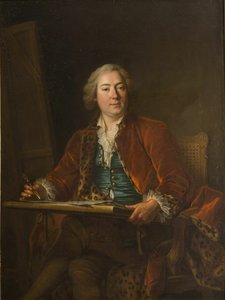
Self-Portrait (Charles André van Loo, 1762)
Charles André van Loo (1705–1765) stworzył Self-Portrait. Dzieło pochodzi z 1762. Należy do nurtu Rococo. Wykonano w technice Oil On Canvas. Przechowywane jest w Ermitaż w Sankt Petersburg, Rosja. Wymiary to 88 × 72 cm.
- 1762
- Oil On Canvas
- 88 × 72 cm
- Ermitaż, Sankt Petersburg

 Podgląd w skali 1:1

 Ręcznie malowany obraz olejny
 Wyślij jako kartkę
 Udostępnij
 Karta informacyjna


 Pobierz obraz
 Podobne obiekty
 RTG
 Pokaz slajdów
 Pytania i odpowiedzi

 Statystyki
Self-Portrait w skrócie
- Tytuł
- Self-Portrait
- Artysta
- Charles André van Loo (1705–1765)
- Miejsce urodzenia artysty
- Nicea, Francja
- Data powstania
- 1762
- Technika wykonania
- Oil On Canvas
- Wymiary
- 88 × 72 cm
- Gdzie można je zobaczyć
- Ermitaż, Sankt Petersburg, Rosja
- Ruch
- Rococo
- Temat
- portrait, self-portrait, rococo, dutch painting, 18th century, charles van loo
Co przedstawia Self-Portrait?
A Portrait of Inner Reflection: Charles-André van Loo’s “Self-Portrait”
The year 1762 witnessed a pivotal moment in the artistic landscape of France – the creation of Charles-André van Loo's "Self-Portrait." More than simply a likeness, this painting is a carefully constructed meditation on identity, status, and the burgeoning Rococo aesthetic. Van Loo, a key figure within his family’s esteemed dynasty of painters, presents himself not as a flamboyant courtier or a heroic warrior, but as a thoughtful observer, subtly imbued with an air of quiet contemplation. The portrait immediately draws the eye to the artist's direct gaze, a deliberate act of engagement that invites the viewer into a private moment.
Van Loo’s style is quintessential Rococo – characterized by its delicate brushwork, pastel hues, and an emphasis on elegant ornamentation. He employs a loose, almost impressionistic technique, favoring soft transitions between light and shadow to create a sense of atmospheric depth. The rich fabrics of his suit—a deep burgundy velvet accented with gold embroidery—speak volumes about his position within the French court, while the subtle details – the meticulously rendered lace collar, the gleaming sword on his side – reinforce this image of refined authority. Yet, it’s not merely a display of wealth; these elements are presented with an understated grace that suggests a considered awareness of their symbolic weight.
The Context of 18th-Century Portraiture
To fully appreciate “Self-Portrait,” one must understand the evolving context of portraiture during the mid-18th century. Following the grandeur of the Baroque period, artists began to shift towards a more intimate and psychologically nuanced approach. The rise of the middle class fueled demand for portraits, but royal patronage continued to shape artistic trends. Artists like Van Loo were tasked with capturing not just physical likenesses, but also conveying an individual’s character and social standing. Van Loo's self-portrait reflects this trend – it is a carefully crafted statement about his identity as both artist and member of the elite.
Interestingly, the portrait predates the widespread popularity of the self-portrait as a genre. While artists had occasionally depicted themselves in various roles throughout history, Van Loo’s work stands out for its directness and lack of theatricality. He avoids overtly dramatic poses or elaborate settings, opting instead for a simple, uncluttered composition that focuses entirely on his own image. This deliberate restraint speaks to the artist's confidence and self-awareness – he is not seeking to impress, but rather to present himself honestly.
Symbolism and Emotional Resonance
Beyond its technical merits, “Self-Portrait” is rich in symbolic detail. The sword, a traditional emblem of power and authority, suggests Van Loo’s role as a court painter – a position that demanded both artistic skill and political savvy. However, the sword is not brandished aggressively; it rests calmly on his hip, hinting at a measured approach to wielding influence. The background—a plain wall—further emphasizes the artist's focus on himself, creating an aura of introspection.
Perhaps most powerfully, the painting evokes a sense of quiet contemplation. Van Loo’s gaze is direct and unwavering, yet there is also a hint of melancholy in his expression. It’s as if he is reflecting on his own life, his work, and the complexities of his position within society. The subtle shading around his eyes and mouth contributes to this feeling of emotional depth, inviting the viewer to share in his private thoughts. The painting isn't merely a representation of a man; it’s an invitation into his inner world.
A Timeless Masterpiece: Reproduction Possibilities
Charles-André van Loo’s “Self-Portrait” remains a captivating work of art, offering a rare glimpse into the mind and soul of a prominent 18th-century artist. High-quality reproductions capture the delicate brushwork and nuanced color palette that define this masterpiece. Whether displayed in a formal salon or a contemporary living space, this portrait continues to resonate with viewers today, reminding us of the enduring power of self-reflection and artistic expression. OriginalUniqueArt offers meticulously crafted hand-painted reproductions, allowing you to bring this timeless work into your home.
W którym muzeum znajduje się Self-Portrait?
Ermitaż
Sankt Petersburg, Rosja
Początki i historia Ermitażu Historia Ermitażu bierze swój początek w 1764 roku, kiedy to świat sztuki wzbogacił się o niezwykłą kolekcję 225 obrazów, nabytych od berlińskiego kupca Johanna Ernsta Gotzkowsky’ego. To właśnie Katarzyna Wielka położyła fundamenty pod tę niezwykłą zbiorowość, nadając początek obecności muzeum w Sankt Petersburgu w Rosji. Te wczesne nabytki stały się jądrem, z którego wyrosło potężne i rozległe repozytorium zachodniej sztuki europejskiej.


Zdjęcia w wysokiej rozdzielczości dzieła Self-Portrait
Domena publiczna: artysta zmarł w 1765.
Charles André van Loo, Self-Portrait (1762), Ermitaż. Domena publiczna
Odpowiedzi na pytania dotyczące Self-Portrait
Gdzie można obecnie zobaczyć dzieło „Self-Portrait” – Charles André van Loo?
Oryginał dzieła „Self-Portrait” – Charles André van Loo znajduje się w Ermitaż, Sankt Petersburg, Rosja. Reprodukcja pozwala na eksponowanie pracy w domu.
W którym roku powstało dzieło „Self-Portrait” – Charles André van Loo?
Powstanie „Self-Portrait” – Charles André van Loo datuje się na 1762.
W jakiej technice wykonano „Self-Portrait” – Charles André van Loo?
Technika wykonania dzieła „Self-Portrait” – Charles André van Loo to Oil On Canvas. Reprodukcje mają na celu wierne oddanie wyglądu tej techniki.
Jakie są wymiary oryginału "Self-Portrait"?
Oryginalne wymiary dzieła „Self-Portrait” to 88 x 72 cm. Znajomość pierwotnej skali może być pomocna przy wyborze odpowiedniego rozmiaru reprodukcji.
Co przedstawia „Self-Portrait” – Charles André van Loo?
„Self-Portrait” – Charles André van Loo przedstawia: portrait, self-portrait, rococo, dutch painting, 18th century, charles van loo, mustache.
Czy obraz „Self-Portrait” – Charles André van Loo można swobodnie reprodukować?
Status praw autorskich dla „Self-Portrait” – Charles André van Loo: dzieło znajduje się w należy do domeny publicznej – autorskie prawa majątkowe wygasły. Określa to, czy reprodukcje obrazu mogą być sporządzane swobodnie.
Któremu artyście przypisuje się "Self-Portrait"?
„Self-Portrait” zostało stworzone przez Charles André van Loo. Informacje na tej stronie dotyczą oryginalnego dzieła autorstwa Charles André van Loo.
Do jakiego nurtu artystycznego należy „Self-Portrait” – Charles André van Loo?
„Self-Portrait” – Charles André van Loo należy do nurtu Rococo. Nurt ten stanowi stylistyczny kontekst dzieła.
Do którego okresu twórczości Charles André van Loo należy dzieło „Self-Portrait”?
"Self-Portrait" reprezentuje Mature Period twórczości Charles André van Loo.
O artyście: Charles André van Loo
1705–1765, Francja
Charles André van Loo
Wczesne lata i kształcenie Urodzony: 15 lutego 1705 r. w Nicei, Francja Pochodzenie: Syn Louisa-Abrahama van Loo i młodszy brat Jean-Baptiste van Loo; członek odnoszącej sukcesy dynastii malarzy niderlandzkich. Wczesna edukacja: Początkowe szkolenie w Turynie, a następnie studia w Rzymie (1romat 1712) pod okiem Benedetto Luti oraz Pierre Legrosa. Studia paryskie: Uczestnik Académie royale, zdobywca pierwszej nagrody w dziedzinie rysunku w 1723 roku oraz malarstwa historycznego w 1727 roku.
O Charles André van Loo Najważniejsze dzieła Charles André van Loo
Inne prace Charles André van Loo
 Spanish Concert (Spanish Сonversation)1754
 Aeneas Carrying Anchises1729
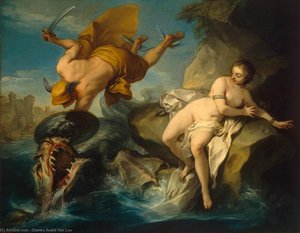 Perseus and Andromeda1735
 The sultana1747
Eseje o Self-Portrait
 Charles-André van Loo: A Study in Rococo Portraiture & the French Court's Artistic DynamicsExplore the elegant world of Charles-André van Loo, a master of Rococo portraiture at the French court. Discover his life, techniques, and …
 Trzy płótna, trzy emocje: Rola wyboru w kształtowaniu odbioru dzieła sztukiOdkryj fascynujący świat sztuki! Poznaj neuroestetyczne podstawy odbioru dzieł, wpływ kontekstu i techniki malarskiej na emocje. Analiza ob…
 Reflecting the Self: A History of Portraiture & Psychological InsightExplore the fascinating history of self-portraiture from Renaissance masters like Dürer & Rembrandt to modern interpretations. Discover the…