

 Zobacz w skali 1:1
 Wyślij
 Udostępnij
 Szczegóły
 Przewodnik

 Pobierz plik obrazu
 Podobne obiekty
 RTG
RTG Pokaz slajdów
 Statystyki
Nativity
 1751
1751 304.0 x 196.0 cm
 Musée Des Beaux
 Czytaj więcej
Ręcznie malowana reprodukcja olejowa
Ręcznie malowany obraz olejny na płótnie, wykonany na zamówienie przez naszych artystów w wybranym przez Ciebie wymiarze i oprawie. ( Przełącz na wersję drukowaną Przełącz na wersję cyfrową)




































Wybierz spośród naszych standardowych rozmiarów, które zachowują oryginalne proporcje dzieła sztuki.

Wpisz wymaganą szerokość i wysokość, aby obraz pasował do Twojej ramy lub ściany. Ponieważ jest to dzieło malowane ręcznie, w przypadku rozmiaru o innym proporcji artysta może domalować nieco więcej wokół obrazu lub przyciąć fragmenty — wybór należy do Ciebie. Przed rozpoczęciem pracy prześlemy Ci cyfrową wizualizację do zatwierdzenia. Obraz widoczny na tej stronie nie przedstawia rzeczywistego efektu — jedynie wizualizacja oddaje realny rezultat.
Po złożeniu zamówienia zespół OriginalUniqueArt.com skontaktuje się z klientem drogą mailową w celu uzyskania instrukcji i prześle wizualizację projektu
Dostawa na całym świecie () w ciągu 3–4 tygodni zamiast standardowych 5 tygodni. (20 Październik). Bez kompromisów w kwestii jakości.

Bezpłatna ekspresowa wysyłka na cały świat

Wysokiej jakości płótno lniane

Pełne ubezpieczenie transportowe

Gwarancja zwrotu należności celnych i podatków importowych

Gwarancja idealnego odwzorowania barw

100-dniowy okres na zwrot dzieła w przypadku wykrycia wad produkcyjnych

Gwarancja 100% zwrotu pieniędzy

Oferta przy zakupie wielu sztuk
 Opcja ze szkłem jest dostępna wyłącznie w rozmiarach poniżej 110 cm

Nativity
Technika wykonania
Rozmiar reprodukcji
-


Suma do zapłaty
zł 1141
Composition and Symbolism
The composition of the painting is characterized by a sense of harmony and balance, with the figures arranged in a circular pattern around the central figure of Jesus. The use of light and shadow creates a sense of depth and dimensionality, drawing the viewer's eye to the heart of the scene. The Nativity is a masterpiece of Baroque art, showcasing the artist's skill in capturing the essence of religious scenes. The painting features several symbolic elements, including the presence of angels, which represent the divine and the spiritual. The donkeys and other animals in the scene symbolize humility and simplicity. The clock visible in the top-right corner of the painting may represent the passage of time and the significance of the moment.Artist and Style
Charles-André Van Loo (Carle Van Loo) was a prominent French painter of the 18th century, known for his work in various genres, including history painting, portraiture, and genre scenes. His style is characterized by simplicity, correctness of design, and a sense of harmony and balance. The Nativity is a prime example of his ability to create beautiful and meaningful works of art. For more information on the artist and his work, visit /art/list/?Filter=AQTB33-Charles-Andre-Van-Loo-(Carle-Van-Loo)-Nativity or https://en.wikipedia.org/wiki/Charles-Andr%C3%A9_van_Loo. To explore more artworks by the artist, visit the Musée Des Beaux in Brest, Belarus, or discover hand-made oil painting reproductions at https://OriginalUniqueArt.com.Some of the notable works by Charles-André Van Loo (Carle Van Loo) include:
- The Marriage of the Virgin, preserved in the Louvre
- Nativity (study), housed in the Musée de Picardie in France
Pytania i odpowiedzi
W jakim układzie znajduje się „Nativity” autorstwa Charles André van Loo?
Format dzieła „Nativity” to Portrait. Jest to pomocna informacja podczas planowania miejsca, w którym zostanie umieszczona reprodukcja.
Czy mogę przyjrzeć się bliżej dziełu "Nativity"?
Strona Prześwietlenie dzieła „Nativity” autorstwa Charles André van Loo to interaktywny podgląd, który pozwala na przesuwanie jedenastu warstw optycznych obrazu, w tym widok w stylu rentgenowskim.
Gdzie mogę kupić cyfrowy obraz dzieła „Nativity” autorstwa Charles André van Loo?
„Nativity” jest dostępny jako wysokiej rozdzielczości cyfrowe zdjęcie do pobrania, można go nabyć bezpośrednio na stronie Obraz cyfrowy.
Biografia artysty
Wczesne lata i kształcenie
- Urodzony: 15 lutego 1705 r. w Nicei, Francja
- Pochodzenie: Syn Louisa-Abrahama van Loo i młodszy brat Jean-Baptiste van Loo; członek odnoszącej sukcesy dynastii malarzy niderlandzkich.
- Wczesna edukacja: Początkowe szkolenie w Turynie, a następnie studia w Rzymie (1romat 1712) pod okiem Benedetto Luti oraz Pierre Legrosa.
- Studia paryskie: Uczestnik Académie royale, zdobywca pierwszej nagrody w dziedzinie rysunku w 1723 roku oraz malarstwa historycznego w 1727 roku.
Kariera artystyczna i wybitne dzieła
- Styl: Przede wszystkim znany jako malarz rokoka, charakteryzujący się elegancją, gracją i bogactwem detali.
- Tematyka: Szeroki wachlarz tematów, obejmujący portrety, sceny mitologiczne, malarstwo historyczne, alegorie oraz sceny rodzajowe.
- Znaczące dzieła:
- Wenus i Amor (Kunsthalle Bremen) – demonstruje mistrzostwo stylu rokoko.
- Przystanek na polowaniu (The Metropolitan Museum of Art) – oddaje atmosferę arystokratycznych rozrywek.
- Portret Marii Leszczyńskiej, Królowej Francji – znamienity portret królewski.
- Jowisz i Antiope – ukazuje tematy mitologiczne.
- Autoportret – pozwala zajrzeć w głąb samoświadomości artysty.
- Perseusz i Andromeda (wiele wersji) – ilustruje umiejętność przedstawiania mitologii klasycznej.
- Mademoiselle Clairon jako Medea (mała wersja) – urzekający portret rokokowy z 1760 roku.
Mecenat i królewskie uznanie
- Mecenat królewski: Cieszył się protekcją Madame de Pompadour oraz dworu francuskiego.
- Order św. Michała: Odznaczony Orderem św. Michała, co stanowiło symbol królewskiej łaski.
Wpływy i dziedzictwo
- Wpływ rodziny: Silnie zainspirowany twórczością ojca i brata, obaj wybitni malarze.
- Rywalizacja: Rywalizował z François Boucherem, innym znaczącym artystą epoki rokoka.
- Nowoczesna szkoła francuska: Jego „prostota stylu i poprawność projektu” wywarły istotny wpływ na rozwój nowoczesnej szkoły malarstwa francuskiego.
- Losy krytyczne: Choć jego pozycja w oczach krytyków zmieniała się w czasie, kunszt i rozmach jego twórczości budzą nieustanny szacunek.
Kolekcje muzealne i dalsze zgłębianie tematu
- Obecność w muzeach: Jego dzieła znajdują się w najważniejszych muzeach świata, w tym w Luwrze (Małżeństwo Najświętszej Marii Panny), Kunsthalle Bremen oraz The Metropolitan Museum of Art.
- Dodatkowe zasoby:
- Strona Charles-André van Loo w OriginalUniqueArt: https://www.OriginalUniqueArt.com/artists/charles-andre-van-loo/
- Strona Największych Artystów Wszystkich Czasów w OriginalUniqueArt: https://www.OriginalUniqueArt.com/greatest-artists
- Wirtualne Muzeum OriginalUniqueArt: https://www.OriginalUniqueArt.com/
- Artykuł w Wikipedii: https://en.wikipedia.org/wiki/Charles-Andr%C3%A9_van_Loo
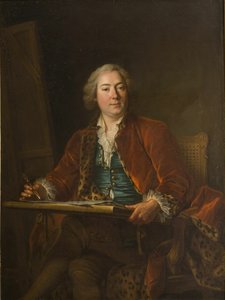
Charles André van Loo
1705 - 1765 , France
Najważniejsze informacje
- Full Name: Charles-André van Loo
- Nationality: French
- Date Of Birth: 1705
- Date Of Death: 1765
- Place Of Birth: Nice, France
- Notable Artworks:
- Venus and Amor
- Halt of the Hunt
- Portrait of Marie Leszczynska
- Jupiter and Antiope
- Self Portrait
- Perseus and Andromeda
- Artistic Movement Or Style: Rococo painting
- Artists Who Influenced This Artist:
- Benedetto Luti
- Pierre Le Gros
- Artists Or Movements Influenced By This Artist: ['Modern French school']


