

 Zobacz w skali 1:1
 Wyślij
 Udostępnij
 Szczegóły
 Przewodnik

 Pobierz plik obrazu
 Podobne obiekty
 RTG
RTG Pokaz slajdów
 Statystyki
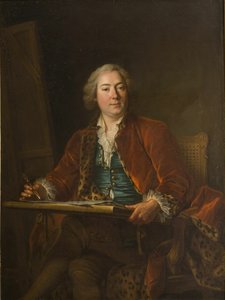
MARIE LECZINSKA


 Czytaj więcej
Giclée / Wydruk artystyczny
Wydruki giclée lub płótna o jakości muzealnej, szybka realizacja i szeroki wybór opcji wykończenia. ( Kup ręcznie malowany obraz Przełącz na wersję cyfrową)




P118B zł10

P118H zł10

P118W zł10

P438Z zł10

P508JH zł12

P508YH zł12

P805H zł10

P805Z zł10

P919BZ zł10

P919G zł10

P919XJ zł10

P959ZH zł10

P968JZ zł12

W106C zł8

W218G zł10

W218JH zł8

W218Y zł10

W307PJ zł10

W316G zł10

W316PJ zł8

W316Y zł10

W398PJ zł8

W4111J zł10

W500HY zł15

W500JH zł15

W692G zł12

W849H zł8

W940BG zł15

W953PJ zł8




Wybierz spośród naszych standardowych rozmiarów, które zachowują oryginalne proporcje dzieła sztuki.

Wpisz wymaganą szerokość i wysokość, aby dopasować grafikę do ramy lub ściany. Wydruk można jedynie przyciąć, nigdy nie powiększając go poza oryginalny obraz, dlatego format o innym proporcji spowoduje utratę części kompozycji. Przed rozpoczęciem druku prześlemy Ci cyfrowy podgląd do zatwierdzenia. Obraz wyświetlany na tej stronie nie pokazuje rzeczywistego przycięcia — jedynie podgląd oddaje ten efekt.
Dostawa na cały świat () w ciągu 2 tygodni zamiast standardowych 4/5 tygodni. (21 Październik)

Bezpłatna ekspresowa wysyłka na cały świat

Wysokiej jakości płótno lniane

Pełne ubezpieczenie transportowe

Gwarancja zwrotu należności celnych i podatków importowych

Gwarancja idealnego odwzorowania barw

100-dniowy okres na zwrot dzieła w przypadku wykrycia wad produkcyjnych

Gwarancja 100% zwrotu pieniędzy

Oferta przy zakupie wielu sztuk
 Opcja ze szkłem jest dostępna wyłącznie w rozmiarach poniżej 110 cm

MARIE LECZINSKA
Giclée / Wydruk artystyczny
Rozmiar reprodukcji
-


Suma do zapłaty
zł 304
A Portrait of Grace: Marie Leczinska and the Rococo Embrace
Charles-André van Loo’s “Marie Leczinska” isn't merely a portrait; it’s a carefully constructed tableau vivant, a glimpse into the refined world of 18th-century French court life. Painted in 1747, this work captures Marie as she sat for the artist, a woman poised between duty and delight, radiating an understated elegance that speaks volumes about her position and personality. The scene unfolds within a meticulously rendered formal garden, a deliberate setting designed to elevate her status and subtly convey themes of nobility, leisure, and the delicate balance of power inherent in royal life.
Van Loo’s signature Rococo style is immediately apparent – an abundance of swirling drapery, pastel hues, and intricate ornamentation. The composition is remarkably balanced, with Marie positioned centrally yet gently offset by the architectural elements of the garden: a classical column, a glimpse of a distant building, and the suggestion of a shaded loggia. The artist masterfully employs light to create a sense of depth and atmosphere; diffused sunlight filters through the foliage, casting soft shadows that enhance the textures of fabrics and skin. The color palette is restrained yet luminous – creams, pale blues, and delicate pinks dominate, creating an air of serenity and refinement.
The Queen’s Garden: Symbolism in a Rococo Setting
Beyond its aesthetic beauty, “Marie Leczinska” is rich with symbolic meaning. The formal garden itself represents the queen's role as a patron of the arts and a figure of grace and refinement. Her pose – relaxed yet dignified, hand gently resting on a delicate vase – suggests both composure and an openness to pleasure. The inclusion of flowers, particularly those held in her hands, is laden with symbolism; they likely represent virtues or sentiments associated with queenship—beauty, fertility, and prosperity. The distant architectural elements hint at the grandeur of Versailles and the weight of royal responsibility, subtly reminding the viewer of Marie’s position within the complex tapestry of French courtly society.
The presence of a man seated behind her, observing her with quiet attentiveness, adds another layer to the narrative. This figure is likely her husband, Louis XV, and his gaze suggests both admiration and perhaps a touch of protective concern. The arrangement subtly underscores the power dynamics within the marriage – Marie as the beautiful subject, Louis as the watchful guardian of the realm.
A Master’s Technique: Oil on Canvas and the Van Loo Legacy
Van Loo's skill is evident in his meticulous attention to detail and his ability to capture the nuances of texture and light. The painting was executed in oil on canvas, a medium that allowed him to achieve remarkable subtlety and depth of color. The layering of paint creates a sense of luminosity, particularly in the fabrics and skin tones. Note the delicate rendering of the folds in Marie’s dress, the intricate details of the flowers, and the subtle gradations of light and shadow—all hallmarks of Van Loo's masterful technique.
This work stands as a testament to the artist’s legacy within the Rococo movement. As a member of a prominent family of painters, Charles-André van Loo built upon his predecessors’ traditions while establishing his own distinctive style. His portraits were highly sought after by royalty and nobility throughout Europe, and “Marie Leczinska” remains one of his most celebrated achievements—a captivating example of Rococo elegance and artistic skill.
- Artist: Charles-André van Loo
- Date: 1747
- Medium: Oil on Canvas
- Style: Rococo
- Dimensions: Unknown
Pytania i odpowiedzi
Do jakiego pomieszczenia, biorąc pod uwagę kolorystykę, polecane jest dzieło „MARIE LECZINSKA” autorstwa Charles André van Loo?
Dzięki swojej palecie barw Earthy, dzieło „MARIE LECZINSKA” autorstwa Charles André van Loo jest polecane do Living Room. Kolorystyka stanowi jedną z przyczyn tej sugestii.
Gdzie mogę kupić wydruk „MARIE LECZINSKA” autorstwa Charles André van Loo?
Aby zamówić wydruk dzieła „MARIE LECZINSKA” autorstwa Charles André van Loo, wystarczy przejść na jego stronę Wydruk artystyczny: szlachetna odbitka na płótnie bawełnianym lub archiwalnym papierze płótnopodobnym.
Gdzie mogę znaleźć dzieła sztuki podobne do „MARIE LECZINSKA” autorstwa Charles André van Loo?
Strona Podobne dzieła dzieła „MARIE LECZINSKA” autorstwa Charles André van Loo prezentuje powiązane utwory.
Biografia artysty
Wczesne lata i kształcenie
- Urodzony: 15 lutego 1705 r. w Nicei, Francja
- Pochodzenie: Syn Louisa-Abrahama van Loo i młodszy brat Jean-Baptiste van Loo; członek odnoszącej sukcesy dynastii malarzy niderlandzkich.
- Wczesna edukacja: Początkowe szkolenie w Turynie, a następnie studia w Rzymie (1romat 1712) pod okiem Benedetto Luti oraz Pierre Legrosa.
- Studia paryskie: Uczestnik Académie royale, zdobywca pierwszej nagrody w dziedzinie rysunku w 1723 roku oraz malarstwa historycznego w 1727 roku.
Kariera artystyczna i wybitne dzieła
- Styl: Przede wszystkim znany jako malarz rokoka, charakteryzujący się elegancją, gracją i bogactwem detali.
- Tematyka: Szeroki wachlarz tematów, obejmujący portrety, sceny mitologiczne, malarstwo historyczne, alegorie oraz sceny rodzajowe.
- Znaczące dzieła:
- Wenus i Amor (Kunsthalle Bremen) – demonstruje mistrzostwo stylu rokoko.
- Przystanek na polowaniu (The Metropolitan Museum of Art) – oddaje atmosferę arystokratycznych rozrywek.
- Portret Marii Leszczyńskiej, Królowej Francji – znamienity portret królewski.
- Jowisz i Antiope – ukazuje tematy mitologiczne.
- Autoportret – pozwala zajrzeć w głąb samoświadomości artysty.
- Perseusz i Andromeda (wiele wersji) – ilustruje umiejętność przedstawiania mitologii klasycznej.
- Mademoiselle Clairon jako Medea (mała wersja) – urzekający portret rokokowy z 1760 roku.
Mecenat i królewskie uznanie
- Mecenat królewski: Cieszył się protekcją Madame de Pompadour oraz dworu francuskiego.
- Order św. Michała: Odznaczony Orderem św. Michała, co stanowiło symbol królewskiej łaski.
Wpływy i dziedzictwo
- Wpływ rodziny: Silnie zainspirowany twórczością ojca i brata, obaj wybitni malarze.
- Rywalizacja: Rywalizował z François Boucherem, innym znaczącym artystą epoki rokoka.
- Nowoczesna szkoła francuska: Jego „prostota stylu i poprawność projektu” wywarły istotny wpływ na rozwój nowoczesnej szkoły malarstwa francuskiego.
- Losy krytyczne: Choć jego pozycja w oczach krytyków zmieniała się w czasie, kunszt i rozmach jego twórczości budzą nieustanny szacunek.
Kolekcje muzealne i dalsze zgłębianie tematu
- Obecność w muzeach: Jego dzieła znajdują się w najważniejszych muzeach świata, w tym w Luwrze (Małżeństwo Najświętszej Marii Panny), Kunsthalle Bremen oraz The Metropolitan Museum of Art.
- Dodatkowe zasoby:
- Strona Charles-André van Loo w OriginalUniqueArt: https://www.OriginalUniqueArt.com/artists/charles-andre-van-loo/
- Strona Największych Artystów Wszystkich Czasów w OriginalUniqueArt: https://www.OriginalUniqueArt.com/greatest-artists
- Wirtualne Muzeum OriginalUniqueArt: https://www.OriginalUniqueArt.com/
- Artykuł w Wikipedii: https://en.wikipedia.org/wiki/Charles-Andr%C3%A9_van_Loo
Charles André van Loo
1705 - 1765 , Francja
Najważniejsze informacje
- Artistic Movement Or Style: Rococo
- Artists Or Movements Influenced By This Artist: ['Nowoczesna szkoła francuska']
- Artists Who Influenced This Artist:
- Benedetto Luti
- Pierre Le Gros
- Date Of Birth: 1705
- Full Name: Charles André van Loo
- Nationality: Francuzi
- Notable Artworks:
- Wenus i Amor
- Przerywacz Łowów
- Portret Marii Leszczynskiej
- Jupiter i Antiope
- Place Of Birth: Nice, Francja
Zobacz także powiązane artykuły

Top 10 arcydzieł epoki rokoka: artyści, historia i dekoracje wnętrz | OriginalUniqueArt.com
Odkryj 10 arcydzieł epoki rokoka! Poznaj Watteau, Boucher’a i Fragonarda – artystów, którzy zdefiniowali ten styl. Inspiracje wnętrzarskie, pastelowe kolory i reprodukcje obrazów najwyższej jakości na OriginalUniqueArt.com. Eksploruj kolekcję online!

Rembrandt van Rijn: 25 Najwybitniejszych Dzieł Sztuki – Reprodukcje i Inspiracje do Wnętrz
Poznaj 25 arcydzieł Rembrandta van Rijn! Odkryj fascynujące historie, techniki i wpływ holenderskiego mistrza baroku na świat sztuki. Reprodukcje obrazów najwyższej jakości – inspiracje do wnętrz na OriginalUniqueArt.com

Charles-André van Loo: A Study in Rococo Portraiture & the French Court's Artistic Dynamics
Explore the elegant world of Charles-André van Loo, a master of Rococo portraiture at the French court. Discover his life, techniques, and enduring influence on 18th-century art. Hand-painted reproductions available.

10 Arcydzieł Wczesnego Renesansu Niderlandzkiego: Sztuka i Dekoracja Domu
Odkryj 10 arcydzieł wczesnego renesansu niderlandzkiego! Poznaj historie van Eycka, Rogiera van der Weydena i innych mistrzów. Reprodukcje obrazów najwyższej jakości dla Twojego wnętrza – OriginalUniqueArt.com

10 Arcydzieł Wczesnoniderlandzkiego Malarstwa, które Zdefiniowały Epokę | Reprodukcje Obrazów
Odkryj 10 arcydzieł wczesnoniderlandzkiego malarstwa! Poznaj historie van Eycka, Weydena i Memlinga. Reprodukcje obrazów najwyższej jakości dla Twojego wnętrza. Inspiracje i dekoracje ścienne na OriginalUniqueArt.com


