

 Zobacz w skali 1:1
 Wyślij
 Udostępnij
 Szczegóły
 Przewodnik

 Pobierz plik obrazu
 Podobne obiekty
 RTG
RTG Pokaz slajdów
 Statystyki
Life of St Augustine Saint Augustine Disputing with the Donatists
 Oil On Canvas
- WallArt
- Rococo Style
 1753
1753- Early Modern
 400.0 x 550.0 cm
 Basilique Notre
 Czytaj więcej
Ręcznie malowana reprodukcja olejowa
Ręcznie malowany obraz olejny na płótnie, wykonany na zamówienie przez naszych artystów w wybranym przez Ciebie wymiarze i oprawie. ( Przełącz na wersję drukowaną Przełącz na wersję cyfrową)




P118B zł10

P118H zł10

P118W zł10

P438Z zł10

P508JH zł12

P508YH zł12

P805H zł10

P805Z zł10

P919BZ zł10

P919G zł10

P919XJ zł10

P959ZH zł10

P968JZ zł12

W106C zł8

W218G zł10

W218JH zł8

W218Y zł10

W307PJ zł10

W316G zł10

W316PJ zł8

W316Y zł10

W398PJ zł8

W4111J zł10

W500HY zł15

W500JH zł15

W692G zł12

W849H zł8

W940BG zł15

W953PJ zł8




Wybierz spośród naszych standardowych rozmiarów, które zachowują oryginalne proporcje dzieła sztuki.

Wpisz wymaganą szerokość i wysokość, aby obraz pasował do Twojej ramy lub ściany. Ponieważ jest to dzieło malowane ręcznie, w przypadku rozmiaru o innym proporcji artysta może domalować nieco więcej wokół obrazu lub przyciąć fragmenty — wybór należy do Ciebie. Przed rozpoczęciem pracy prześlemy Ci cyfrową wizualizację do zatwierdzenia. Obraz widoczny na tej stronie nie przedstawia rzeczywistego efektu — jedynie wizualizacja oddaje realny rezultat.
Po złożeniu zamówienia zespół OriginalUniqueArt.com skontaktuje się z klientem drogą mailową w celu uzyskania instrukcji i prześle wizualizację projektu
Dostawa na całym świecie () w ciągu 3–4 tygodni zamiast standardowych 5 tygodni. (24 Październik). Bez kompromisów w kwestii jakości.

Bezpłatna ekspresowa wysyłka na cały świat

Wysokiej jakości płótno lniane

Pełne ubezpieczenie transportowe

Gwarancja zwrotu należności celnych i podatków importowych

Gwarancja idealnego odwzorowania barw

100-dniowy okres na zwrot dzieła w przypadku wykrycia wad produkcyjnych

Gwarancja 100% zwrotu pieniędzy

Oferta przy zakupie wielu sztuk
 Opcja ze szkłem jest dostępna wyłącznie w rozmiarach poniżej 110 cm

Life of St Augustine Saint Augustine Disputing with the Donatists
Technika wykonania
Rozmiar reprodukcji
-


Suma do zapłaty
zł 1155
A Window Into Enlightenment: The Intellectual Drama of Van Loo
In the grand tapestry of eighteenth-century art, few works capture the electric tension between faith and reason as masterfully as Charles-André van Loo’s 1753 masterpiece, Life of St Augustine Saint Augustine Disputing with the Donatists. This expansive oil on canvas is far more than a mere historical reconstruction; it is a meticulously crafted tableau that breathes life into the intellectual fervor of the Enlightenment era. As the eye wanders across the vast composition, it is immediately arrested by the central figure of Saint Augustine, whose animated posture and fervent expression embody a relentless pursuit of truth. Surrounded by companions engaged in spirited debate, the scene transcends its theological subject matter to mirror the philosophical dialogues that defined the reign of Louis XV, inviting every viewer to witness a moment where dogma meets scrutiny.
The setting itself serves as a silent protagonist in this drama. Arranged around a table laden with heavy books and scattered documents, the figures exist within an atmosphere of academic rigor and spiritual urgency. Van Loo utilizes the dramatic technique of chiaroscuro—the masterful interplay of light and shadow—to heighten the emotional stakes of the dispute. The light does not merely illuminate; it carves out the importance of each participant’s stance, casting deep shadows that suggest the gravity of the Donatist heresy and the weight of the theological consequences at stake. This strategic use of light creates a sense of depth and movement, pulling the observer into the very heart of the conversation.
Rococo Elegance and the Art of the Brush
While the subject matter is heavy with historical significance, Van Loo executes the scene with the unmistakable grace of the Rochoco style. The painting is a triumph of delicate brushwork and a luxurious, luminous palette. Eschewing the somber tones often associated with religious history painting, Van Loo embraces a spectrum of pastel hues—creams, golds, soft pinks, and ethereal blues—to create an atmosphere that feels both regal and transcendent. This lightness of color provides a breathtaking contrast to the darker architectural elements, lending the work an almost dreamlike quality that is characteristic of the era's refined ornamentation.
For the discerning collector or interior designer, this piece offers a profound sense of prestige and narrative depth. The artist’s ability to render the intricate folds of drapery and the subtle nuances of facial expressions demonstrates a level of technical virtuosity that commands attention in any grand space. Whether placed in a library, a formal study, or a sophisticated gallery setting, the painting acts as a focal point of conversation. It does not merely decorate a wall; it anchors a room with its historical weight and aesthetic splendor, offering a timeless connection to an age where art, intellect, and divinity were inextricably entwined.
Pytania i odpowiedzi
Z jakich materiałów wykonano "Life of St Augustine Saint Augustine Disputing with the Donatists" i w jakim stylu?
"Life of St Augustine Saint Augustine Disputing with the Donatists" powstało przy użyciu Oil On Canvas, w stylu Rococo Style.
Czy "Life of St Augustine Saint Augustine Disputing with the Donatists" wykazuje silne kontrasty światłocienia?
Kontrast jasności w dziele "Life of St Augustine Saint Augustine Disputing with the Donatists" wynosi Balanced. Kontrast określa stopień zróżnicowania między obszarami jasnymi a ciemnymi.
Jakie miejsce w historii sztuki zajmuje „Life of St Augustine Saint Augustine Disputing with the Donatists” autorstwa Charles André van Loo?
Pod względem historycznym „Life of St Augustine Saint Augustine Disputing with the Donatists” to dzieło z nurtu Rococo Style, powstałe w szerszej epoce Early Modern.
Biografia artysty
Wczesne lata i kształcenie
- Urodzony: 15 lutego 1705 r. w Nicei, Francja
- Pochodzenie: Syn Louisa-Abrahama van Loo i młodszy brat Jean-Baptiste van Loo; członek odnoszącej sukcesy dynastii malarzy niderlandzkich.
- Wczesna edukacja: Początkowe szkolenie w Turynie, a następnie studia w Rzymie (1romat 1712) pod okiem Benedetto Luti oraz Pierre Legrosa.
- Studia paryskie: Uczestnik Académie royale, zdobywca pierwszej nagrody w dziedzinie rysunku w 1723 roku oraz malarstwa historycznego w 1727 roku.
Kariera artystyczna i wybitne dzieła
- Styl: Przede wszystkim znany jako malarz rokoka, charakteryzujący się elegancją, gracją i bogactwem detali.
- Tematyka: Szeroki wachlarz tematów, obejmujący portrety, sceny mitologiczne, malarstwo historyczne, alegorie oraz sceny rodzajowe.
- Znaczące dzieła:
- Wenus i Amor (Kunsthalle Bremen) – demonstruje mistrzostwo stylu rokoko.
- Przystanek na polowaniu (The Metropolitan Museum of Art) – oddaje atmosferę arystokratycznych rozrywek.
- Portret Marii Leszczyńskiej, Królowej Francji – znamienity portret królewski.
- Jowisz i Antiope – ukazuje tematy mitologiczne.
- Autoportret – pozwala zajrzeć w głąb samoświadomości artysty.
- Perseusz i Andromeda (wiele wersji) – ilustruje umiejętność przedstawiania mitologii klasycznej.
- Mademoiselle Clairon jako Medea (mała wersja) – urzekający portret rokokowy z 1760 roku.
Mecenat i królewskie uznanie
- Mecenat królewski: Cieszył się protekcją Madame de Pompadour oraz dworu francuskiego.
- Order św. Michała: Odznaczony Orderem św. Michała, co stanowiło symbol królewskiej łaski.
Wpływy i dziedzictwo
- Wpływ rodziny: Silnie zainspirowany twórczością ojca i brata, obaj wybitni malarze.
- Rywalizacja: Rywalizował z François Boucherem, innym znaczącym artystą epoki rokoka.
- Nowoczesna szkoła francuska: Jego „prostota stylu i poprawność projektu” wywarły istotny wpływ na rozwój nowoczesnej szkoły malarstwa francuskiego.
- Losy krytyczne: Choć jego pozycja w oczach krytyków zmieniała się w czasie, kunszt i rozmach jego twórczości budzą nieustanny szacunek.
Kolekcje muzealne i dalsze zgłębianie tematu
- Obecność w muzeach: Jego dzieła znajdują się w najważniejszych muzeach świata, w tym w Luwrze (Małżeństwo Najświętszej Marii Panny), Kunsthalle Bremen oraz The Metropolitan Museum of Art.
- Dodatkowe zasoby:
- Strona Charles-André van Loo w OriginalUniqueArt: https://www.OriginalUniqueArt.com/artists/charles-andre-van-loo/
- Strona Największych Artystów Wszystkich Czasów w OriginalUniqueArt: https://www.OriginalUniqueArt.com/greatest-artists
- Wirtualne Muzeum OriginalUniqueArt: https://www.OriginalUniqueArt.com/
- Artykuł w Wikipedii: https://en.wikipedia.org/wiki/Charles-Andr%C3%A9_van_Loo
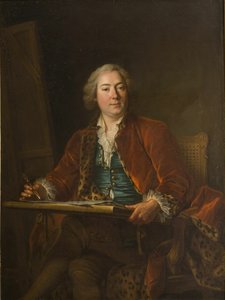
Charles André van Loo
1705 - 1765 , Francja
Najważniejsze informacje
- Artistic Movement Or Style: Rococo
- Artists Or Movements Influenced By This Artist: ['Nowoczesna szkoła francuska']
- Artists Who Influenced This Artist:
- Benedetto Luti
- Pierre Le Gros
- Date Of Birth: 1705
- Full Name: Charles André van Loo
- Nationality: Francuzi
- Notable Artworks:
- Wenus i Amor
- Przerywacz Łowów
- Portret Marii Leszczynskiej
- Jupiter i Antiope
- Place Of Birth: Nice, Francja
Zobacz także powiązane artykuły

Charles-André van Loo: A Study in Rococo Portraiture & the French Court's Artistic Dynamics
Explore the elegant world of Charles-André van Loo, a master of Rococo portraiture at the French court. Discover his life, techniques, and enduring influence on 18th-century art. Hand-painted reproductions available.

Rembrandt van Rijn: 25 Najwybitniejszych Dzieł Sztuki – Reprodukcje i Inspiracje do Wnętrz
Poznaj 25 arcydzieł Rembrandta van Rijn! Odkryj fascynujące historie, techniki i wpływ holenderskiego mistrza baroku na świat sztuki. Reprodukcje obrazów najwyższej jakości – inspiracje do wnętrz na OriginalUniqueArt.com

10 Arcydzieł Wczesnoniderlandzkiego Malarstwa, które Zdefiniowały Epokę | Reprodukcje Obrazów
Odkryj 10 arcydzieł wczesnoniderlandzkiego malarstwa! Poznaj historie van Eycka, Weydena i Memlinga. Reprodukcje obrazów najwyższej jakości dla Twojego wnętrza. Inspiracje i dekoracje ścienne na OriginalUniqueArt.com

Top 10 arcydzieł epoki rokoka: artyści, historia i dekoracje wnętrz | OriginalUniqueArt.com
Odkryj 10 arcydzieł epoki rokoka! Poznaj Watteau, Boucher’a i Fragonarda – artystów, którzy zdefiniowali ten styl. Inspiracje wnętrzarskie, pastelowe kolory i reprodukcje obrazów najwyższej jakości na OriginalUniqueArt.com. Eksploruj kolekcję online!
10 Arcydzieł Wczesnego Renesansu Niderlandzkiego: Sztuka i Dekoracja Domu
Odkryj 10 arcydzieł wczesnego renesansu niderlandzkiego! Poznaj historie van Eycka, Rogiera van der Weydena i innych mistrzów. Reprodukcje obrazów najwyższej jakości dla Twojego wnętrza – OriginalUniqueArt.com


