

 Zobacz w skali 1:1
 Wyślij
 Udostępnij
 Szczegóły
 Przewodnik

 Pobierz plik obrazu
 Podobne obiekty
 RTG
RTG Pokaz slajdów
 Statystyki
HALTE DE CHASSE


 Czytaj więcej
Giclée / Wydruk artystyczny
Wydruki giclée lub płótna o jakości muzealnej, szybka realizacja i szeroki wybór opcji wykończenia. ( Kup ręcznie malowany obraz Przełącz na wersję cyfrową)




P118B zł10

P118H zł10

P118W zł10

P438Z zł10

P508JH zł12

P508YH zł12

P805H zł10

P805Z zł10

P919BZ zł10

P919G zł10

P919XJ zł10

P959ZH zł10

P968JZ zł12

W106C zł8

W218G zł10

W218JH zł8

W218Y zł10

W307PJ zł10

W316G zł10

W316PJ zł8

W316Y zł10

W398PJ zł8

W4111J zł10

W500HY zł15

W500JH zł15

W692G zł12

W849H zł8

W940BG zł15

W953PJ zł8




Wybierz spośród naszych standardowych rozmiarów, które zachowują oryginalne proporcje dzieła sztuki.

Wpisz wymaganą szerokość i wysokość, aby dopasować grafikę do ramy lub ściany. Wydruk można jedynie przyciąć, nigdy nie powiększając go poza oryginalny obraz, dlatego format o innym proporcji spowoduje utratę części kompozycji. Przed rozpoczęciem druku prześlemy Ci cyfrowy podgląd do zatwierdzenia. Obraz wyświetlany na tej stronie nie pokazuje rzeczywistego przycięcia — jedynie podgląd oddaje ten efekt.
Dostawa na cały świat () w ciągu 2 tygodni zamiast standardowych 4/5 tygodni. (19 Październik)

Bezpłatna ekspresowa wysyłka na cały świat

Wysokiej jakości płótno lniane

Pełne ubezpieczenie transportowe

Gwarancja zwrotu należności celnych i podatków importowych

Gwarancja idealnego odwzorowania barw

100-dniowy okres na zwrot dzieła w przypadku wykrycia wad produkcyjnych

Gwarancja 100% zwrotu pieniędzy

Oferta przy zakupie wielu sztuk
 Opcja ze szkłem jest dostępna wyłącznie w rozmiarach poniżej 110 cm

HALTE DE CHASSE
Giclée / Wydruk artystyczny
Rozmiar reprodukcji
-


Suma do zapłaty
zł 304
A Symphony of Rococo Splendor
In the heart of the French Rococo era, few works capture the sheer opulence and leisurely grace of aristocratic life as vividly as Charles-André van Loo’s “HALTE DE CHASSE.” Painted in 1738, this masterpiece serves as a breathtaking window into the reign of Louis XV, offering much more than a mere depiction of a hunting expedition. It is an exquisitely crafted tableau, a carefully orchestrated celebration where the thrill of the chase meets the refined indulgence of a woodland feast. As the eye wanders through the lush, dappled sunlight filtering through the canopy, one does not simply observe a scene; one is invited to participate in a moment of timeless, aristocratic splendor.
The composition is a masterclass in Rococo density, designed to immerse the viewer in a world of abundance. Van Loo skillfully arranges his figures to create a sense of rhythmic movement and social harmony. In the foreground, a magnificent table serves as the anchor for the scene, laden with a cornucopia of delicacies—glinting wine glasses, ripe fruits, and delicate pastries that promise sensory delight. This central gathering of noblemen and ladies, draped in silks and fine linens, provides a static, elegant counterpoint to the dynamic squadron of horseback riders sweeping across the right side of the canvas. Through the clever use of diagonal lines, the artist guides our gaze from the intimate details of the picnic toward the energetic pursuit in the distance, ensuring that every corner of the painting vibrates with life.
The Artistry of Light and Texture
Technically, “HALTE DE CHASSE” is a triumph of oil on canvas, showcasing Van Loo’s ability to manipulate light and color to evoke deep emotional responses. The artist employs a sophisticated palette where warm, sun-drenched hues—russet reds, golden yellows, and creamy whites—interplay beautifully with the cooler, refreshing tones of emerald green and teal found in the surrounding foliage. This contrast not only mirrors the natural environment but also serves to highlight the exquisite textures of the nobility's attire. One can almost feel the tactile richness of the heavy fabric folds, the softness of the lace, and the smooth sheen of silk, all rendered with meticulous precision.
The lighting within the piece is profoundly naturalistic, suggesting a soft, diffused glow that bathes the entire assembly in a romantic, dreamlike atmosphere. Subtle highlights dance upon faces and glassware, creating a sense of three-dimensional volume and depth. As the landscape recedes into a hazy, atmospheric distance, Van Loo utilizes aerial perspective to expand the world beyond the immediate clearing, hinting at a vast, untamed wilderness that exists just beyond this pocket of civilization. For the collector or interior designer, this painting offers an unparalleled sense of depth and grandeur, making it a commanding focal point for any sophisticated space.
A Legacy of Elegance and Emotion
Beyond its technical brilliance, the painting resonates with profound symbolic weight. The abundance of food and drink is not merely decorative; it is a potent symbol of prosperity, peace, and the effortless indulgence characteristic of the 18th-century French court. There is an undeniable sense of camaraderie and joy permeating the scene—a shared moment of respite that celebrates the bonds of social class and the pleasures of nature. The elegance of the figures reflects a period where art was used to idealize life, turning a momentary pause in a hunt into an eternal monument of grace.
For those seeking to bring a touch of historical prestige and classical beauty into their homes, a high-quality reproduction of this work offers more than just decoration; it offers an atmosphere. Whether placed in a grand salon or a refined study, “HALTE DE CHASSE” evokes a sense of nostalgia for an era of unparalleled refinement. It remains a captivating choice for anyone looking to inspire awe and conversation through the timeless language of the Rococo style.
Pytania i odpowiedzi
W jaki sposób mogę kupić wydruk „HALTE DE CHASSE” autorstwa Charles André van Loo?
Odbitkę dzieła „HALTE DE CHASSE” autorstwa Charles André van Loo można zamówić bezpośrednio na stronie Wydruk artystyczny: szlachetna odbitka na płótnie bawełnianym lub archiwalnym papierze płótnopodobnym.
Czy istnieje karta informacyjna o „HALTE DE CHASSE” autorstwa Charles André van Loo przeznaczona dla studentów?
Strona Przewodnik dzieła „HALTE DE CHASSE” autorstwa Charles André van Loo oferuje dwustronicową kartę informacyjną w formacie do druku: samo dzieło wraz z tabelą identyfikacyjną, oś czasu umieszczającą je w latach życia artysty, inne prace tego twórcy, zmierzoną paletę kolorystyczną oraz gotowe do skopiowania cytaty w czterech stylach.
Jaką tematykę i atmosferę łączy „HALTE DE CHASSE” autorstwa Charles André van Loo?
„HALTE DE CHASSE” autorstwa Charles André van Loo przedstawia hunting scene, aristocracy, celebration, picnic, landscape, elegant figures, food abundance, wprowadzając Elegant nastrój. Tematyka i atmosfera wspólnie definiują to dzieło.
Biografia artysty
Wczesne lata i kształcenie
- Urodzony: 15 lutego 1705 r. w Nicei, Francja
- Pochodzenie: Syn Louisa-Abrahama van Loo i młodszy brat Jean-Baptiste van Loo; członek odnoszącej sukcesy dynastii malarzy niderlandzkich.
- Wczesna edukacja: Początkowe szkolenie w Turynie, a następnie studia w Rzymie (1romat 1712) pod okiem Benedetto Luti oraz Pierre Legrosa.
- Studia paryskie: Uczestnik Académie royale, zdobywca pierwszej nagrody w dziedzinie rysunku w 1723 roku oraz malarstwa historycznego w 1727 roku.
Kariera artystyczna i wybitne dzieła
- Styl: Przede wszystkim znany jako malarz rokoka, charakteryzujący się elegancją, gracją i bogactwem detali.
- Tematyka: Szeroki wachlarz tematów, obejmujący portrety, sceny mitologiczne, malarstwo historyczne, alegorie oraz sceny rodzajowe.
- Znaczące dzieła:
- Wenus i Amor (Kunsthalle Bremen) – demonstruje mistrzostwo stylu rokoko.
- Przystanek na polowaniu (The Metropolitan Museum of Art) – oddaje atmosferę arystokratycznych rozrywek.
- Portret Marii Leszczyńskiej, Królowej Francji – znamienity portret królewski.
- Jowisz i Antiope – ukazuje tematy mitologiczne.
- Autoportret – pozwala zajrzeć w głąb samoświadomości artysty.
- Perseusz i Andromeda (wiele wersji) – ilustruje umiejętność przedstawiania mitologii klasycznej.
- Mademoiselle Clairon jako Medea (mała wersja) – urzekający portret rokokowy z 1760 roku.
Mecenat i królewskie uznanie
- Mecenat królewski: Cieszył się protekcją Madame de Pompadour oraz dworu francuskiego.
- Order św. Michała: Odznaczony Orderem św. Michała, co stanowiło symbol królewskiej łaski.
Wpływy i dziedzictwo
- Wpływ rodziny: Silnie zainspirowany twórczością ojca i brata, obaj wybitni malarze.
- Rywalizacja: Rywalizował z François Boucherem, innym znaczącym artystą epoki rokoka.
- Nowoczesna szkoła francuska: Jego „prostota stylu i poprawność projektu” wywarły istotny wpływ na rozwój nowoczesnej szkoły malarstwa francuskiego.
- Losy krytyczne: Choć jego pozycja w oczach krytyków zmieniała się w czasie, kunszt i rozmach jego twórczości budzą nieustanny szacunek.
Kolekcje muzealne i dalsze zgłębianie tematu
- Obecność w muzeach: Jego dzieła znajdują się w najważniejszych muzeach świata, w tym w Luwrze (Małżeństwo Najświętszej Marii Panny), Kunsthalle Bremen oraz The Metropolitan Museum of Art.
- Dodatkowe zasoby:
- Strona Charles-André van Loo w OriginalUniqueArt: https://www.OriginalUniqueArt.com/artists/charles-andre-van-loo/
- Strona Największych Artystów Wszystkich Czasów w OriginalUniqueArt: https://www.OriginalUniqueArt.com/greatest-artists
- Wirtualne Muzeum OriginalUniqueArt: https://www.OriginalUniqueArt.com/
- Artykuł w Wikipedii: https://en.wikipedia.org/wiki/Charles-Andr%C3%A9_van_Loo
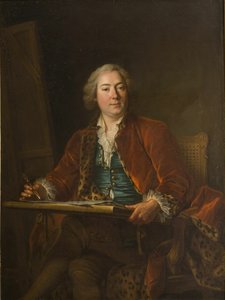
Charles André van Loo
1705 - 1765 , Francja
Najważniejsze informacje
- Artistic Movement Or Style: Rococo
- Artists Or Movements Influenced By This Artist: ['Nowoczesna szkoła francuska']
- Artists Who Influenced This Artist:
- Benedetto Luti
- Pierre Le Gros
- Date Of Birth: 1705
- Full Name: Charles André van Loo
- Nationality: Francuzi
- Notable Artworks:
- Wenus i Amor
- Przerywacz Łowów
- Portret Marii Leszczynskiej
- Jupiter i Antiope
- Place Of Birth: Nice, Francja
Zobacz także powiązane artykuły

Rokokowy przepych: Bunt i rozkosz w sztuce XVIII wieku
Poznaj fascynujący świat rokoka – stylu pełnego wdzięku i przepychu! Odkryj historię, charakterystykę oraz wpływ tego nurtu na sztukę XVIII wieku. Ekspercka analiza i inspiracje dla miłośników historii sztuki.
Od Grandiozowości do Elegancji: Ewolucja Sztuki Baroku i Rokoka
Odkryj fascynującą ewolucję sztuki baroku i rokoka! Poznaj mistrzów, techniki i dramatyzm epoki. Inspiracje dla dekoracji wnętrz i reprodukcje najwyższej jakości na OriginalUniqueArt.

Baroque vs. Rococo: A Definitive Guide to the Drama of Grandeur and the Elegance of Grace
Explore the profound differences between Baroque drama and Rococo elegance. Our expert guide delves into art history, chiaroscuro, and the evolution of European masterpieces for collectors and enthusiasts seeking deep historical context.
Baroque vs. Rococo: A Definitive Guide to High-Drama Shadows and Golden Elegance
Explore the dramatic evolution from Baroque's intense chiaroscuro to Rococo's golden elegance. Our expert guide decodes the shift from high-drama shadows to playful, ornate grace for art enthusiasts and collectors seeking deep historical insight.

Urok Elegancji w Sztuce: Historyczna i Estetyczna Eksploracja Wzniosłości i Gracji
Odkryj historię elegancji w sztuce – od rokoka po neoklasycyzm. Analiza dzieł Sir Joshua Reynoldsa i wpływu estetyki XVIII wieku na współczesne wnętrza. Ekskluzywne reprodukcje obrazów na OriginalUniqueArt.com.


