

 Zobacz w skali 1:1
 Wyślij
 Udostępnij
 Szczegóły
 Przewodnik

 Pobierz plik obrazu
 Podobne obiekty
 RTG
RTG Pokaz slajdów
 Statystyki
Halt of the Hunt
 Oil On Canvas
- WallArt
- Rococo Elegance
 1737
1737- Early Modern
 59.0 x 50.0 cm
 Metropolitan Museum of Art
 Czytaj więcej
Giclée / Wydruk artystyczny
Wydruki giclée lub płótna o jakości muzealnej, szybka realizacja i szeroki wybór opcji wykończenia. ( Kup ręcznie malowany obraz Przełącz na wersję cyfrową)




P118B zł10

P118H zł10

P118W zł10

P438Z zł10

P508JH zł12

P508YH zł12

P805H zł10

P805Z zł10

P919BZ zł10

P919G zł10

P919XJ zł10

P959ZH zł10

P968JZ zł12

W106C zł8

W218G zł10

W218JH zł8

W218Y zł10

W307PJ zł10

W316G zł10

W316PJ zł8

W316Y zł10

W398PJ zł8

W4111J zł10

W500HY zł15

W500JH zł15

W692G zł12

W849H zł8

W940BG zł15

W953PJ zł8




Wybierz spośród naszych standardowych rozmiarów, które zachowują oryginalne proporcje dzieła sztuki.

Wpisz wymaganą szerokość i wysokość, aby dopasować grafikę do ramy lub ściany. Wydruk można jedynie przyciąć, nigdy nie powiększając go poza oryginalny obraz, dlatego format o innym proporcji spowoduje utratę części kompozycji. Przed rozpoczęciem druku prześlemy Ci cyfrowy podgląd do zatwierdzenia. Obraz wyświetlany na tej stronie nie pokazuje rzeczywistego przycięcia — jedynie podgląd oddaje ten efekt.
Dostawa na cały świat () w ciągu 2 tygodni zamiast standardowych 4/5 tygodni. (23 Październik)

Bezpłatna ekspresowa wysyłka na cały świat

Wysokiej jakości płótno lniane

Pełne ubezpieczenie transportowe

Gwarancja zwrotu należności celnych i podatków importowych

Gwarancja idealnego odwzorowania barw

100-dniowy okres na zwrot dzieła w przypadku wykrycia wad produkcyjnych

Gwarancja 100% zwrotu pieniędzy

Oferta przy zakupie wielu sztuk
 Opcja ze szkłem jest dostępna wyłącznie w rozmiarach poniżej 110 cm

Halt of the Hunt
Giclée / Wydruk artystyczny
Rozmiar reprodukcji
-


Suma do zapłaty
zł 308
A Glimpse into Rococo Splendor
In the delicate dance of light and shadow captured within Charles-André van Loo’s 1737 masterpiece, “Halt of the Hunt,” we are transported to the very heart of the French aristocracy during the reign of Louis XV. This exquisite oil sketch is far more than a mere depiction of a midday respite; it serves as a window into an era defined by opulence, grace, and the pursuit of pleasure. The scene unfolds with a choreographed elegance, presenting a group of noblemen and ladies gathered around a table laden with delicacies. As they pause amidst their hunting expedition, the atmosphere is thick with the refined leisure of the court, inviting the viewer to step into a world where every gesture is poised and every detail is a testament to high society's splendor.
The composition is masterfully balanced, utilizing the presence of two loyal dogs to anchor the scene. These animals are not merely incidental; they serve as profound symbols of nobility and fidelity, mirroring the very virtues held dear by the aristocratic class of the eighteenth century. As the figures mingle around the feast, the interplay between the lush, natural backdrop and the sophisticated attire of the guests creates a captivating tension between the wildness of the hunt and the controlled refinement of civilization.
Mastery of Technique and Rococo Elegance
Van Loo’s technical prowess is on full display through his signature Rococo style, a movement characterized by its emphasis on beauty, ornament, and lightheartedness. The artist employs a breathtakingly delicate technique, utilizing thin glazes layered upon one another to achieve a luminous, almost ethereal quality. This method allows for a remarkable tonal subtlety, where the pastel hues of the drapery seem to glow from within, capturing the soft, filtered light of a forest clearing. Through the skillful application of sfumato, Van Loo softens the edges of the landscape, creating an atmospheric depth that pulls the observer into this idealized, dreamlike realm.
For the discerning collector or interior designer, the visual impact of this work lies in its ability to evoke emotion through texture and color. The meticulous attention to detail—from the glint of a silver cup to the intricate folds of silk garments—provides a sensory richness that elevates the painting from a historical document to a living piece of art. The brushwork is fluid yet precise, conveying a palpable sense of carefree enjoyment and the effortless sophistication that defines the Rococo spirit.
An Enduring Legacy for Modern Spaces
Historically, this work holds immense significance as a preparatory study for a much larger canvas destined for the prestigious Château de Fontainebleau. It represents the height of French artistic ambition, born from a period of intense innovation and royal patronage. To possess a high-quality reproduction of “Halt of the Hunt” is to bring a piece of history into the contemporary home, offering a sophisticated focal point that speaks of timeless elegance.
Whether placed in a grand dining hall to echo its original purpose or used as a subtle accent in a curated gallery wall, this painting offers an unparalleled sense of prestige. It provides an infusion of classical charm and warmth, making it an ideal choice for those looking to inspire awe and conversation. The artwork does not merely decorate a room; it transforms the space, imbuing it with the romanticism, light, and aristocratic charm of a bygone golden age.
Pytania i odpowiedzi
Czy „Halt of the Hunt” autorstwa Charles André van Loo to dzieło o jasnej czy ciemnej kolorystyce?
Jasność dzieła „Halt of the Hunt” autorstwa Charles André van Loo wynosi deep_shadow, przy luminancji na poziomie Dark.
Ile lat miał(a) Charles André van Loo, tworząc "Halt of the Hunt" w 1737 roku?
Charles André van Loo miał 32 lat, tworząc „Halt of the Hunt” w 1737. Wiek ten został obliczony na podstawie roku urodzenia artysty, 1705.
Czy kolory w „Halt of the Hunt” autorstwa Charles André van Loo są nasycone czy stonowane?
Dzieło „Halt of the Hunt” autorstwa Charles André van Loo zostało utrwalone z Subtle Color nasyceniem kolorów.
Biografia artysty
Wczesne lata i kształcenie
- Urodzony: 15 lutego 1705 r. w Nicei, Francja
- Pochodzenie: Syn Louisa-Abrahama van Loo i młodszy brat Jean-Baptiste van Loo; członek odnoszącej sukcesy dynastii malarzy niderlandzkich.
- Wczesna edukacja: Początkowe szkolenie w Turynie, a następnie studia w Rzymie (1romat 1712) pod okiem Benedetto Luti oraz Pierre Legrosa.
- Studia paryskie: Uczestnik Académie royale, zdobywca pierwszej nagrody w dziedzinie rysunku w 1723 roku oraz malarstwa historycznego w 1727 roku.
Kariera artystyczna i wybitne dzieła
- Styl: Przede wszystkim znany jako malarz rokoka, charakteryzujący się elegancją, gracją i bogactwem detali.
- Tematyka: Szeroki wachlarz tematów, obejmujący portrety, sceny mitologiczne, malarstwo historyczne, alegorie oraz sceny rodzajowe.
- Znaczące dzieła:
- Wenus i Amor (Kunsthalle Bremen) – demonstruje mistrzostwo stylu rokoko.
- Przystanek na polowaniu (The Metropolitan Museum of Art) – oddaje atmosferę arystokratycznych rozrywek.
- Portret Marii Leszczyńskiej, Królowej Francji – znamienity portret królewski.
- Jowisz i Antiope – ukazuje tematy mitologiczne.
- Autoportret – pozwala zajrzeć w głąb samoświadomości artysty.
- Perseusz i Andromeda (wiele wersji) – ilustruje umiejętność przedstawiania mitologii klasycznej.
- Mademoiselle Clairon jako Medea (mała wersja) – urzekający portret rokokowy z 1760 roku.
Mecenat i królewskie uznanie
- Mecenat królewski: Cieszył się protekcją Madame de Pompadour oraz dworu francuskiego.
- Order św. Michała: Odznaczony Orderem św. Michała, co stanowiło symbol królewskiej łaski.
Wpływy i dziedzictwo
- Wpływ rodziny: Silnie zainspirowany twórczością ojca i brata, obaj wybitni malarze.
- Rywalizacja: Rywalizował z François Boucherem, innym znaczącym artystą epoki rokoka.
- Nowoczesna szkoła francuska: Jego „prostota stylu i poprawność projektu” wywarły istotny wpływ na rozwój nowoczesnej szkoły malarstwa francuskiego.
- Losy krytyczne: Choć jego pozycja w oczach krytyków zmieniała się w czasie, kunszt i rozmach jego twórczości budzą nieustanny szacunek.
Kolekcje muzealne i dalsze zgłębianie tematu
- Obecność w muzeach: Jego dzieła znajdują się w najważniejszych muzeach świata, w tym w Luwrze (Małżeństwo Najświętszej Marii Panny), Kunsthalle Bremen oraz The Metropolitan Museum of Art.
- Dodatkowe zasoby:
- Strona Charles-André van Loo w OriginalUniqueArt: https://www.OriginalUniqueArt.com/artists/charles-andre-van-loo/
- Strona Największych Artystów Wszystkich Czasów w OriginalUniqueArt: https://www.OriginalUniqueArt.com/greatest-artists
- Wirtualne Muzeum OriginalUniqueArt: https://www.OriginalUniqueArt.com/
- Artykuł w Wikipedii: https://en.wikipedia.org/wiki/Charles-Andr%C3%A9_van_Loo
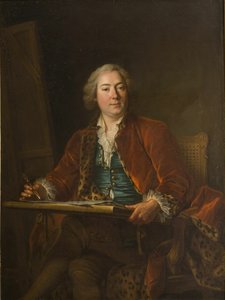
Charles André van Loo
1705 - 1765 , Francja
Najważniejsze informacje
- Artistic Movement Or Style: Rococo
- Artists Or Movements Influenced By This Artist: ['Nowoczesna szkoła francuska']
- Artists Who Influenced This Artist:
- Benedetto Luti
- Pierre Le Gros
- Date Of Birth: 1705
- Full Name: Charles André van Loo
- Nationality: Francuzi
- Notable Artworks:
- Wenus i Amor
- Przerywacz Łowów
- Portret Marii Leszczynskiej
- Jupiter i Antiope
- Place Of Birth: Nice, Francja
Zobacz także powiązane artykuły

Rokokowy przepych: Bunt i rozkosz w sztuce XVIII wieku
Poznaj fascynujący świat rokoka – stylu pełnego wdzięku i przepychu! Odkryj historię, charakterystykę oraz wpływ tego nurtu na sztukę XVIII wieku. Ekspercka analiza i inspiracje dla miłośników historii sztuki.
Rokokowy Styl: Arystokratyczne Przestrzenie Rozkoszy i Poszukiwanie Piękna w Sztuce XVIII Wieku
Odkryj świat rokoka – elegancji, luksusu i subtelności XVIII wieku. Poznaj mistrzów malarstwa, charakterystyczne cechy stylu oraz wpływ na sztukę i kulturę. Ekskluzywne reprodukcje obrazów na OriginalUniqueArt.com.

Top 10 arcydzieł epoki rokoka: artyści, historia i dekoracje wnętrz | OriginalUniqueArt.com
Odkryj 10 arcydzieł epoki rokoka! Poznaj Watteau, Boucher’a i Fragonarda – artystów, którzy zdefiniowali ten styl. Inspiracje wnętrzarskie, pastelowe kolory i reprodukcje obrazów najwyższej jakości na OriginalUniqueArt.com. Eksploruj kolekcję online!

The Fête Galante & Beyond: Exploring the Artistic World of Jean-Antoine Watteau
Discover the captivating world of Jean-Antoine Watteau, master of the Fête Galante! Explore his iconic paintings, symbolism, and lasting influence on Rococo art. A deep dive for classic art enthusiasts.

Urok Elegancji w Sztuce: Historyczna i Estetyczna Eksploracja Wzniosłości i Gracji
Odkryj historię elegancji w sztuce – od rokoka po neoklasycyzm. Analiza dzieł Sir Joshua Reynoldsa i wpływu estetyki XVIII wieku na współczesne wnętrza. Ekskluzywne reprodukcje obrazów na OriginalUniqueArt.com.


