Baroque · 1747
Erigone (Charles André van Loo, 1747)
Charles André van Loo (1705–1765) stworzył Erigone. Dzieło pochodzi z 1747. Należy do nurtu Baroque. Wykonano w technice Oil On Canvas. Przechowywane jest w Musée d'art et d'archéologie de Laon w Laon, France.
- 1747
- Oil On Canvas
- Musée d'art et d'archéologie de Laon

 Podgląd w skali 1:1

 Ręcznie malowany obraz olejny
 Wyślij jako kartkę
 Udostępnij
 Karta informacyjna


 Pobierz obraz
 Podobne obiekty
 RTG
 Pokaz slajdów
 Pytania i odpowiedzi

 Statystyki
Erigone w skrócie
- Tytuł
- Erigone
- Artysta
- Charles André van Loo (1705–1765)
- Miejsce urodzenia artysty
- Nicea, Francja
- Data powstania
- 1747
- Technika wykonania
- Oil On Canvas
- Gdzie można je zobaczyć
- Musée d'art et d'archéologie de Laon, Laon, France
- Ruch
- Baroque
- Epoka
- Early Modern
- Temat
- nude figure, mythology, baroque, landscape, fertility, abundance
Co przedstawia Erigone?
Identification of Erigone by Charles-André van Loo
The scene unfolds around Erigone, a work painted by Charles-André van Loo. This oil on canvas captures a moment of quiet power within a lush, natural setting. The subject is a nude female figure, her form central to the composition. She exists amidst a landscape of heavy vines and ripening fruit, embodying themes of abundance and fertility. One wonders at the connection between her graceful presence and the overflowing life surrounding her.
Created about 1747, this piece reflects the artist's ability to breathe life into mythological subjects. Charles-André van Loo places the figure within a world where the organic shapes of foliage and grapes seem to pulse with growth. The soft light catches the contours of her skin, grounding the mythological figure in a tangible, breathing reality. It is a vision of nature's bounty, held in a delicate balance between the human form and the wild, spreading vines.
Composition and Visual Elements
The figure rests at the very heart of the scene, a central presence held in balance against a landscape that stretches out in a richly detailed backdrop. Curvilinear lines guide the eye, tracing the soft contours of the woman’s body and following the winding, natural paths of the vines and trees. Every shape feels organic; rounded forms dominate the scene, from the heavy clusters of fruit to the flowing folds of the drapery and the lushness of the surrounding foliage. There is a sense of life in these curves, as if the very plants are reaching toward the light.
A soft, diffused light bathes the entire composition, creating a gentle glow that settles upon the subject’s features and skin. This light does not strike harshly but seems to emanate from within the atmosphere itself. The perspective feels somewhat flattened, a characteristic that keeps the viewer close to the subject, even as the landscape recedes slightly into the distance. Depth emerges through the careful layering of elements in the background, where atmospheric perspective causes the distant trees to appear paler and less distinct, pulling the eye deeper into the greenery.
Technique and Artistic Style
The scene unfolds through a Baroque sensibility, where dramatic lighting casts a soft, diffused glow across the subject. This light dances over the figure, highlighting the contours of the skin and the delicate features of the face. Every curve of the woman’s body and the organic forms of the surrounding foliage are rendered with a sense of grace. The composition relies on curvilinear lines that guide the eye through the lush, detailed landscape. It feels as though the air itself is heavy with the scent of grapes and the stillness of the natural world.
Oil paints on canvas allow for a meticulous application of color. The artist employs seamless blending to transition between tones, creating a smooth texture on the draped fabric and the skin. There is a profound sense of realism achieved through the careful observation of anatomy and the intricate details of the vines. The brushwork is precise, capturing the weight of the fruit and the textured bark of the trees. While the figure remains central and idealized, the background recedes through atmospheric perspective, where distant trees appear paler and less distinct, adding a quiet depth to the setting.
Related Works by Charles-André van Loo
The artist's hand moves through various realms of myth and devotion. In 1729, he captures the weight of Trojan heroism in Aeneas Carrying Anchises. This work carries a different gravity than the intimate scenes found in his religious commissions. The Marriage of the Virgin remains preserved within the walls of the Louvre, while his 1738 painting Virgin and Child offers a moment of serene contemplation. These pieces reveal a capacity for both grand narrative and quiet, tender interaction.
The artist also explores the allure of the exotic through his 1747 work Sultane, housed in the Musée des Arts Décoratifs in Paris. Here, the focus shifts toward the luxurious textures of Ottoman-inspired attire. Such subjects highlight a fascination with the decorative splendor of the mid-18th century. Each piece reflects a specific facet of his ability to navigate between the heavy requirements of historical painting and the lighter, more playful sensibilities of the French court.
W którym muzeum znajduje się Erigone?
Musée d'art et d'archéologie de Laon
Laon, France
The Architecture of the Templar Commandery The Musée d'art et d'archéologie de Laon occupies the former Templar commandery, a site integrated into the medieval fabric of Laon. Since 1891, the institution has been housed within these stone walls, which include the Chapel Saint-Jean-Baptiste. This chapel, constructed around 1140, features an octagonal structure and a choir that represent the oldest portions of the site.


Zdjęcia w wysokiej rozdzielczości dzieła Erigone
Domena publiczna: artysta zmarł w 1765.
Charles André van Loo, Erigone (1747), Musée d'art et d'archéologie de Laon. Domena publiczna
Odpowiedzi na pytania dotyczące Erigone
W którym muzeum znajduje się oryginał "Erigone"?
„Erigone” – Charles André van Loo znajduje się w zbiorach Musée d'art et d'archéologie de Laon, Laon, France. Informacja o muzeum dotyczy oryginału, a nie reprodukcji.
W którym roku powstało dzieło „Erigone” – Charles André van Loo?
Powstanie „Erigone” – Charles André van Loo datuje się na 1747.
W jakiej technice wykonano „Erigone” – Charles André van Loo?
Charles André van Loo wykorzystał/a technikę Oil On Canvas w pracy „Erigone”. Technika ta definiuje materię oryginalnego dzieła.
Co przedstawia „Erigone” – Charles André van Loo?
Tematyka dzieła "Erigone" to nude figure, mythology, baroque, landscape, fertility, abundance, classical art, grapevines.
Czy „Erigone” – Charles André van Loo znajduje się w domenie publicznej?
Jeśli chodzi o prawa autorskie, "Erigone" znajduje się w należy do domeny publicznej – autorskie prawa majątkowe wygasły.
Kto stworzył "Erigone"?
„Erigone” zostało stworzone przez Charles André van Loo. Informacje na tej stronie dotyczą oryginalnego dzieła autorstwa Charles André van Loo.
Do jakiego nurtu należy "Erigone"?
„Erigone” – Charles André van Loo należy do nurtu Baroque. Nurt ten stanowi stylistyczny kontekst dzieła.
Do którego okresu twórczości Charles André van Loo należy dzieło „Erigone”?
W dorobku artystycznym Charles André van Loo dzieło „Erigone” przypada na Mature Period. Ten etap pozwala zestawić je z innymi pracami twórcy.
W jakim wieku Charles André van Loo stworzył(a) "Erigone"?
Gdy w 1747 roku powstało dzieło „Erigone”, Charles André van Loo – urodzony/a w 1705 – miał/a 42 lat.
O artyście: Charles André van Loo
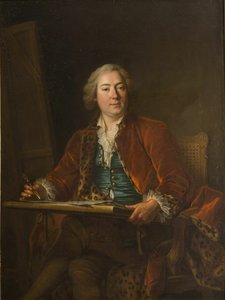
1705–1765, Francja
Charles André van Loo
Wczesne lata i kształcenie Urodzony: 15 lutego 1705 r. w Nicei, Francja Pochodzenie: Syn Louisa-Abrahama van Loo i młodszy brat Jean-Baptiste van Loo; członek odnoszącej sukcesy dynastii malarzy niderlandzkich. Wczesna edukacja: Początkowe szkolenie w Turynie, a następnie studia w Rzymie (1romat 1712) pod okiem Benedetto Luti oraz Pierre Legrosa. Studia paryskie: Uczestnik Académie royale, zdobywca pierwszej nagrody w dziedzinie rysunku w 1723 roku oraz malarstwa historycznego w 1727 roku.
O Charles André van Loo Najważniejsze dzieła Charles André van Loo
Inne prace Charles André van Loo
 Spanish Concert (Spanish Сonversation)1754
 Aeneas Carrying Anchises1729
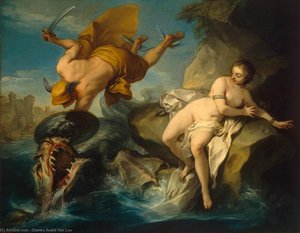 Perseus and Andromeda1735
 The sultana1747
Eseje o Erigone
 Charles-André van Loo: A Study in Rococo Portraiture & the French Court's Artistic DynamicsExplore the elegant world of Charles-André van Loo, a master of Rococo portraiture at the French court. Discover his life, techniques, and …
 Masterpieces of Edward Burne-Jones: The Top 25 Essential ArtworksExplore the top 25 Pre-Raphaelite masterpieces by Edward Burne-Jones. Discover his iconic works and curated art on OriginalUniqueArt.com.
 25 Masterpieces by Jean-Antoine Watteau: The Essence of Rococo EleganceExperience the Rococo elegance of Jean-Antoine Watteau's finest works. Explore the full collection online at OriginalUniqueArt.com.